
Reviewed · HISTORICAL TOURS
Salvador Historic Walking Tour – Pelourinho
Salvador tells its story in painted streets. This 2.5-hour walk links Rio Branco Palace and the Lacerda Elevator with the grand squares and churches of Pelourinho, giving you a useful first look at the city’s past and present. I like the small group limit of 10, and I like that the tour includes cultural context, ocean views, and local food and drinks rather than treating the old center as a backdrop for photos. The main concern is value: some people felt the route covered too little for the price.
The meeting point at Praça Castro Alves makes sense for a tour of the historic center, but you should arrive ready for hills, uneven paving, heat, and plenty of time on your feet. Guides such as Maria, Eduardo, Edval, Aldison, and Lara have received warm praise for clear explanations and personal attention, though the exact guide depends on the date and language.
In This Review
- Key points at a glance
- Why this walk is a useful first look at Salvador
- Meeting the guide at Praça Castro Alves
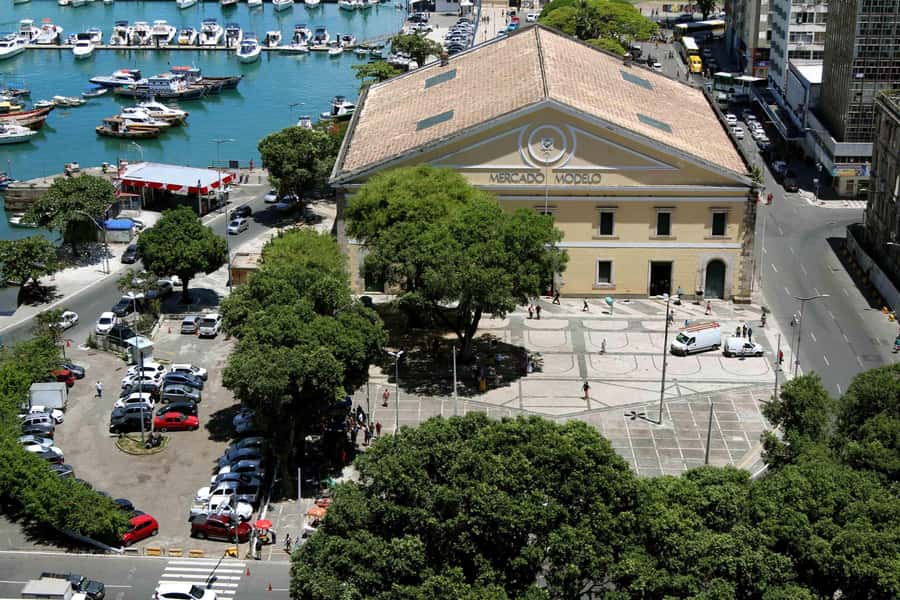
- Rio Branco Palace and the Lacerda Elevator
- Praça da Cruz Caída and the ocean view
- Pelourinho’s 17th and 18th-century mansions
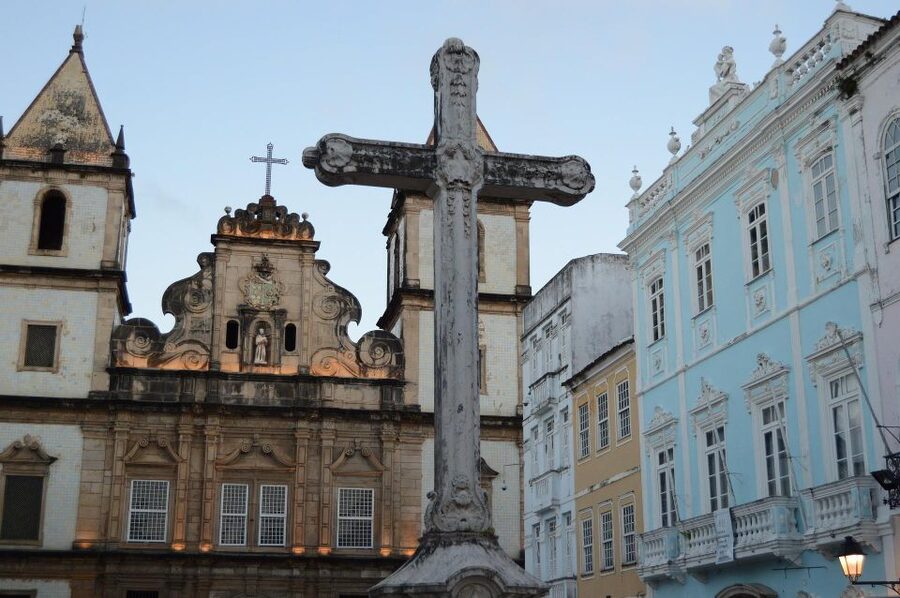
- Largo do Pelourinho and São Francisco Church
- Food, drinks, and personal questions
- What the 4.8 rating means for you
- Is the route physically demanding?
- Who will get the most from this Salvador walk?
- Should you book the Pelourinho walking tour?
- FAQ
- How long does the Salvador Historic Walking Tour last?
- Where does the tour meet?
- Which languages are available?
- How many people are in the group?
- Which landmarks are included?
- Does the tour include ocean views?
- Is food or drink tasting included?
- Can I cancel for a full refund?
Key points at a glance
- A 2.5-hour route through central Salvador: Begin at Praça Castro Alves, see major civic landmarks, then continue into Pelourinho.
- A small group of up to 10 people: The size allows more room for questions and personal tips than a large city tour.
- Three guide languages: Tours are offered in English, Spanish, and Portuguese.
- Ocean views from Praça da Cruz Caída: This stop adds a wide outlook over the water to the church-and-mansion focus.
- A strong Afro-Brazilian and colonial culture focus: The walk connects Salvador’s ethnic mix, beliefs, architecture, and music history.
- Mixed value depending on your expectations: The guide quality is often praised, but some people wanted more sights for the cost.
Why this walk is a useful first look at Salvador
Salvador de Bahia can feel confusing at first. Its historic center is not one tidy monument zone. It is a collection of squares, steep streets, churches, government buildings, colorful facades, tourist activity, and ordinary city life.
That makes a guided walk useful. You get a basic map in your head, then learn how the main pieces fit together. The route moves from Praça Castro Alves toward the upper historic center, passing important landmarks before reaching Pelourinho.
I especially like the way this itinerary gives you more than a quick photo stop at Pelourinho. The first part of the walk helps you see how the area is changing and why the old center matters. One person who had already visited the neighborhood alone particularly valued this section, since it showed parts of central Salvador they would not have found without a guide.
The tour is listed as a free walking tour experience, but you should check the current booking terms and price carefully. A few people felt the charge was too high for the number of sights included. The best value comes if you want interpretation, local orientation, and cultural background, not simply a fast checklist of landmarks.
More history-led tours:
- Historic City Tour in Salvador
★ 3.6 · 17 reviews - From Salvador: Quilombo Heritage Daytrip with Lunch
★ 3.4 · 3 reviews - Rio de Janeiro: Historic Rio and Santa Teresa Half-Day Tour
★ 4.4 · 228 reviews
Meeting the guide at Praça Castro Alves
The walk begins in front of Cine Metha at Praça Castro Alves. The coordinates are approximately -12.977219, -38.514329, which is helpful if you prefer to check the location on a map before setting out.
Praça Castro Alves is a fitting place to start. It connects the modern city with Salvador’s older center and gives the tour an immediate sense of place. You are not beginning at the most photographed Pelourinho square, so the route can build toward it instead of using the famous setting as an opening and closing point.
Arrive with comfortable shoes and water. The tour lasts two and a half hours, and the route includes open squares and historic streets. The supplied details do not promise transportation, hotel pickup, or a vehicle between stops, so plan on walking for the full duration.
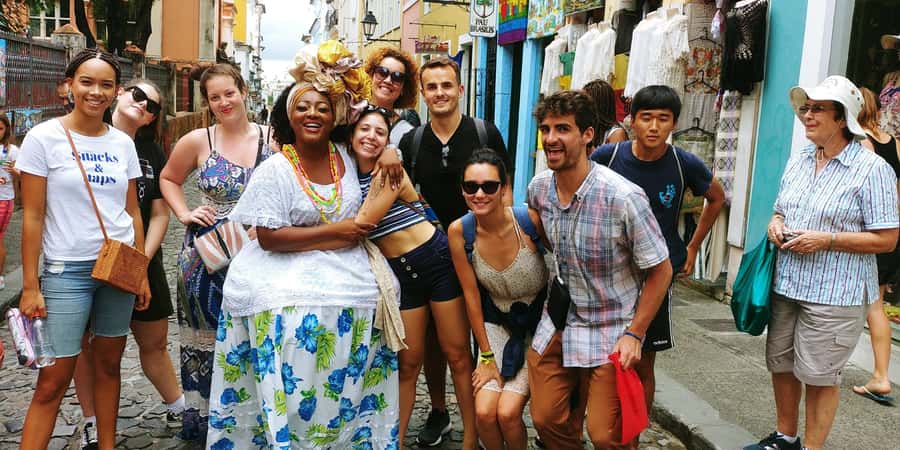
The group is capped at 10 people. That is one of the strongest practical features here. A smaller group makes it easier to hear explanations in busy areas and gives you a better chance to ask about food, churches, local customs, or what to do after the tour.
Guide quality has been a major strength. Maria has been praised for waiting when a cruise passenger was delayed and for adding food and drink tastings to the experience. Eduardo has been described as easygoing and helpful with individual interests. Other named guides include Edval, Aldison, and Lara, with praise for clear explanations, good English, and thoughtful preparation.
That does not mean you will receive one particular guide. It does mean the operator has shown signs of putting real people, rather than a fixed audio script, at the center of the tour.
Rio Branco Palace and the Lacerda Elevator
The opening sights include Rio Branco Palace and the Lacerda Elevator, two landmarks that help explain Salvador’s layout and civic importance.
Rio Branco Palace is one of the city’s major historic government buildings. From a visitor’s point of view, its value is not only the facade. A good explanation here can show how power, administration, and the colonial city were arranged around the upper center.
The Lacerda Elevator is especially practical as a city landmark because it links Salvador’s Upper City and Lower City. Even if you do not ride it during this walk, seeing it with a guide helps you understand the unusual two-level structure of central Salvador.
I like this early pairing because it prevents Pelourinho from feeling like an isolated old quarter. You see the wider city first, then enter the streets where the architecture becomes more intimate and detailed.
The drawback is that the description does not promise interior visits to either landmark. Think of these stops mainly as exterior views and points for explanation. If you want access inside buildings, a private architecture tour or a museum-focused visit may suit you better.
This first stretch may be the most valuable part for repeat visitors. It gives you a better sense of how Salvador’s historic core connects to the rest of the city, and it may show you corners you would otherwise skip.
Praça da Cruz Caída and the ocean view
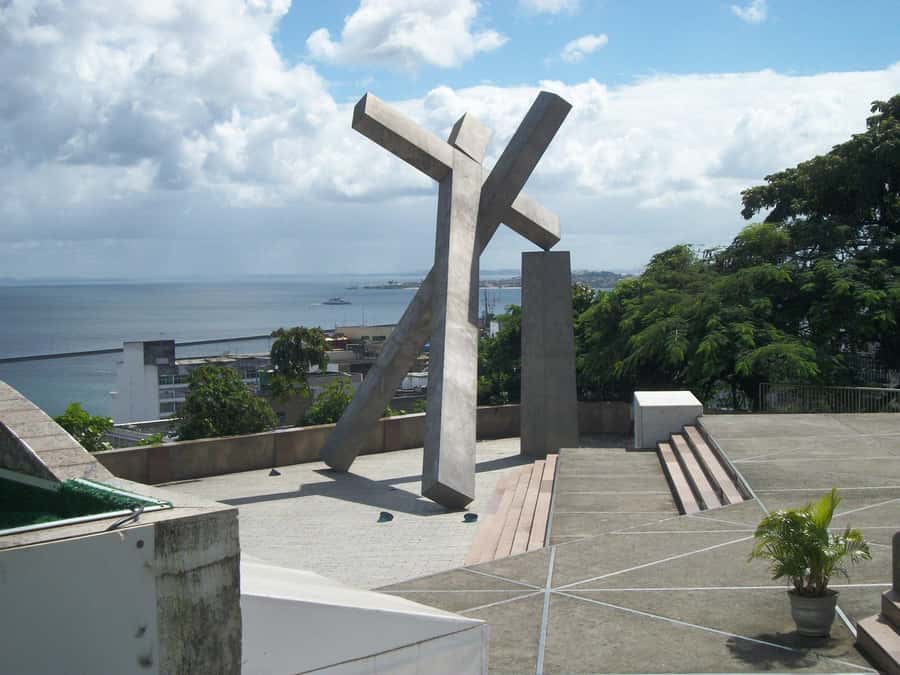
The route includes Praça da Cruz Caída, a square with views toward the ocean. This is a welcome change of rhythm after the city buildings and narrow historic streets.
The view gives you a chance to pause and understand Salvador as a coastal city, not only as a collection of old churches and mansions. Bring your camera, but listen to the guide here too. The location can help connect the historic center to the harbor and the city’s long relationship with the sea.
This stop also adds breathing room to the walk. Two and a half hours can feel long if every minute is spent moving between buildings. A viewpoint gives you a natural place to stop, look around, and ask questions.
Still, the tour does not state how long the group stays at Praça da Cruz Caída. If ocean scenery is your main goal, this is one viewpoint within a history-led route, not a dedicated coastal excursion.
More walking tours:
- Salvador: Walking Tour Through Pelourinho
★ 5.0 · 49 reviews - Salvador, Bahia: A amazing Walking Tour!
★ 5.0 · 14 reviews - Rio de Janeiro: Rocinha Favela Walking Tour with Local Guide
★ 4.8 · 3,052 reviews - Rio De Janeiro: Half-Day Rocinha Favela Walking Tour
★ 4.7 · 2,272 reviews
Pelourinho’s 17th and 18th-century mansions
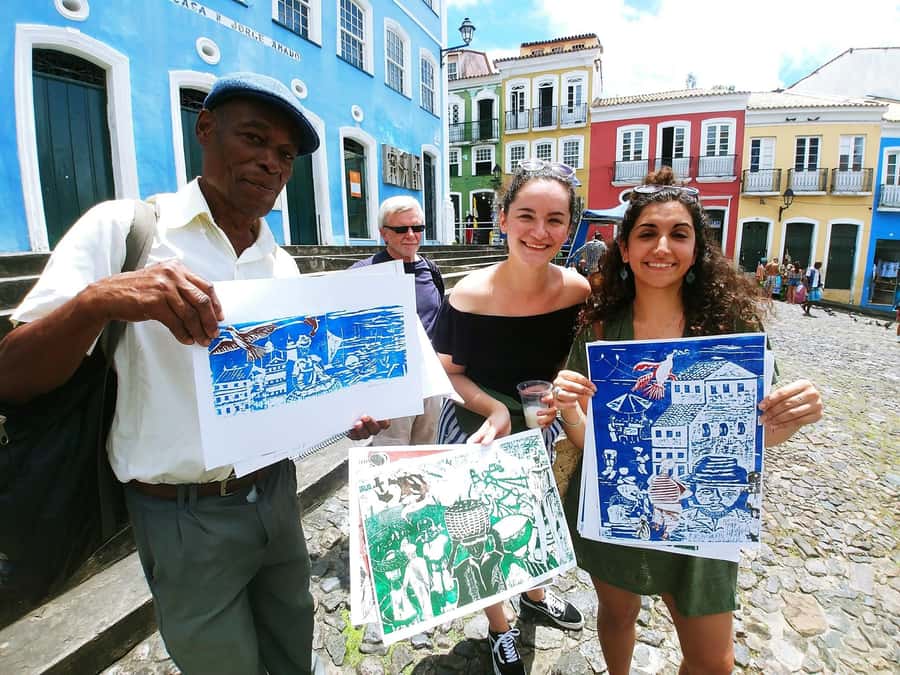
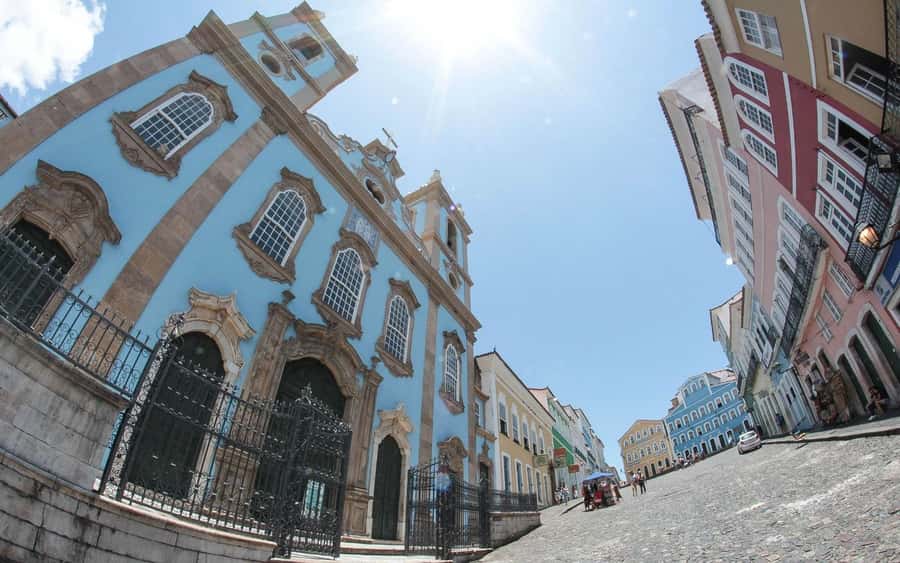
From the viewpoint, the walk continues into Pelourinho. This is the part most people picture when they think of Salvador’s historic center: colorful colonial facades, formal squares, carved details, and streets lined with mansions from the 17th and 18th centuries.
The architecture is attractive, but the guide’s job is to explain what sits behind the decoration. Pelourinho’s importance comes from the way its buildings, religion, commerce, social structure, and painful past are tied together.
The term Pelourinho refers to the old pillory, a reminder of the colonial system and the violence carried out under it. The tour description does not spell out every historical topic, so the depth may depend on the guide. Still, the walk is designed to address Salvador’s culture, beliefs, ethnic mix, and place in Brazilian history.
That context matters. Without it, the neighborhood can become a pretty street set. With it, the buildings become evidence of who held power, who built the city, and how African and European traditions shaped Bahia.
One of the strongest aspects of the route is its attention to Salvador’s Afro-Brazilian identity. The supplied details refer to the city’s mixture of ethnic groups, cultures, and beliefs, and the tours are praised for discussing history, religion, and local life.
I would pay close attention to the guide’s examples here. Ask questions about how African traditions influenced food, music, faith, and public life. The exact scope will vary, but the small group should make those questions easier to ask.
Largo do Pelourinho and São Francisco Church
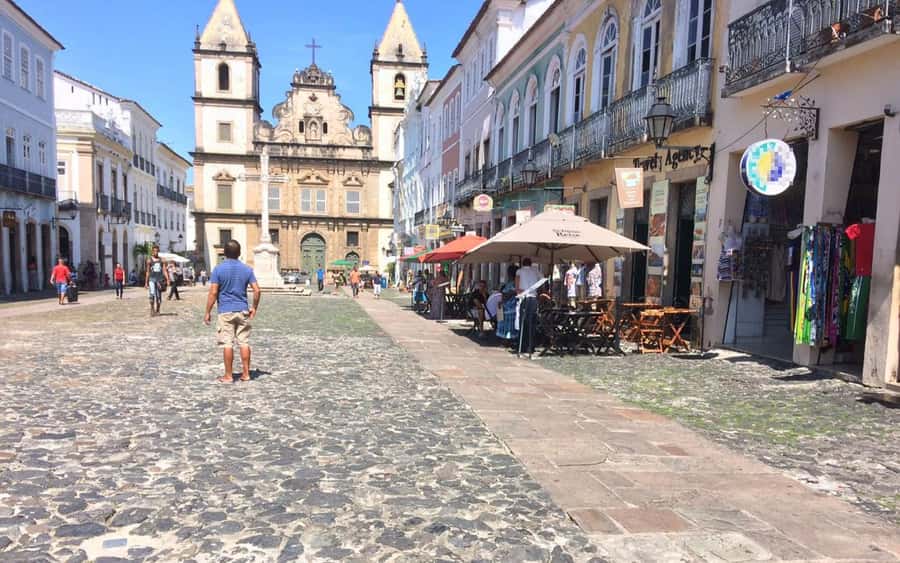
The walk continues to Largo do Pelourinho, one of the neighborhood’s best-known squares. This is where the old center’s visual appeal reaches its peak, with historic facades framing a broad public space.
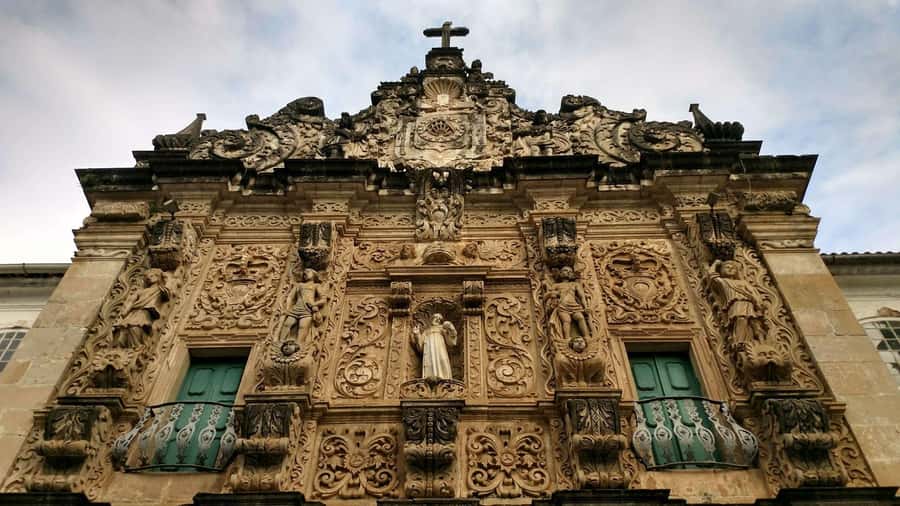
The nearby São Francisco Church adds a major baroque landmark to the route. Its ornate style is a sharp contrast to the more restrained civic buildings seen earlier. Even from outside, the church helps you see how religious institutions shaped the old city.
The tour information identifies the church as a key stop, but it does not promise entry or an interior visit. If you want to see the famous decoration inside, confirm that detail before booking or plan a separate visit. That distinction matters because an exterior explanation and an inside church tour are different experiences.
I like the sequence here. The walk starts with the city’s broad structure, adds the ocean viewpoint, then brings you into a square where architecture, religion, and popular culture meet. It feels more coherent than simply jumping from one photo stop to another.
You may also recognize these streets from Michael Jackson’s video for They Don’t Care About Us. That connection gives the area a modern cultural reference, but the guide should not let the music video overshadow the much longer story of the neighborhood.
Food, drinks, and personal questions
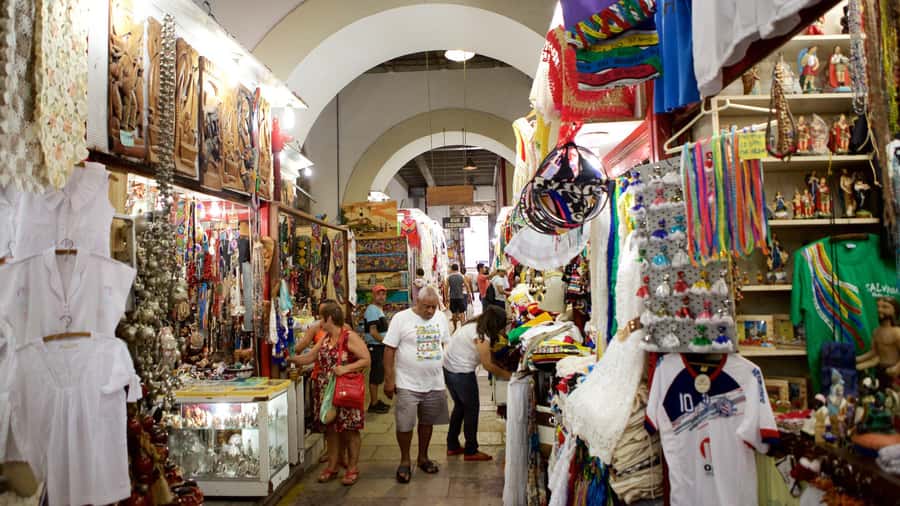
One particularly useful detail from the tour is that a guide may include tastings of local meals and drinks. This is not described as a guaranteed feature for every departure, so treat it as a possibility rather than a promise.
If tastings are included, they make the cultural discussion more concrete. Salvador’s food traditions are a major part of its identity, and trying something local can help you remember the conversation long after the architecture blurs together.
Guides have also helped people plan the rest of their stay. Eduardo offered suggestions for making the most of a short visit, while another guide helped a participant again the following day. That sort of practical advice can be worth a lot if Salvador is one stop on a tight itinerary.
Use the final part of the walk to ask direct questions. You can ask what to see next, which areas fit your interests, or how to spend another day in the city. The experience is more valuable when you treat it as an orientation session, not a performance where you only listen.
What the 4.8 rating means for you
The overall rating is 4.8 from 62 reviews, which points to a consistently positive experience. The praise centers on clear explanations, friendly guides, cultural detail, patience, and the ability to adjust the walk to personal interests.
Several guides receive specific approval. Maria is described as professional and attentive. Eduardo is praised for his personality and useful advice. Aldison received credit for strong English and good explanations of Salvador’s history, culture, and religions. Lara was praised for a visit that helped put Salvador’s place in Brazilian history into perspective.
The less positive comments are important too. Two people felt the tour cost too much for what they saw. One described it as a pleasant, leisurely stroll but wanted more sights and more substantial content.
That tells you exactly how to judge the experience. If you want a fast route through many attractions, this may feel slow and limited. If you want a conversational introduction with a guide who can explain the city and answer questions, the pace may work well.
The tour’s quality also depends on who leads it. The language choices are English, Spanish, and Portuguese, but fluency and presentation style can vary by guide. The strong feedback suggests good potential, not a guarantee of an identical experience on every date.
Is the route physically demanding?
The tour is a walking experience through the historic center. The supplied information does not give a distance, step count, or accessibility details, so I would not book it assuming an easy, flat route.
Salvador’s old center includes slopes and historic paving. You should wear shoes with a firm sole and expect some exposure to the sun. The 2.5-hour length is manageable for many people, but the combination of heat, standing, and uneven streets can make it tiring.
There is no stated hotel pickup or transport. Meet at Praça Castro Alves and expect to finish the route on foot in the historic center. Since the ending point is not specified, ask the guide where the walk concludes if you need to reach a timed reservation afterward.
Cruise passengers should allow extra time to reach the meeting point. Maria’s willingness to wait for a delayed cruise passenger was appreciated, but you should not rely on that happening every time. Contact the operator as soon as possible if your arrival changes.
Who will get the most from this Salvador walk?
I would choose this tour if you are visiting Salvador for the first time and want a clear introduction before exploring alone. It is also a good fit if you care about history, religion, architecture, local food, and the cultural forces that shaped Bahia.
The small group suits you if you prefer to ask questions. English, Spanish, and Portuguese coverage makes the walk useful for a wide range of visitors, and the guide may be able to adjust the discussion to your interests.
I would be more cautious if you already know Pelourinho well or want a packed sightseeing schedule. The route includes several important places, but it is not presented as a full museum circuit or an all-day city tour.
For a deeper focus on African heritage, you may want a separate Afro-Brazilian roots or African culture tour. For islands and beaches, a schooner trip to Frades Islands and Itaparica is a different choice entirely. This walk is best for the historic center itself.
Booking is flexible, with cancellation allowed up to 24 hours before the experience for a full refund, and a reserve-now, pay-later option is available. Check the current terms when booking, since policies and prices can change.
Should you book the Pelourinho walking tour?
Book it if you want a friendly, small-group introduction to Salvador with strong cultural explanation and practical advice for the rest of your visit. The route covers Rio Branco Palace, the Lacerda Elevator, Praça da Cruz Caída, Largo do Pelourinho, São Francisco Church, and the surrounding historic streets in a sensible order.
I would especially recommend it for a first day in Salvador. You can learn the basic layout, hear why the buildings matter, and use the guide’s suggestions to plan the next few days.
Skip it if your priority is maximum sightseeing per hour or guaranteed interior access to churches and civic buildings. The critical point is value: the guide’s attention and interpretation may make the booking worthwhile, but some people felt the number of sights did not match the price.
FAQ
How long does the Salvador Historic Walking Tour last?
The tour lasts 2.5 hours.
Where does the tour meet?
The meeting point is in front of Cine Metha at Praça Castro Alves. The approximate coordinates are -12.977218627929688, -38.51432800292969.
Which languages are available?
The live guide service is available in English, Spanish, and Portuguese.
How many people are in the group?
The tour is offered as a small-group experience limited to 10 participants.
Which landmarks are included?
The route includes Rio Branco Palace, the Lacerda Elevator, Praça da Cruz Caída, Largo do Pelourinho, São Francisco Church, and the historic streets of Pelourinho.
Does the tour include ocean views?
Yes. The route stops at Praça da Cruz Caída, where you can enjoy views of the ocean.
Is food or drink tasting included?
A guide may include tastings of meals and drinks, but this is not stated as a guaranteed feature for every departure.
Can I cancel for a full refund?
You can cancel up to 24 hours in advance for a full refund. A reserve-now, pay-later option is also available.
Just added around Salvador
- From Salvador: Schooner Tour to Frades Island★ 3.9 · 3 reviews
- From Salvador: Quilombo Heritage Daytrip with Lunch★ 3.4 · 3 reviews
- Salvador: Caipirinha Masterclass with Unlimited Drinks★ 4.2 · 4 reviews
- Salvador: Schooner Cruise with Pickup and Itaparica Stop★ 3.8 · 5 reviews
- BOXE CLASS – EX BAHIAN CHAMPION (SALVADOR-BA)★ 5.0 · 7 reviews
- Salvador by Night: Pelourinho & Old Town Tour★ 4.3 · 8 reviews
- Salvador: Traditional Drumming and Percussion Workshop★ 4.4 · 10 reviews
- Salvador: 3-Hour Percussion Class★ 4.9 · 10 reviews
Historical Tours, compared.



Scenic Train ride to historical cities of Morretes and Antonina
Read our review →
From Foz do Iguazu: Triple Frontier Landmark Ticket
Read our review →
Explore Little Africa : Unveiling Afro Heritage in Rio de Janeiro
Read our review →
Downtown-Center History Walking Tour – in English
Read our review →Browse the lists this tour appears in