
Reviewed · CACHACA & CAIPIRINHA TASTINGS
Salvador: Caipirinha Masterclass with Unlimited Drinks
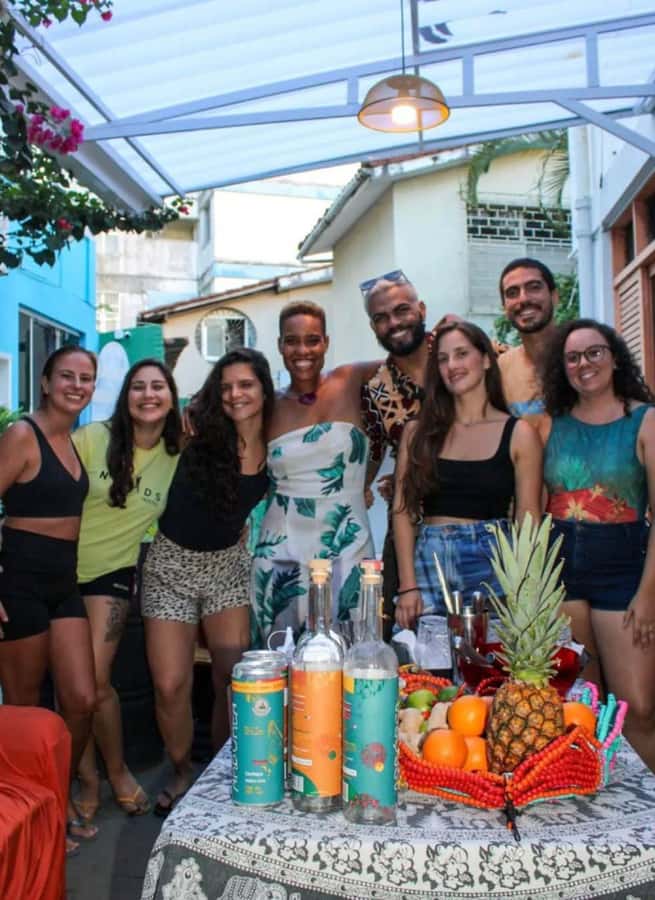
Cachaça turns a simple drink into a story. In Salvador, this 150-minute caipirinha masterclass goes beyond mixing lime, sugar, ice, and liquor. You learn where cachaça comes from, how it is made, and how Brazilian drinking customs shape the way the drink is prepared and enjoyed. I like the mix of cultural background and hands-on practice, especially since you get to try different flavors and methods rather than watch a demonstration from the sidelines.
I also like the generous tasting element: after learning the technique, you can enjoy unlimited caipirinhas during the session. The main caution is communication and coordination. Delphine praised the setting, explanations, and the instructor’s kindness, but noted that the booking details did not reach the host smoothly. Confirm the meeting arrangements before you go, and remember that you will be standing for most of the class.
In This Review
- Key points to know before booking
- Why a caipirinha class makes sense in Salvador
- Meeting at Hostel Nomads
- The opening lesson: cachaça, Brazil’s sugarcane spirit
- Making a caipirinha instead of merely ordering one
- Comparing flavors and preparation styles
- Unlimited caipirinhas and the real value of $20
- The instructor and the feel of the class
- Who should book this Salvador experience
- Practical planning for the 150-minute session
- Should you book the caipirinha masterclass?
- FAQ
- Where does the caipirinha class meet?
- How long does the experience last?
- Are drinks included in the price?
- Is food included?
- What is the minimum age to join?
- Can I cancel for a full refund?
Key points to know before booking
- Cachaça takes center stage: Learn about Brazil’s national spirit, including its varieties, production methods, and place in local drink culture.
- You make the drinks yourself: The workshop teaches practical preparation skills, not just the background behind the caipirinha.
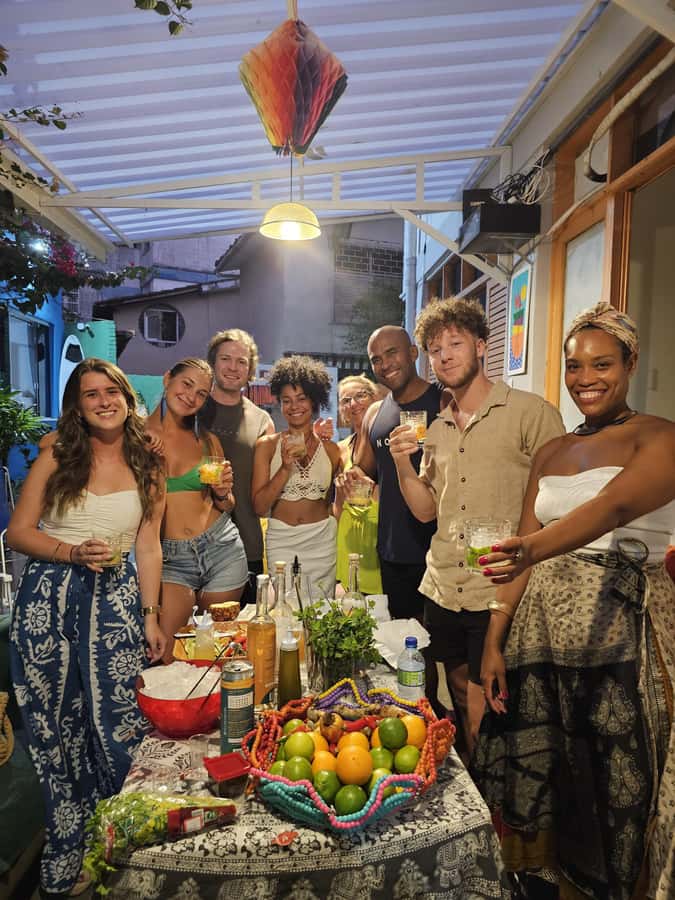
- Unlimited tasting is included: Once you have learned the method, you can sample caipirinhas as many times as you want during the experience.
- Different flavors are part of the lesson: You get to compare variations and preparation techniques.
- The class begins at Hostel Nomads: Transportation is not included, so plan your own way to the meeting point.
- It suits adults who can stand: You must be at least 18, and the activity is not suitable for pregnant women, children, or people with back problems.
Why a caipirinha class makes sense in Salvador
Salvador is a good place to learn about caipirinhas because the drink is not treated as a generic holiday cocktail. It is tied to Brazilian ingredients, social habits, and the distinctive character of cachaça.
The familiar version uses cachaça, lime, sugar, and ice. Yet the spirit can vary in taste depending on its production and aging. This class gives you a chance to understand that difference instead of assuming every caipirinha is the same drink in a different glass.
I like that the focus begins with cachaça rather than jumping straight to cocktail making. If you only learn a recipe, you leave knowing how to copy one drink. If you learn about the base spirit first, you have a better sense of why different bottles and methods produce different results.
The cultural side matters, too. The workshop looks at how caipirinhas are prepared and consumed in Brazil, giving the drink a place in everyday life rather than presenting it as a souvenir trick. That makes the session useful for anyone who wants a small but meaningful connection to Brazilian food and drink traditions.
More cachaca and caipirinha tastings:
- Rio: Pub Crawl in Lapa with Cachaça Tasting and Live Samba
★ 4.7 · 881 reviews - Paraty: Jungle Waterfalls and Cachaça Distillery Jeep Tour
★ 4.7 · 491 reviews - Rio: Caipirinha Workshop and Samba Class
★ 4.8 · 113 reviews
Meeting at Hostel Nomads
Your starting point is Hostel Nomads. Since transportation to and from the activity is not included, you need to make your own way there and arrange your return afterward.
The meeting point is simple, but booking communication deserves attention. Delphine specifically noted a problem with passing the reservation information to the instructor. That does not sound like a flaw in the lesson itself, but it can create an awkward start if the host is not expecting you.
I would keep your booking confirmation handy and arrive with enough time to find the meeting point. The available information does not give a precise arrival time, group size, or exact starting schedule, so check the current time options before paying.
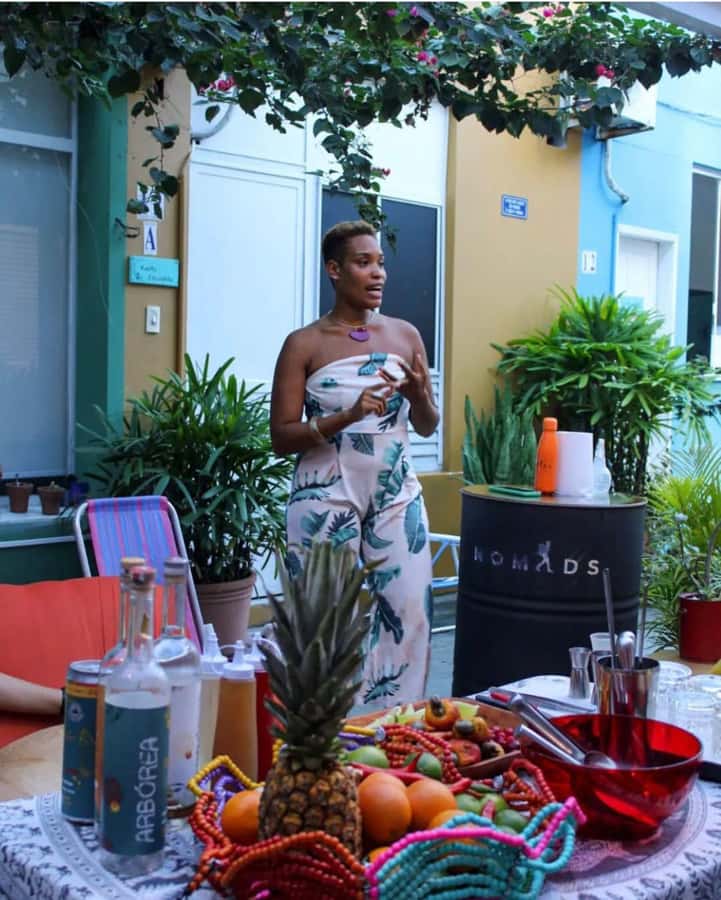
Once the class begins, the hostel setting appears to be part of its appeal. Delphine liked the location, the explanations, and the instructor’s friendly manner. You should expect a social workshop rather than a formal spirits course in a laboratory-style setting.
The opening lesson: cachaça, Brazil’s sugarcane spirit
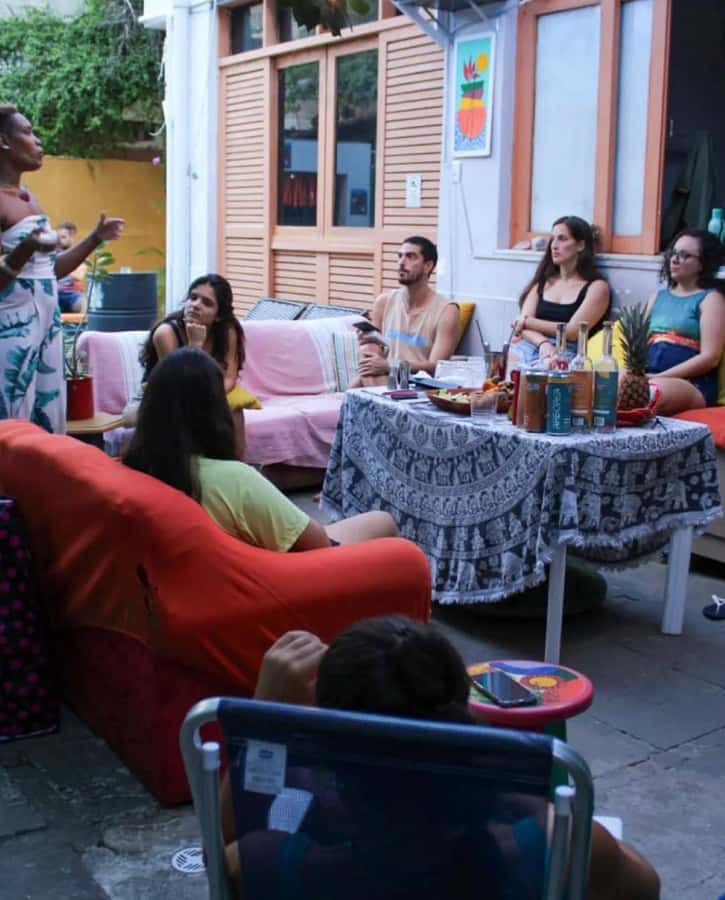
The first part of the class introduces cachaça, the main ingredient in a caipirinha. You learn about its varieties, how it is produced, and its history.
This is the foundation of the session. Cachaça is sometimes treated by outsiders as simply a substitute for vodka or rum, but that misses the point of the drink. The workshop helps you understand that the spirit has its own production story and flavor range.
The class does not appear to be limited to a single bottle or a single formula. Instead, you explore different types of cachaça and consider how the choice of spirit changes the final drink. That is especially useful if you plan to order caipirinhas later in Brazil and want to make more informed choices.
I would pay close attention during this section even if you are mainly there for the drinks. The background makes the practical portion more interesting. You will know what you are tasting and why one version may seem smoother, sharper, sweeter, or more distinctive than another.
The exact depth of the production lesson may depend on the instructor and the group. The available details promise an introduction to production processes and history, not a technical distillery tour. Expect useful context, not an industrial lecture.
Making a caipirinha instead of merely ordering one
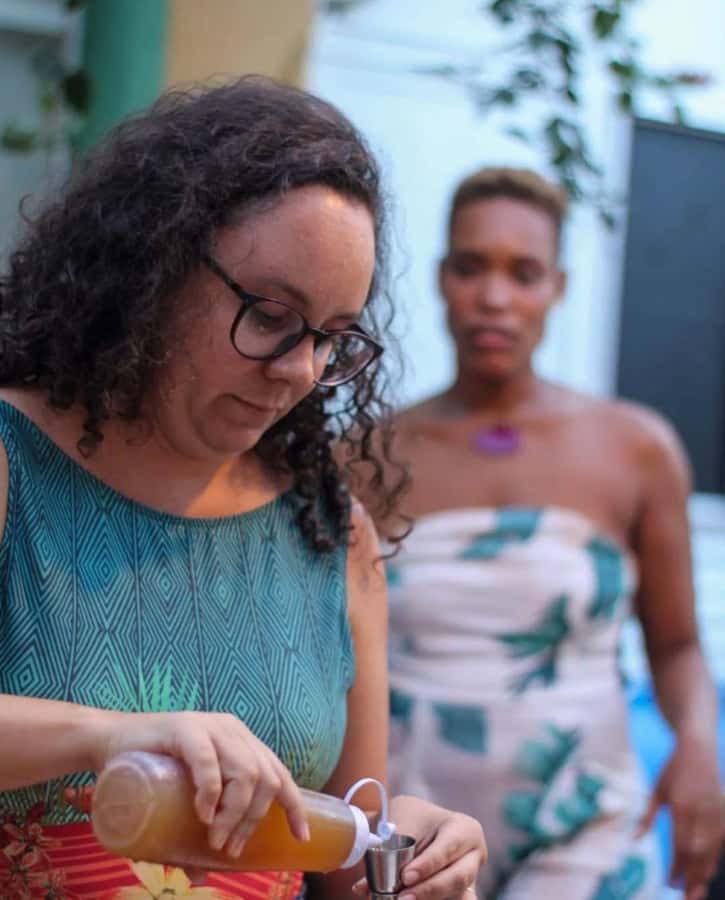
The hands-on portion is the heart of the experience. You learn how to prepare a caipirinha in an authentic and professional way, then try different flavors and preparation techniques.
That practical angle gives the $20 price its strongest value. A standard drink can cost a fair amount in a tourist area, but this workshop gives you instruction, tasting, and repeated chances to practice. You are paying for a skill as well as alcohol.
The class should help you see how small choices affect the result. The balance of spirit, fruit, sweetness, ice, and preparation style matters. You may be shown more than one approach, which lets you compare the character of each drink rather than accept one recipe as the only correct answer.
I like this format because it encourages you to take part. You are not simply seated while someone explains Brazilian cocktails. You handle the preparation and learn through repetition. That also means you should wear comfortable shoes, since the information says you will be standing for most of the 150 minutes.
Comfort is not a minor detail here. Standing while tasting alcohol can become tiring, especially in warm weather or after a full day of sightseeing. People with back problems are advised not to take part, and that restriction makes practical sense for a workshop built around standing and preparation.
A few more trips worth weighing up before you book
- From Salvador: Schooner Tour to Frades Islands and Itaparica
★ 3.9 · 98 reviews - Afro-Brazilian Roots Private City Tour in Salvador
★ 4.7 · 88 reviews - Salvador Historic Walking Tour – Pelourinho
★ 4.8 · 62 reviews - Salvador de Bahia African Culture Tour
★ 4.5 · 60 reviews
Comparing flavors and preparation styles
The tasting section gives you a chance to move beyond the classic lime version. You sample different caipirinha flavors and compare how preparation techniques affect the drink.
The supplied details do not name the fruits or flavors, so I would not book this expecting a specific menu. What you can count on is variety, not a particular set of ingredients.
That uncertainty is not necessarily a weakness. It leaves room for the instructor to work with what is available and show the broader idea behind Brazilian cocktail making. The point is to learn how the drink can change, not to collect a fixed list of recipes.
For you, the best approach is to taste carefully rather than rush toward the unlimited-drinks promise. Compare one version with another. Notice how the fruit, sweetness, and cachaça work together. The more attention you give the early samples, the more useful the later drinks become.
This part also makes the class suitable for people with different levels of cocktail experience. Beginners get a clear starting point, while more experienced drink makers can focus on balance and technique. Still, it is a social workshop, not a professional bartender certification course. The promise is practical skill, not a formal qualification.
Unlimited caipirinhas and the real value of $20
All-you-can-drink caipirinhas are included after you learn the method. You can taste them as many times as you want during the session.
At $20 per person, that is a strong deal for an adult who enjoys both cocktails and instruction. You receive a 150-minute activity, background on cachaça, a preparation workshop, different flavors, and unlimited drinks. Even if you do not drink heavily, the lesson and tastings give the price reasonable value.
But unlimited alcohol should not be the only reason to book. The activity works best when you treat the drinks as part of the class, not as a race. Drinking several caipirinhas while standing can catch up with you quickly, and the experience is more enjoyable when you pace yourself.
Food is not included. Eat beforehand or plan a meal afterward, especially because the class lasts two and a half hours and does not provide a food pairing. Since transportation is also excluded, you should budget for both your own meal and getting to and from Hostel Nomads.
The unlimited format is most valuable for someone who wants to compare styles and practice more than once. If you only want one quick drink, a normal bar stop may be simpler. If you want a lesson with plenty of tasting built in, the price is easier to justify.
The instructor and the feel of the class
The instructor is an important part of this activity. The strongest praise focuses on a joyous teaching style, a fun environment, and a kind, friendly manner.
That tone matters in a class involving alcohol. A stiff or overly technical lesson could make the activity feel like work. A warm instructor can help beginners relax, ask questions, and try the preparation without worrying about getting every step perfect on the first attempt.
One Italian participant praised both the teacher and the translator. That suggests language support may be available in some sessions, but the supplied details do not clearly state the regular teaching languages. If language is important to you, confirm it before booking rather than assuming a translator will always be present.
The instructor also has to manage the tasting responsibly. The class description does not provide a specific alcohol policy beyond the prohibition on smoking and alcoholic drinks in a vehicle. Since there is no vehicle portion listed, the vehicle rule may relate to associated arrangements rather than the workshop itself. In practical terms, focus on the clear rule: you must be 18 or older, and the experience is for adults.
Who should book this Salvador experience
I would recommend this class to adults who want a social activity with a strong local food-and-drink angle. It suits curious beginners, cocktail fans, and people who like learning a recipe they can repeat later.
It is also a good choice if you want something different from a standard sightseeing stop. You are not simply looking at Salvador. You are learning a Brazilian tradition through taste, preparation, and conversation.
The class may work especially well for solo visitors and small groups who enjoy meeting people in a hostel setting. The available feedback points to a cheerful atmosphere, though no group size is provided, so I would not promise an intimate lesson.
You should think twice if you do not drink alcohol, dislike standing, or want a full meal included. It is also not suitable for pregnant women, children under 18, or people with back problems.
If you are sensitive to lime, sugar, or cachaça, the available information does not describe alternative drinks. Ask the provider before booking if you need a specific dietary or nonalcoholic option.
Practical planning for the 150-minute session
Set aside the full two and a half hours. The class includes explanation, tasting, hands-on preparation, and repeated drinks, so it is not a quick drop-in cocktail demonstration.
Wear comfortable shoes. You will be standing for most of the class, and comfortable clothing will make the practical work easier.
Plan transportation on both ends. No pickup or drop-off is included, and the meeting point is Hostel Nomads. Check the start time when you choose a date, since times depend on availability.
I would also avoid scheduling an important activity immediately afterward. You may finish feeling pleasantly relaxed, but the unlimited-drinks format makes it wise to leave yourself time rather than hurry to another appointment.
Free cancellation is available up to 24 hours before the activity for a full refund. You can also reserve now and pay later, which helps if your Salvador plans are still changing.
Should you book the caipirinha masterclass?
Book it if you want to understand Brazil through one of its best-known drinks, learn a usable preparation method, and enjoy a friendly class with plenty of tasting. The $20 cost is appealing because it covers instruction, flavor samples, and unlimited caipirinhas over 150 minutes.
I would skip it if your main goal is a quiet drink, a meal, or a short activity with no standing. Also confirm the meeting details and language support in advance, since communication around the reservation has caused at least one problem and translation may vary by session.
For the right person, this is a cheerful, hands-on way to spend part of an evening in Salvador. You leave with more than a buzz: you understand what cachaça is, why preparation matters, and how to make the drink with a little more Brazilian know-how.
FAQ
Where does the caipirinha class meet?
The meeting point is Hostel Nomads in Salvador.
How long does the experience last?
The class lasts 150 minutes, or two and a half hours.
Are drinks included in the price?
Yes. All-you-can-drink caipirinhas are included, along with tastings of different caipirinha flavors.
Is food included?
No. Food is not included in the activity.
What is the minimum age to join?
Participants must be at least 18 years old, which is the legal drinking age stated for the class.
Can I cancel for a full refund?
Yes. You can cancel up to 24 hours in advance for a full refund.
Just added around Salvador
- From Salvador: Schooner Tour to Frades Island★ 3.9 · 3 reviews
- From Salvador: Quilombo Heritage Daytrip with Lunch★ 3.4 · 3 reviews
- Salvador: Schooner Cruise with Pickup and Itaparica Stop★ 3.8 · 5 reviews
- BOXE CLASS – EX BAHIAN CHAMPION (SALVADOR-BA)★ 5.0 · 7 reviews
- Salvador by Night: Pelourinho & Old Town Tour★ 4.3 · 8 reviews
- Salvador: Traditional Drumming and Percussion Workshop★ 4.4 · 10 reviews
- Salvador: 3-Hour Percussion Class★ 4.9 · 10 reviews
- From Salvador: Morro de São Paulo Tour★ 4.2 · 13 reviews
Cachaca & Caipirinha Tastings, compared.
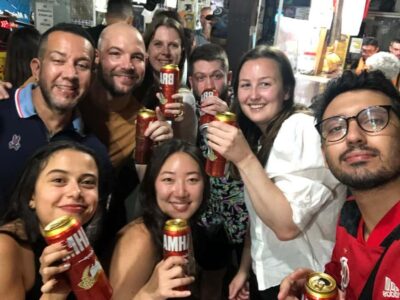
Pub Crawl in Lapa with Cachaça Tasting and Live Samba
Read our review →
Jungle Waterfalls and Cachaça Distillery Jeep Tour
Read our review →
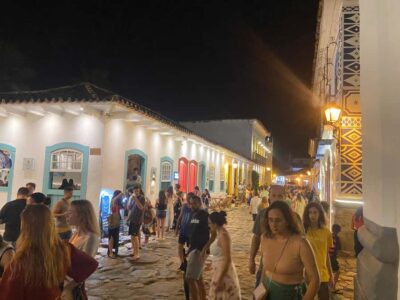

Historical Tour with Cachaça Tasting – BY PARATY TOURS
Read our review →
Rio Experience: Caipirinha Workshop (2 Caipis) + Funk Class
Read our review →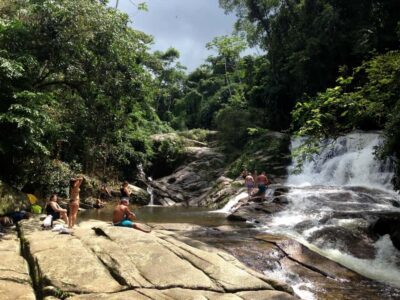
Full-Day Jungle Jeep Waterfall and Cachaça Distillery Tour
Read our review →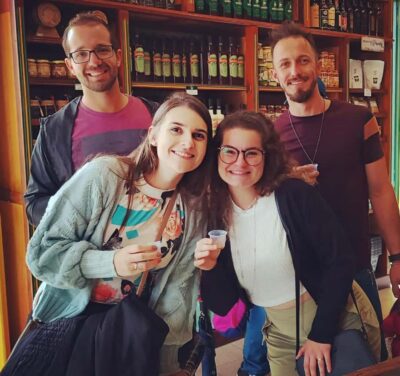
Paraty Historic District: Walking Tour with Cachaca Tasting
Read our review →Browse the lists this tour appears in