
Reviewed · CACHACA & CAIPIRINHA TASTINGS
Paraty: Historic Centre Walking Tour & Cachaça Tasting
Paraty’s stones tell better stories than guidebooks. This 90-minute walk makes the old town easier to read, from colonial trade routes to the town’s unusual Masonic symbols. I especially like the local guides, including Thiago and Chaqa, who explain the past with warmth and patience. I also like the closing taste of Cachaça Gabriela, a sweet local drink made with honey, clove, and cinnamon.
The main drawback is the uneven, slippery paving. You need sensible shoes, and an evening start can hide some of the architecture. At $19 per person, the price is fair if you want historical context rather than a quick stroll, though one visitor felt it was slightly high for a short tour.
In This Review
- Key points to know before you book
- Why Paraty makes a walking tour worthwhile
- Meeting at Santa Rita’s Church
- Reading Paraty’s colonial streets
- The Freemasonry stories are the tour’s surprise
- Four economic cycles behind one town
- Why timing matters for the architecture
- Ending with Cachaça Gabriela
- Is $19 a good value?
- Who will enjoy this walk most?
- Languages, groups, and practical planning
- My verdict on the Paraty historic centre tour
- Should you book it?
- FAQ
- How long does the Paraty walking tour last?
- Where does the tour meet?
- Where does the tour finish?
- Is the Cachaça Gabriela tasting included?
- What is Cachaça Gabriela?
- What languages are available?
- Are private or small-group tours available?
- What should I bring?
Key points to know before you book
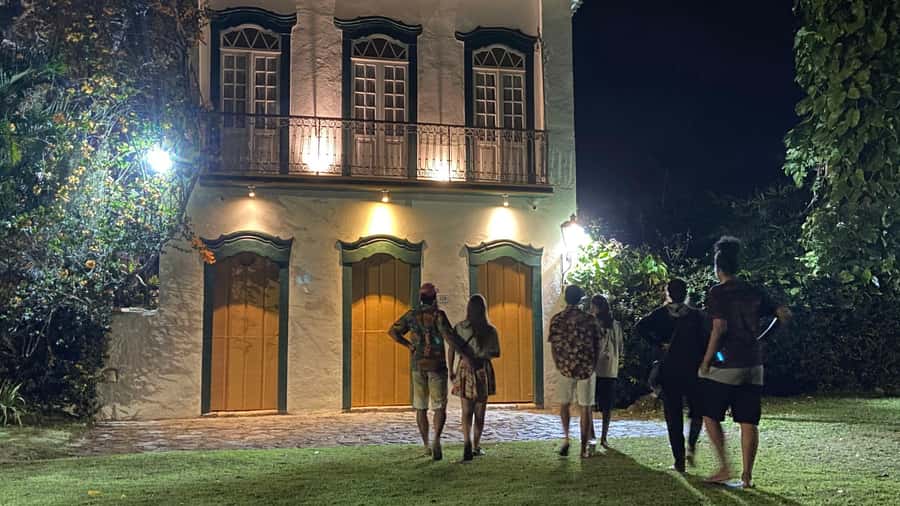
- Freemasonry gets unusual attention: The tour explains how Masonic ideas influenced Paraty’s town design and buildings.
- The route begins at Santa Rita’s Church: You meet in front of the church at Largo de Santa Rita and finish nearby.
- Cachaça Gabriela is the local finale: This Paraty specialty blends white cachaça with honey, clove, and cinnamon.
- The 90-minute length works well: You get a useful introduction without giving up half a day of sightseeing.
- English, Portuguese, and Spanish are available: Private and small-group options can make the experience more personal.
- Wear shoes with grip: The historic centre’s stone streets can become quite slippery.
Why Paraty makes a walking tour worthwhile
Paraty is easy to wander through, but it is not always easy to understand. The streets, churches, doorways, and old houses give you plenty to look at, yet the meaning behind them can be missed without someone to connect the pieces.
This tour gives you that framework. Instead of seeing the historic centre as a pretty collection of colonial façades, you learn how colonization, trade, religion, original peoples, and agricultural wealth shaped the town. The discussion covers the Gold, Sugarcane, Coffee, and Pau Brasil cycles, which helps explain why Paraty mattered far beyond its size.
The town is recognized by UNESCO as Cultural Heritage of Humanity, Gastronomy, and Biodiversity. That label is useful, but a guide makes it more tangible. You hear how Paraty’s past connects to its buildings and local food, then finish with a drink that belongs specifically to the town.
I would book this early in your stay. A good walking tour gives you a map in your head, along with a better sense of which churches, streets, and details deserve a second look later.
More cachaca and caipirinha tastings:
- Paraty: Jungle Waterfalls and Cachaça Distillery Jeep Tour
★ 4.7 · 491 reviews - Historical Tour with Cachaça Tasting – BY PARATY TOURS
★ 5.0 · 40 reviews - Full-Day Jungle Jeep Waterfall and Cachaça Distillery Tour
★ 4.1 · 14 reviews
Meeting at Santa Rita’s Church
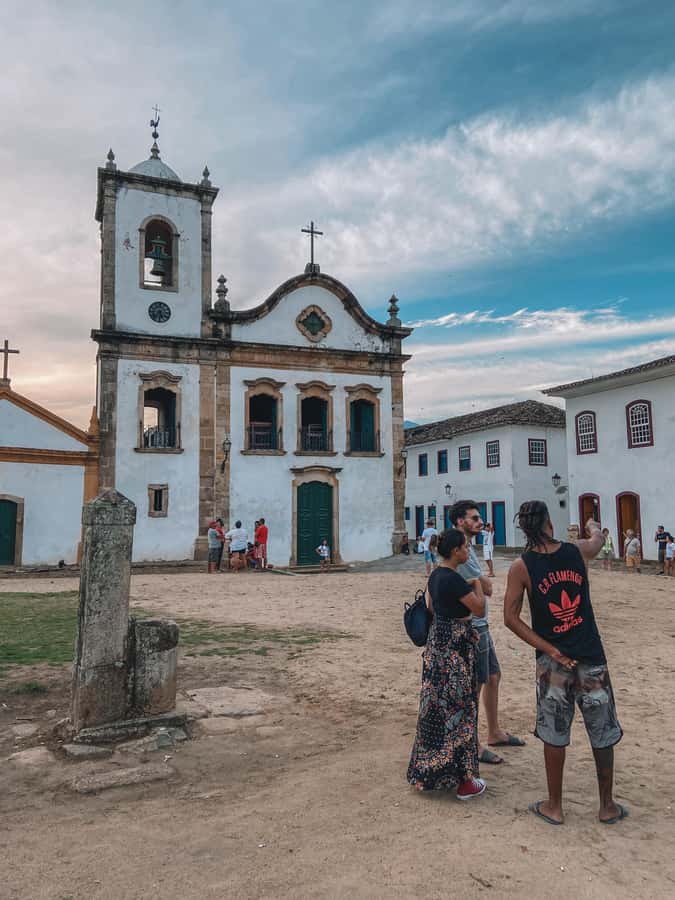
The meeting point is in front of Santa Rita’s Church at Largo de Santa Rita. This is a practical starting place because you are already at one of the historic centre’s most recognizable landmarks, rather than searching for a hard-to-find office or transport pickup.
Allow a little time to locate the church and gather before the scheduled start. The exact departure time depends on availability, so check the current options when booking.
The tour returns to Largo de Santa Rita after the walk and tasting. That makes it easy to continue exploring on foot, return to your accommodation, or stop for a meal. Food and additional drinks are not included, so plan for those separately.
Reading Paraty’s colonial streets
The main portion lasts about 90 minutes and takes place in Paraty’s historic centre. This is a walking experience, not a bus tour with distant commentary, so you can study the architecture at close range and stop when the guide points out a detail.
The guide covers the town’s colonization and the role of original peoples. That matters because Paraty’s story is not only about Portuguese buildings and export wealth. You get a wider account of the forces that shaped the settlement and the people connected to its growth.
The architecture becomes more interesting once you understand the practical reasons behind it. One visitor particularly appreciated learning about the logic behind the town’s construction. That is a useful distinction: the guide is not simply naming old buildings, but explaining why the centre looks and functions as it does.
You should expect a steady walk over old stone streets. These surfaces add much of Paraty’s charm, but they can be awkward underfoot. The activity specifically recommends comfortable footwear with good grip, and I would take that advice seriously. Smooth soles are a poor match for slippery paving, especially if the streets are damp.
The Freemasonry stories are the tour’s surprise
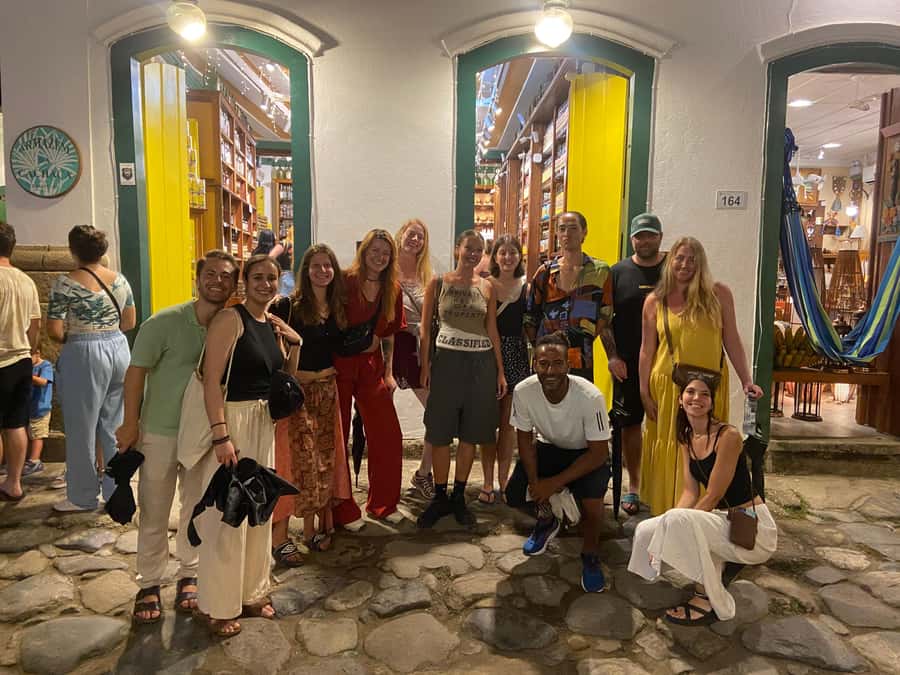
The most frequently praised subject is Freemasonry. Several people singled out this part of the tour as especially interesting, and I can see why. It offers a less familiar way to look at Paraty’s buildings and street plan.
The guide discusses the influence of Freemasonry on the town’s development and points out related details in the historic centre. You do not need previous knowledge of the subject. The value is in learning to notice symbols, alignments, and design choices that could otherwise pass as ordinary decoration.
This also gives the walk a stronger sense of discovery. Paraty’s colonial architecture is attractive on its own, but familiar beauty can blur together after a while. Masonic connections add a puzzle-like element, giving you a reason to inspect façades more closely.
Thiago received repeated praise for making this material clear and engaging. People described him as passionate about Paraty and generous with answers. Chaqa was also praised for spending extra time with a group and offering helpful suggestions for the rest of a stay. Guide quality can vary by departure, but the available feedback points to a strong emphasis on personal explanation rather than a memorized speech.
More food tours:
- Paraty Historic District: Walking Tour with Cachaca Tasting
★ 3.7 · 12 reviews - Rio: Pub Crawl in Lapa with Cachaça Tasting and Live Samba
★ 4.7 · 881 reviews - Jolimont Winery Tour – Visitation and Tasting – Canela RS
★ 4.5 · 613 reviews - Sunset Boat Tour with Beer, Water, Soda and Snacks included
★ 5.0 · 227 reviews
Four economic cycles behind one town
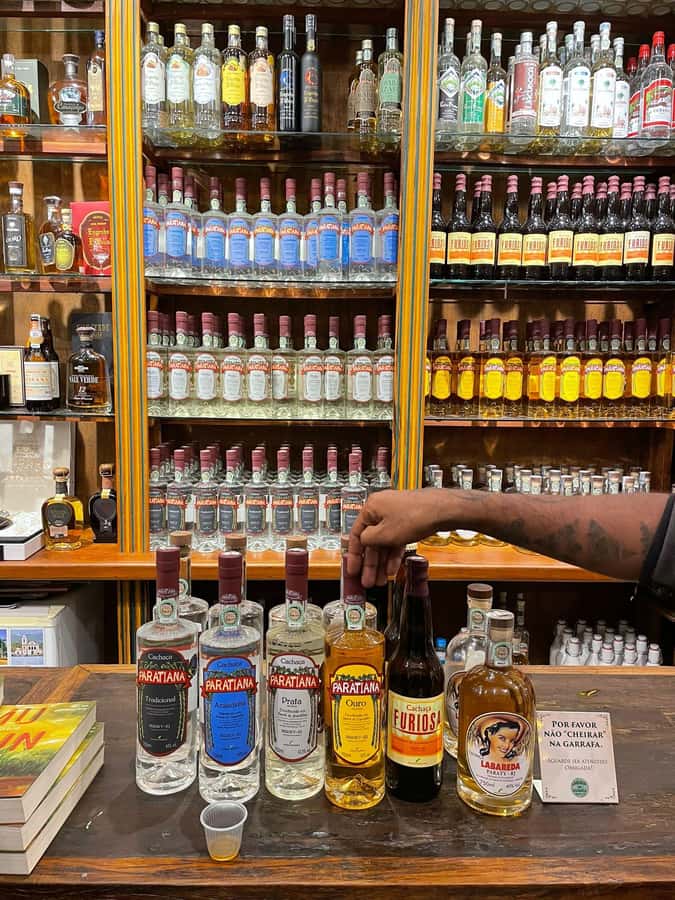
The tour also covers the Gold, Sugarcane, Coffee, and Pau Brasil cycles. This broad range helps you see Paraty as a working port and trading centre, not only as a preserved old town.
Each cycle represents a different source of wealth and pressure on the region. Gold connects Paraty to inland routes and colonial ambition. Sugarcane points to agriculture and the production of cachaça. Coffee reflects another major period of Brazilian commerce, while Pau Brasil recalls the extraction of valuable natural resources.
The guide also links these subjects to gastronomy and biodiversity. That connection is important because Paraty’s identity today is not frozen in the colonial period. The food and drink you encounter are part of a continuing local culture, while the surrounding natural setting remains part of the town’s appeal.
You will not get a university course in 90 minutes, and the subjects are necessarily selective. Still, the range is impressive for a short walk. I would expect a clear introduction with memorable stories, not exhaustive detail about every era.
Why timing matters for the architecture
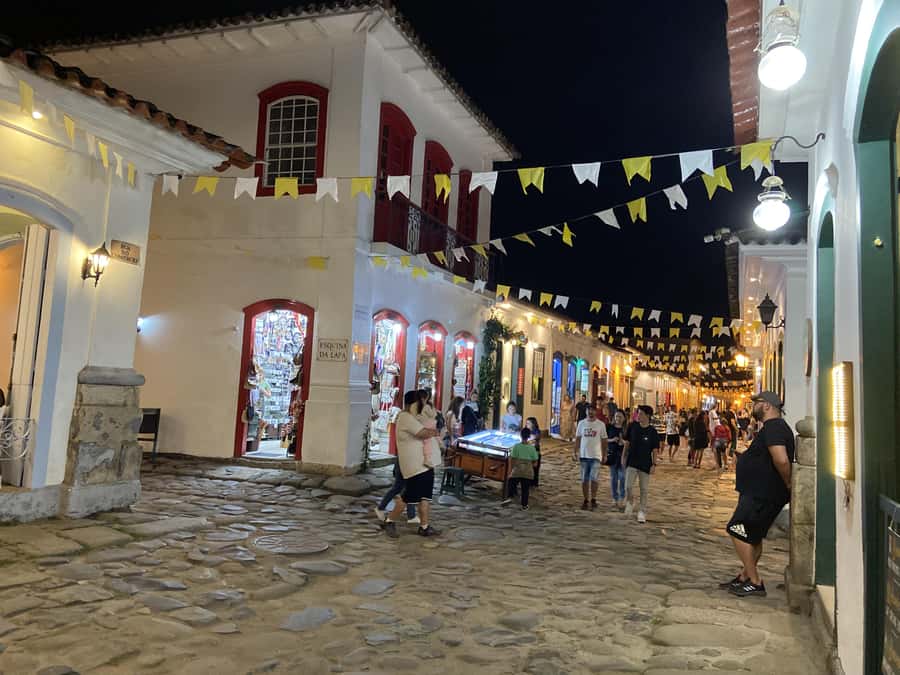
The tour can be taken at different start times, so timing deserves attention. One person specifically recommended an earlier departure because an evening walk can make it harder to see the architecture.
That is practical advice. The buildings are a central part of the experience, and you want enough daylight to inspect façades, doors, church details, and the shape of the streets. If you are choosing between an afternoon and a later start, I would choose the earlier option unless your schedule makes that impossible.
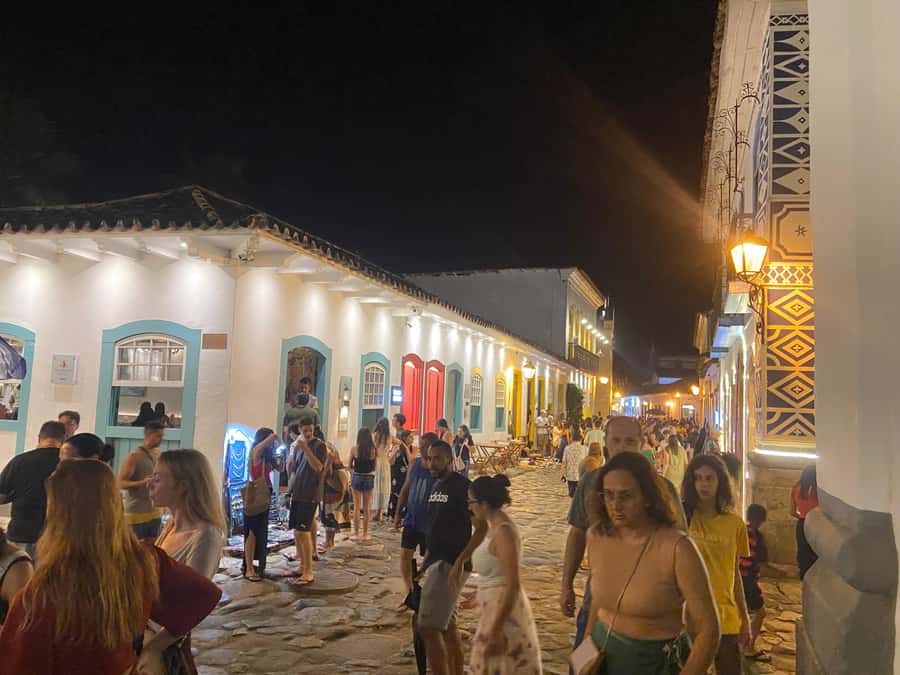
The later timing may still work if your priority is atmosphere and storytelling. But if you want the strongest visual experience, daylight wins. Paraty’s old stones may look atmospheric after dark, but atmosphere is not a substitute for seeing the details your guide is describing.
Ending with Cachaça Gabriela
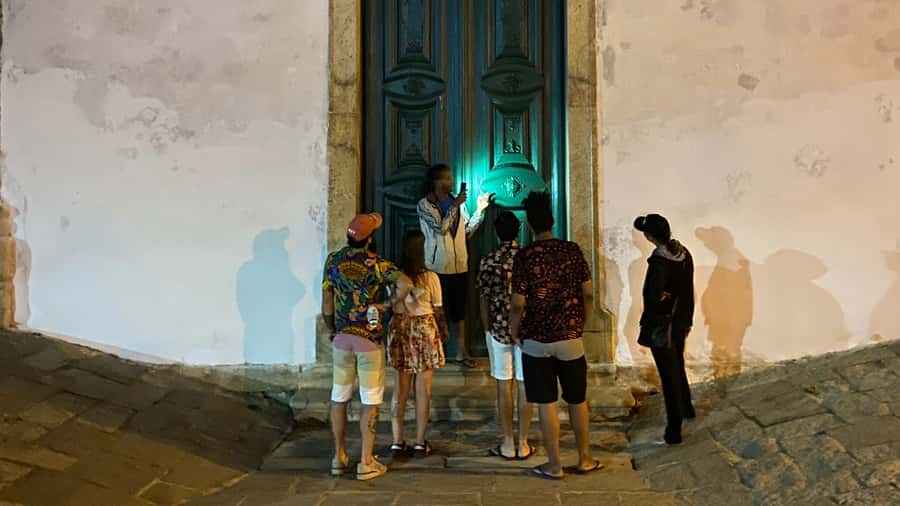
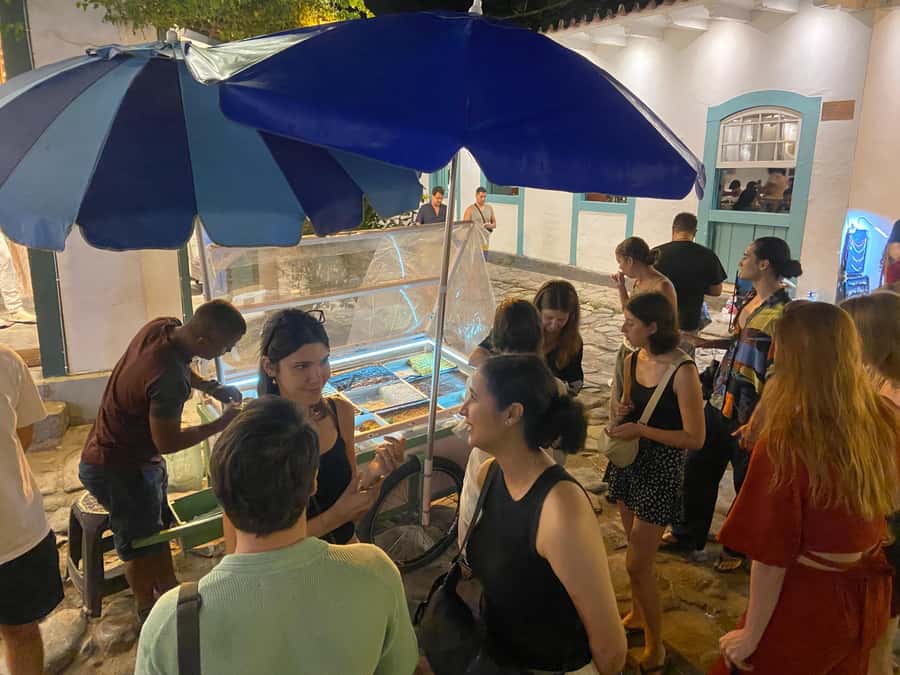
The final stop is a local bar, where you taste Cachaça Gabriela. The tasting is included, while other drinks and food cost extra.
Cachaça Gabriela is made only in Paraty, according to the tour description. It combines white cachaça with honey, clove, and cinnamon, producing a sweeter and more spiced drink than plain cachaça. It was created in honor of Gabriela, Cravo e Canela, the well-known work by Jorge Amado.
This is more than a random drink sample tacked onto a sightseeing walk. It brings the earlier discussion of sugarcane and local gastronomy into the present. You finish by tasting something tied to Paraty’s identity, rather than simply walking back to the meeting point.
The tasting lasts about 20 minutes within the overall experience. It is a modest sample, not a full food tour or bar crawl, so keep your expectations in proportion. If you want a substantial meal or several drinks, you will need to arrange that yourself afterward.
Some people may prefer a completely alcohol-free tour. The activity information does not describe a nonalcoholic alternative, so you should check with the provider if that matters to you. Pets are welcome, which is a useful feature for people exploring Paraty with a dog, though the slippery streets still require care.
Is $19 a good value?

At $19 per person, the tour sits in the reasonable range for a guided 90-minute experience, especially if you value context and questions. You are paying for a professional local guide, a walk through the historic centre, and a Cachaça Gabriela tasting.
The price is less convincing if you only want to see the streets. Paraty’s centre can be explored independently, and a self-guided walk costs nothing beyond your time. The tour earns its fee through interpretation: the town’s construction, Masonic influence, economic cycles, colonial past, and local drink.
One person felt the price was slightly above what the experience delivered. That is a fair caution, particularly for solo visitors comparing the cost with a free walk. Private or small-group options may offer better value if you want to ask many questions, but the available details do not specify how much those formats cost.
For two people or more, I think the price is easier to justify if you are new to Paraty and want a strong first orientation. The guide’s suggestions for the rest of your stay can also add value, particularly when someone takes time to answer questions beyond the formal route.
Who will enjoy this walk most?
I would recommend it to first-time visitors who want to understand Paraty rather than simply photograph it. History lovers should get the most from the discussion of colonization, trade, Freemasonry, and the town’s economic cycles.
It also suits people who enjoy short activities with a local food or drink element. The Cachaça Gabriela tasting gives the tour a clear ending and introduces a local specialty without requiring a separate distillery visit.
This is less suitable for anyone who dislikes uneven paving, has mobility limitations, or needs a tour designed around hearing support. The activity is specifically marked as unsuitable for people with mobility impairments and hearing impairments. It also lists age restrictions for people over 70, 75, and 95, though those overlapping notices are not clearly explained, so older participants should confirm suitability before booking.
You should also skip it if you want a relaxed, seated history talk. The core experience is a walk, and the old centre’s streets are part of the challenge.
Languages, groups, and practical planning
Guiding is available in English, Portuguese, and Spanish. That makes the tour useful for international visitors, while local Portuguese speakers can experience it in the language most natural to them.
Private and small-group formats are available. A smaller group usually matters most when you want to ask questions about architecture or Freemasonry, though the exact group size and price depend on the selected option.
Free cancellation is available up to 24 hours before the start for a full refund. You can also reserve now and pay later, which helps if your Paraty plans are still shifting. These policies are useful, but the bigger planning choice is the start time. Choose daylight if architecture is high on your list.
Bring comfortable shoes. I would choose soles with a clear grip, carry water, and avoid treating this as a chance to wear your most photogenic but slippery footwear. Food and extra drinks are not included, so leave room in your budget for whatever you want after the tasting.
My verdict on the Paraty historic centre tour
I like this experience because it gives Paraty a readable story. The guide does not stop at dates and building names. You hear about original peoples, colonial power, trade, Freemasonry, sugarcane, and the local drink that closes the walk.
The strongest feature is the human guide. Thiago was praised for his passion, clear explanations, and willingness to answer questions, while Chaqa was noted for taking extra time and offering useful advice. That personal touch can turn a pleasant walk into a genuinely helpful introduction to the town.
The tour is not perfect. Ninety minutes goes quickly, the paving demands care, and a later start may leave you missing architectural details. The $19 price is fair rather than a spectacular bargain, since independent walking is possible.
Should you book it?
Book this tour if you are visiting Paraty for the first time, want the stories behind the streets, and like finishing sightseeing with a local specialty. Choose an earlier start, wear shoes with grip, and select a small group or private option if questions matter to you.
Skip it if you already know Paraty’s history, prefer exploring alone, or have difficulty walking on uneven stone. For most able walkers, though, this is a compact and useful way to get oriented, with the Freemasonry discussion and Cachaça Gabriela tasting giving it more character than a standard old-town stroll.
FAQ
How long does the Paraty walking tour last?
The experience lasts 90 minutes, including the guided walk through the historic centre and the Cachaça Gabriela tasting.
Where does the tour meet?
You meet in front of Santa Rita’s Church at Largo de Santa Rita.
Where does the tour finish?
The experience returns to Largo de Santa Rita after the historic centre walk and tasting.
Is the Cachaça Gabriela tasting included?
Yes. A free tasting of Cachaça Gabriela is included. Other drinks and food are not included.
What is Cachaça Gabriela?
It is a Paraty specialty made with white cachaça, honey, clove, and cinnamon. It was created in honor of Jorge Amado’s work Gabriela, Cravo e Canela.
What languages are available?
The tour is available in English, Portuguese, and Spanish.
Are private or small-group tours available?
Yes. Private and small-group options are available.
What should I bring?
Bring comfortable footwear with good grip. The historic centre’s streets can be slippery. Pets are welcome.
More Walking Tours
- Rio de Janeiro: Rocinha Favela Walking Tour with Local Guide
★ 4.8 · 3,052 reviews - Rio De Janeiro: Half-Day Rocinha Favela Walking Tour
★ 4.7 · 2,272 reviews - Sunrise and Sunrise Walk Two Brothers with Local Guide
★ 5.0 · 193 reviews - Rio de Janeiro: Little Africa Heritage Walking Tour
★ 4.9 · 177 reviews
More Historical Tours
- Private walk tour of Paraty’s historical center – BY PARATY TOURS
★ 5.0 · 49 reviews - Paraty Historical City Walking Tour
★ 4.1 · 8 reviews - Rio de Janeiro: Historic Rio and Santa Teresa Half-Day Tour
★ 4.4 · 228 reviews - São Paulo: Downtown Historical Bike Tour
★ 4.9 · 191 reviews
Just added around Paraty
- Idyllic Islands Private Speedboat Tour in Paraty★ 5.0 · 3 reviews
- Paraty: Half-Day Bike Rental★ 3.6 · 3 reviews
- Paraty: A Private Speedboat Experience in Mamangua★ 5.0 · 5 reviews
- Half-Day Schooner Cruise and Snorkeling in Paraty Bay★ 3.2 · 5 reviews
- Trindade Day Trip: Nature and Sea Adventure from Paraty★ 4.6 · 5 reviews
- Paraty: Discovery Scuba Diving Experience for Beginners★ 4.7 · 6 reviews
- Paraty: Pão de Açucar Peak Trekking and Hiking Tour★ 4.6 · 6 reviews
- Paraty: Fast Boat Expedition to Saco do Mamangua★ 3.9 · 7 reviews
Cachaca & Caipirinha Tastings, compared.

Pub Crawl in Lapa with Cachaça Tasting and Live Samba
Read our review →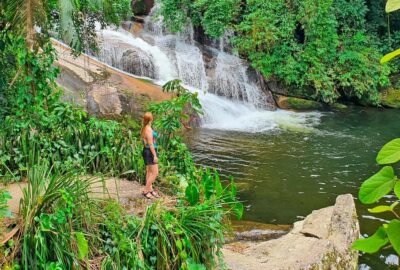
Jungle Waterfalls and Cachaça Distillery Jeep Tour
Read our review →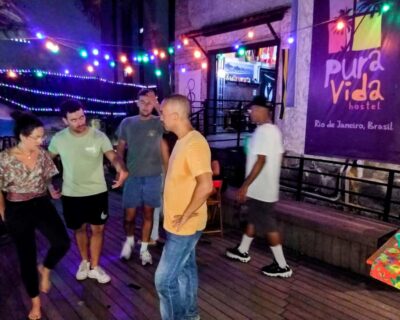
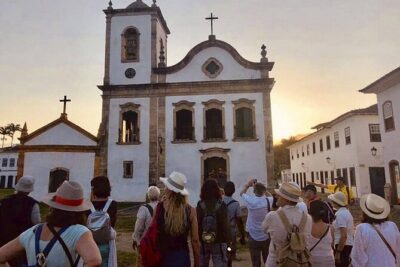
Historical Tour with Cachaça Tasting – BY PARATY TOURS
Read our review →
Rio Experience: Caipirinha Workshop (2 Caipis) + Funk Class
Read our review →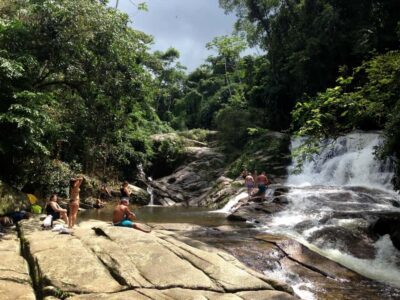
Full-Day Jungle Jeep Waterfall and Cachaça Distillery Tour
Read our review →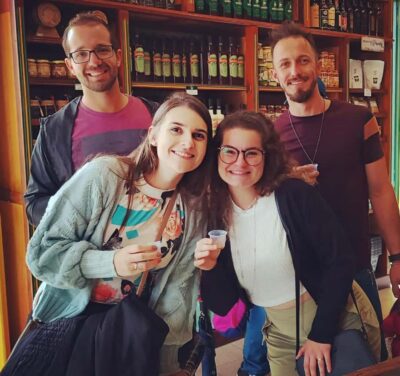
Paraty Historic District: Walking Tour with Cachaca Tasting
Read our review →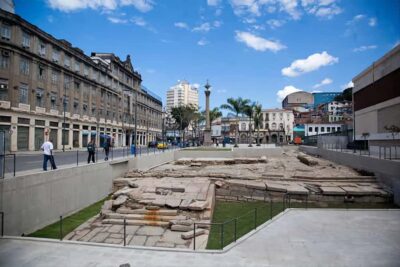
Samba Night in Pedra do Sal with 1 free caipirinha
Read our review →Browse the lists this tour appears in