
Reviewed · SALVADOR TOURS
Salvador: 4-Hour Candomblé Mysteries Tour
Salvador keeps its sacred stories close. This four-hour tour brings you into the city’s Afro-Brazilian past through museums, photography stops, a maroon community, and a Candomblé terreiro. I especially like the small private group of up to six people and the chance to learn from a guide connected to these traditions, rather than receiving only a broad sightseeing talk.
I also like the route’s clear purpose: it explains African-origin religions with respect and pushes back against old, misleading ideas. The main caution is that one participant reported paying an additional 20 Brazilian reais per person because not every entrance fee seemed to be covered, despite the stated inclusions. Confirm the admission details before setting out.
In This Review
- Key points to know before booking
- Why this Salvador tour is different
- Starting with slavery and identity at the Afro-Brazilian Museum
- Meeting Pierre Verger through photographs and film
- Dique do Tororó and Salvador’s public religious symbols
- Walking through a maroon community
- Entering a Candomblé terreiro
- Pelourinho and the city’s layered past
- Guides who make the difference
- Is $110 a fair price?
- Practical advice for a smooth four hours
- Who should book this experience?
- Should you book the Candomblé Mysteries Tour?
- FAQ
- How long does the Candomblé Mysteries Tour last?
- What is the tour price?
- Is hotel pickup included?
- Is transportation included?
- How large is the group?
- Which languages are available?
- Is the sacred oracle consultation included?
- What should I wear?
- Are food and drinks included?
- Can I cancel for a full refund?
Key points to know before booking
- A four-hour look at Afro-Brazilian Salvador: The route links the Afro-Brazilian Museum, Pierre Verger Gallery, Dique do Tororó, a maroon community, a Candomblé terreiro, and Pelourinho.
- A private group capped at six people: This gives you more room to ask questions and request adjustments to the route.
- Guides are a major strength: Monia, Fernando, Maria Nunes, and Nilson have received especially warm praise for clear explanations, cultural insight, and flexibility.
- The sacred oracle is optional: You can consult the oracle at extra cost, but it is not required to take part in the main tour.
- Dress carefully: Knees and shoulders must be covered at places of worship and selected museums. Shorts and sleeveless tops may lead to refused entry.
- Hotel or port pickup is included: Transport is by air-conditioned vehicle, with return to Salvador at the end.
Why this Salvador tour is different
Salvador is often called the Black Rome because it has the largest Black population outside Africa. That fact is not just a statistic for this tour. It helps explain why African and Indigenous influences remain so visible in Bahia’s religion, music, neighborhoods, food, art, and public life.
The tour focuses on Candomblé and related Afro-Brazilian traditions, but it is not presented as a quick mystical sideshow. Its aim is to place religious practice within the long story of slavery, resistance, survival, and cultural change. That distinction matters. You are given background before entering sacred places, which makes the visit more respectful and easier to understand.
I would choose this experience if you want more than a standard walk through Pelourinho. It is especially useful if you are curious about how African identities and beliefs continued under brutal colonial conditions, and how those traditions remain part of Salvador today.
The tour is private, and the maximum group size is six. That is a real advantage here. Religious subjects can raise personal questions, and a small group makes it less awkward to ask for clarification. It also gives the guide a better chance to adapt the conversation to your interests, as Nilson did for one participant who wanted extra cultural context and ideas for other things to do in Salvador.
A few more trips worth weighing up before you book
- From Salvador: Schooner Tour to Frades Islands and Itaparica
★ 3.9 · 98 reviews - Afro-Brazilian Roots Private City Tour in Salvador
★ 4.7 · 88 reviews - Salvador Historic Walking Tour – Pelourinho
★ 4.8 · 62 reviews
Starting with slavery and identity at the Afro-Brazilian Museum
The route begins at the Afro-Brazilian Museum, where the collection tells the story of enslaved Africans, the transatlantic trade, and the forced movement of people across the Atlantic. You will also see how people carried identities, beliefs, artistic skills, and intellectual traditions into Brazil despite the violence of enslavement.
The value of this stop is the frame it gives the rest of the morning. A Candomblé terreiro makes more sense when you understand that African religious life did not simply disappear when people were taken from their homes. Communities adapted, preserved symbols, formed new connections, and created traditions under pressure.
The collection includes objects from several parts of Africa. That detail helps avoid a common mistake: treating African culture as one single tradition. Different regions had different religious and artistic practices, and those distinctions shaped Afro-Brazilian life in varied ways.
You should expect a guided visit lasting about 30 minutes at one of the early stops. The supplied schedule does not clearly identify every unnamed location, so the exact order may vary. Still, the museum is the intellectual starting point, and you will get more from later stops if you pay attention to the links between objects, migration, and religious practice.
Meeting Pierre Verger through photographs and film
The Pierre Verger Gallery introduces the French anthropologist, photographer, and writer who recorded major parts of the history of slavery and Afro-Brazilian culture. His work includes literary, photographic, and audiovisual documentation.
For you, this stop adds a human scale to a subject that can otherwise become a list of dates and institutions. Photographs can show how people lived, dressed, gathered, and expressed identity. They also raise useful questions about who was doing the documenting and how outside observers understood Black Brazilian life.
The gallery is particularly relevant to this tour because Verger worked across cultural worlds. His records help connect Africa and Bahia, showing movement in both directions rather than presenting Brazilian culture as something made only in Brazil.
A visit of roughly 50 minutes is planned at one of the central stops. Since the published schedule leaves some stop names blank, ask your guide at pickup how the museum and gallery times will be divided. If you have a strong interest in photography, slavery, or cultural history, tell the guide early so the explanations can follow that interest.
Dique do Tororó and Salvador’s public religious symbols
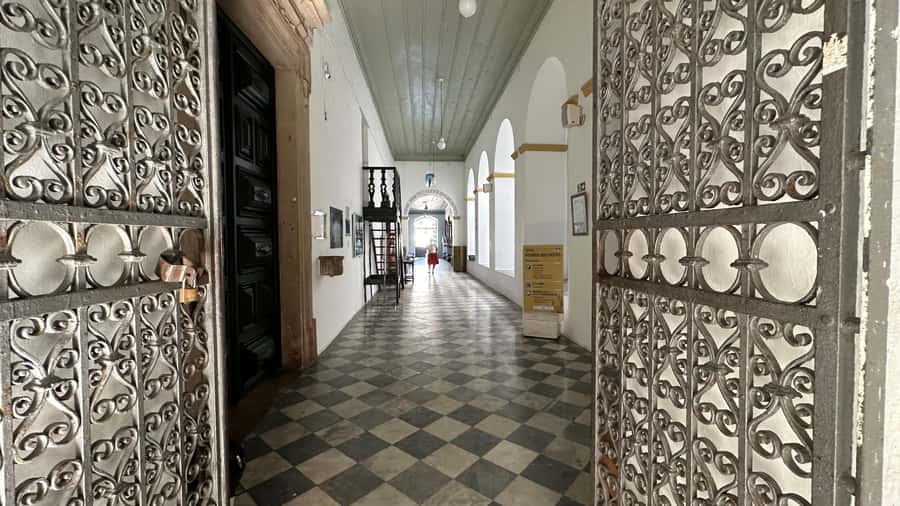
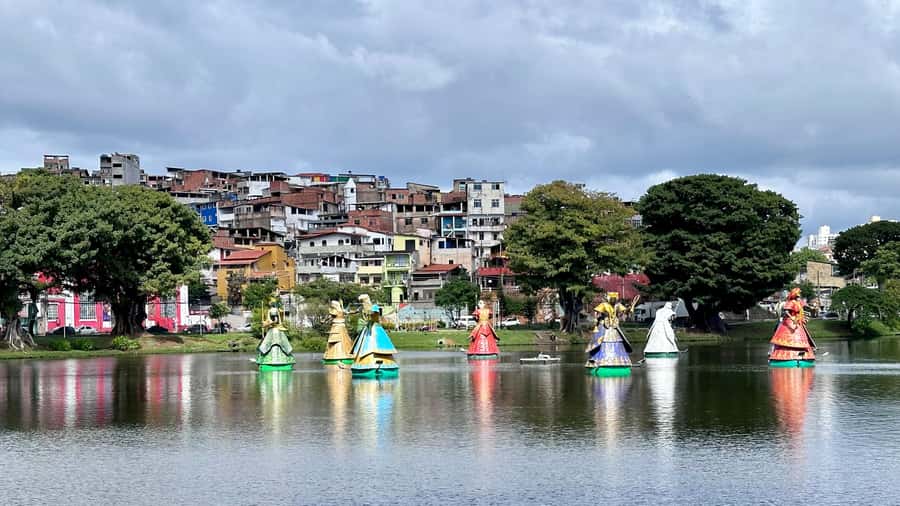
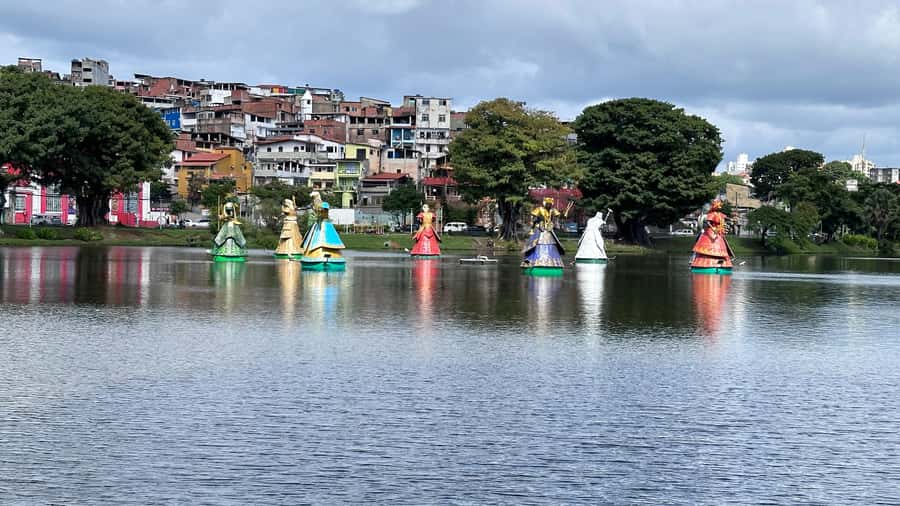
Dique do Tororó is scheduled as a short stop of about 20 minutes, with time for photographs and a guided explanation. It offers a change of pace from indoor collections and gives you a chance to see one of Salvador’s recognizable public spaces.
The stop matters because Afro-Brazilian religious imagery is not confined to museums or private worship sites. Dique do Tororó is associated with large sculptures of orixás, the divine figures honored in Candomblé. The supplied description does not specify which explanation or viewing points will be used during your visit, so let the guide connect what you see to the wider religious story.
This is also one of the easiest places to take photos during a compact tour. You will not have unlimited time, so keep your camera ready and listen for the meeting point and return time. A short stop can feel rushed if you wander off looking for a better angle.
A completely different kind of day out around Salvador:
- Salvador de Bahia African Culture Tour
★ 4.5 · 60 reviews - Salvador: Praia Do Forte and Guarajuba Beach Day Trip
★ 4.1 · 56 reviews - Salvador: Cultural Treasure – Samba de Roda.
★ 4.9 · 51 reviews - Salvador: Walking Tour Through Pelourinho
★ 5.0 · 49 reviews
Walking through a maroon community
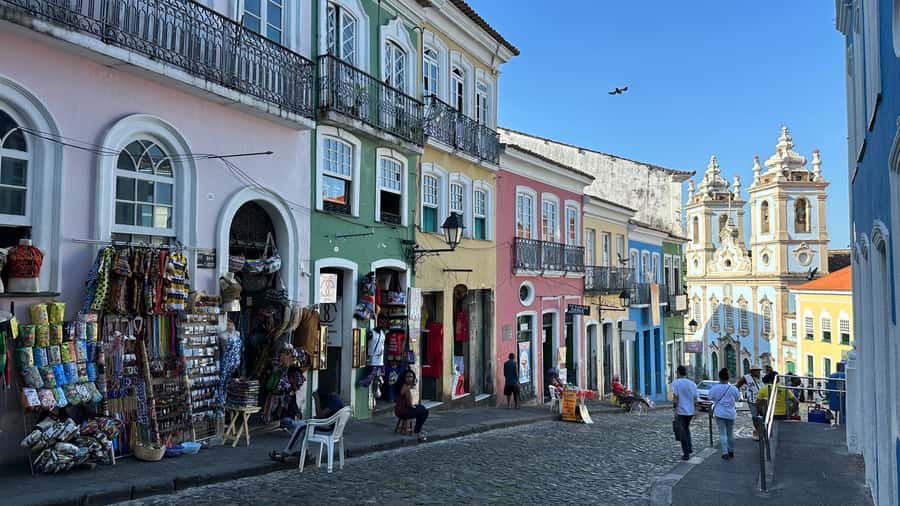
The itinerary includes a visit to a maroon community, described as a place that served as a haven for Black people and African gods during the colonial and post-abolition periods. In Brazil, maroon communities were formed by people who resisted slavery or sought freedom outside the colonial system.
This is one of the tour’s most important elements. The history of enslaved Africans is often told through plantations, ports, laws, and abolition. A maroon community shifts attention toward resistance and self-determination. It shows that Black people were not only victims within the historical record. They also built places of refuge, community, and religious continuity.
You will walk through streets shaped by the urban and cultural development of a settlement that grew from this kind of community. A guide from the community accompanies this portion, and the guide is initiated in these traditions. That local connection can add detail you would be unlikely to get from a general city tour.
The walk may be the most socially and physically active part of the experience. Wear sensible shoes, and keep your clothing suitable for entering religious spaces. Because the tour lasts only four hours, do not expect a long neighborhood exploration. The value is in seeing how history remains tied to the streets and community life.
Entering a Candomblé terreiro
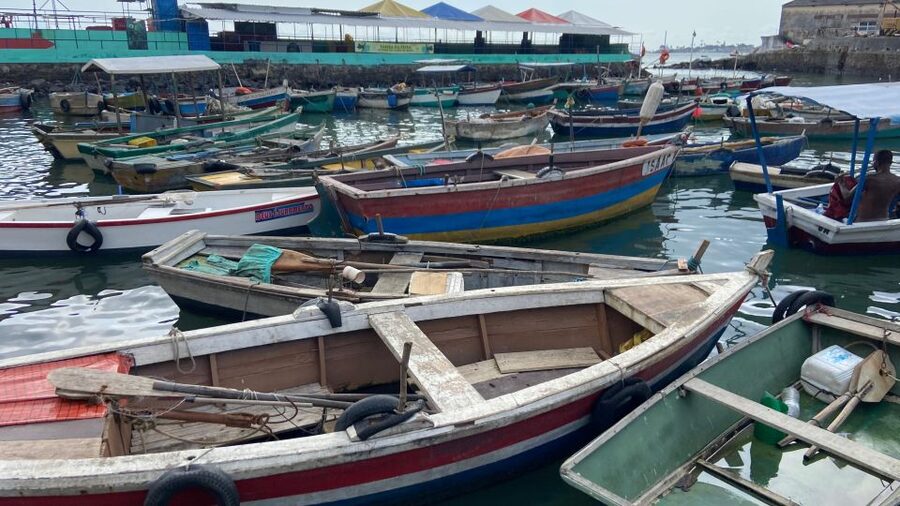
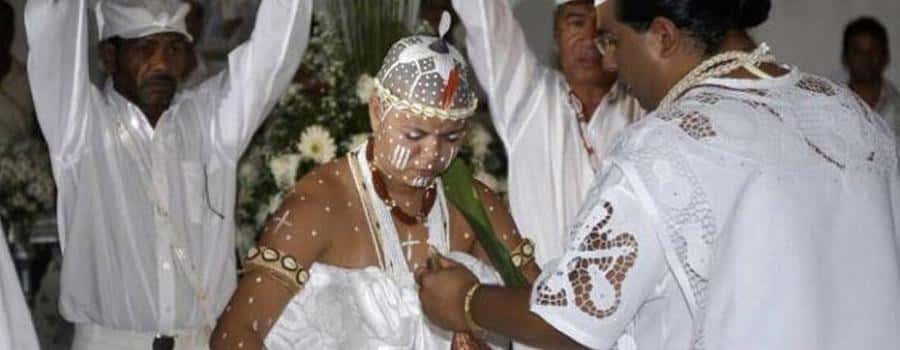
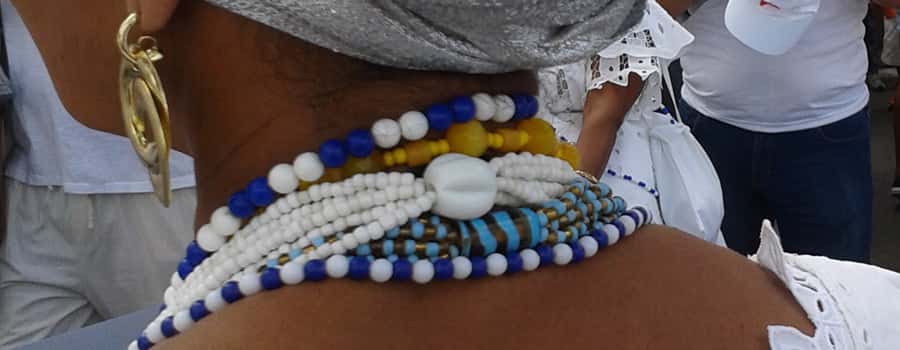
The visit to a Candomblé terreiro is the heart of the experience. This terreiro follows the Ewe-Fon nation, connected to a Daomean origin. That specific identity is important because Candomblé includes different nations and traditions, each with its own cultural background and practices.
A terreiro is not simply a tourist attraction. It is a place of worship, community, and religious life. You should arrive with curiosity and restraint. Listen carefully, follow instructions, and ask before photographing anything. The dress code is firm: your knees and shoulders must be covered, and shorts or sleeveless shirts are not allowed.
The guide’s role is especially important here. The stated purpose is to correct mistaken ideas about religions of African origin, not to turn belief into spectacle. You will get more from the visit if you treat it as a chance to understand how the tradition works on its own terms.
You may also choose to consult the sacred oracle. This is optional and costs extra, so it is not part of the $110 base price. If you are considering it, ask about the additional charge and what the consultation involves before agreeing. You should never feel that you must add it to receive the main tour.
Pelourinho and the city’s layered past
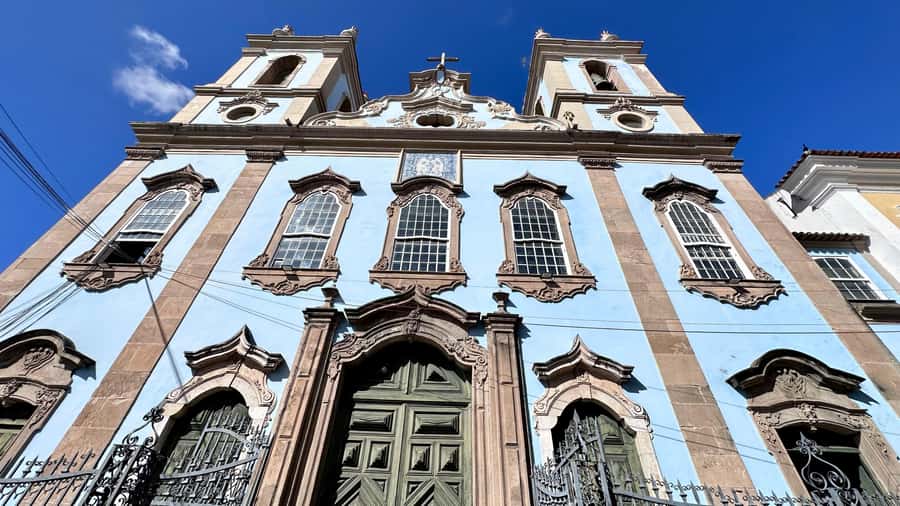
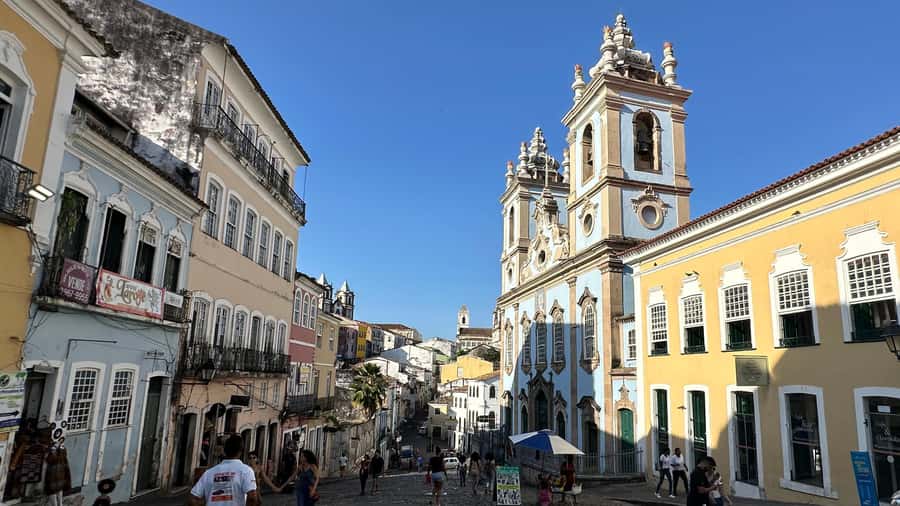
The tour ends in Pelourinho, Salvador’s best-known historic district, with about 45 minutes for a visit, photographs, and guided commentary. Its colorful colonial buildings and steep streets make it a natural place to close a tour about power, religion, enslavement, and cultural survival.
Pelourinho is also a place where the past can be easy to admire without fully understanding. Your guide can help connect the buildings and public spaces to the people who built, occupied, and transformed them. That makes the stop more than a final photo opportunity.
The timing is useful but limited. You will have enough time for a focused look and some pictures, not a full exploration of every church, museum, and lane. If you want to return later, ask your guide for suggestions. Nilson was praised for offering practical ideas for further sightseeing, and that kind of local advice can help you use the rest of your time in Salvador well.
Guides who make the difference
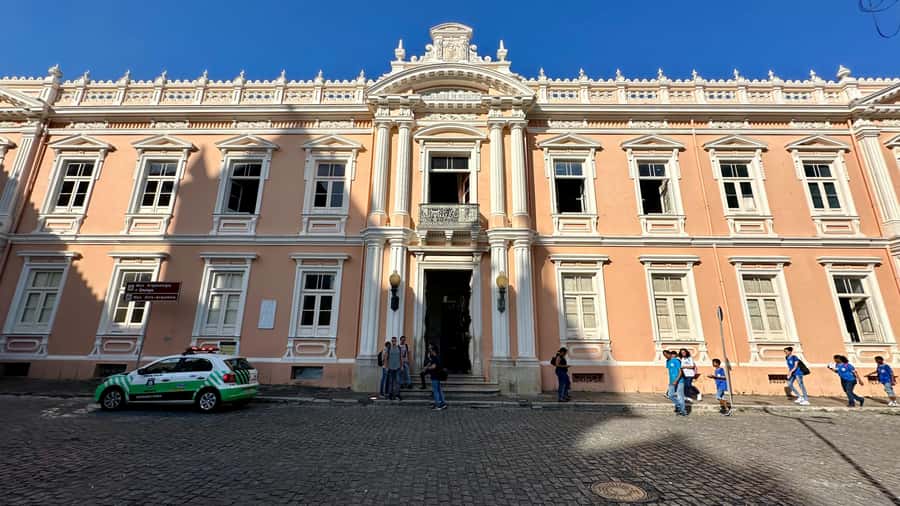
The guide can make or break a tour built around sensitive history and living religion. Several named guides have received strong praise for their explanations and personal approach.
Monia was described as warm and full of information. Fernando was praised for making the tour enjoyable. Maria Nunes received especially strong approval for explaining everything in careful detail. Nilson was praised for impressive knowledge, adjusting the route to personal interests, pointing out places that would have been easy to miss, and suggesting other things to do in Salvador.
Those comments point to the experience’s strongest feature: the quality of the conversation. You are not just moved from one address to another. The best version of this tour gives you a connected story and lets you ask questions as the morning develops.
The guide languages are Spanish, English, French, Italian, and Portuguese. If your language choice is important, confirm it when booking. The experience is private, but the exact guide assigned to you is not guaranteed in the information provided.
Is $110 a fair price?
At $110 per person, this is not Salvador’s cheapest sightseeing option. The price includes a four-hour private experience, hotel or port pickup and drop-off, an air-conditioned vehicle, and stated entrance fees.
The value depends on how you travel. For a solo visitor or couple, the cost may feel high compared with a shared city walk. For a small private group, the price can make more sense because you are paying for transport, a personal guide, and access to a focused cultural route rather than a general overview.
I would also factor in the subject matter. Finding a respectful, well-organized introduction to Candomblé and Afro-Brazilian history on your own may take time, language ability, and careful planning. This tour brings the museum, gallery, community visit, terreiro, and historic center into one compact outing.
There is one price issue to resolve. The stated information says entrance fees are included, but one participant reported that some admissions were not covered and that an extra 20 reais per person was requested. That amount is small compared with the total price, but unclear costs are still irritating. Ask exactly which sites and fees are included before you pay.
Practical advice for a smooth four hours
Wear long trousers, a skirt or dress that covers the knees, and a top that covers your shoulders. This is not merely a suggestion for comfort. You may be refused entry to a museum or place of worship if you arrive in shorts or a sleeveless shirt.
Choose comfortable footwear for walking through streets and community areas. The vehicle reduces the strain of moving between districts, but you will still have several short walks and photo stops.
Keep the morning focused. Food and drinks are not included, and the four-hour schedule is built around visits rather than a meal break. Have something to eat before pickup and bring anything you may need during the outing.
Pickup is from your hotel lobby in Salvador City, with port pickup also included. The tour returns to Salvador after the final stop. Starting times vary, so check availability when choosing your date.
Cancellation is flexible: you can cancel up to 24 hours ahead for a full refund. You can also reserve now and pay later, which is useful if your Salvador plans are still shifting.
Who should book this experience?
I would recommend it to you if you want cultural context, enjoy asking questions, and are willing to approach a living religion with respect. It is a good match for visitors who have already seen Salvador’s famous streets and want to understand more about the people and beliefs behind them.
It also suits anyone interested in slavery, African diasporas, photography, anthropology, or community history. The museum and Pierre Verger Gallery provide a strong base, while the maroon community and terreiro show how that history continues outside display cases.
You may prefer another tour if you want a relaxed food outing, a long architectural walk, or a broad checklist of Salvador attractions. Four hours goes quickly, and the itinerary gives priority to Afro-Brazilian history and Candomblé rather than beaches, restaurants, or nightlife.
Should you book the Candomblé Mysteries Tour?
Book it if the subject genuinely interests you and you want a private guide to explain Salvador’s African and Indigenous religious traditions with care. The small group, hotel transport, multilingual guiding, and strong praise for guides such as Monia, Fernando, Maria Nunes, and Nilson give the experience real promise.
Before booking, confirm the precise entrance fees, prepare to follow the worship-site dress code, and understand that the oracle consultation costs extra. If those conditions suit you, this can be a valuable four-hour introduction to the history and living culture that make Salvador unlike any other city in Brazil.
FAQ
How long does the Candomblé Mysteries Tour last?
The tour lasts four hours. Starting times depend on availability for your chosen date.
What is the tour price?
The listed price is $110 per person.
Is hotel pickup included?
Yes. Pickup and drop-off are included from your hotel lobby in Salvador City. Port pickup is also listed as available.
Is transportation included?
Yes. Transport is provided in an air-conditioned vehicle.
How large is the group?
The experience is a private group, with a maximum of six people.
Which languages are available?
Live guiding is available in Spanish, English, French, Italian, and Portuguese.
Is the sacred oracle consultation included?
No. The sacred oracle is an optional activity with an additional cost.
What should I wear?
Your knees and shoulders must be covered at places of worship and selected museums. Shorts and sleeveless tops are not allowed, and you may be refused entry if you do not follow the dress code.
Are food and drinks included?
No. Food and drinks are not included in the tour price.
Can I cancel for a full refund?
Yes. You can cancel up to 24 hours in advance for a full refund. The booking also offers a reserve-now, pay-later option.
Just added around Salvador
- From Salvador: Schooner Tour to Frades Island★ 3.9 · 3 reviews
- From Salvador: Quilombo Heritage Daytrip with Lunch★ 3.4 · 3 reviews
- Salvador: Caipirinha Masterclass with Unlimited Drinks★ 4.2 · 4 reviews
- Salvador: Schooner Cruise with Pickup and Itaparica Stop★ 3.8 · 5 reviews
- BOXE CLASS – EX BAHIAN CHAMPION (SALVADOR-BA)★ 5.0 · 7 reviews
- Salvador by Night: Pelourinho & Old Town Tour★ 4.3 · 8 reviews
- Salvador: Traditional Drumming and Percussion Workshop★ 4.4 · 10 reviews
- Salvador: 3-Hour Percussion Class★ 4.9 · 10 reviews
Salvador Tours, compared.

Afro-Brazilian Roots Private City Tour in Salvador
Read our review →
Capoeira Class at Mestre Bimba’s 1st Ever School.
Read our review →Browse the lists this tour appears in