
Reviewed · CITY TOURS
Afro-Brazilian Roots Private City Tour in Salvador
Salvador tells its best stories away from the postcard center. I like the way this six-hour private tour connects Afro-Brazilian faith and food with ordinary neighborhoods, and I especially value the chance to visit places most visitors would not find alone. The tour also gives you a comfortable private car, lunch, an acarajé tasting, and a guide who can explain complex subjects in English, Portuguese, Spanish, or French.
The main consideration is that this is not a light sightseeing loop. You visit favela communities where photography is not allowed, and the focus is serious, historical, and cultural. If you want beaches, shopping, and quick photo stops, this may feel too academic. If you want to understand how African traditions survived and changed in Brazil, six hours is well spent.
In This Review
- Key Points
- Why This Tour Goes Beyond Salvador’s Tourist Center
- Rio Vermelho and the Altar of Yemayá
- Dique do Tororó’s Orixá Sculptures
- São Joaquim Fair and the Taste of Bahia
- A Candomblé Temple in the Ewe Fon Tradition
- Lunch in a Seaside Favela
- The Guides Make the Difference
- Is $150 Per Person Good Value?
- Who Will Enjoy This Experience Most?
- Practical Tips for a Better Day
- Should You Book the Afro-Brazilian Roots Tour?
- FAQ
- How long is the Afro-Brazilian Roots Private City Tour?
- Is hotel pickup included?
- Is this a private tour?
- Which languages are available?
- Is lunch included?
- Is the acarajé tasting included?
- Can I take photographs in the communities visited?
- Is the tour suitable for wheelchair users?
Key Points
- Yemayá’s seaside altar: Visit the sacred Rio Vermelho site maintained by local fishermen.
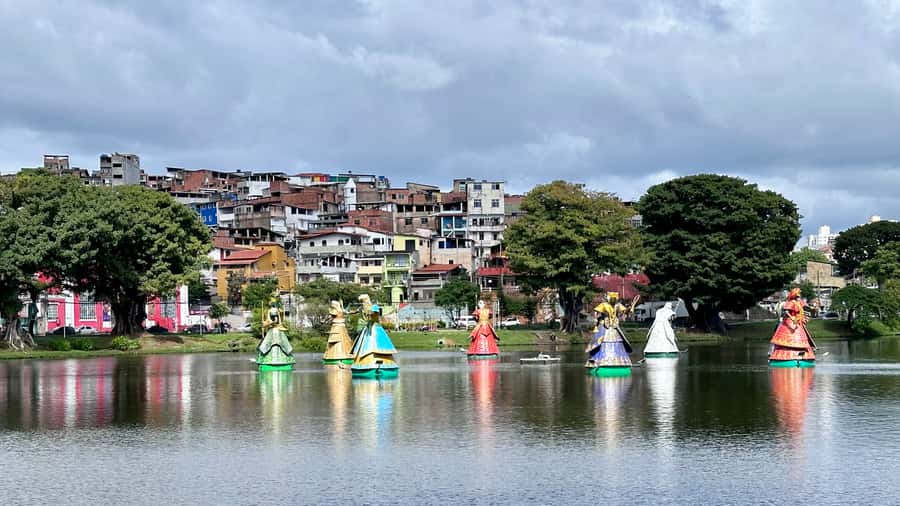
- African monuments at Dique do Tororó: Get a closer look at Salvador’s striking orixá sculptures.
- São Joaquim Fair: Taste and see ingredients tied to Bahian and African cooking traditions.
- Candomblé in an Ewe Fon tradition temple: Learn about a living faith in a sacred setting.
- Lunch beside the sea: Finish in a seaside favela with food, free time, and broad ocean views.
- Private, flexible format: Travel by private car with hotel pickup and a multilingual guide.
Why This Tour Goes Beyond Salvador’s Tourist Center
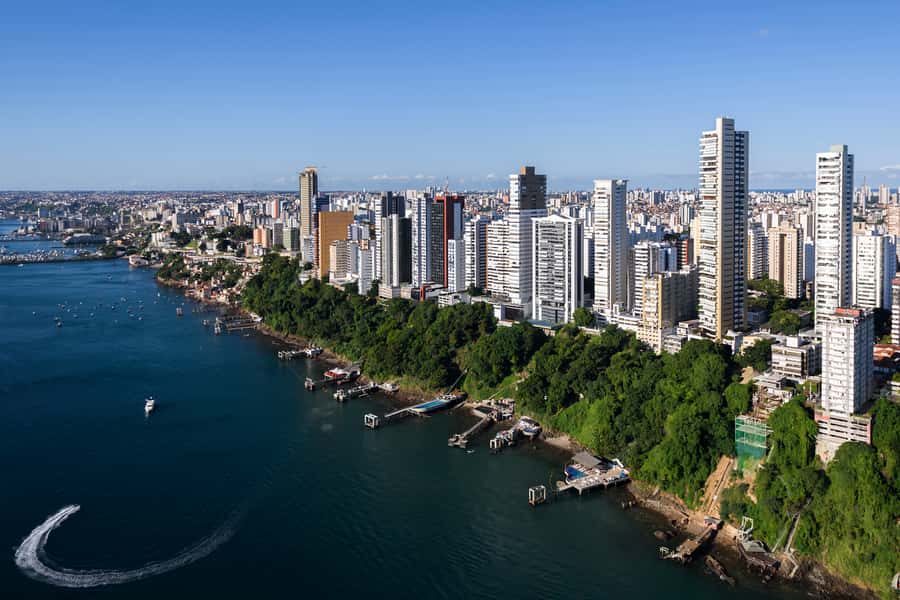
Salvador is often introduced through colorful colonial streets, churches, music, and waterfront views. Those sights matter, but they only tell part of the city’s story. This tour puts African-descended communities, beliefs, foodways, and daily life at the center.
I like that the route does not treat Afro-Brazilian culture as a museum exhibit. You see it in a market, at a religious site, in public sculpture, and in neighborhoods where people live today. The guide’s job is not simply to point out buildings. It is to explain how Indigenous settlement, Portuguese colonization, forced migration from Africa, religious change, and modern life fit together.
That context can make the day feel more like a history seminar with wheels than a conventional city tour. One guide, Wilson, is described as a PhD historian, while guides such as Mônia, Vagner, Fernando, Ronaldo, and Leandro have been praised for their command of Bahian culture and their ability to adjust explanations to their guests.
Because this is a private group, you can ask direct questions without worrying about slowing down a busload of strangers. That matters here. Candomblé, African identity, colonial power, and religious adaptation deserve time and care, not a rushed sound bite.
A few more trips worth weighing up before you book
- From Salvador: Schooner Tour to Frades Islands and Itaparica
★ 3.9 · 98 reviews - Salvador Historic Walking Tour – Pelourinho
★ 4.8 · 62 reviews - Salvador de Bahia African Culture Tour
★ 4.5 · 60 reviews
Rio Vermelho and the Altar of Yemayá
The tour begins with pickup in Salvador and heads to the waterfront district of Rio Vermelho. This area is connected with music, food, faith, and local life, but the focus here is a sacred altar dedicated to Yemayá, the African deity associated with the sea.
Local fishermen maintain the altar, giving the site a practical connection to the community rather than making it simply a decorative stop. Your guide can explain the meaning of the offering place and its relationship to people whose work and identity are tied to the water.
This is a short visit, listed at about 30 minutes, so expect an introduction rather than an extended religious ceremony. That is appropriate. You are entering a place of belief, not a performance arranged for tourists. Photography may be possible here, but you should follow the guide’s instructions and ask before taking pictures.
I find this opening useful because it establishes one of the tour’s central themes: African religious traditions in Brazil are not frozen in the past. They continue through family practice, public rituals, work, art, and neighborhood life.
Dique do Tororó’s Orixá Sculptures
The next stop is Dique do Tororó, a lagoon and public setting known for imposing sculptures representing African deities, orixás. The figures rise from the water and make for strong photographs, but the guide adds the part a camera cannot provide.
You will learn how these images connect to Candomblé and to the public expression of African-descended identity in Salvador. In a city shaped by centuries of pressure to suppress or reshape African beliefs, the presence of these sculptures carries real weight.
The stop lasts about 30 minutes. That gives you time for photos and an explanation of the figures, but not a full art-history lecture. Wear comfortable shoes, as requested by the operator, and be ready for Salvador’s heat. The private vehicle helps here because you return to air conditioning between stops instead of spending the whole day walking in the sun.
For me, this stop works best when you listen before photographing. The sculptures are memorable, but their meaning is the real attraction.
São Joaquim Fair and the Taste of Bahia
São Joaquim Fair is one of the day’s most useful stops for understanding food and everyday commerce. The market is described as part of Salvador’s intangible heritage, and the route takes you through stalls filled with fruit, vegetables, spices, and ingredients used in local cooking.
The fair also offers a direct link to African food traditions. Instead of discussing cuisine in abstract terms, you can see the raw materials, aromas, colors, and cooking habits that shape Bahian meals. Your guide can explain what ingredients are used for, how they appear in local dishes, and how food connects with religious practice and family tradition.
The market visit lasts around 40 minutes. That is enough for a focused walk, but you should not expect to browse every corner. Markets can also be crowded and active, so keep personal belongings secure and stay close to your guide.
The included acarajé tasting adds an important layer. This famous Bahian food is made from black-eyed peas and fried in dendê oil, then commonly served with flavorful fillings. The tasting is not just a snack between attractions. It shows how African cooking methods and ingredients became part of Salvador’s public food culture.
Drinks are not included, so bring money for beverages. The tour includes lunch later, but the acarajé tasting is a separate food experience.
A completely different kind of day out around Salvador:
- Salvador: Praia Do Forte and Guarajuba Beach Day Trip
★ 4.1 · 56 reviews - Salvador: Cultural Treasure – Samba de Roda.
★ 4.9 · 51 reviews - Salvador: Walking Tour Through Pelourinho
★ 5.0 · 49 reviews - Salvador: Capoeira Class at Mestre Bimba’s 1st Ever School.
★ 4.9 · 34 reviews
A Candomblé Temple in the Ewe Fon Tradition
The Candomblé visit is likely to be the most meaningful part of the day, and also the part that requires the most respect. You visit a sacred temple connected with the Ewe Fon tradition and learn about the beliefs, practices, and community life surrounding Candomblé.
Some tour guides have been able to arrange a conversation at the temple with a family member or house leader. That kind of welcome can make the visit feel personal and generous, but it should never be treated as a show. Listen carefully, ask polite questions, and let your guide explain what is appropriate.
The subject matter can be detailed. One guide was praised for explaining Candomblé and Yoruba traditions at length, while another helped connect faith, history, and present-day identity. You should book this tour expecting serious conversation about religion, African roots, colonial influence, and the ways communities protected their identity over time.
Photography rules are especially important. The tour information says that photography is not authorized in the favela communities, and you should also follow instructions at sacred sites. Do not assume that a colorful altar or religious object is available for public photography.
This stop gives the tour its strongest purpose. You are not simply looking at symbols. You are learning about a living faith and the people who maintain it.
Lunch in a Seaside Favela
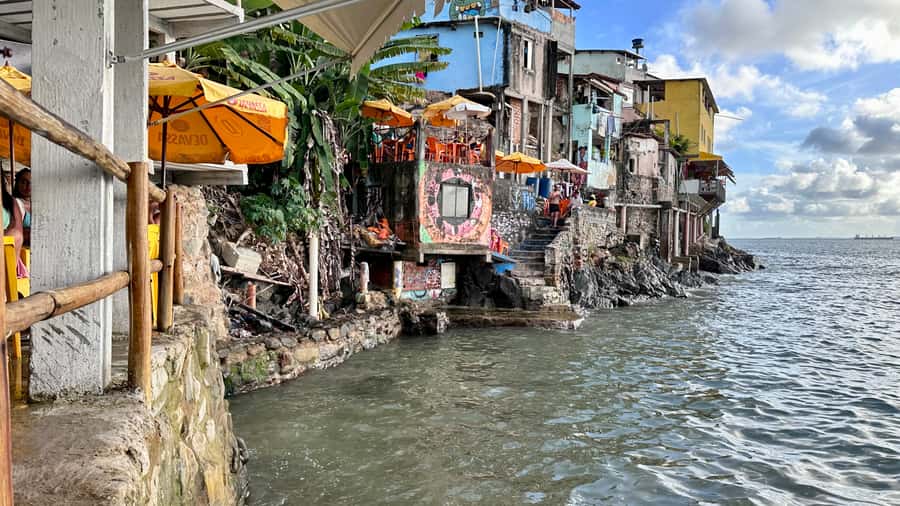
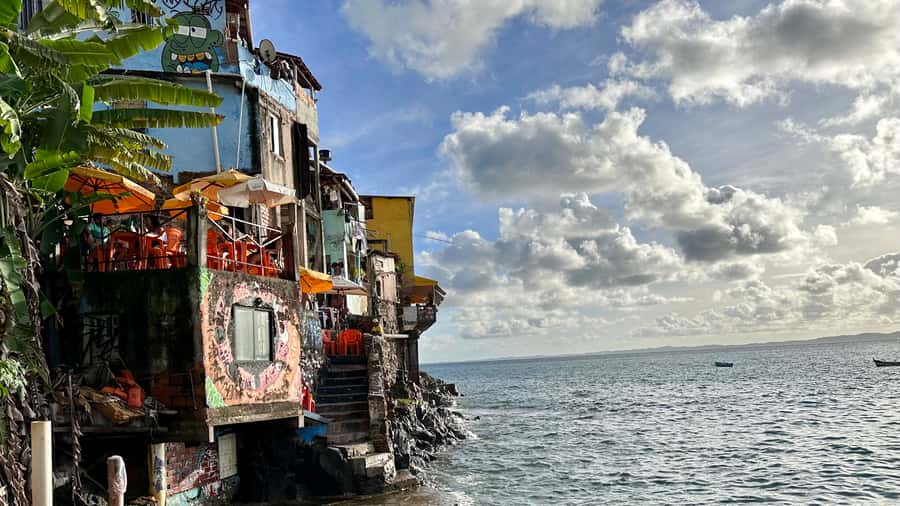
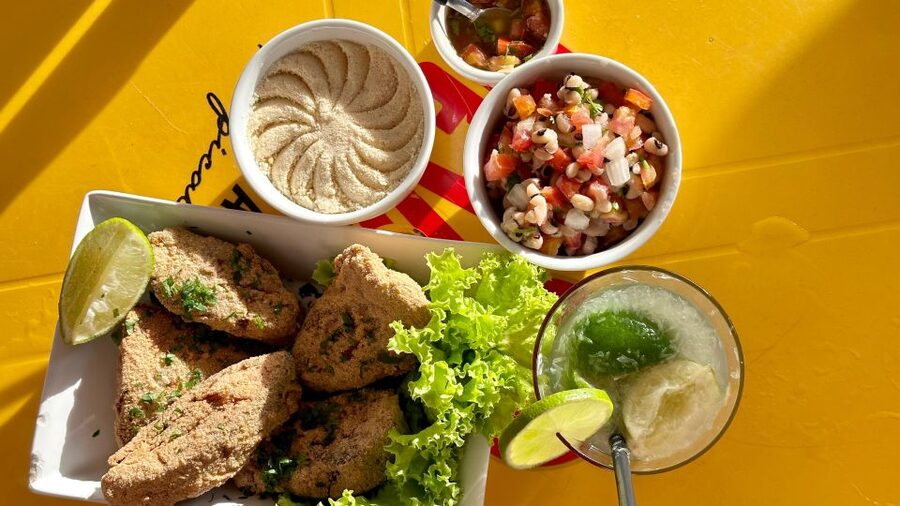
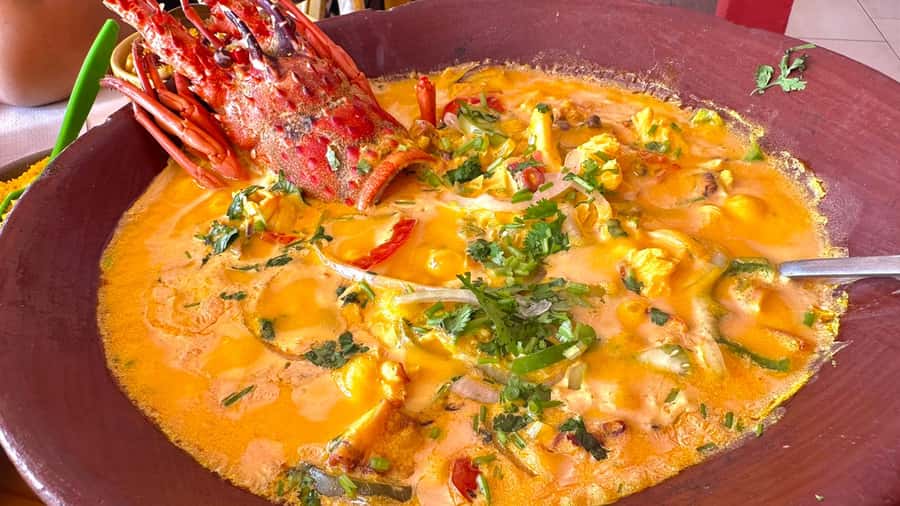
The final major stop takes you to a picturesque seaside favela, where you have lunch, free time, and views across the sea. The visit lasts about two hours, making it the least rushed part of the day.
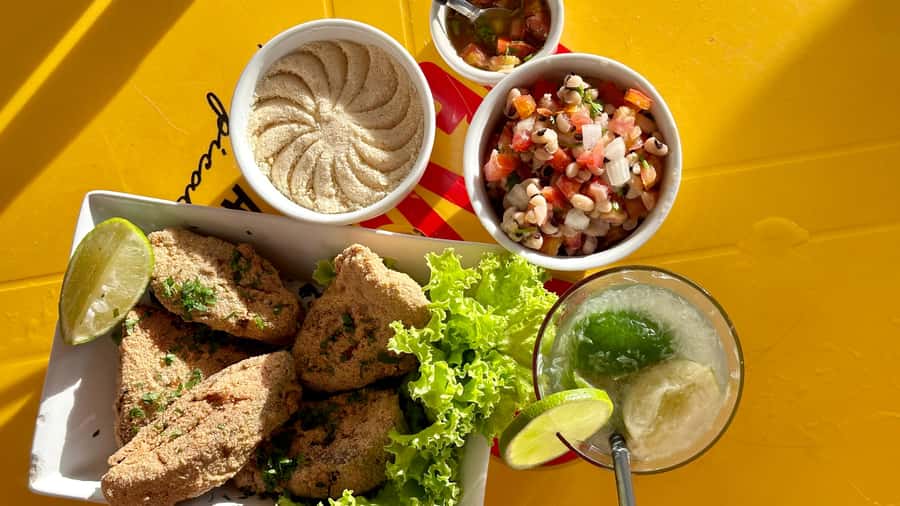
This is a chance to slow down after the market and cultural discussions. Lunch is included, and several guests have singled out the food and the setting as high points. One specific mention places the meal at Zanzibar restaurant, described as a small seaside spot with a beautiful view.
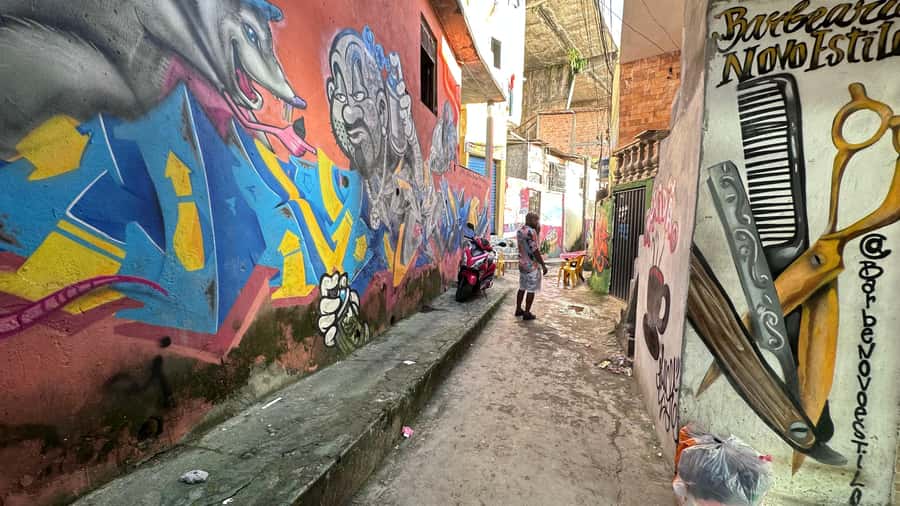
The value of this stop is not only the meal. You see a residential area rather than a polished tourist district, and you have time to take in how people live in a part of Salvador outside the usual sightseeing circuit. The tour describes this as an outside-the-standard itinerary, so the experience asks you to approach the neighborhood with humility.
Photography is not authorized in the favela communities. Take that rule seriously. You are being welcomed into a lived-in place, not entering an open-air attraction. Keep your camera away unless the guide clearly says otherwise.
The two-hour pause also helps balance the tour. The earlier stops are packed with information. Here, you can eat, look out at the water, and let the day’s ideas settle.
The Guides Make the Difference
The strongest feature of this experience is the guide. The route itself is worthwhile, but the meaning of each stop depends on how well the guide handles history, religion, race, and local life.
The guide team has included Wilson, Mônia, Vagner, Fernando, Ronaldo, Leandro, and others. Wilson is described as a historian with a very broad range of knowledge. Mônia has been praised for her warmth and passion for Bahia. Vagner is noted for sophisticated English and careful explanations of African culture in Brazil. Ronaldo has been described as charismatic and especially good at making guests feel connected to Bahia.
The drivers also receive repeated praise. Adriano, Victor, Fabio, and others have been described as careful, calm, and skilled in Salvador traffic. That may sound like a small detail, but it is not. A private car is only useful if the driving feels safe and the day runs smoothly.
Guide assignments can change, so you should not book solely because you hope for one named person. Still, the consistent pattern is encouraging: the experience depends on human expertise, and the operator appears to place real weight on cultural interpretation.
Is $150 Per Person Good Value?
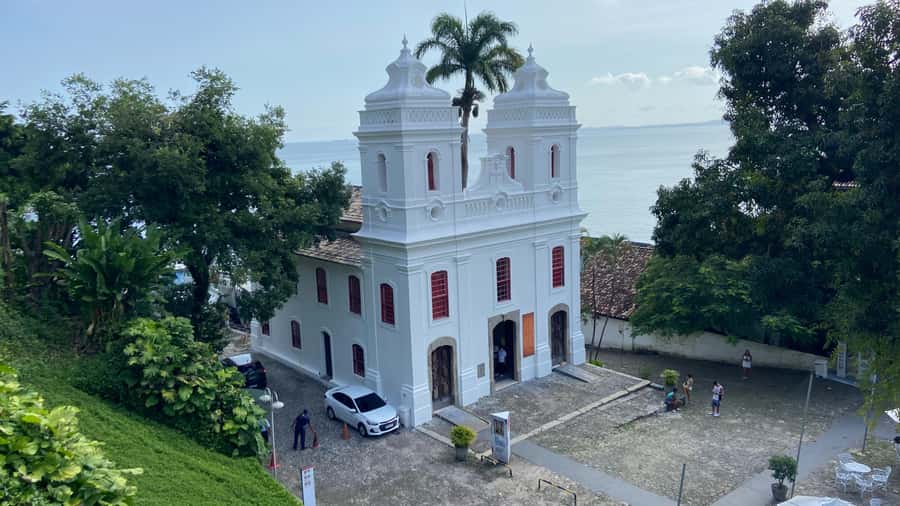
At $150 per person, this is not the cheapest way to see Salvador. It is also not a basic transport service. The price covers a six-hour private tour, hotel pickup, a private car, a live guide, lunch, an acarajé tasting, and a donation.
For a solo visitor or couple, the price reflects the privacy and the specialist subject matter. You are paying for a route that would be difficult to assemble independently, plus transportation between several parts of the city and a guide who can explain religious and historical subjects in your language.
The value improves for a small private group because the price buys a more personal format. You can ask questions, adjust the pace, and avoid being tied to a large group’s interests.
Lunch and acarajé are included, but drinks are not. Bring extra money for beverages and any personal purchases at the fair. The tour also offers reserve-now, pay-later booking and free cancellation up to 24 hours before departure, which gives you some planning flexibility.
I would call the price fair for travelers who want cultural understanding rather than a checklist of famous sights. If you only want Salvador’s major landmarks, a standard city tour may offer more stops for less money.
Who Will Enjoy This Experience Most?
I would choose this tour if you:
- Want to learn about African cultural roots in Brazil.
- Have a serious interest in Candomblé, Yoruba traditions, food, or social history.
- Prefer small private tours to large group excursions.
- Want to visit ordinary neighborhoods beyond the main tourist center.
- Appreciate long explanations and thoughtful conversation.
- Need a guide who can speak English, Portuguese, Spanish, or French.
- Want hotel pickup and a private vehicle during a six-hour outing.
I would think twice if you dislike religious or historical discussion, need a fast-paced sightseeing day, or want to take photographs at every stop. The no-photography rule in favela communities is firm, and the tour asks you to observe rather than document.
It is also not suitable for wheelchair users. Comfortable shoes are recommended, even though much of the route is by car, because you will still walk through public areas and the market.
Practical Tips for a Better Day
Wait in your hotel lobby 10 minutes before the scheduled pickup. Since the tour starts with transportation from your accommodation, an organized start helps protect time at the later stops.
Wear light, comfortable clothing and supportive shoes. Salvador can be hot, and the itinerary includes outdoor visits, a market walk, and neighborhood stops.
Ask your guide questions early. If your family has African heritage, Yoruba connections, or a particular interest in Candomblé, say so at the start. Guides such as Wilson have been praised for adapting the conversation to personal questions, and the private format gives you room to follow subjects that matter to you.
Keep your phone and camera available for approved photo stops, but put them away in the favela communities. A respectful presence is more important than getting a picture.
Finally, bring money for drinks. Lunch and acarajé are included, but general beverages are not.
Should You Book the Afro-Brazilian Roots Tour?
Book it if you want Salvador to make more sense, not merely look attractive. The tour’s best moments come from the links between the Yemayá altar, the Dique do Tororó sculptures, market ingredients, Candomblé practice, and daily life by the sea.
I would give it a strong recommendation for history-minded visitors, people exploring African heritage, and anyone who wants a private guide capable of handling serious questions. The private car, included food, multilingual service, and careful drivers make the day easy to manage.
Skip it if your ideal Salvador outing means only famous churches, quick photos, and carefree sightseeing. This tour is more thoughtful than playful, and some parts require quiet attention. For the right person, that is exactly its strength.
FAQ
How long is the Afro-Brazilian Roots Private City Tour?
The tour lasts six hours, including pickup in Salvador and return to your accommodation.
Is hotel pickup included?
Yes. Pickup is included in Salvador. You should wait in your hotel lobby 10 minutes before the scheduled pickup time.
Is this a private tour?
Yes. It is offered for a private group and includes a private car.
Which languages are available?
The live guide service is available in Portuguese, Spanish, English, and French.
Is lunch included?
Yes. Lunch is included, along with free time at the seaside stop. Drinks are not included.
Is the acarajé tasting included?
Yes. An acarajé tasting is included as part of the experience.
Can I take photographs in the communities visited?
Photography is not authorized in the favela communities. Follow your guide’s instructions at all stops and ask before photographing religious sites or local people.
Is the tour suitable for wheelchair users?
No. The experience is not suitable for wheelchair users. Comfortable shoes are recommended.
Just added around Salvador
- From Salvador: Schooner Tour to Frades Island★ 3.9 · 3 reviews
- From Salvador: Quilombo Heritage Daytrip with Lunch★ 3.4 · 3 reviews
- Salvador: Caipirinha Masterclass with Unlimited Drinks★ 4.2 · 4 reviews
- Salvador: Schooner Cruise with Pickup and Itaparica Stop★ 3.8 · 5 reviews
- BOXE CLASS – EX BAHIAN CHAMPION (SALVADOR-BA)★ 5.0 · 7 reviews
- Salvador by Night: Pelourinho & Old Town Tour★ 4.3 · 8 reviews
- Salvador: Traditional Drumming and Percussion Workshop★ 4.4 · 10 reviews
- Salvador: 3-Hour Percussion Class★ 4.9 · 10 reviews
City Tours, compared.
Main City Sights in 7 Hours – Shared Group Tour
Read our review →
Carnival Backstage Tour at Samba City with Cocktail
Read our review →

Browse the lists this tour appears in