
Reviewed · SALVADOR TOURS
From Salvador: Cachoeira Colonial Town Daytrip
A quieter Bahia waits beyond Salvador. I like the way this private day trip links Santo Amaro, Cachoeira, and São Félix into one clear story about sugar, independence, faith, and Afro-Brazilian identity. I also like the included buffet lunch and the chance to see cigars rolled by hand at the Dannemann factory. The main drawback is the long day on the road, with only about an hour in Santo Amaro and two hours in Cachoeira.
This is not just a quick photo stop in a colonial town. With a professional guide, you get context for the churches, markets, sisterhood, and plantation-era economy that shaped the Bahian Recôncavo. The tour costs $220 per person, so I would choose it for the private transport, guide, lunch, and several major sights in one day, not simply for a ride to Cachoeira.
In This Review
- Key points at a glance
- Why the Recôncavo makes a worthwhile day out
- Santo Amaro: markets, sugar, and a first look at colonial Bahia
- Cachoeira: the heart of the cultural program
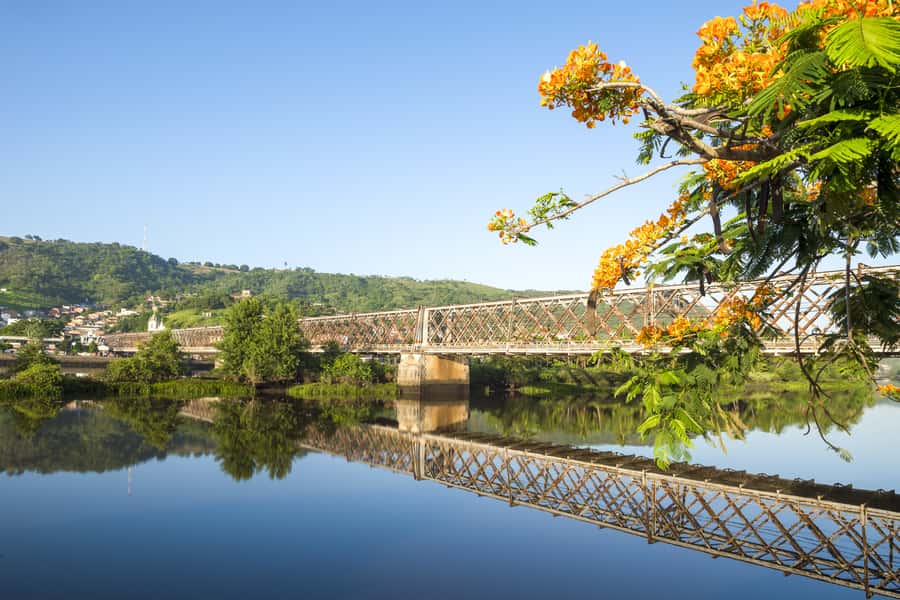
- Crossing into São Félix on the 1830 bridge
- Buffet lunch at a farm with valley views
- Dannemann Cigar Factory: a living craft demonstration
- The guide can make or break the history
- Is $220 per person fair value?
- Who should book this day trip?
- My verdict: a strong choice for cultural context
- FAQ
- How long does the Cachoeira day trip from Salvador last?
- What towns does the tour visit?
- Is hotel pickup included?
- Is lunch included?
- What languages are available?
- Is this a private tour?
- What can you see in Cachoeira?
- Is the tour wheelchair accessible?
- Can you cancel for a full refund?
Key points at a glance
- Three historic towns in one day: Visit Santo Amaro, Cachoeira, and São Félix without arranging separate transport from Salvador.
- Cachoeira is the main cultural stop: Allow two hours for cobbled streets, baroque churches, shopping, and Afro-Brazilian religious history.
- The 1830 bridge adds a memorable link: Cross from Cachoeira into São Félix on a historic British-built bridge.
- Lunch comes with a view: The buffet is served at a farm with panoramic views of the valley.
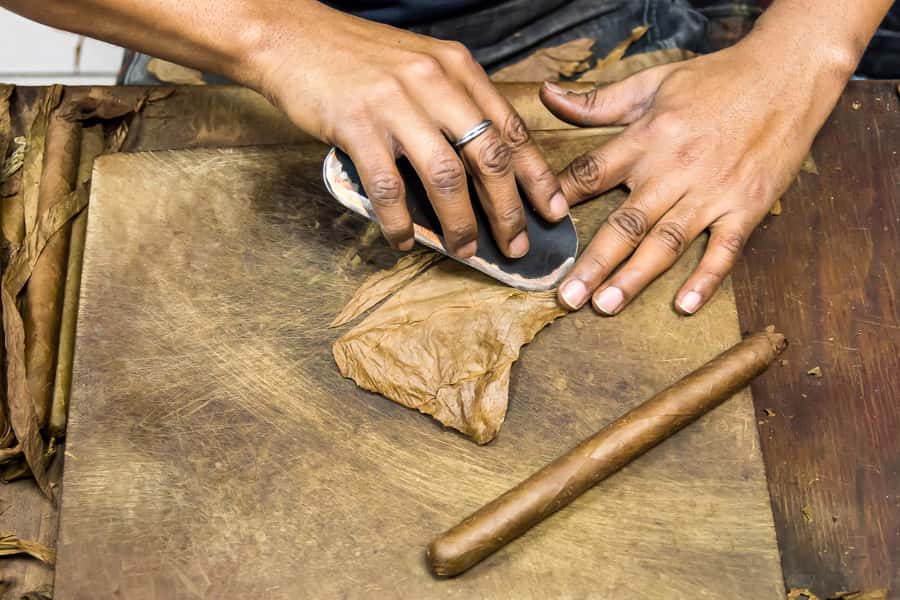
- The Dannemann factory keeps an old craft alive: See hand-rolled cigars being made rather than only browsing a souvenir shop.
- Guide quality matters here: The tour operates in English, Spanish, French, Portuguese, and Italian, and past service has included guides such as Wilson and Jean Luis.
Why the Recôncavo makes a worthwhile day out
Salvador gives you music, churches, steep streets, and plenty of city energy. The Bahian Recôncavo offers a different lesson. This area around the Bay of All Saints was shaped by sugar production, colonial trade, resistance to Portuguese rule, and the lasting strength of Afro-Brazilian culture.
That makes the drive useful rather than dead time. You move from an urban capital into smaller towns where old buildings, public markets, religious institutions, and craft traditions remain part of daily life. I would not book this trip if you only want a beach day or a relaxed countryside lunch. I would book it if you want help connecting Bahia’s colonial past with its present-day cultural identity.
The schedule is full, but not frantic on paper. The tour lasts about eight hours, with some departures and actual tour days running closer to eight and a half hours. One verified booking ran from 7:30 a.m. to 5 p.m., so keep your day open and expect the return to Salvador to depend partly on traffic.
Round-trip hotel pickup and drop-off are included. Transport is by air-conditioned coach, which matters in Bahia’s heat and makes the long road sections easier. Since the group is described as private, you should have a more personal setting than on a large scheduled bus. Still, the booking requires at least two people, and minimum numbers apply, so confirmation is not an absolute guarantee until the operator has enough participants.
A few more trips worth weighing up before you book
- From Salvador: Schooner Tour to Frades Islands and Itaparica
★ 3.9 · 98 reviews - Afro-Brazilian Roots Private City Tour in Salvador
★ 4.7 · 88 reviews - Salvador Historic Walking Tour – Pelourinho
★ 4.8 · 62 reviews
Santo Amaro: markets, sugar, and a first look at colonial Bahia
The first major stop is Santo Amaro, about an hour of sightseeing and guided walking. The town is tied to the sugar economy and to local resistance during Brazil’s struggle against colonization. That background gives the stop more weight than its short duration might suggest.
You will visit the public market, see local activity, and pass preserved colonial-era buildings. The market is a useful introduction because it places history beside ordinary commerce. Rather than looking only at grand churches and formal monuments, you get a glimpse of how a town functions now.
I would treat Santo Amaro as an orientation stop, not the centerpiece of the day. You have time for a guided walk, photographs, and scenic views, but not an extensive museum visit or a slow architectural study. Wear shoes that work on uneven streets, and keep your camera ready because the route includes both town views and rural scenery along the way.
The plantation connection needs a little care. The experience presents the Recôncavo through its sugar and plantation past, but the stated route does not promise a full plantation-house tour. You may gain that historical setting through the guide and the countryside rather than through a preserved estate with rooms open for inspection.
Cachoeira: the heart of the cultural program
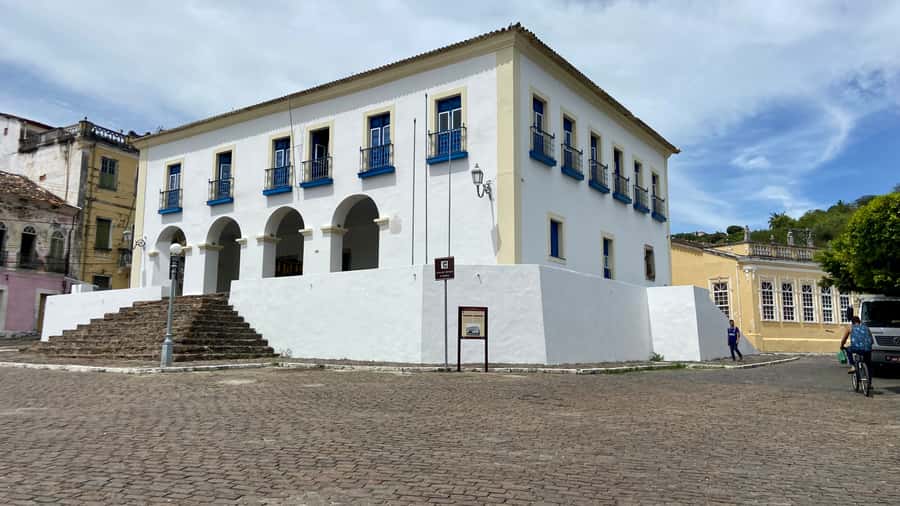
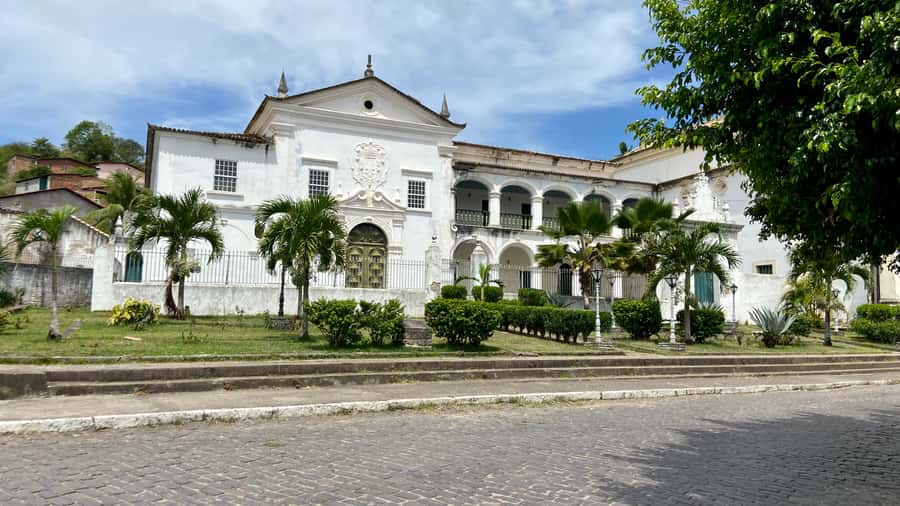
Cachoeira receives about two hours, making it the most substantial stop. This is where the tour’s different themes come together: colonial architecture, Brazilian independence, Catholic devotion, Afro-Brazilian religious life, and local shopping.
Expect a guided walk through cobbled streets with time for photographs and sightseeing. The town is known for baroque architecture, so look up as you walk. Churches and older façades provide the visual side of the story, while the guide explains why Cachoeira became important in regional politics and culture.
The streets are part of the experience, but they can also slow you down. Two hours is enough for a useful introduction, not enough to examine every church or wander without a plan. I like having a guide here because the meaning of the buildings is not always obvious from the outside. Without context, you might see attractive colonial façades and miss the larger story of power, faith, and resistance.
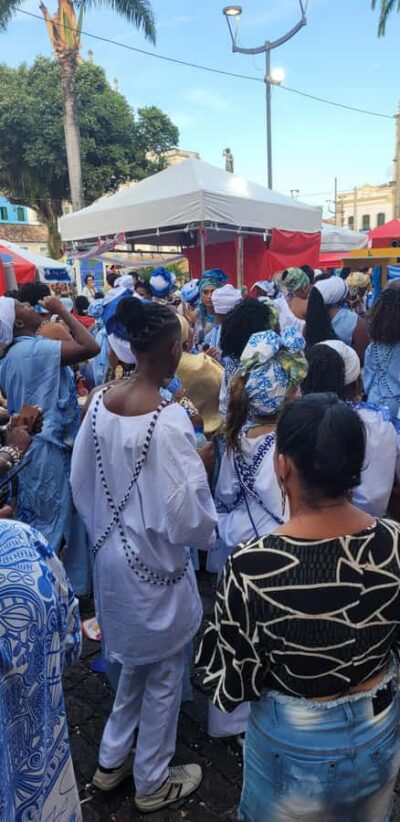
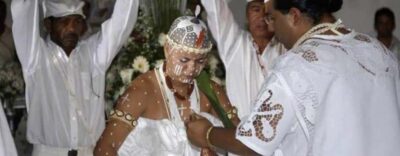
The program also explores the Sisterhood of Our Lady of the Good Death. This Afro-Catholic sisterhood represents the way African religious traditions and Catholic practice developed side by side in Bahia. The subject is important, and it gives the stop more depth than a standard colonial-town walk.
Be prepared for the religious portion to be cultural and historical rather than purely visual. You are not simply ticking off another church. You are learning how Afro-Brazilian women and communities preserved identity and spiritual practice within a Catholic society. That is one of the strongest reasons to choose this trip over a basic sightseeing transfer.
There is also time for shopping. The supplied details do not specify particular shops or products, so I would keep expectations flexible. Think of shopping as a small part of the walk, not the main purpose of the visit.
Crossing into São Félix on the 1830 bridge
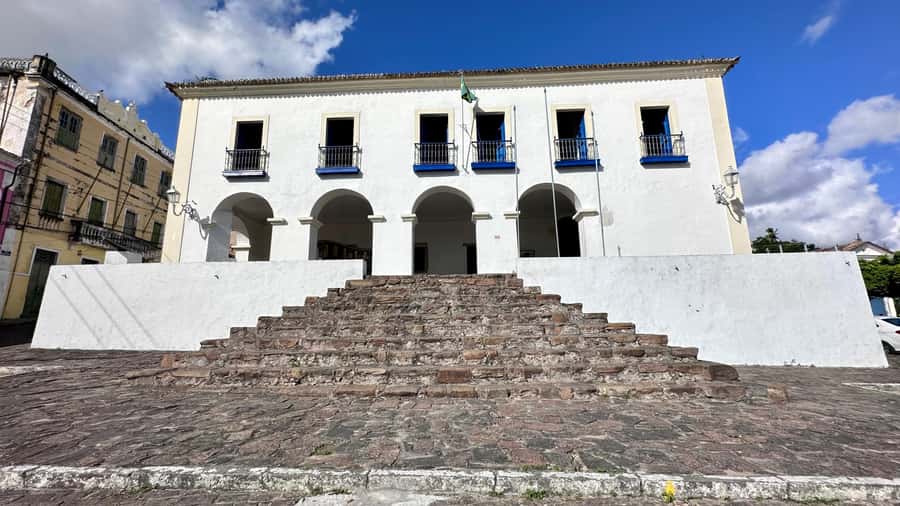
After Cachoeira, the route crosses the historic 1830 British bridge into São Félix. This is a compact but memorable transition. The bridge links two towns facing one another across the river and gives you a strong sense of how the Recôncavo’s communities relate to each other.
The stop in São Félix includes a break and lunch, rather than a long independent tour. That division works well after the walking in Cachoeira. You can pause, eat, and take in the valley views without rushing through another set of monuments.
The bridge itself is a highlight for anyone interested in engineering and transport history. It is also a fine photo point, but the tour description does not promise a long bridge walk or a separate guided visit. Your experience will depend on the day’s timing and the guide’s pacing.
A completely different kind of day out around Salvador:
- Salvador de Bahia African Culture Tour
★ 4.5 · 60 reviews - Salvador: Praia Do Forte and Guarajuba Beach Day Trip
★ 4.1 · 56 reviews - Salvador: Cultural Treasure – Samba de Roda.
★ 4.9 · 51 reviews - Salvador: Walking Tour Through Pelourinho
★ 5.0 · 49 reviews
Buffet lunch at a farm with valley views
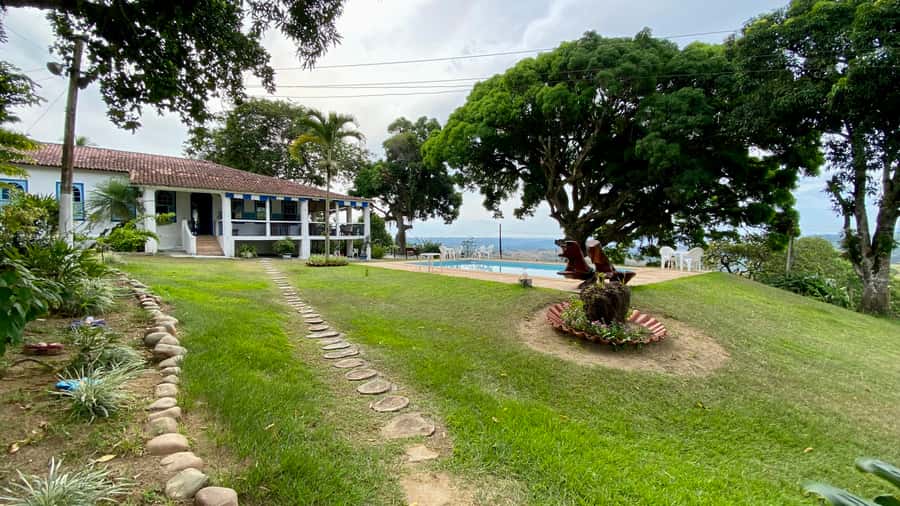
Lunch is included, and that is a real advantage on a full-day trip outside Salvador. The meal is a traditional Bahian buffet served at a farm with panoramic views of the valley. Drinks are not included, so bring money for anything you want to have with your meal.
A buffet is a sensible format here. You can choose what appeals to you, eat at your own pace, and avoid losing time to a long restaurant order. It also gives you a chance to try local food without paying for a separate lunch stop.
The setting matters as much as the plate. After a morning of town streets and church interiors, the farm offers a quieter pause and a broad view across the valley. I would see this as a pleasant part of the day rather than the reason to book the tour. The food is included, but the exact menu is not specified, so do not plan around a particular dish.
Dannemann Cigar Factory: a living craft demonstration
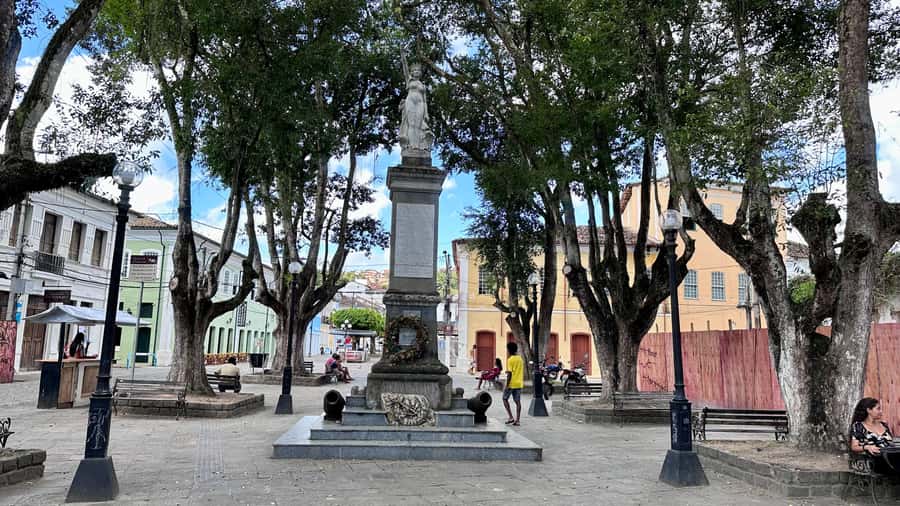
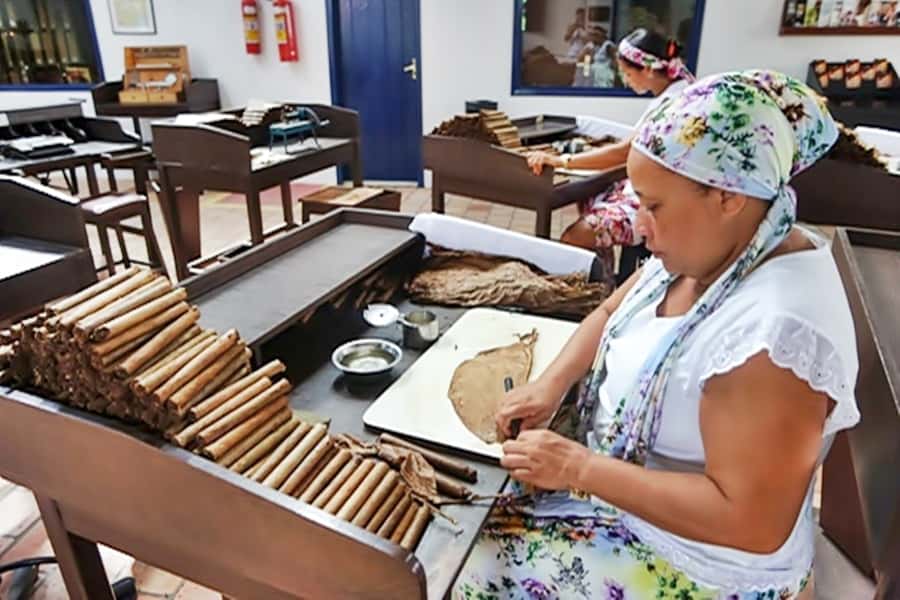
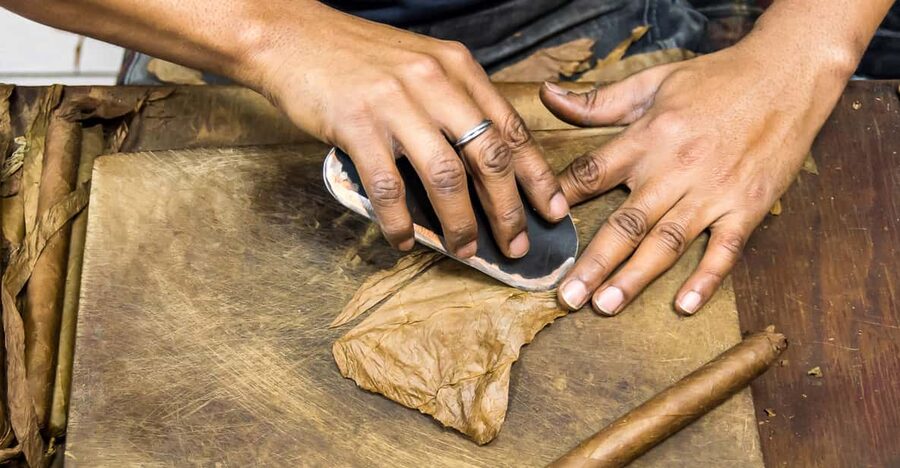
The final cultural stop is the Dannemann Cigar Factory, where you can watch cigars being rolled by hand. This is a practical look at craftsmanship and production, not just another historical building.
The visit adds variety to the day. You have seen colonial architecture and religious institutions, then moved through a rural setting. At the factory, the focus shifts to skilled manual work and a product associated with Bahia’s cigar-making tradition.
You do not need to be a cigar smoker to find the stop worthwhile. The interest is in seeing how a traditional craft is carried out. If you dislike tobacco or are not interested in factory visits, this may feel less essential than Cachoeira’s churches and sisterhood history.
The available details do not say how long the factory visit lasts or whether purchases are expected. I would treat it as a guided demonstration and keep the overall schedule in mind. The return to Salvador follows after this stop, so there may not be much room for an extended independent visit.
The guide can make or break the history
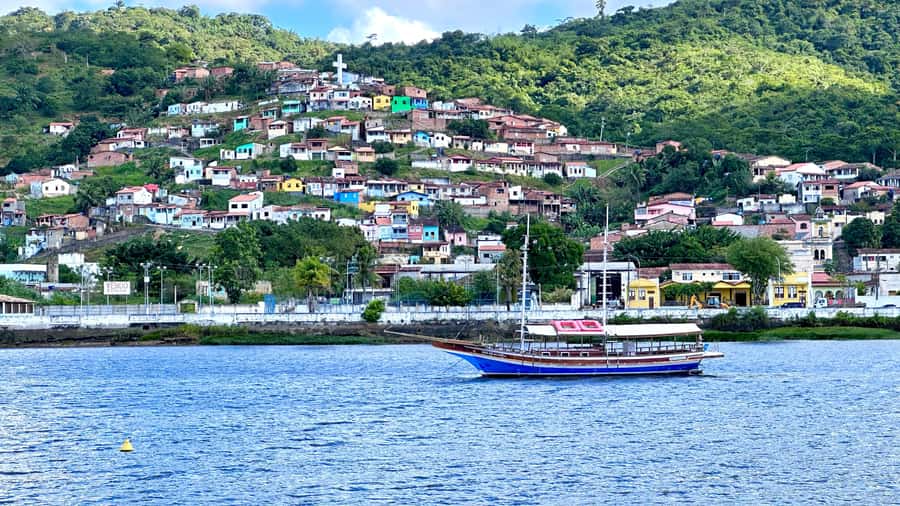
This tour depends heavily on the guide. The Recôncavo contains many layers, and a short visit can feel thin if you only receive dates and building names. A good guide helps connect Santo Amaro’s sugar economy, Cachoeira’s resistance, Afro-Catholic practice, the bridge, and the cigar factory.
The service record gives you useful names to know. Wilson was praised for his history background, fluent English, humor, and warm personality. Jean Luis guided a French-speaking booking and was specifically appreciated for his clear explanations, French fluency, humor, and smooth driving support. Another booking also praised driver Adriana for handling Salvador traffic safely.
Those details do not guarantee a particular guide on your date, but they show what to value. Ask at the start for the historical thread of the day, not only directions and photo stops. If you are especially interested in Afro-Brazilian religion, independence, or plantation history, tell the guide early so the commentary can match your interests.
Language coverage is broad: English, Spanish, French, Portuguese, and Italian are listed. That is helpful for a subject where nuance matters. The private-group format should also make it easier to ask questions than on a large coach tour.
Is $220 per person fair value?
At $220 per person, this is not a budget outing. The price is easier to justify for two or more people who want private transport, hotel pickup and drop-off, a professional guide, entrance fees, and lunch handled in one booking.
You are paying for access and organization as much as for the places themselves. Reaching Santo Amaro, Cachoeira, São Félix, and the cigar factory independently would require planning transport between several towns, managing the return to Salvador, and arranging entry fees. The included air-conditioned vehicle also removes some of the discomfort of a long day in hot weather.
The value is weaker if you are comfortable using public transport, already have a rental car, or only want to see Cachoeira. In that case, a shorter and cheaper visit may suit you better. This package makes more sense when you want the full cultural route and a guide to explain it.
The lunch helps, but it should not be treated as a luxury meal guarantee. Drinks cost extra, and the tour’s strongest value lies in the combination of transport, interpretation, and access to several places in one day.
Who should book this day trip?
I would recommend it to you if you:
- Have only a few days in Salvador and want to see more of Bahia
- Care about colonial architecture and Afro-Brazilian cultural history
- Prefer a guide to explain religious and political context
- Want hotel pickup instead of arranging several rural connections
- Enjoy a full schedule with walking, scenery, lunch, and a craft visit
- Prefer a private group to a large standard bus
I would hesitate if you need a slow pace, dislike several hours of road travel, or want extensive free time in one town. The day moves through several sites, and the fixed schedule leaves limited room for lingering.
The accessibility information is inconsistent. One part of the booking information describes the activity as wheelchair accessible, while the important notes say it is not wheelchair accessible and list wheelchair users as unsuitable. If this affects your decision, confirm directly before paying. The route includes cobbled streets and walking, so do not rely on the more optimistic wording without clarification.
Cancellation is flexible up to 24 hours before departure for a full refund, and reserve-now-pay-later booking is offered. Those policies are useful, but minimum numbers still apply, and a confirmed departure can be cancelled if the required number is not reached. In that event, an alternative or full refund is offered.
My verdict: a strong choice for cultural context
I would book this tour if you want a guided introduction to the Bahian Recôncavo rather than a quick trip to a pretty colonial town. Cachoeira is the main reward, especially the combination of baroque streets and the Sisterhood of Our Lady of the Good Death, but Santo Amaro, the bridge into São Félix, the farm lunch, and the cigar factory give the day a broader shape.
The best reason to choose it is the chance to see how Bahia’s sugar economy, independence struggle, Afro-Brazilian faith, and traditional crafts connect. The main compromise is time. You will see several places, but none at a leisurely pace.
For a first visit from Salvador, the $220 price is reasonable when shared with the cultural value of a private guide and the convenience of transport, lunch, and admissions. I would confirm the accessibility details, expect a long day, bring money for drinks, and ask for a guide who can explain the religious and historical subjects in depth.
FAQ
How long does the Cachoeira day trip from Salvador last?
The tour duration is listed as about eight hours. Some days may run closer to eight or nine hours, depending on the schedule and traffic.
What towns does the tour visit?
The route includes Santo Amaro, Cachoeira, and São Félix. You return to Salvador after the visits and lunch.
Is hotel pickup included?
Yes. Pickup and drop-off at your hotel are included, with pickup taking place in the hotel lobby.
Is lunch included?
Yes. A buffet lunch at a farm is included. Drinks are not included.
What languages are available?
The live guide is listed as available in English, Spanish, French, Portuguese, and Italian.
Is this a private tour?
Yes. The activity is described as a private group experience. A minimum of two people per booking is required.
What can you see in Cachoeira?
The visit includes guided sightseeing through the colonial town, cobbled streets, historic churches, baroque architecture, shopping, and information about the Sisterhood of Our Lady of the Good Death.
Is the tour wheelchair accessible?
The information is contradictory. One section says wheelchair accessible, while the important notes say it is not wheelchair accessible and not suitable for wheelchair users. Confirm the current arrangements before booking.
Can you cancel for a full refund?
You can cancel up to 24 hours in advance for a full refund. Reserve-now-pay-later booking is also available, and minimum numbers apply to the departure.
Just added around Salvador
- From Salvador: Schooner Tour to Frades Island★ 3.9 · 3 reviews
- From Salvador: Quilombo Heritage Daytrip with Lunch★ 3.4 · 3 reviews
- Salvador: Caipirinha Masterclass with Unlimited Drinks★ 4.2 · 4 reviews
- Salvador: Schooner Cruise with Pickup and Itaparica Stop★ 3.8 · 5 reviews
- BOXE CLASS – EX BAHIAN CHAMPION (SALVADOR-BA)★ 5.0 · 7 reviews
- Salvador by Night: Pelourinho & Old Town Tour★ 4.3 · 8 reviews
- Salvador: Traditional Drumming and Percussion Workshop★ 4.4 · 10 reviews
- Salvador: 3-Hour Percussion Class★ 4.9 · 10 reviews
Salvador Tours, compared.
Afro-Brazilian Roots Private City Tour in Salvador
Read our review →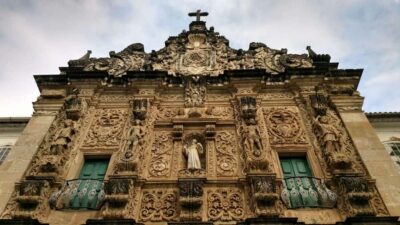
Browse the lists this tour appears in