

Reviewed · HISTORICAL TOURS
Rio: Historical Walking Tour
Rio’s center rewards slow feet. This four-hour tour pairs a subway ride with a guided walk through the old capital, where grand civic buildings, churches, plazas, and narrow lanes reveal Rio beyond its beaches. I like the easy mix of public transport and walking, and I like that the route covers major sights such as Confeitaria Colombo, Tiradentes Palace, Praça XV, and Candelária Church.
The guide is the key to making sense of the streets. Past guests singled out Lucien, Monique, Ernani, and Mathilda for clear explanations, flexibility, and strong cultural commentary. My main caution is the walking: cobblestones, several stops, and time on your feet make this a poor choice if you have mobility problems.
In This Review
- Key points to know before you book
- Why this walking tour is different from a standard city tour
- Starting at Copacabana and riding into downtown
- Cinelândia and the French influence
- Confeitaria Colombo and the pleasures of an old café
- Tiradentes Palace and Praça XV
- Travessa do Comercio and Carmen Miranda’s former residence
- Cultural centers and Candelária Church
- How much the guide affects your day
- Walking comfort, pace, and access
- Is $79 a fair price?
- Who should book this Rio history walk?
- Final verdict: book it for context, not just landmarks
- FAQ
- How long does the Rio Historical Walking Tour last?
- What is the price per person?
- Where does the tour start?
- Where does the tour finish?
- Is subway transportation included?
- Which languages are available?
- Are entrance fees included?
- Are meals and drinks included?
- Is the tour suitable for wheelchair users?
Key points to know before you book
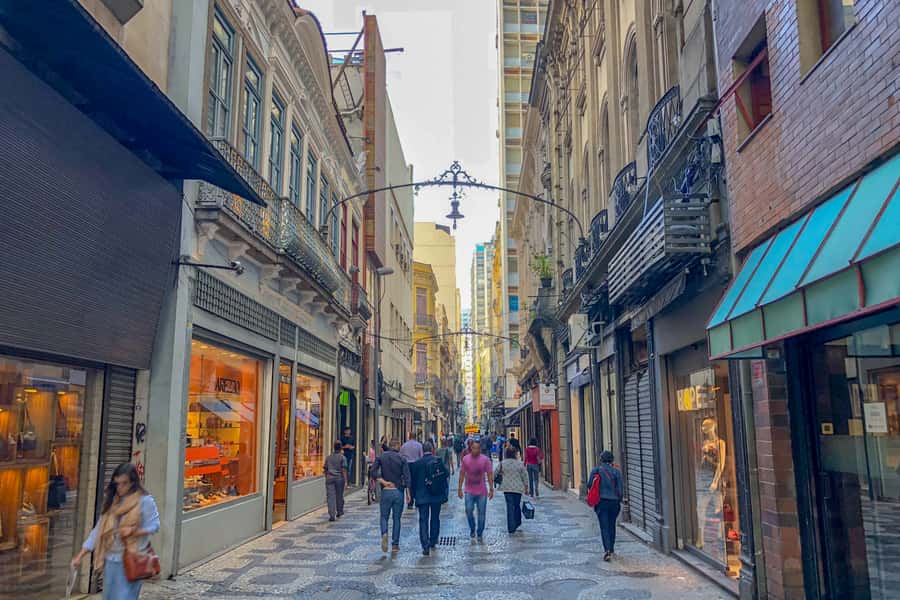
- The subway is part of the experience: You ride from the Copacabana area into downtown Rio instead of viewing the center only through a vehicle window.
- Cinelândia sets the tone: The first downtown stop brings French architectural influence, historic institutions, and several striking buildings close together.
- Confeitaria Colombo is a major highlight: This 1894 café is one of the route’s most memorable interiors, even if the visit is relatively brief.
- The route reaches Praça XV and Travessa do Comercio: These areas connect imperial, colonial, and commercial chapters of Rio’s past.
- The guide makes a real difference: English, Spanish, and Portuguese are offered, and guide Mathilda was praised for adapting the walk to the group.
- It is best for active sightseers: The tour lasts four hours, includes subway travel, and is not suitable for wheelchair users or people with walking difficulties.
Why this walking tour is different from a standard city tour
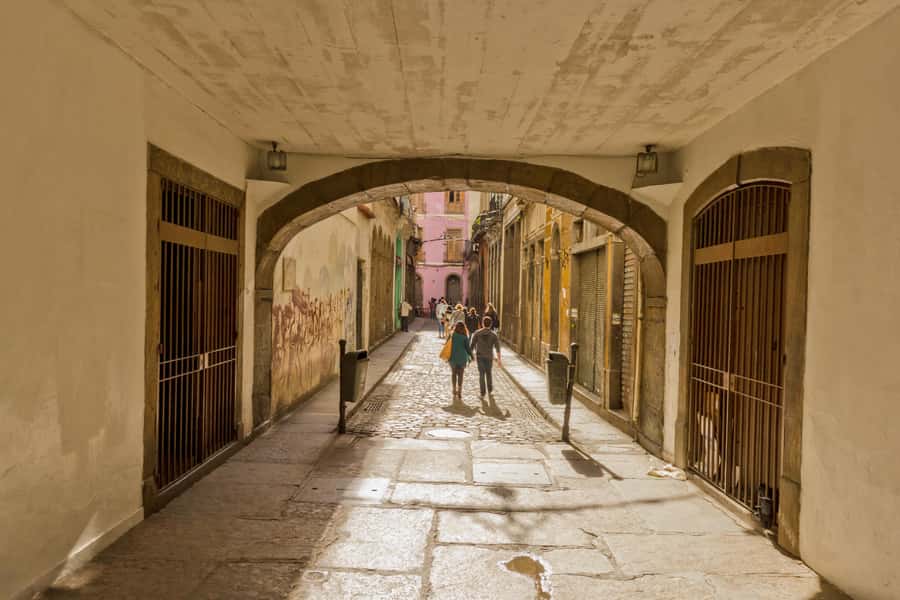
Rio is easy to reduce to beaches, viewpoints, and famous mountains. Those are worthwhile, but downtown gives you a different key to the city. Here, the story is told through churches, government buildings, public squares, cultural centers, and old commercial streets.
I like the decision to begin with the subway. You are not simply delivered downtown in a private vehicle. You use one of the city’s everyday systems, then begin the sightseeing on foot. That makes the transition from Copacabana to the historic center feel more connected to present-day Rio.
The tour lasts four hours, a useful middle ground. You get enough time to see a broad section of downtown without giving up an entire day. At the same time, the route is packed with landmarks, so this is not a slow café-and-people-watching outing. You should expect a steady pace and plenty of standing.
The price is $79 per person. That is not a bargain if you only want a quick orientation, since much of downtown can be seen independently. But the fee includes subway transport, entrance fees, a professional guide, and a small-group format. The value improves if you want historical explanation, help with the route, and access to places you might pass without understanding.
More Historical Tours in Rio de Janeiro
- Rio de Janeiro: Historic Rio and Santa Teresa Half-Day Tour
★ 4.4 · 228 reviews - Rio de Janeiro: Little Africa Heritage Walking Tour
★ 4.9 · 177 reviews - Explore Little Africa : Unveiling Afro Heritage in Rio de Janeiro
★ 5.0 · 97 reviews
Starting at Copacabana and riding into downtown
The listed starting point is at Av. Atlântica 1702, at Copacabana Palace, A Belmond Hotel, though the exact meeting point can vary with the option you book. Check the meeting details carefully before setting out.
The subway ride is practical, not decorative. It gets you from the beach district to the old center and gives the guide a natural chance to frame the day. You may hear discussion of Rio’s political and economic development before the walking portion begins, since the strongest feedback about the guides praised their cultural, historical, political, and economic commentary.
This opening also helps you understand the contrast between Rio’s tourist image and its administrative heart. Copacabana is known for its shoreline and hotels. Downtown is about institutions, old streets, religious buildings, and the layers left by Brazil’s former capital.
You should wear comfortable shoes with good support. The route includes cobbled sections and several historic buildings. Even if you normally enjoy city walks, four hours can feel long in heat, so bring water and keep the day’s clothing light and practical.
Cinelândia and the French influence
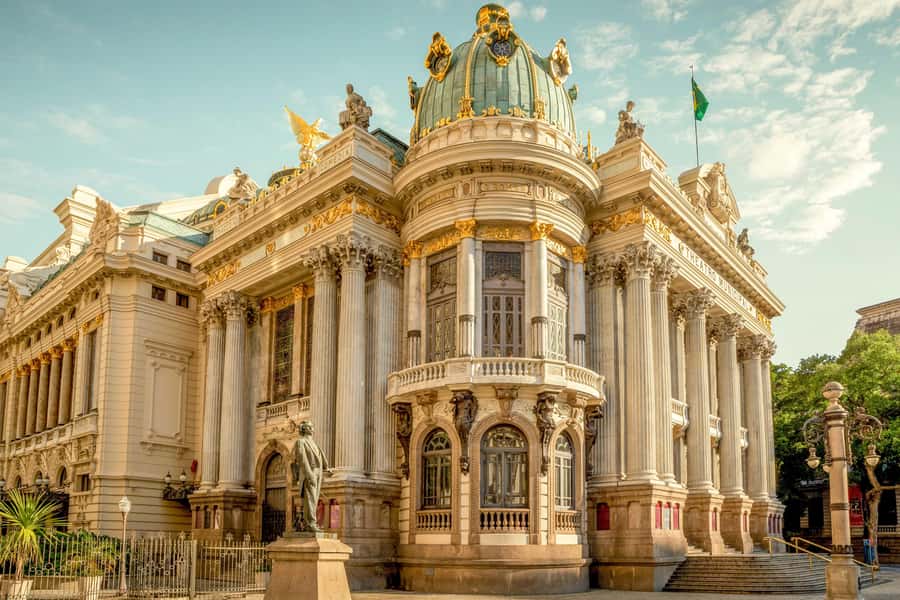
The walk begins at Cinelândia Station. This is a strong starting point because the area brings together some of downtown Rio’s most imposing architecture and reminders of outside influence on the city’s design.
The description specifically points to French architectural influence. That detail matters because downtown Rio is not built around one single visual style. You see European references mixed with Brazilian religious, civic, and colonial traditions. The guide can help you read those contrasts instead of treating each building as a separate photo stop.
From Cinelândia, the route moves toward Carioca Square. Along the way, you pass the Naval Club, the Monastery Church of Santo Antônio, and the Ordem Terceira de São Francisco da Penitência.
These churches are especially valuable for visitors who enjoy architecture and religious art. They give the walk a quieter, more detailed side. From the outside, a church can look like one more old façade. With a guide, you have a better chance of understanding its place in the city and noticing details that would otherwise be easy to miss.
The route does not promise a long interior visit at every stop. Some places are passing points, while others may allow entry. That distinction is worth keeping in mind. You are buying a guided overview of central Rio, not an extended study of each church.
Confeitaria Colombo and the pleasures of an old café
Confeitaria Colombo dates to 1894 and is one of the most appealing stops on the walk. Its importance is not only that it is old. The café connects food, social life, architecture, and the public history of downtown.
I like this kind of stop because it gives the tour a human scale. Churches and government halls can feel formal. A historic café shows how people used the city in everyday life, for meetings, conversation, business, and a pause during the day.
The visit is included in the route, but meals and drinks are not included. Plan on treating any food or coffee as an extra purchase. The supplied details do not promise a sit-down meal, so do not book this tour expecting a dedicated dining break.
Still, Confeitaria Colombo adds variety. You move from monumental façades to an interior tied to Rio’s social past, then continue into the civic core. If you enjoy historic cafés, this may be one of the tour’s most satisfying stops.
More Walking Tours in Rio de Janeiro
- Rio de Janeiro: Rocinha Favela Walking Tour with Local Guide
★ 4.8 · 3,052 reviews - Rio De Janeiro: Half-Day Rocinha Favela Walking Tour
★ 4.7 · 2,272 reviews - Sunrise and Sunrise Walk Two Brothers with Local Guide
★ 5.0 · 193 reviews - Learn the History of Rio with an Unforgettable City Center Walking Tour
★ 5.0 · 82 reviews
Tiradentes Palace and Praça XV
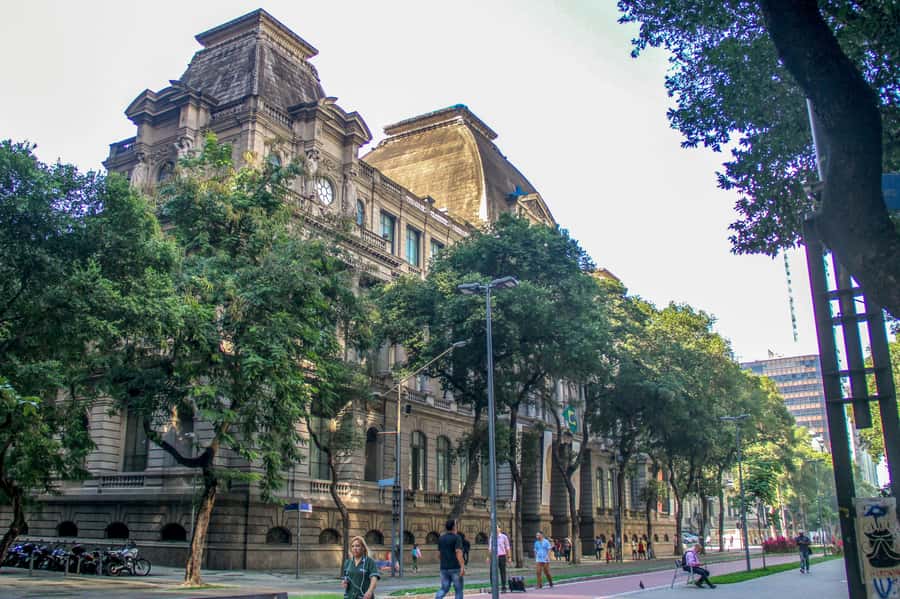
Tiradentes Palace, described as the State Hall, brings the tour into Rio’s political story. It is one thing to learn that Rio once served as the country’s capital. It is another to walk among buildings linked to the state and public administration.
The guide’s commentary is particularly useful here. One strong account praised detailed explanations about Brazil’s history, politics, and economy. That suggests this experience can work well for you if you want more than dates and architectural labels.
The route then reaches Praça XV. The square includes the Imperial Palace, the statue of General Osório, Mestre Valentim’s Fountain, and the Teles Arch. This is a concentrated sequence of sights, and the variety is the point.
The Imperial Palace connects the square with Brazil’s imperial period. The statue and fountain add public art and civic memory. The Teles Arch leads you toward a different type of urban space, where the formal square gives way to older lanes and commercial passages.
A guide helps you connect these pieces. Without context, Praça XV can feel like a collection of unrelated monuments. With context, the square becomes a place where political power, public decoration, and daily movement meet.
Travessa do Comercio and Carmen Miranda’s former residence
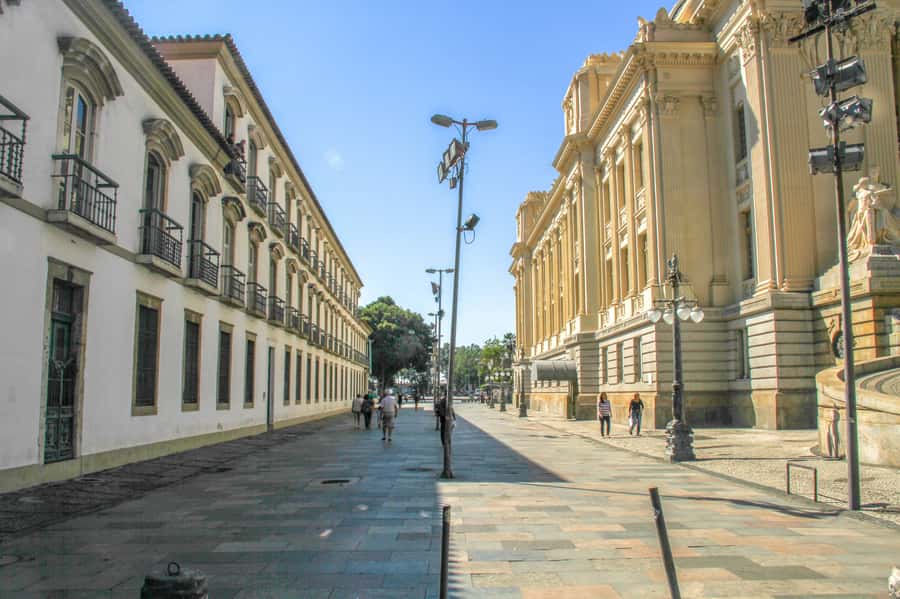
The cobbled Travessa do Comercio is one of the route’s more atmospheric sections. Its narrow scale differs from the broad civic spaces earlier in the walk, and that change keeps the tour from becoming a parade of large buildings.
You also pass the former residence of Carmen Miranda. This is a welcome cultural detail. It shifts the story from government and religion to popular culture and one of Brazil’s best-known performers.
The route does not indicate that you enter the residence, so treat it as a place to see and discuss rather than a house museum visit. That may disappoint you if Carmen Miranda is your main interest, but it works well as one piece of a wider downtown tour.
The Church of Our Lady of the Merchants follows. Its name points to the close connection between religion and commerce in the old center. This is the kind of stop that benefits from a guide’s explanation, since its meaning is tied not only to the building itself but also to the people and trades that shaped the district.
Cultural centers and Candelária Church
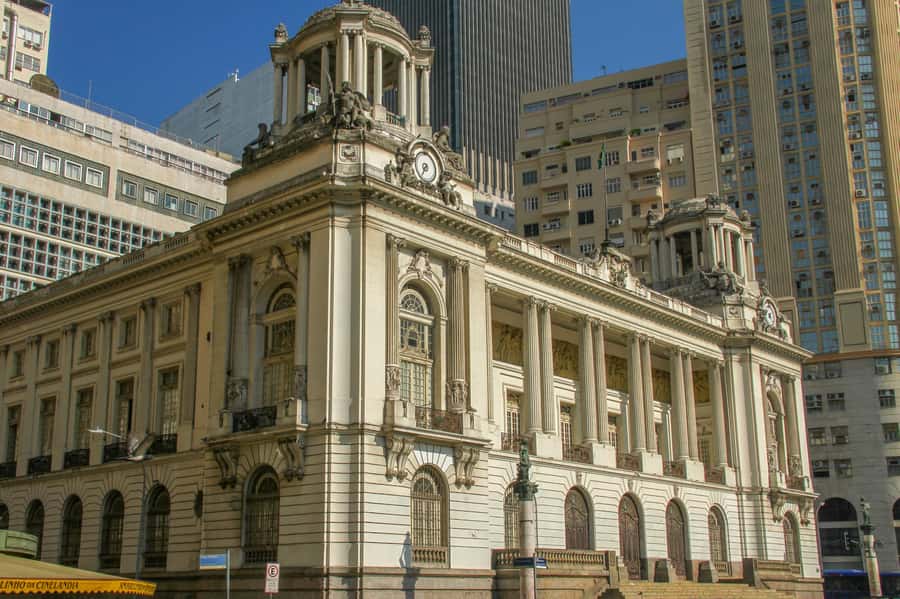
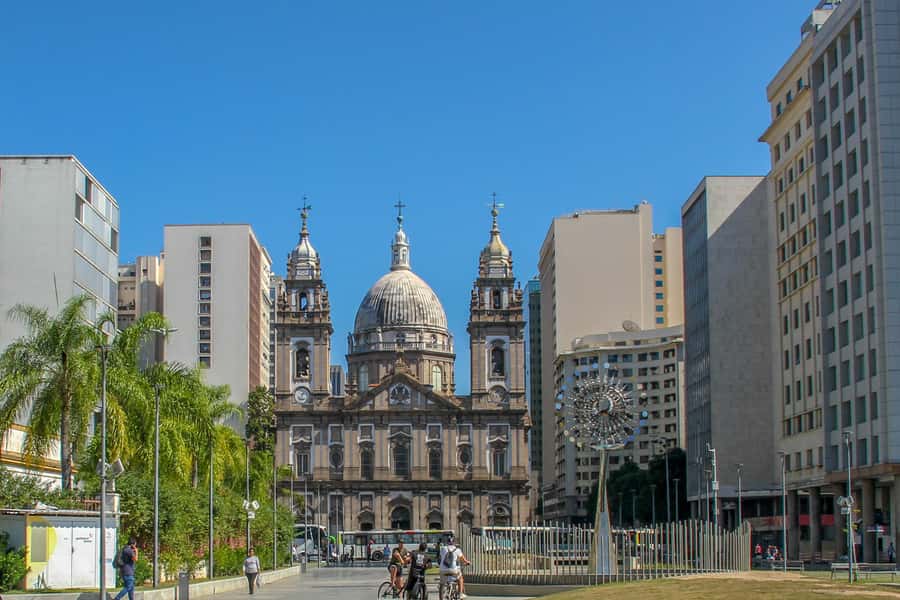
The final section brings several major cultural and religious buildings into view. You pass the Post Office Cultural Center, France-Brazil House, the Bank of Brasil Cultural Center, and Candelária Church.
France-Brazil House is visited when open, as are the Bank of Brasil Cultural Center and Candelária Church. This qualification is important. The route includes these places in the plan, but an interior visit is not guaranteed every time. Opening conditions can change, so keep your expectations flexible.
The cultural centers add modern public use to the historic route. They show that downtown buildings are not only old objects to admire from the pavement. Some continue to serve as places for exhibitions and cultural programs.
Candelária Church gives the closing section a strong architectural and religious focus. Along with the earlier churches, it helps show how much of central Rio’s identity is tied to sacred spaces. You should listen closely here if you enjoy design, sculpture, and the way public buildings shape a city.
The tour then returns toward the subway and finishes back at Copacabana Palace. Ending where you began makes the outing easy to fit into a larger Rio schedule.
How much the guide affects your day
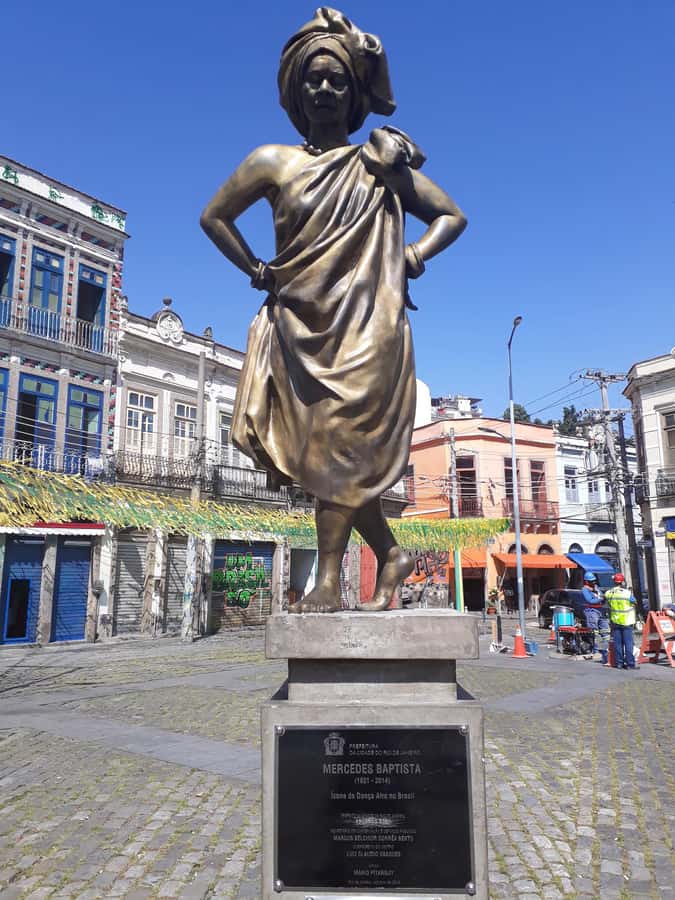
The guide is the biggest variable in any walking tour, and the available feedback gives this one a strong record. Lucien was praised directly for being excellent. Monique was described as a pleasure to spend time with, while Ernani was called a good and well-prepared guide.
Mathilda received especially useful praise for flexibility. On one small-group outing, she followed the couple’s suggestions, combined different interests, and pointed out special places they would not have found alone. That detail matters because small groups allow a guide to adjust the emphasis when time and access permit.
The tour is offered in English, Spanish, and Portuguese. If you need English, confirm that language when booking. The presence of a live guide means the day is not an audio route or a fixed script with no chance for questions.
I would use the question period well. Ask about the former capital, the buildings around Praça XV, or the religious orders connected with the churches. The strongest feedback praised guides who answered many questions, so an inquisitive approach should make the experience more rewarding.
Group size is described as small. That usually makes it easier to hear explanations and stay connected during the walk, though the exact number is not given. Do not assume a private tour.
Walking comfort, pace, and access
This is a walking tour in a very literal sense. The subway only handles the transfer into downtown and the return. The sightseeing itself requires walking between many stops, with time spent on cobblestones and in historic areas.
The experience is not recommended for people with walking difficulties. It is also not suitable for wheelchair users or people with mobility impairments. That is not a minor footnote. It should guide your booking decision.
If you walk comfortably, the four-hour length is manageable for many active sightseers, but the route will still require stamina. Historic downtown streets do not always provide the smooth, easy surfaces found in modern shopping districts.
The tour also involves buildings that may be open only at certain times. A flexible attitude helps. You will still see the listed areas, but an interior visit to France-Brazil House, the Bank of Brasil Cultural Center, or Candelária Church depends on availability.
Is $79 a fair price?
At $79, you are paying for more than a list of sights. The fee covers entrance fees, subway transport, a professional guide, and a small-group setting. You also avoid the work of building a route through a large downtown district on your own.
If you already know central Rio well and are comfortable navigating independently in Portuguese, you may find the price harder to justify. You could focus on a few landmarks at your own pace and choose your own café stop.
I see better value for a first visit to downtown, especially if you want context. The route covers a lot in four hours, and the guide can connect architecture, politics, religion, culture, and daily city life. That range is difficult to reproduce by simply following map pins.
Meals and drinks are extra, so budget separately for anything you buy at Confeitaria Colombo or elsewhere. The tour has free cancellation up to 24 hours before the start, and you can reserve now and pay later, which is useful if your Rio schedule is still changing.
Who should book this Rio history walk?
I would recommend it to you if you enjoy cities through their buildings and public spaces. It is a good fit for first-time visitors who want an organized introduction to downtown, especially those staying in Copacabana and looking for an easy way to reach the center.
It also suits you if you like asking questions. The strongest guide feedback centered on detailed cultural commentary and willingness to adapt. A small group can make the experience feel more personal, particularly when the guide responds to your interests.
You may want another option if your main goal is shopping, a long restaurant visit, or a relaxed afternoon with few scheduled stops. This route is full of sights, and the pace is built around seeing many places in one morning or afternoon.
It is also the wrong choice if you have significant walking or mobility limits. The operator clearly warns against booking for people with walking difficulties, and the cobbled streets reinforce that warning.
Final verdict: book it for context, not just landmarks
I would book this tour if I wanted to understand downtown Rio rather than simply photograph it. The combination of subway travel, Cinelândia, historic churches, Confeitaria Colombo, Praça XV, Travessa do Comercio, cultural centers, and Candelária gives you a broad look at the city’s old core.
The tour’s strongest asset is the guide. Names such as Lucien, Monique, Ernani, and Mathilda have been associated with clear explanations, preparation, warmth, and flexibility. The main tradeoff is physical: four hours on foot is part of the deal.
Book it if you value history, architecture, and local context, and if your legs are ready for the route. Skip it if you want a short panoramic outing or need step-free access.
FAQ
How long does the Rio Historical Walking Tour last?
The tour lasts four hours, including the guided downtown walk and subway transportation.
What is the price per person?
The price is $79 per person.
Where does the tour start?
One listed starting option is Av. Atlântica 1702 at Copacabana Palace, A Belmond Hotel. The meeting point may vary depending on the option booked.
Where does the tour finish?
The tour finishes at Copacabana Palace, A Belmond Hotel.
Is subway transportation included?
Yes. Subway transportation to and from downtown is included.
Which languages are available?
The live guide is available in English, Spanish, and Portuguese.
Are entrance fees included?
Yes. Entrance fees are included, though access to some locations depends on whether they are open.
Are meals and drinks included?
No. Meals and drinks are not included in the tour price.
Is the tour suitable for wheelchair users?
No. The tour is not suitable for wheelchair users or people with mobility impairments, and it is not recommended for people with walking difficulties.
More Walking Tours
- Walking tour of the bohemian neighborhoods of Santa Teresa and Lapa
★ 5.0 · 59 reviews - Guided Walk to Telegraph Stone
★ 4.5 · 49 reviews - Bossa Nova Walking Tour
★ 5.0 · 48 reviews - Rio de Janeiro: Bossa Nova Walking Tour with Guide
★ 4.9 · 46 reviews
More Historical Tours
- Rio’s city walking tour: a glimpse of history and olympic legacy
★ 4.5 · 78 reviews - Olympic Boulevard, Museum of Tomorrow & Historical Rio
★ 4.5 · 66 reviews - Rio: Olympic Boulevard, Museum of Tomorrow & History Tour
★ 4.1 · 47 reviews - Petropolis Bohemia: Historic tour and visit to the Bohemian Brewery
★ 4.5 · 45 reviews
Just added around Rio de Janeiro
- Pedra Bonita Trail: The easiest trail with a beautiful view of Rio★ 4.6 · 3 reviews
- Rio: Private, Custom express, Main Attractions!★ 5.0 · 3 reviews
- Rocinha Jeep Tour: A Journey into the Soul of the Favela!★ 3.8 · 3 reviews
- Rio: Favela Walking Tour of Rocinha with a Resident Guide★ 4.7 · 3 reviews
- Explore Fernando de Noronha: 7-Hour Ilhatour★ 4.9 · 3 reviews
- Rio: Museum of Tomorrow, Yup Star & Olympic Boulevard★ 3.7 · 3 reviews
- Rio: Best Dive Experience All Inclusive Scuba Diving Package★ 5.0 · 3 reviews
- Rio de Janeiro by Air: 10-Minute Helicopter Tour★ 4.4 · 3 reviews
Historical Tours, compared.



Scenic Train ride to historical cities of Morretes and Antonina
Read our review →
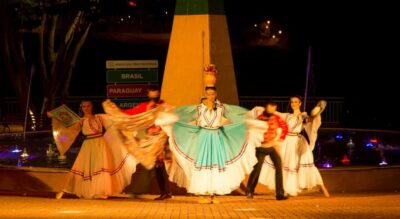
From Foz do Iguazu: Triple Frontier Landmark Ticket
Read our review →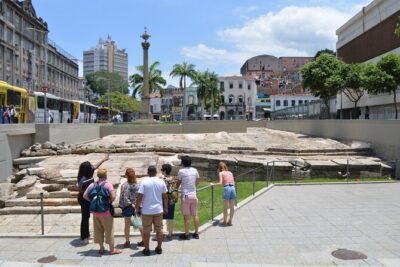
Explore Little Africa : Unveiling Afro Heritage in Rio de Janeiro
Read our review →
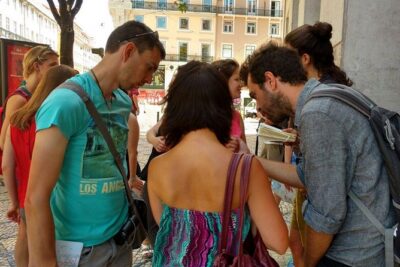
Downtown-Center History Walking Tour – in English
Read our review →Browse the lists this tour appears in