
Reviewed · HISTORICAL TOURS
Rio Culture and History through the Art of Traditional Foods
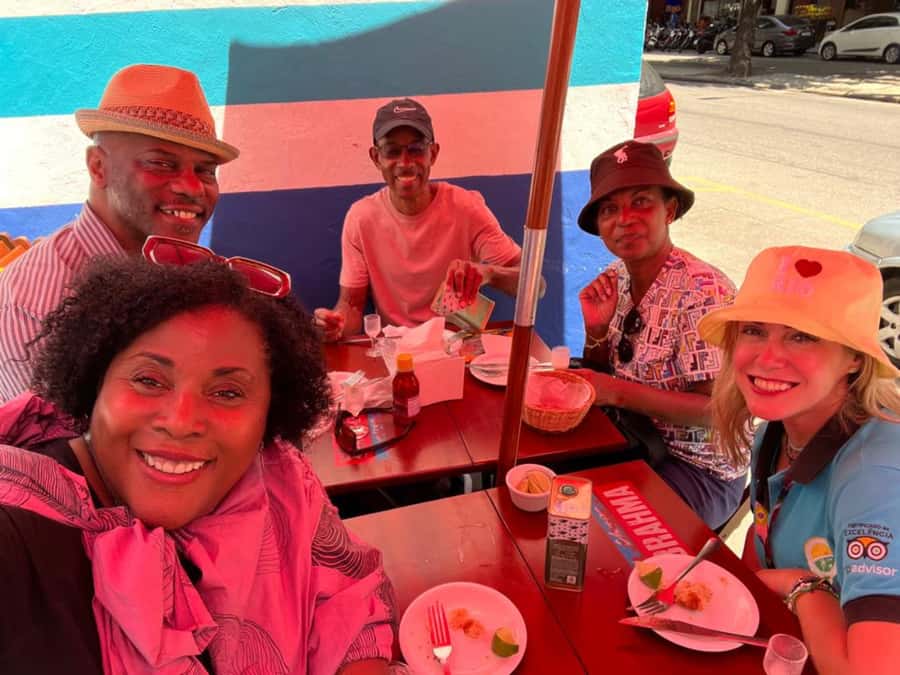
Rio tastes better on foot. This six-hour food and culture tour links Rio’s downtown sights with Santa Teresa and Lapa, using Brazilian food as the thread. I like the mix of tastings and sightseeing, especially the chance to try pão de queijo, coxinha, açaí, tapioca, manioc flour dishes, local beer, and cachaça in places tied to everyday Rio life. I also like that the tram ride crosses the Lapa Arches and passes Ruinas Park, turning a simple transfer into part of the experience.
The main consideration is the $198 price, which is high for a walking food tour. It makes more sense if you value a full day with a guide, entrance fees, tram transport, several tastings, and cultural context. You should also arrive hungry, since the food and drinks are a major part of the day, and remember that hotel pickup is not included.
In This Review
- Key Things to Know Before You Go
- Why Food Is the Best Way Into Rio
- Pão de Queijo, Coxinha, and the First Taste of Brazil
- Confeitaria Colombo and Rio’s Sweet Side
- Lapa Arches by Tram, With a View Along the Way
- Santa Teresa and Lapa Beyond the Postcard View
- Cachaça, Beer, Açaí, and the Social Side of the Tour
- The Guide Can Make or Break Six Hours
- How Much Food Do You Actually Get?
- Walking, Timing, and What to Carry
- Who Will Get the Most From This Experience?
- Is the Rio Food and Culture Tour Worth Booking?
- FAQ
- How long does the Rio food and culture tour last?
- What foods and drinks are included?
- Is the tram ride included?
- How much walking is involved?
- Is hotel pickup included?
- What languages are available?
- Can I cancel the tour?
Key Things to Know Before You Go
- Traditional Brazilian flavors lead the tour: Expect samples built around pão de queijo, coxinha, açaí, tapioca, manioc flour, sweets, beer, and cachaça.
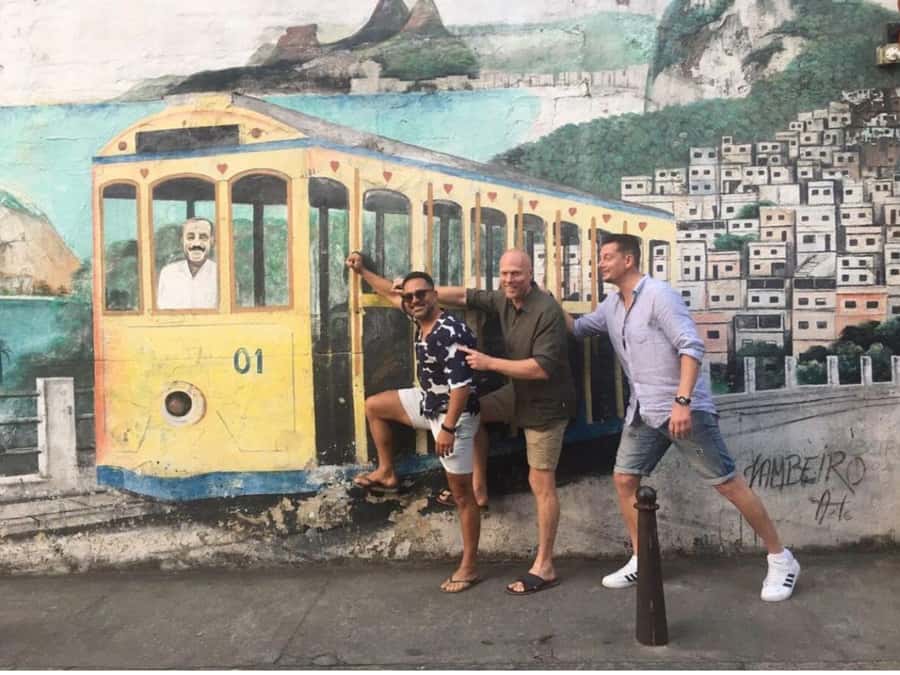
- The tram ride is part of the sightseeing: You cross the Lapa Arches aqueduct and pass Ruinas Park on the way to Santa Teresa.
- Confeitaria Colombo adds historic atmosphere: The famous confectionery is a key stop for both sweet and salty treats.
- You walk about one mile: The route suits most fitness levels, though Rio’s sun and warm weather make a hat and comfortable clothes useful.
- Guide personality matters here: Guides named Romayne and Camila have been praised for storytelling, local connections, and strong English.
- The tour runs about six hours: Check-in is at 10:30 a.m., with departure at 10:45 a.m., so this is a substantial half-day commitment.
Why Food Is the Best Way Into Rio
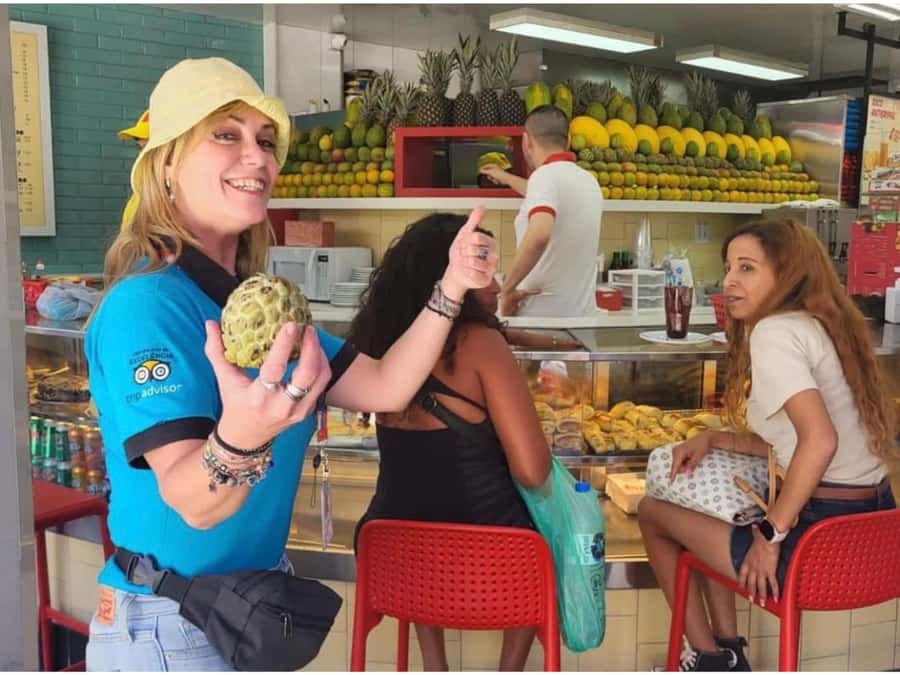
Rio’s food tells a story of movement, family, and adaptation. This tour does not treat Brazilian cooking as a list of exotic bites. Instead, it uses familiar snacks, drinks, and ingredients to explain how people eat and socialize in the city.
That approach works well for you if you want more than a standard sightseeing circuit. You still see important parts of downtown, Lapa, and Santa Teresa, but the stops have a practical purpose. You taste something, learn where it fits in Brazilian life, and then move on with a better sense of the city.
I especially like the focus on ingredients such as manioc flour and tapioca. These are not just menu curiosities. They are important building blocks in Brazilian cooking, and they help explain why so many local foods have distinctive textures and flavors.
The tour also includes açaí, cachaça, and local beer. These give the day a social feel, but the alcohol means you should pace yourself. The schedule includes several tastings and drinks, so this is not the right outing if you want a dry or very light food experience.
More Historical Tours in Rio de Janeiro
- Rio de Janeiro: Historic Rio and Santa Teresa Half-Day Tour
★ 4.4 · 228 reviews - Rio de Janeiro: Little Africa Heritage Walking Tour
★ 4.9 · 177 reviews - Explore Little Africa : Unveiling Afro Heritage in Rio de Janeiro
★ 5.0 · 97 reviews
Pão de Queijo, Coxinha, and the First Taste of Brazil
The early tastings introduce you to snacks that are easy to overlook when you are focused on Rio’s famous beaches and viewpoints. Pão de queijo, the small cheese bread made with manioc-based flour, is a good example. It is simple, portable, and deeply tied to casual Brazilian eating.
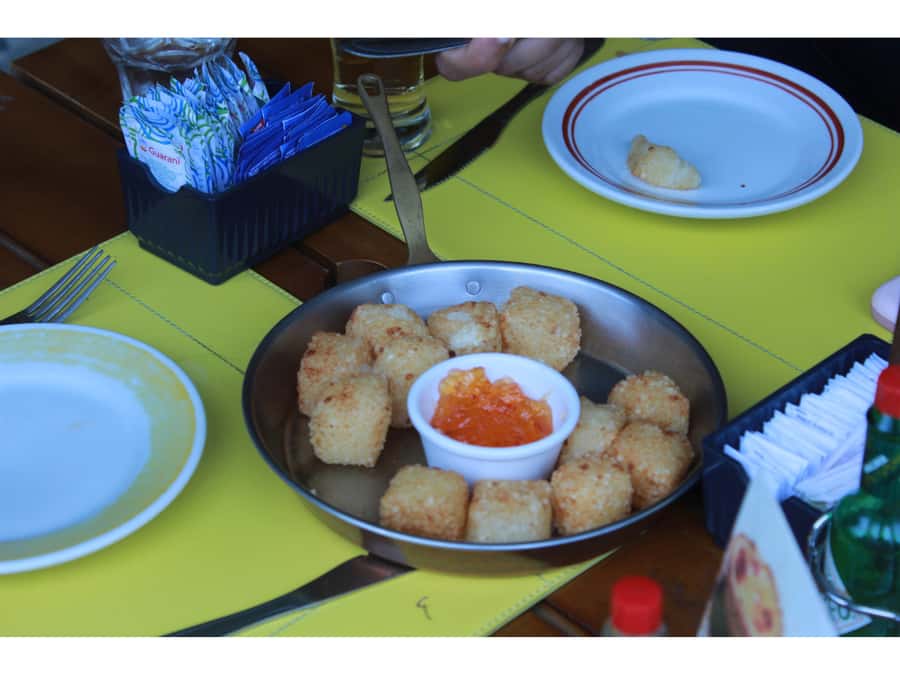
Coxinha offers a different experience. This popular savory snack has a crisp exterior and a soft filling, making it one of the classic foods to try from a Brazilian snack counter. Along with bacalao fritters and other salty foods, it gives you a useful look at the country’s everyday snack culture.
The value here is variety. You are not asked to commit to one unfamiliar dish as a full meal. Instead, you get small portions and can compare textures, seasonings, and cooking styles. That makes the tour friendly to curious eaters who want to try Brazilian food without ordering blindly in a restaurant.
Come hungry. One guide, Romayne, is praised for including many tastings over the six-hour route, along with drinks. The food is not a token sample added to a sightseeing tour. It is the day’s main subject.
Confeitaria Colombo and Rio’s Sweet Side

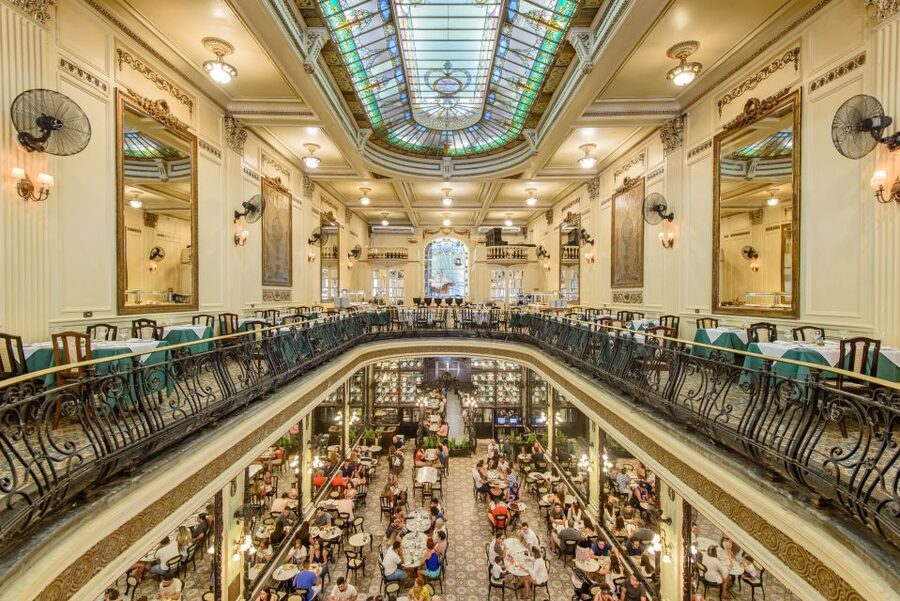
A major stop is the renowned Confeitaria Colombo, known in Portuguese as Confeitaria Colombo. Here you can expect a tempting spread of sweets and salty snacks in a setting that connects food with Rio’s city life.
The appeal is not only the pastry. The confectionery gives the tour a sense of place that a modern café cannot provide on its own. You get to see how a long-running food institution fits into the city’s social and architectural story while sampling its offerings.
I would treat this as one of the tour’s strongest stops for anyone who enjoys old cafés, polished interiors, and traditional sweets. It also provides a welcome change from street-style snacks and casual food counters.
The one limitation is that the exact tasting menu can vary. The experience promises sweets and savory items, but it does not specify every dish or portion. If you have allergies or strict dietary needs, ask about the available foods before booking rather than assuming every sample will suit you.
Lapa Arches by Tram, With a View Along the Way
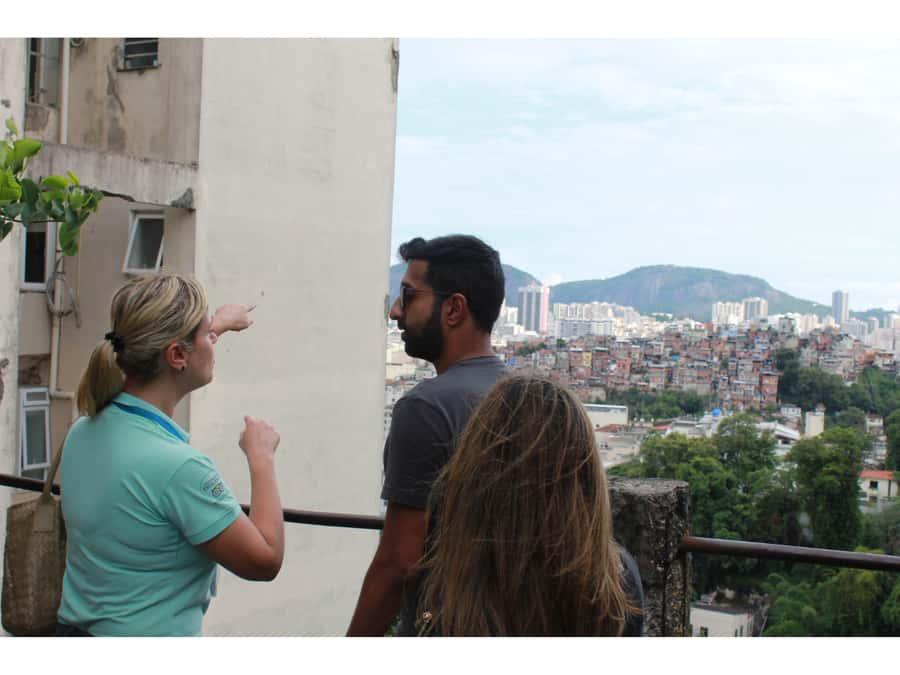
The tram ride to Santa Teresa is one of the most memorable practical details in the schedule. Rather than simply walking or taking a standard vehicle, you ride over the Lapa Arches aqueduct and pass Ruinas Park.
That route matters because transportation becomes part of the tour. You get a change of pace after the downtown tastings, and the elevated route offers panoramic views of Rio as you move toward Santa Teresa. It is a pleasant way to connect two neighborhoods without turning the transfer into dead time.
The ride also helps explain Rio’s unusual mix of old infrastructure, steep streets, artistic districts, and city views. You are not just being delivered to the next restaurant. The tram gives you a different angle on the city.
The tour includes the tram ticket, so you do not need to arrange that part separately. Keep your belongings manageable, though. Large bags and luggage are not allowed, and a compact day bag is a better choice than anything bulky.
More history-led tours:
- Learn the History of Rio with an Unforgettable City Center Walking Tour
★ 5.0 · 82 reviews - Rio’s city walking tour: a glimpse of history and olympic legacy
★ 4.5 · 78 reviews - Olympic Boulevard, Museum of Tomorrow & Historical Rio
★ 4.5 · 66 reviews - Rio: Olympic Boulevard, Museum of Tomorrow & History Tour
★ 4.1 · 47 reviews
Santa Teresa and Lapa Beyond the Postcard View
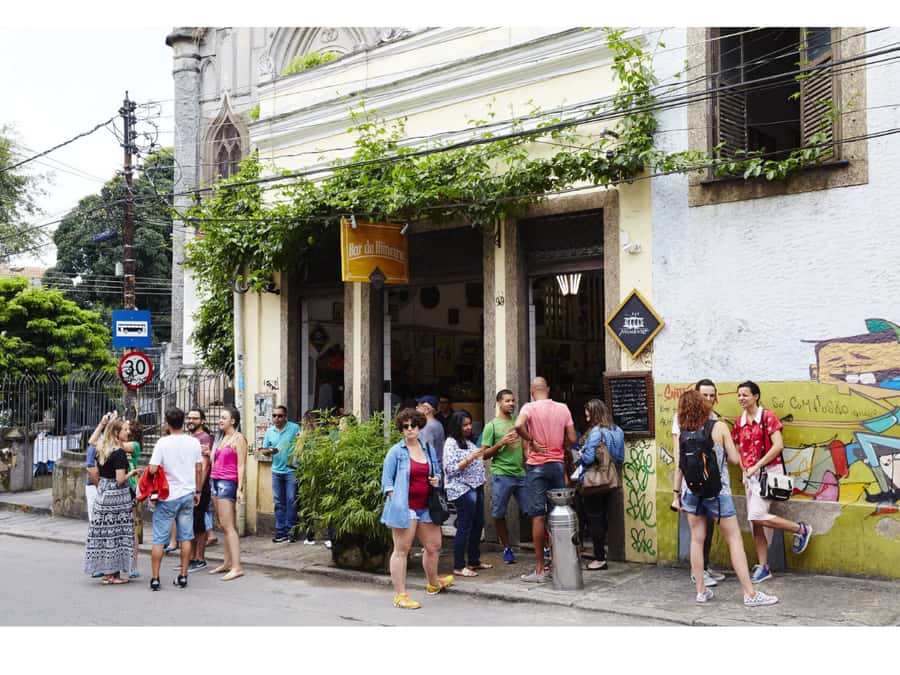
Lapa is known for nightlife, restaurants, bars, music, and major city landmarks. Santa Teresa has a different mood, with its hillside streets, creative venues, and casual places to eat and drink. The tour brings both districts into one day and shows how close they are, while also making their character feel distinct.
You will visit local restaurants and specialty shops rather than seeing the neighborhoods only from a bus window. That is important because food gives you a reason to pause. A bar or shop becomes more meaningful when your guide explains the family traditions or local habits connected to it.
The guide’s local relationships can shape this part of the day. Romayne has been praised for knowing staff at the places visited and for creating a welcoming atmosphere. Camila has also been praised for explaining how people live in Rio and for sharing personal connections to the places on the route.
Those details suggest that the guide is not simply reading facts from a script. Still, the exact experience depends on who leads your departure. The tour is offered in English and Spanish, and guide style can vary. If storytelling and personal conversation are important to you, this is worth keeping in mind.
Cachaça, Beer, Açaí, and the Social Side of the Tour
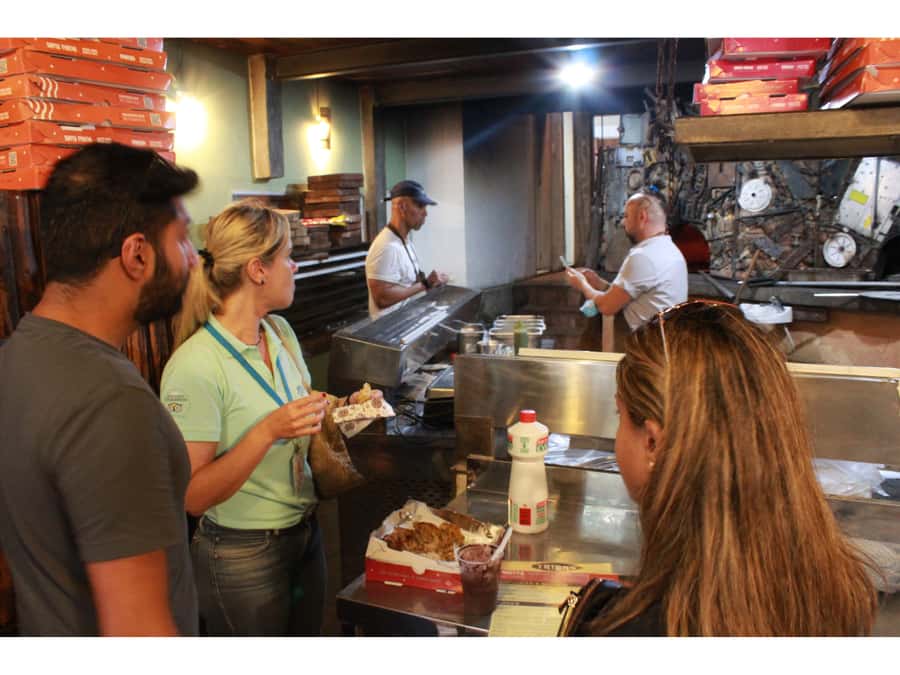
Brazilian food is not only about what is on the plate. Drinks matter, too, and this tour includes local beer and cachaça. Cachaça, made from sugarcane, is one of Brazil’s best-known spirits and a natural part of a food-focused introduction to the country.
You may also taste a caipirinha, according to the food stops described by past participants. A drink like this helps place cachaça in a more familiar context, especially if you are new to Brazilian spirits.
Açaí brings a different flavor and texture to the route. Outside Brazil, it is often treated as a sweet health-food product. Here, the tour gives you a chance to encounter it as part of local food culture, alongside ingredients such as tapioca and manioc flour.
The drinks add value if you enjoy tasting regional specialties and talking with a guide over a relaxed stop. They add less value if you do not drink alcohol, since part of the itinerary’s appeal is built around beer and cachaça. Additional food and drinks beyond the planned samples cost extra.
The Guide Can Make or Break Six Hours
Six hours is a long time for a guided food outing, so the guide matters as much as the menu. The strongest reports focus on Romayne and Camila, both praised for warmth, energy, and storytelling.
Romayne is described as an experienced guide who kept the day moving while still making time for questions. His personal relationships at restaurants and shops added a sense of welcome, and his stories connected food with Rio’s landmarks.
Camila is praised for her passion for Brazilian food and history. Her style appears especially personal, with explanations about daily life in Rio and the food traditions behind individual stops. One account also describes a visit that included homemade brigadeiros, though you should not assume that this extra treat is part of every departure.
This is the kind of tour where a good guide can turn a series of tastings into a coherent day. You will likely get more from it if you ask questions about ingredients, family recipes, eating habits, and the neighborhoods you pass through.
How Much Food Do You Actually Get?
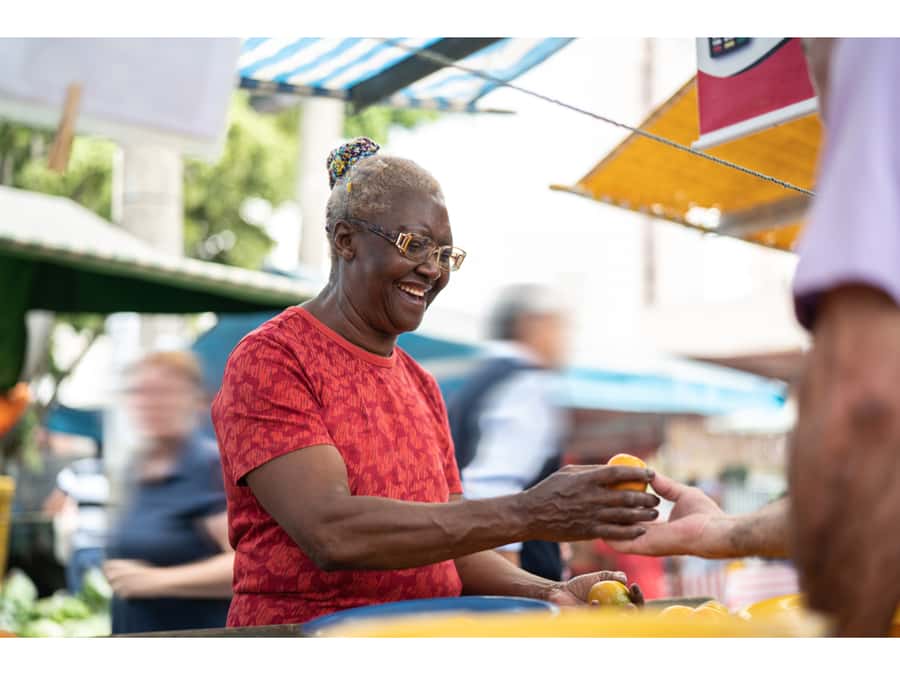
The tour includes tastings and food samples, but the information does not promise a fixed number of dishes or a full restaurant meal. The practical advice is simple: eat lightly beforehand, but do not assume the samples replace every meal for every appetite.
The range is impressive. You may try pão de queijo, coxinha, bacalao fritters, brigadeiros, açaí, tapioca-based foods, manioc flour preparations, sweets, beer, cachaça, and possibly caipirinhas. The exact combination can depend on the venues and the day.
For a person who likes small portions and variety, this is a strong setup. You can try many foods without ordering large plates. If you prefer one substantial meal, you may find the stop-by-stop format less satisfying, especially because extra food is not included.
The tour’s food value is best judged alongside the sightseeing and guide time. At $198 per person, you are paying for more than snacks. You are paying for a six-hour guided route, several food and drink experiences, the tram ticket, entrance fees, and access to a local interpretation of Rio.
Walking, Timing, and What to Carry
The stated walking distance is about one mile, making the route manageable for most fitness levels. That does not mean you should wear dress shoes. Choose comfortable clothes and footwear, and bring sunglasses and a sun hat.
Outdoor clothing is recommended, which is sensible for a route that combines streets, transport, viewpoints, and neighborhood stops. Rio’s sun can make a short walk feel longer than expected, especially when food and drinks slow the pace.
Check-in is at 10:30 a.m., with departure at 10:45 a.m. Arrive at least 10 minutes early. Hotel pickup and drop-off are not included, so you need to reach the designated meeting point on your own.
Do not bring luggage or a large bag. This is especially important because the tour includes walking and a tram ride. Carry only what you need for the day, with enough room for personal items and perhaps a water bottle if allowed by the guide.
Who Will Get the Most From This Experience?
I would recommend this tour most strongly to first-time visitors who want a broad introduction to Rio through food. It gives you downtown sights, Lapa, Santa Teresa, historic food venues, local drinks, and a guide who can answer questions as the day unfolds.
It also suits people who prefer an active introduction rather than a formal museum visit. You move between restaurants, specialty shops, streets, and the tram, so the day has plenty of variety.
Food lovers will get the clearest value. The focus is not just on famous Brazilian dishes, but on the ingredients and habits that shape them. You should also book if you enjoy learning about family traditions and everyday life rather than only checking off monuments.
I would hesitate if you have a very limited budget, do not drink alcohol, need a tightly specified menu, or want a short tour. Six hours is a serious block of time, and $198 is a premium price for the format.
Free cancellation up to 24 hours before departure and the option to reserve now and pay later make planning easier. Those policies do not change the price, but they reduce some of the risk when your Rio schedule is still taking shape.
Is the Rio Food and Culture Tour Worth Booking?
Book it if you want food to be your guide through Rio. The strongest reasons are the wide range of traditional samples, the Confeitaria Colombo stop, the tram crossing over the Lapa Arches, and the chance to see Lapa and Santa Teresa with a local storyteller.
The price is easier to justify when you treat this as a combined food tour, neighborhood walk, transport experience, and cultural introduction. It is less convincing if you mainly want a cheap way to taste a few snacks.
My practical advice is to schedule it early in your Rio stay. You will learn food names, restaurant customs, neighborhood basics, and useful context that can help with the rest of your visit. Arrive hungry, pack light, wear comfortable clothes, and be ready for a full day of eating, walking, talking, and seeing the city from several angles.
FAQ
How long does the Rio food and culture tour last?
The tour lasts about six hours. Check-in is at 10:30 a.m., and departure is at 10:45 a.m.
What foods and drinks are included?
Included tastings may feature pão de queijo, coxinha, açaí, tapioca, manioc flour-based foods, sweets, local beer, cachaça, and other Brazilian specialties. Bacalao fritters and caipirinhas are also included among the described tasting experiences.
Is the tram ride included?
Yes. The tram ticket is included, and the route crosses the Lapa Arches aqueduct and passes Ruinas Park on the way toward Santa Teresa.
How much walking is involved?
The stated walking distance is about one mile, which is suitable for most fitness levels.
Is hotel pickup included?
No. Hotel pickup and drop-off are not included. You need to reach the designated meeting point yourself.
What languages are available?
The live guide is available in English and Spanish.
Can I cancel the tour?
Yes. You can cancel up to 24 hours in advance for a full refund. The tour also offers a reserve-now, pay-later option.
Just added around Rio de Janeiro
- Pedra Bonita Trail: The easiest trail with a beautiful view of Rio★ 4.6 · 3 reviews
- Rio: Private, Custom express, Main Attractions!★ 5.0 · 3 reviews
- Rocinha Jeep Tour: A Journey into the Soul of the Favela!★ 3.8 · 3 reviews
- Rio: Favela Walking Tour of Rocinha with a Resident Guide★ 4.7 · 3 reviews
- Rio: Museum of Tomorrow, Yup Star & Olympic Boulevard★ 3.7 · 3 reviews
- Explore Fernando de Noronha: 7-Hour Ilhatour★ 4.9 · 3 reviews
- Rio: Best Dive Experience All Inclusive Scuba Diving Package★ 5.0 · 3 reviews
- Rio de Janeiro by Air: 10-Minute Helicopter Tour★ 4.4 · 3 reviews
Historical Tours, compared.



Scenic Train ride to historical cities of Morretes and Antonina
Read our review →

From Foz do Iguazu: Triple Frontier Landmark Ticket
Read our review →
Explore Little Africa : Unveiling Afro Heritage in Rio de Janeiro
Read our review →
Downtown-Center History Walking Tour – in English
Read our review →Browse the lists this tour appears in