
Reviewed · FAVELA TOURS
Favela Santa Marta: Walking Tour with local guide
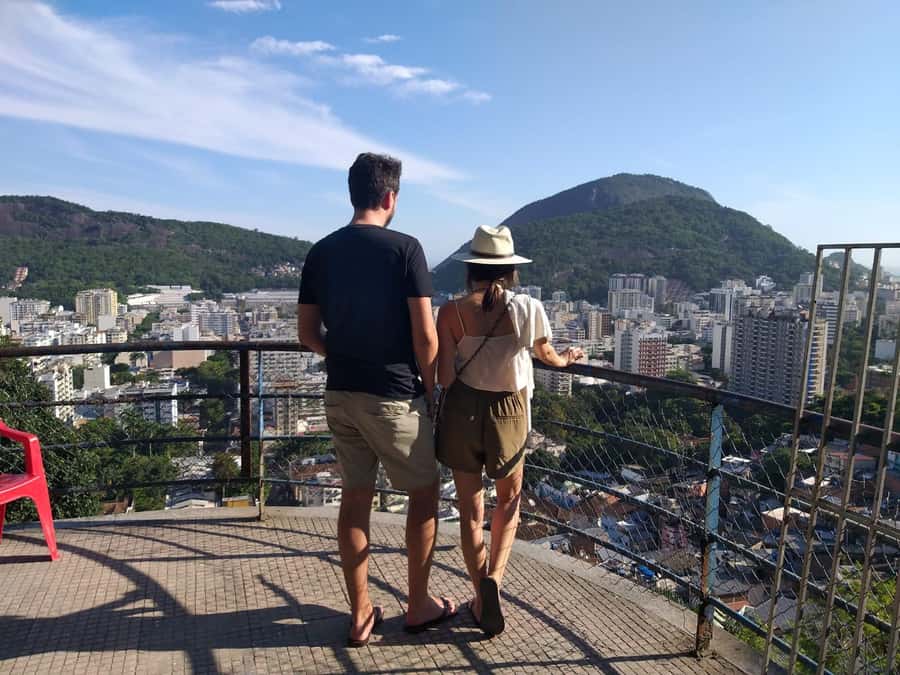
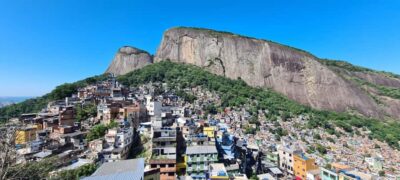
Rio looks different from Santa Marta’s hills. This 150-minute walking tour offers a direct look at daily life in Dona Marta, with a local resident guide leading you through colorful homes, community projects, street art, and the famous Michael Jackson viewpoint. I especially like the local perspective and the chance to visit places such as the arts center, sports center, Residents’ Association, and community daycare when open. The mountain views are another strong point.
The main consideration is guide quality, especially if you book a tour in a language other than Portuguese. One French-speaking booking had a poor experience after the guide arrived 45 minutes late and spoke only a few words of French. The funicular may also be out of service, leaving you with a steep walk or a taxi ride to the top.
In This Review
- Key points at a glance
- Why Santa Marta gives Rio a different view
- Taking the funicular to the highest point
- Walking past homes, murals, and local projects
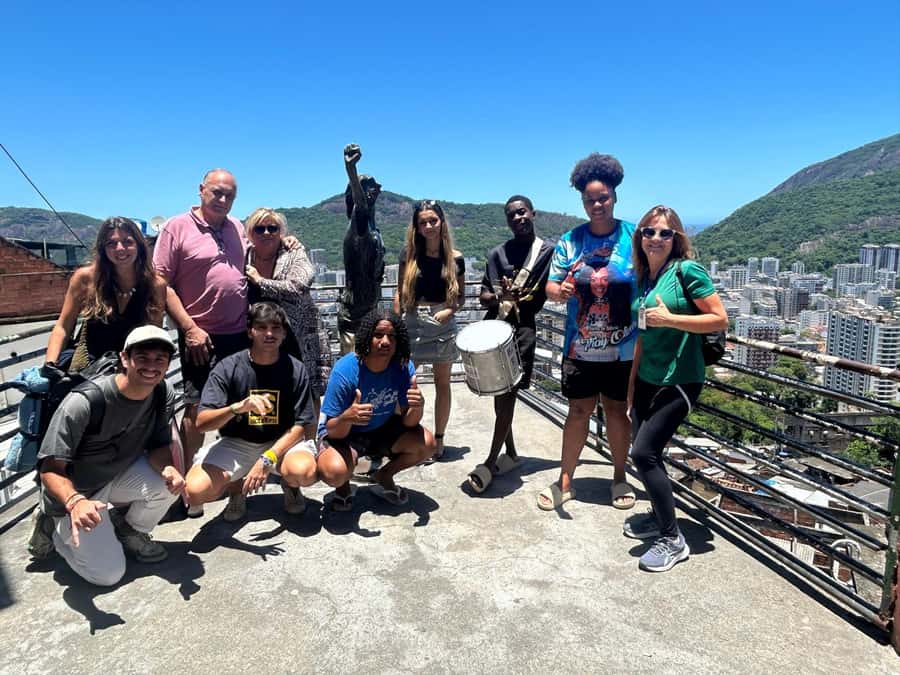
- The Michael Jackson connection at Laje do Michael Jackson
- What a local resident guide adds
- Is $34 a fair price?
- Who will enjoy this walk most
- Practical advice before you go
- Should you book the Santa Marta walking tour?
- FAQ
- How long does the Santa Marta walking tour last?
- Which languages are available?
- Does the tour include a local guide?
- What happens if the Santa Marta cable car is closed?
- Is food included?
- What should I bring?
- Is the tour suitable for people with mobility impairments?
Key points at a glance
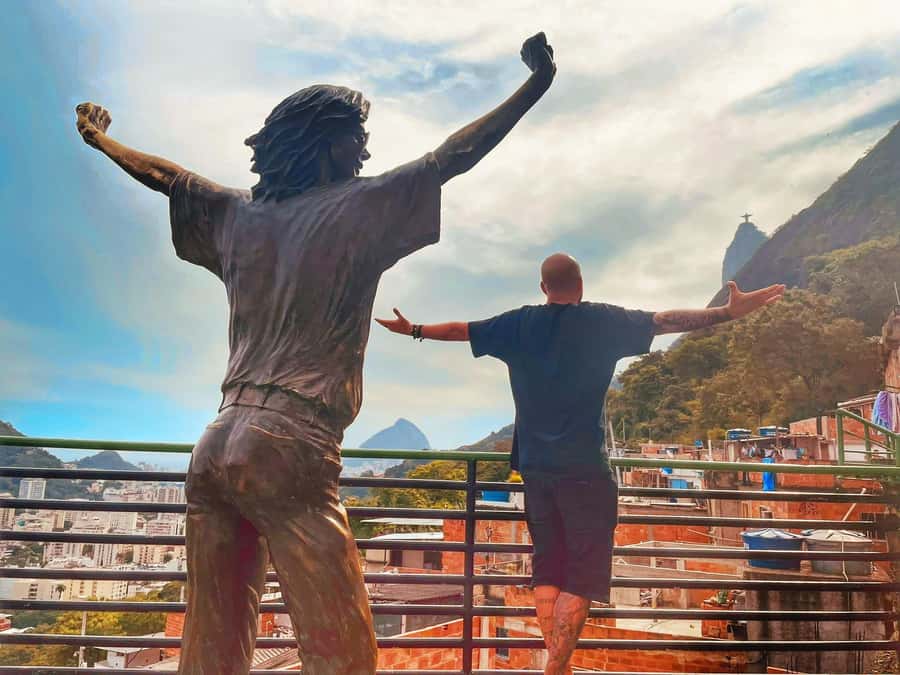
- Michael Jackson’s Laje viewpoint: See the statue and location used for They Don’t Care About Us, with broad views across Rio’s mountains.
- A local guide leads the way: The tour is designed around a resident guide rather than a guide who simply observes the community from outside.
- Community projects are part of the visit: The route can include the arts center, sports center, daycare, Residents’ Association, and social projects.
- Small groups or private tours: A more personal format can make it easier to ask questions and discuss local life.
- Language choice matters: Tours are offered in English, French, Spanish, and Portuguese, but confirm that your assigned guide speaks your chosen language well.
- Bring cash and sturdy shoes: You may want souvenirs, food, or drinks, and the route includes uphill walking on uneven streets.
Why Santa Marta gives Rio a different view
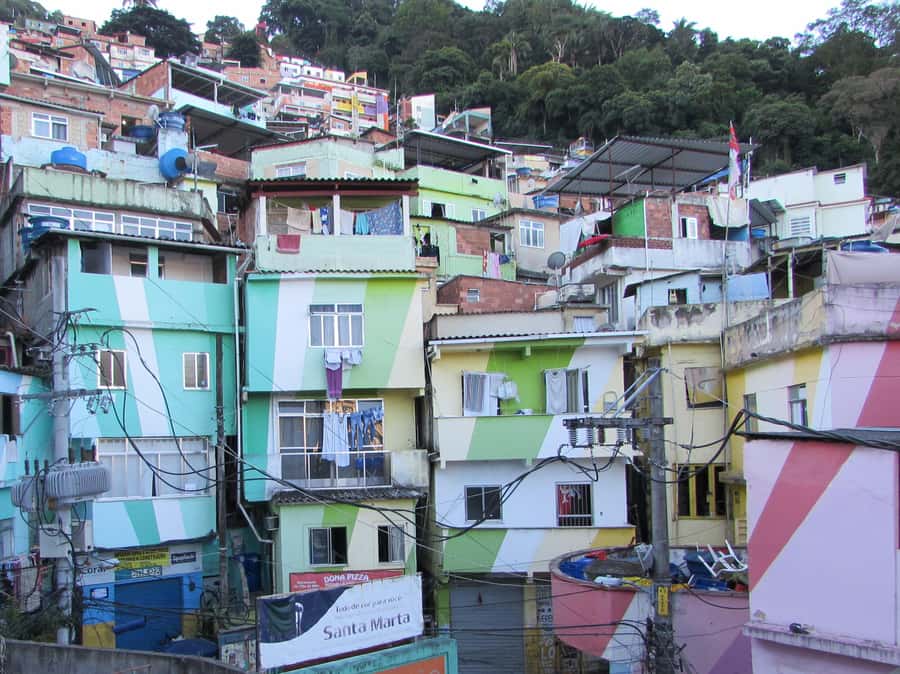
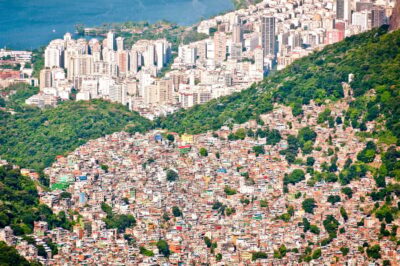
Santa Marta is a favela in Rio’s Southeast Region, home to about 8,000 residents. The tour does not treat the community as a backdrop for photographs. Instead, it focuses on homes, local projects, public art, small shops, and the people who live there.
That matters because a visit like this can easily become shallow. You walk in, take a few pictures, hear a quick explanation, and leave with the same ideas you had before. This route aims for something better. The guide connects the streets you see with the social projects and institutions that serve local residents.
I like that the tour includes both ordinary details and well-known sights. You may see colorful traditional houses and murals, then hear about education projects or visit the Residents’ Association. The result is less polished than a standard city attraction, but also more revealing.
You should keep your expectations realistic. This is a walking tour through a working residential community, not a museum with fixed exhibits and guaranteed opening hours. The community daycare is visited only when it is open, and one French-language booking missed a music school visit because the school was operating later in the day. The exact stops can depend on local schedules.
More Walking Tours in Rio de Janeiro
- Rio de Janeiro: Rocinha Favela Walking Tour with Local Guide
★ 4.8 · 3,052 reviews - Rio De Janeiro: Half-Day Rocinha Favela Walking Tour
★ 4.7 · 2,272 reviews - Sunrise and Sunrise Walk Two Brothers with Local Guide
★ 5.0 · 193 reviews
Taking the funicular to the highest point
The tour begins with a funicular ride to the highest part of the favela. This is a practical choice, not just a sightseeing extra. Starting above the main streets lets you walk downhill or across the community rather than beginning with the hardest climb.
The funicular also gives you a quick sense of Santa Marta’s steep setting. Once you start walking, the route unfolds through narrow streets and uphill sections, with homes rising around you. The guide explains how the colorful buildings fit into the community and how the neighborhood developed.
The cable car is not guaranteed to operate. If Santa Marta’s cable car is closed on the day of your tour, your guide will walk with you to the top. You can also take a taxi for about R$15. If the uphill walk sounds difficult, ask about the taxi option before setting off.
This is one reason to wear comfortable shoes rather than sandals with poor grip. The tour lasts two and a half hours, and the route is not suitable for people with mobility impairments. Light rain does not automatically cancel the walk, so dress for changing weather.
Walking past homes, murals, and local projects
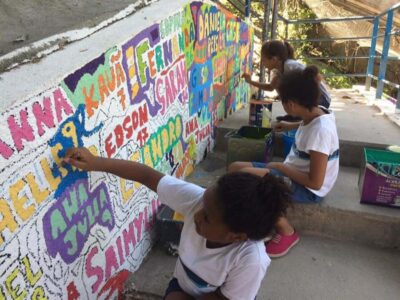
The heart of the experience is the walk itself. You move through streets lined with colorful traditional houses and see how residents have shaped the neighborhood. Street art adds color, but the important point is not simply that the walls look good. The murals form part of the character of the place and give the guide something concrete to explain.
The route also includes educational and social projects. You may visit the Dona Marta arts center and the favela’s sports center, as well as the Residents’ Association and other community projects. A daycare visit is possible when the center is open.
I value these stops because they show Santa Marta as a place with institutions, activities, and local efforts, not only as a place defined by poverty or crime. The tour specifically aims to challenge negative stereotypes, and the community projects provide a useful way to do that without pretending that every problem has disappeared.
Still, the route may vary. You should not book this expecting every listed site to be open on every date. A music or arts program may run at a different time, and a daycare or center may be closed. The experience is strongest when you treat the itinerary as a guided look at community life rather than a checklist of attractions.
The guide’s role makes a big difference here. An excellent guide can explain why a project matters, point out details you would miss, and answer direct questions about the neighborhood. Sonia’s French-language tour was praised for its clear explanations and friendly guide, while another French booking was badly affected by a late arrival and weak language skills.
The Michael Jackson connection at Laje do Michael Jackson
The best-known stop is Laje do Michael Jackson, a viewpoint with a statue of the American singer. The location became famous because it appeared in the video for They Don’t Care About Us.
This stop works on two levels. Fans of Michael Jackson get a pop-culture landmark, while other visitors get a useful viewpoint and a chance to understand why this part of Santa Marta became known beyond Rio. The statue is an easy reference point for the story, and the setting gives the stop more weight than a simple photo opportunity.
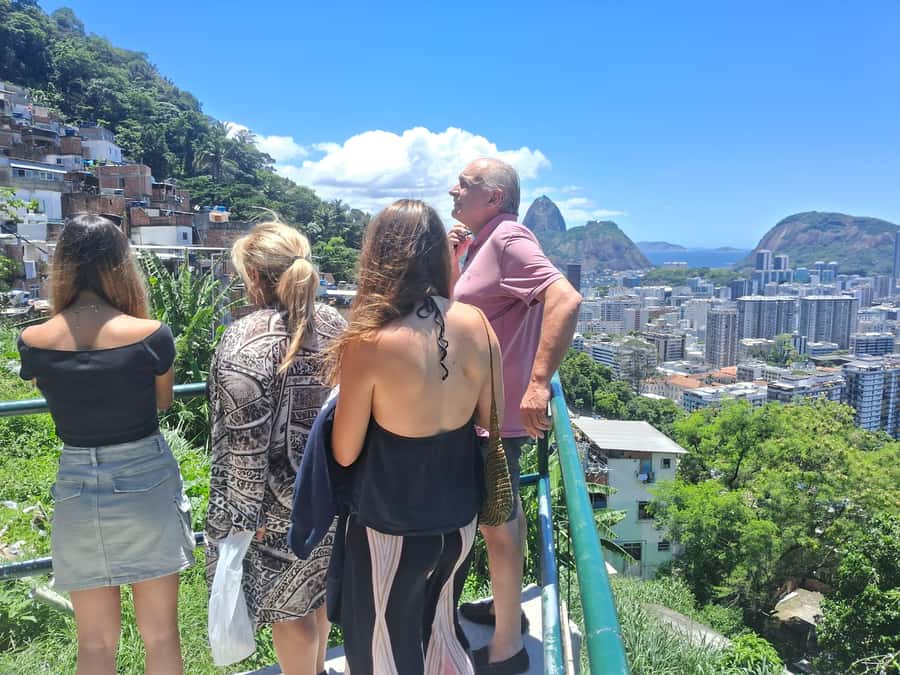
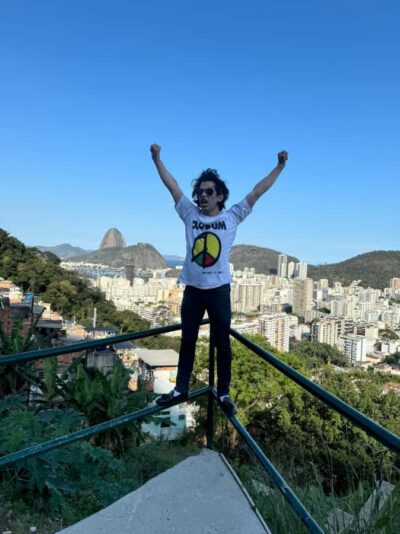
From here, you can enjoy a broad view across Rio’s mountains and surrounding area. The outlook is one of the tour’s clearest rewards. It also helps you understand Santa Marta’s steep position within the city.
Bring a camera if you want one, but avoid letting the statue become the entire point of the stop. The more interesting question is how an international music video brought attention to a local neighborhood. Your guide can provide the context, though the quality of that explanation depends heavily on the person assigned to your group.
More guided community visits:
- Rio de Janeiro: Favela Santa Marta Top Tour with Local Guide
★ 4.9 · 488 reviews - Rio de Janeiro: Favela Santa Marta Tour with Resident Guide
★ 4.6 · 220 reviews - Rio: Favela Rocinha Tour with Local Guide & Secret Spots
★ 4.7 · 218 reviews - Rio de Janeiro: Vidigal Favela Tour and Two Brothers Hike
★ 4.5 · 121 reviews
What a local resident guide adds
The experience promises a local resident guide, which is its strongest feature. A guide who lives in or comes from the community can speak about Santa Marta as a home rather than as an abstract social issue.
That local connection can change the tone of the walk. You can ask about the streets, local projects, daily routines, and the history of the houses while standing in the places being discussed. The experience is more useful when the guide gives context instead of rushing you from one photo stop to another.
The available languages are English, French, Spanish, and Portuguese. If you need a language other than Portuguese, confirm the language arrangement carefully. The tour description says those languages are offered, but one serious complaint came from a French booking where the assigned guide spoke only a few words of French. That problem affected both the information and the value of the visit.
Specific guide feedback is encouraging overall. Marco received warm praise after a French-language tour, and another French-speaking guide was described as friendly, clear, and able to explain the origins and way of life of the favela. The contrast shows why the assigned guide matters so much.
Private and small-group options are available. I would favor a small group if your budget allows. You get more room to ask questions, and the guide can usually keep the pace more comfortable. A private format may be especially useful if you want a particular language or have a strong interest in community projects, street art, or the Michael Jackson connection.
Is $34 a fair price?
At $34 per person, this tour sits in a reasonable range for a two-and-a-half-hour guided experience, especially because it includes a local guide and access to community-focused stops. You are paying for interpretation, not just transport or a viewpoint.
The value depends on how much explanation you receive. A strong guide can connect the houses, murals, arts center, sports center, social projects, and Michael Jackson site into one clear story. A weak or late guide can reduce the same tour to a walk through the streets, which is exactly what made one booking feel disappointing.
Food is not included, but you can buy something at a local pub. Cash is useful for drinks, food, souvenirs, and purchases at local stores. This is a small extra cost, but it lets you support local businesses and make the visit feel less like a passing inspection.
The flexible booking terms also reduce some risk. You can cancel up to 24 hours before the tour for a full refund, and you can reserve now and pay later. Those terms are practical if your Rio schedule may change.
Who will enjoy this walk most
I would recommend Santa Marta to you if you want to understand Rio through a neighborhood rather than only through monuments and beaches. It suits people interested in local life, community projects, street art, music, social history, and the way famous cultural events affect ordinary places.
It also suits visitors who prefer a personal tour. The small or private group formats can make the experience more conversational, and a local resident guide gives the route a stronger human connection.
The tour may not suit you if you want a tightly timed sightseeing program with every stop guaranteed. Opening hours can change. The daycare is available only when open, and a music school or similar project may operate at another time of day.
It is also a poor fit if steep walking is difficult for you. Even with the funicular operating, the tour involves walking through a hilly community. If the cable car is closed, you will need to walk to the top or pay about R$15 for a taxi.
Practical advice before you go
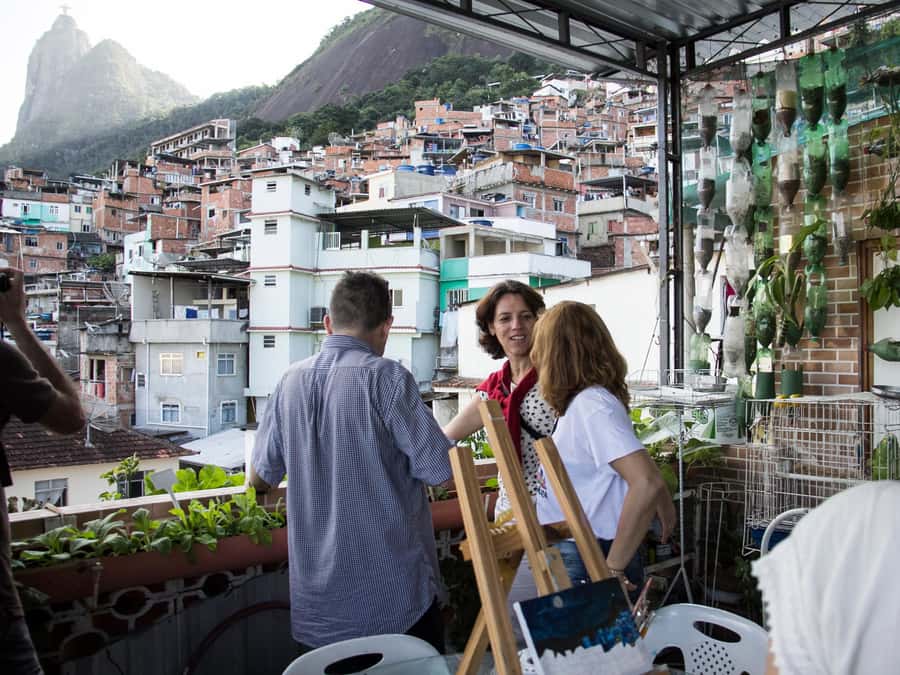
Wear shoes that can handle a hilly walking route. Bring a passport or ID card, as well as cash for local purchases. A light rain does not stop the tour, so a rain layer is sensible.
Pay attention to the meeting point when you book because it can vary by option. If you have selected English, French, or Spanish, confirm that your guide will conduct the tour in that language. This is especially important because language problems caused one of the weakest experiences.
Arrive ready to listen and observe. Santa Marta is a residential community, so respectful behavior matters. Ask before taking close-up pictures of people, and focus on the guide’s explanations rather than treating the houses as a photo set.
If the funicular is closed, decide early whether you prefer the uphill walk or taxi. The taxi costs about R$15, but you should still go with the guide rather than trying to find the route alone.
Should you book the Santa Marta walking tour?
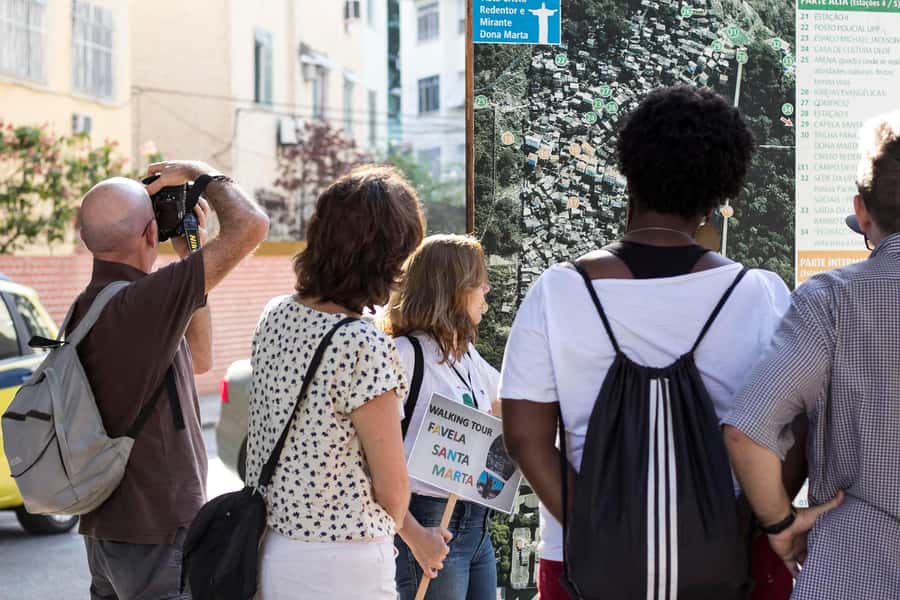
Book it if you want a direct, local-led look at Rio and you are comfortable with hills, changing stop schedules, and a working neighborhood setting. The best parts are the local resident guide, the community projects, and the view from Laje do Michael Jackson.
I would be more cautious if language service is essential or if you need a fully predictable itinerary. Confirm your language, ask about the funicular, and consider a small-group or private option. With a good guide, $34 buys a thoughtful and memorable introduction to Santa Marta. With a poor language match or late start, the same price can feel high for a simple walk.
FAQ
How long does the Santa Marta walking tour last?
The tour lasts 150 minutes, or two and a half hours.
Which languages are available?
Live tours are offered in English, French, Spanish, and Portuguese.
Does the tour include a local guide?
Yes. The experience includes a local resident guide and is described as led by an official tour guide.
What happens if the Santa Marta cable car is closed?
You will walk to the top of the favela with your guide. Alternatively, you can take a taxi, which costs about R$15.
Is food included?
No. Food is not included, but you can buy food at a local pub. Cash is also useful for drinks, souvenirs, and local shops.
What should I bring?
Bring a passport or ID card, comfortable shoes, and cash. You should also dress for light rain if the forecast calls for it.
Is the tour suitable for people with mobility impairments?
No. The tour is not suitable for people with mobility impairments because it involves walking through a hilly community.
More Walking Tours
- Rio de Janeiro: Little Africa Heritage Walking Tour
★ 4.9 · 177 reviews - Learn the History of Rio with an Unforgettable City Center Walking Tour
★ 5.0 · 82 reviews - Rio’s city walking tour: a glimpse of history and olympic legacy
★ 4.5 · 78 reviews - Walking tour of the bohemian neighborhoods of Santa Teresa and Lapa
★ 5.0 · 59 reviews
Just added around Rio de Janeiro
- Pedra Bonita Trail: The easiest trail with a beautiful view of Rio★ 4.6 · 3 reviews
- Rocinha Jeep Tour: A Journey into the Soul of the Favela!★ 3.8 · 3 reviews
- Rio: Private, Custom express, Main Attractions!★ 5.0 · 3 reviews
- Rio: Favela Walking Tour of Rocinha with a Resident Guide★ 4.7 · 3 reviews
- Explore Fernando de Noronha: 7-Hour Ilhatour★ 4.9 · 3 reviews
- Rio: Museum of Tomorrow, Yup Star & Olympic Boulevard★ 3.7 · 3 reviews
- Rio: Best Dive Experience All Inclusive Scuba Diving Package★ 5.0 · 3 reviews
- Rio de Janeiro by Air: 10-Minute Helicopter Tour★ 4.4 · 3 reviews
Favela Tours, compared.
Favela Rocinha Tour with Local Guide & Secret Spots
Read our review →
Favela Tour The Original, Rocinha & Vila Canoas since 1992
Read our review →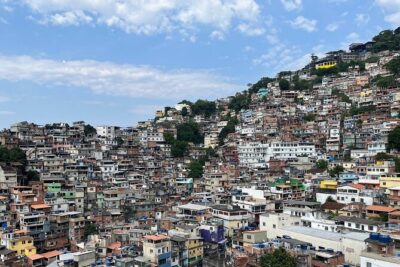
Browse the lists this tour appears in