
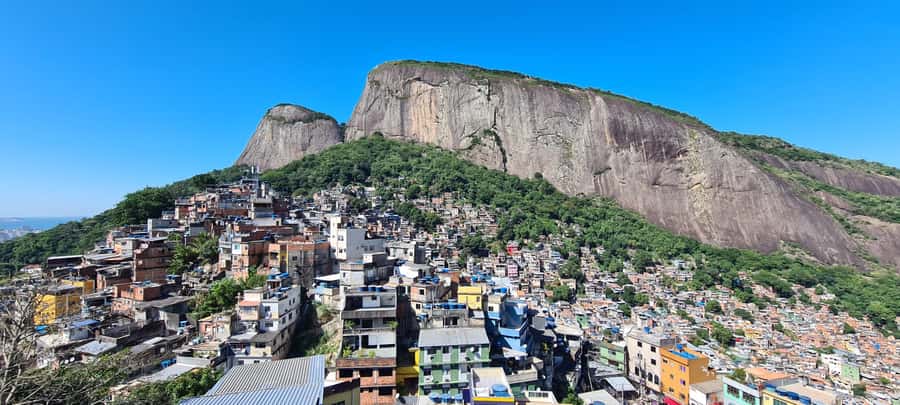
Reviewed · FAVELA TOURS
Favela Tour The Original, Rocinha & Vila Canoas since 1992
Rio reveals another side here. This three-hour walk through Rocinha and Vila Canoas brings you into everyday community life, with sharp social context, friendly local contact, and sweeping views across the city. I especially like the tour’s effort to replace fear and pity with understanding, and the fact that part of its work supports a community school and other local projects.
The main consideration is that this is a walking tour through steep hills and narrow lanes, not a polished sightseeing outing. Language arrangements can also change, and one recent booking problem involved a promised Italian-language departure and a missed visit to Rocinha, so confirm the details directly before you go.
In This Review
- Key points to know
- Why This Tour Matters in Rio
- Starting in the South Zone
- Rocinha, Rio’s Largest Favela
- Vila Canoas Adds Needed Perspective
- The School and Local Projects
- Views That Put Rio in Context
- Safety, Respect, and the Right Mindset
- Guides Make the Difference
- Is $33 Good Value?
- Who Should Book This Outing?
- My Verdict on Rocinha and Vila Canoas
- FAQ
- How long does the Favela Tour take?
- Which favelas does the tour visit?
- Is transportation included?
- Where can I be picked up?
- Which languages are available?
- Does the tour visit a school?
- Is the tour mostly walking?
- Are food and drinks included?
- Can I cancel for a full refund?
- Can I reserve now and pay later?
Key points to know
- Rocinha is Brazil’s largest favela, giving you a close look at a huge, complex hillside community rather than a staged attraction.
- Vila Canoas offers a second point of comparison, helping you see that Rio’s favelas are not all alike.
- The visit includes a community school, financed by Favela Tour, along with a handcraft center and other local projects.
- Hotel pickup and drop-off cover much of Rio’s South Zone, including Copacabana, Ipanema, Leblon, Leme, and São Conrado.
- The guide-led walk lasts about 2 hours and 15 minutes, with the full outing taking around three hours.
- English, French, Spanish, Italian, and Portuguese tours are available, but less common language departures may need special confirmation.
Why This Tour Matters in Rio

Rio is famous for beaches, sugarloaf-shaped mountains, and postcard views. Yet much of the city’s social reality sits on the hillsides above those postcard scenes. There are close to 1,000 favelas in Rio, and together they are home to roughly 20 percent of the city’s population.
For many visitors, these communities remain visible from a distance but poorly understood. You may see dense housing on a hillside and know almost nothing about how people live there, how the communities developed, or how they fit into Brazil’s larger social structure. This tour tries to fill in those gaps.
I like that it does not present Rocinha simply as a place of hardship. It addresses poverty, exclusion, public policy, local enterprise, education, and the contrasts that shape Brazilian life. That wider frame is important. A short visit cannot explain every part of Rio, but it can help you see the city with fewer lazy assumptions.
The tour also makes a clear effort not to treat residents as scenery. You walk through residential and commercial areas, visit local projects, and meet people in a setting built around explanation rather than spectacle. You should still behave as you would in any neighborhood: listen, ask before taking photographs, and avoid treating private homes or daily routines as photo props.
More guided community visits:
- Rio de Janeiro: Rocinha Favela Walking Tour with Local Guide
★ 4.8 · 3,052 reviews - Rio De Janeiro: Half-Day Rocinha Favela Walking Tour
★ 4.7 · 2,272 reviews - Rio de Janeiro: Favela Santa Marta Top Tour with Local Guide
★ 4.9 · 488 reviews
Starting in the South Zone
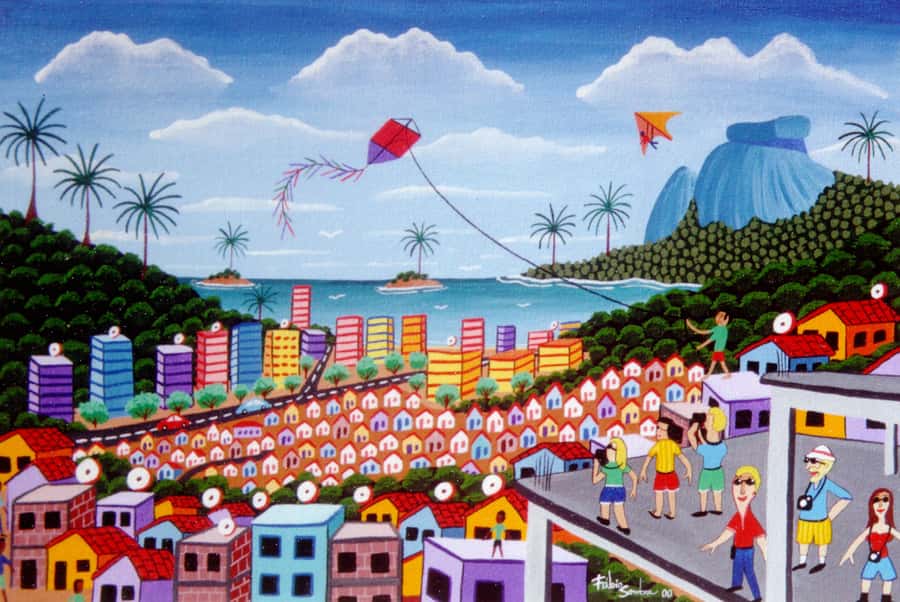
Pickup is available from hotels in Leme, Copacabana, Ipanema, Leblon, and São Conrado, with the beach-front areas more likely to be used as regular meeting points. You may be asked to go to a specific hotel nearby rather than receive a pickup directly at your own door.
That arrangement is practical in a city where hotels are spread across several busy districts. It also means you should read the meeting instructions carefully and allow a little flexibility at the start. The listed pickup points are Leblon, Copacabana Beach, Ipanema, and São Conrado, with return to those same general areas.
The tour begins when you get into the vehicle, not only when you reach Rocinha. That matters because the guide uses the drive to introduce Rio’s divisions, geography, and social contrasts. You are not simply being carried to a neighborhood and handed over to a local walk. The commentary starts early.
Language is another point to settle before the day. Tours are offered in English, French, Spanish, Italian, and Portuguese. English appears to be the safest choice for regular availability, while Italian and other languages may depend on wider demand. Confirm your language, pickup time, and the plan for visiting both communities by phone, email, or WhatsApp once you are in Rio.
Rocinha, Rio’s Largest Favela
Rocinha is the central stop, and its scale gives the tour real weight. It is described as the largest favela in Brazil, and its hillside setting makes an immediate impression. From a distance, the community can look like a dense patchwork of buildings. Up close, you begin to see the layers: homes, shops, lanes, stairways, working businesses, and the daily movement of a large population.
The walk takes you through both residential and commercial areas. This is where the tour becomes more useful than a quick viewpoint stop. You are able to see that Rocinha is not a single block or a uniform zone. It is a functioning community with places to live, work, study, shop, and meet.
The narrow alleyways require attention. You should wear comfortable shoes and be ready to walk uphill or on uneven ground. The tour description does not promise a flat route, and the setting itself makes some climbing likely. Bring water and keep your hands free where possible.
A guide is especially important here. The streets may look confusing, and the social background is not obvious from architecture alone. A good explanation helps you understand why favelas developed on former public land on hillsides, why they became home to such a large share of Rio’s population, and why their reputation often tells only part of the story.
One of the strongest parts of the visit is its attempt to show ordinary life alongside serious problems. Rocinha has challenges connected to poverty and exclusion, but it also has commerce, organization, education, and strong local identity. You should expect an honest account rather than a sales pitch for Rio or a bleak portrait designed to shock you.
Vila Canoas Adds Needed Perspective
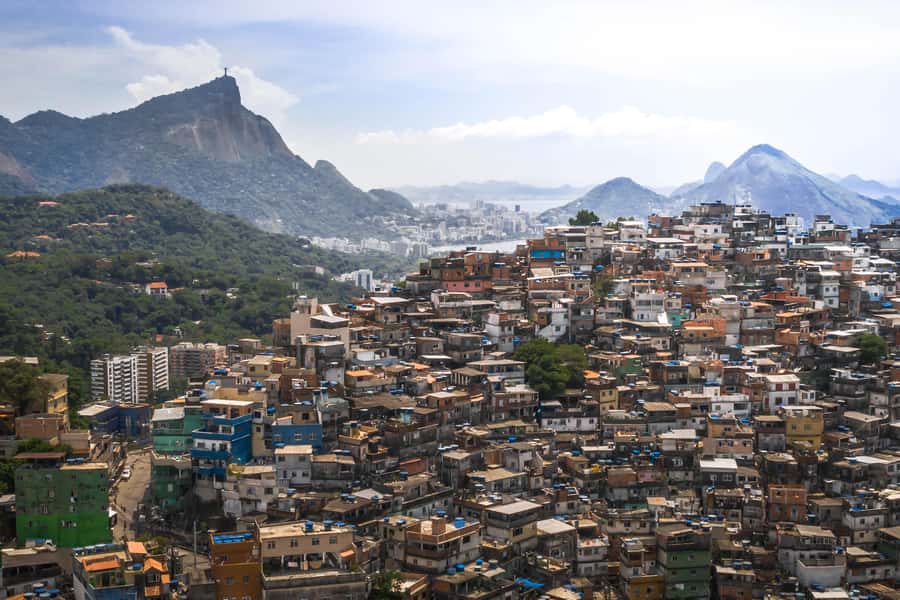
Visiting Vila Canoas after Rocinha is a smart choice. If you only saw one favela, you might wrongly assume it represents them all. A second community gives you a basis for comparison.
The two places are different in scale and character, and the tour uses that contrast to explain the variety within Rio’s favela communities. You may notice changes in the built environment, the pace of the streets, or the way homes and businesses fit together. The supplied details do not promise a fixed set of stops inside Vila Canoas, so the exact route can depend on local conditions and the guide’s plan.
This part of the tour also keeps the focus on people rather than labels. The point is not to collect two dramatic backdrops. It is to understand that favelas have distinct identities and histories, even when outsiders group them together.
I appreciate that the tour includes both communities in a three-hour format. The time is short, but the comparison makes each stop more meaningful. You get a broader picture without committing half a day or a full day to the subject.
A few more trips worth weighing up before you book
- Rio de Janeiro: 6-Stop Highlights of Rio with Lunch
★ 4.4 · 5,157 reviews - Christ the Redeemer Entry Ticket by Corcovado Train
★ 4.4 · 4,476 reviews - Rio: Christ the Redeemer, Sugarloaf, Selaron & BBQ Lunch
★ 4.5 · 2,428 reviews - Rio de Janeiro: Angra dos Reis and Ilha Grande Full-Day Tour
★ 4.6 · 1,673 reviews
The School and Local Projects
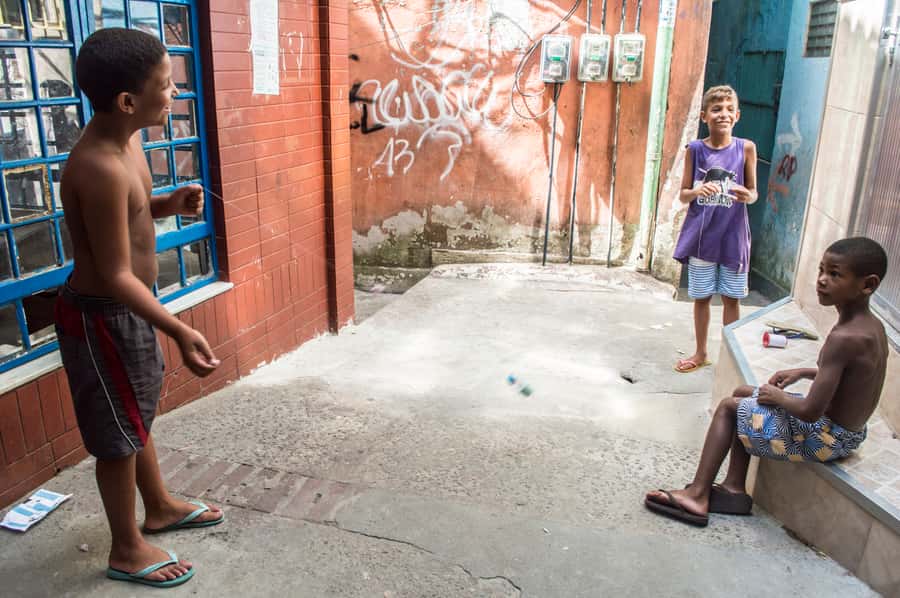
The community school is a major reason to choose this outing. Favela Tour helps finance it, and the visit connects the tour’s educational message to a practical local project. You are not only hearing about social conditions in the abstract. You are seeing one place where support is directed toward education.
The tour also includes a handcraft center and other local projects. You can bring extra money for drinks, snacks, or local handicrafts. Buying something, when you genuinely want it, offers a direct way to support local activity. Do not feel pressured to shop, but it is useful to have small spending money if you like locally made items.
The school visit received especially warm praise, along with the guides’ explanations of favela history and daily life. Gabor Zoltan called it the highlight of his outing, while Francesco was singled out for clear explanations about the communities and Brazilian society. Those details suggest that the guide’s ability to connect places with larger issues is one of the tour’s strongest assets.
The school should not be treated as a feel-good photo stop. Its value is educational and social. Be respectful, follow the guide’s instructions, and remember that it is a working community institution rather than a museum.
Views That Put Rio in Context
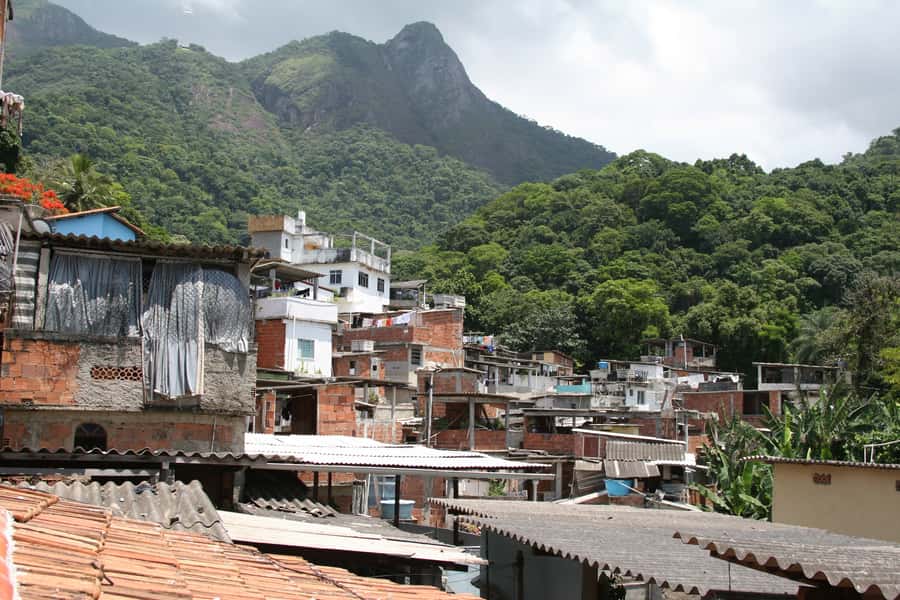
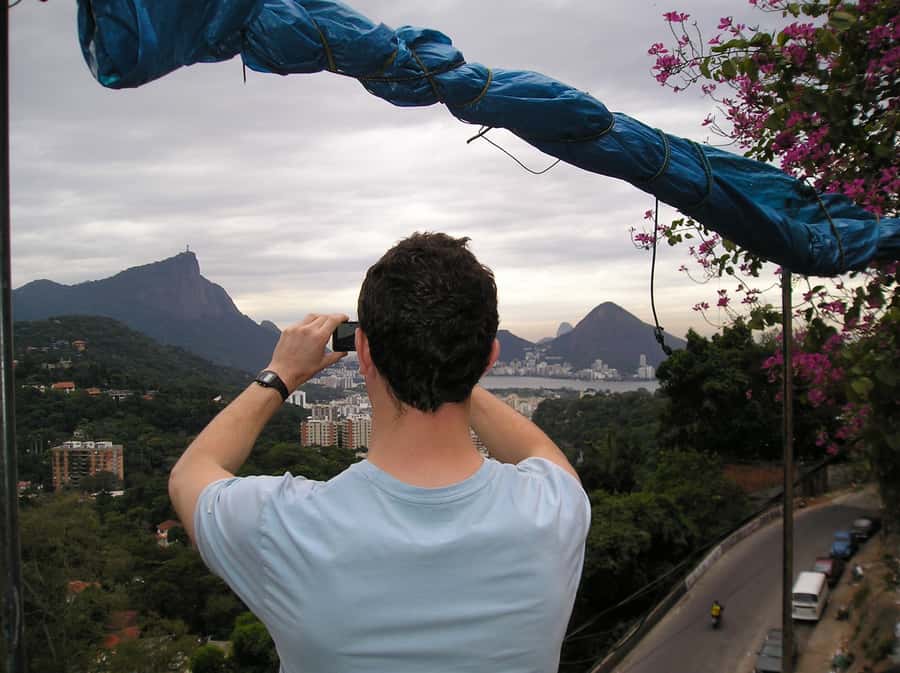
The tour includes scenic views along the way, and the hillside position gives you broad panoramas over Rio. These views are more than a bonus. They help you understand the physical relationship between formal neighborhoods, beaches, mountains, and hillside communities.
From above, Rio can look wonderfully unified. From street level, the divisions become clearer. The tour uses that visual contrast to discuss the economic gaps and social paradoxes that shape the city.
You will likely want photographs, but use judgment. Wide city views are one thing. Close portraits of residents, children, homes, or private activities are another. Ask before photographing people, and let the guide explain what is appropriate.
The views also give the walk a welcome change of pace. Much of the tour is about streets, buildings, and conversation. A scenic pause lets you take in the city and process what you have seen.
Safety, Respect, and the Right Mindset
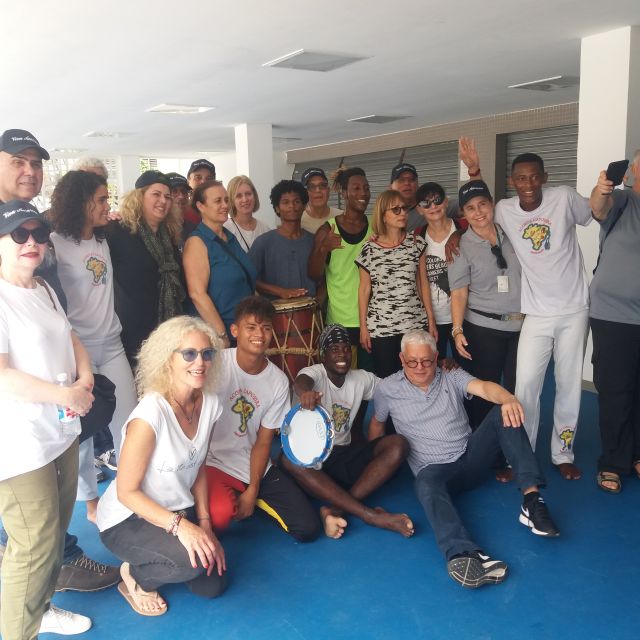
The tour presents favelas as safer than many outsiders assume, but it still gives the sensible advice to visit with an organized tour. I agree with that approach. A guide provides local knowledge, handles the route, and helps you avoid wandering into situations you do not understand.
The safest attitude is neither fear nor overconfidence. Do not arrive expecting danger at every corner, but do not treat the visit as an adventure playground. Stay with the group, listen to the guide, and respect requests about photography and movement.
The tour’s tone is designed to be welcoming and socially inclusive. Local people enjoy and support the visit, and the stated aim is to help you feel welcome rather than like an intruder. That does not remove the need for good manners. You are entering someone’s home area, not visiting a set built for tourists.
I would choose this tour only if you are ready to listen. If you want a quick thrill, dramatic photographs, or a simple good-versus-bad story, you may find the outing frustrating. If you want a fuller view of Brazil’s social structure, it offers much more.
Guides Make the Difference
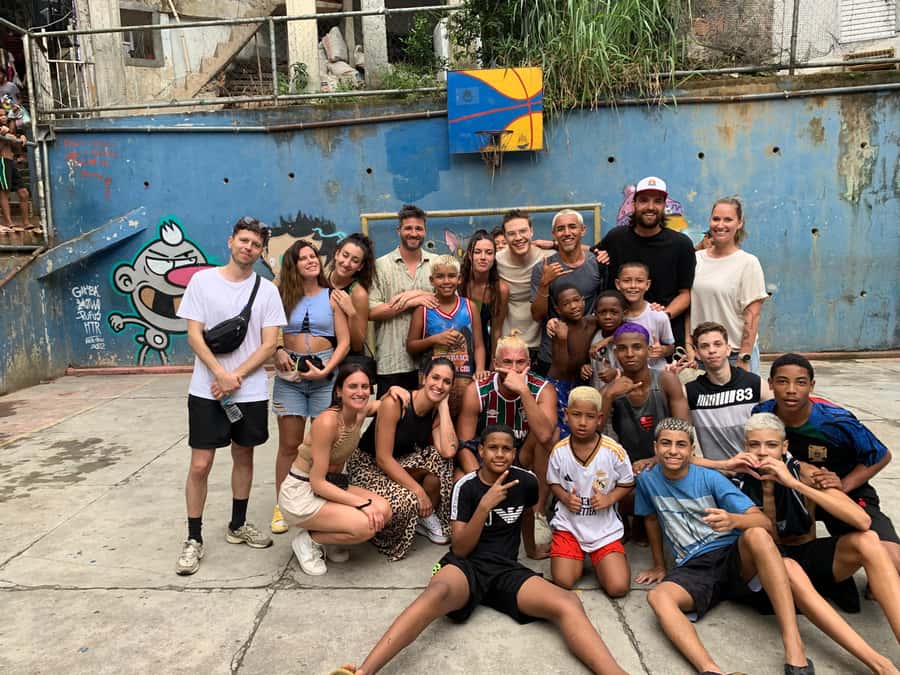
The strongest praise centers on the guides. Mateo was noted for offering cultural perspective and insight into Brazil. Francesco was praised for explaining the history of the favelas and wider social issues. Other comments describe guides as friendly, clear, and comfortable in English.
That matters because the subject is easy to mishandle. A guide can reduce the communities to poverty statistics, or romanticize them as colorful alternatives to the rest of Rio. The best moments appear to come when the guide explains both positive features and difficult problems without forcing a neat conclusion.
If your guide must interpret into several languages, the amount of information may be thinner. One English-language assessment specifically noted that there could have been more detail because the guide was translating for several languages. For the fullest commentary, an English-only departure may be preferable if that suits you.
Language-specific departures should be confirmed before you rely on them. An Italian booking recently had to be moved because that language session was full, and the traveler later reported that Rocinha was not included on the rearranged day. This appears to be an exception rather than the normal plan, but it is a good reason to confirm the exact route and language directly.
Is $33 Good Value?
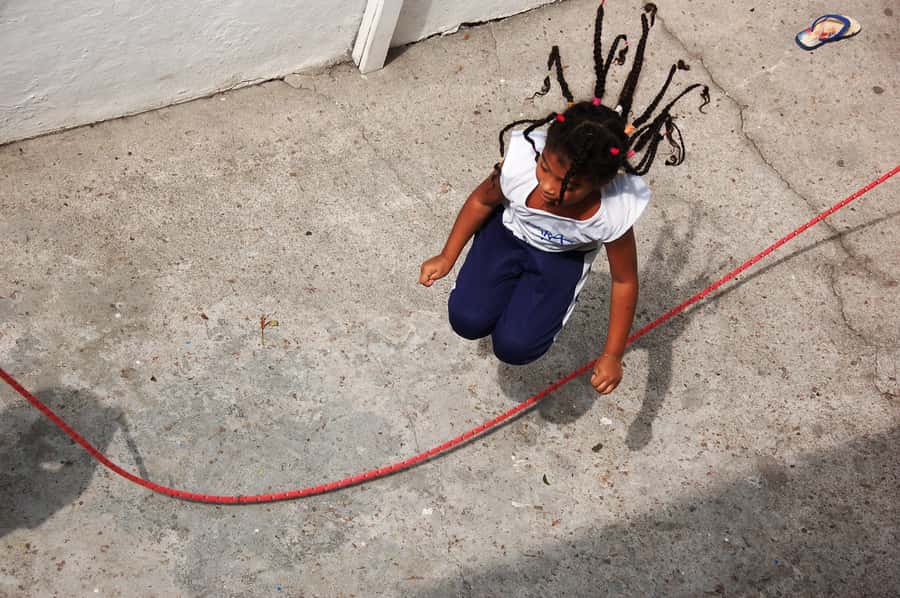
At $33 per person, the price is fair for a three-hour guided outing that includes transportation from and back to much of Rio’s South Zone. You are paying for more than a ride and a walk. The price covers a bilingual or multilingual guide service, local interpretation, visits to two communities, and support for educational and community projects.
The value is strongest if you would not feel comfortable visiting a favela independently. The organized transport and local guide remove much of the uncertainty, while the commentary gives meaning to places you could not easily understand on your own.
It is less compelling if you only want a panoramic viewpoint. Rio offers many scenic stops, and this tour spends most of its time walking through communities. The views are part of the outing, not its sole purpose.
Bring extra money for snacks, drinks, or handicrafts. Those costs are not included, but they are optional. The tour does not include a meal or a special shopping allowance, so plan accordingly.
Who Should Book This Outing?
I would recommend it to first-time visitors who want more than Rio’s familiar postcard attractions. It suits adults and older children who can manage a three-hour walk and are willing to discuss poverty, inequality, education, and public policy with an open mind.
It is also useful for repeat visitors who feel they have seen Rio’s tourist center but not its social structure. The combination of Rocinha, Vila Canoas, the school, and the city views gives you a wider frame for understanding the place.
You may want to skip it if steep or uneven walking is difficult for you, or if you prefer a relaxed vehicle-based tour. The supplied information does not give a detailed accessibility plan, so ask the operator directly if mobility is a concern.
Book with enough time to confirm the pickup location and language. The operator advises contacting them directly through phone, email, or WhatsApp, and warns against using hotel staff or informal middlemen to confirm reservations. That is practical advice in this case, especially if you need a non-English departure.
My Verdict on Rocinha and Vila Canoas
You should book this tour if your goal is to understand Rio rather than simply photograph it. Its best features are the thoughtful social purpose, the school and local projects, the comparison between two communities, and the guides who explain Brazil’s contrasts in clear terms.
The drawbacks are real but manageable: the walk may be demanding, the schedule is compact, and language arrangements need checking. At $33, the tour gives you a useful, respectful introduction to a part of Rio that many visitors see but never understand. Go prepared to listen, walk, and leave easy assumptions behind.
FAQ
How long does the Favela Tour take?
The full tour lasts three hours. The guided walking portion is listed as approximately two hours and 15 minutes, with transport and scenic views included in the overall outing.
Which favelas does the tour visit?
The tour is designed to visit Rocinha, the largest favela in Brazil, and Vila Canoas.
Is transportation included?
Yes. Transportation from and back to most hotels in Rio’s South Zone is included. Regular pickup areas include Leme, Copacabana, Ipanema, Leblon, and São Conrado.
Where can I be picked up?
Pickup options include Leblon, Copacabana Beach, Ipanema, and São Conrado. Depending on your hotel, you may be asked to meet at another specific hotel used as a regular pickup point.
Which languages are available?
Tours are offered in English, French, Spanish, Italian, and Portuguese. Languages other than English may need to fit wider demand, so confirm your preferred language before the tour.
Does the tour visit a school?
Yes. The route includes a community school financed by Favela Tour, as well as a handcraft center and other local projects.
Is the tour mostly walking?
Yes. You should come ready to walk through residential and commercial areas, including alleyways in the communities.
Are food and drinks included?
No. Bring extra money if you want to buy drinks, snacks, or local handicrafts during the outing.
Can I cancel for a full refund?
You can cancel up to 24 hours in advance for a full refund.
Can I reserve now and pay later?
Yes. The booking terms allow you to reserve your place and pay nothing at the time of booking.
Just added around Rio de Janeiro
- Pedra Bonita Trail: The easiest trail with a beautiful view of Rio★ 4.6 · 3 reviews
- Rocinha Jeep Tour: A Journey into the Soul of the Favela!★ 3.8 · 3 reviews
- Rio: Private, Custom express, Main Attractions!★ 5.0 · 3 reviews
- Rio: Favela Walking Tour of Rocinha with a Resident Guide★ 4.7 · 3 reviews
- Explore Fernando de Noronha: 7-Hour Ilhatour★ 4.9 · 3 reviews
- Rio: Museum of Tomorrow, Yup Star & Olympic Boulevard★ 3.7 · 3 reviews
- Rio: Best Dive Experience All Inclusive Scuba Diving Package★ 5.0 · 3 reviews
- Rio de Janeiro by Air: 10-Minute Helicopter Tour★ 4.4 · 3 reviews
Favela Tours, compared.


Favela Rocinha Tour with Local Guide & Secret Spots
Read our review →


Sunrise at Morro 2 Irmãos – Vidigal – Rio de Janeiro
Read our review →Browse the lists this tour appears in