
Reviewed · FAVELA TOURS
Rio de Janeiro: Favela Santa Marta Top Tour with Local Guide
Rio reveals itself one alley at a time. I like that Favela Top Tour is run by Santa Marta residents, not an outside company, and that guides such as Mario, Luis, Marco, and Raycca know the community personally. The visit to a guide’s home adds a human touch that a standard sightseeing loop cannot match.
I also like the mix of samba, football, social projects, and city views. The main consideration is that Santa Marta is steep, uneven, and not suitable for wheelchair users, while the tour can last anywhere from 150 minutes to three hours depending on the day’s pace.
In This Review
- Key points before you book
- Why Santa Marta makes a better guided visit
- Starting at Praça Corumbá
- The high view and Dona Marta lookout
- Michael Jackson Square and the Santa Marta story
- Inside a guide’s home
- Samba, football, and local energy
- Social projects and Santa Horta
- What the price includes at $28
- Language, pace, and comfort
- Who will get the most from this tour
- Should you book Favela Top Tour?
- FAQ
- Where does the Favela Top Tour begin?
- How long does the tour last?
- Which languages are available?
- Is transport included?
- What places are included in the visit?
- Can I visit a local guide’s home?
- What should I bring?
- Is the tour suitable for wheelchair users or babies under one year?
Key points before you book
- Meet the community through local guides: Guides are born, raised, or long-term residents of Santa Marta and are recognized by people along the route.
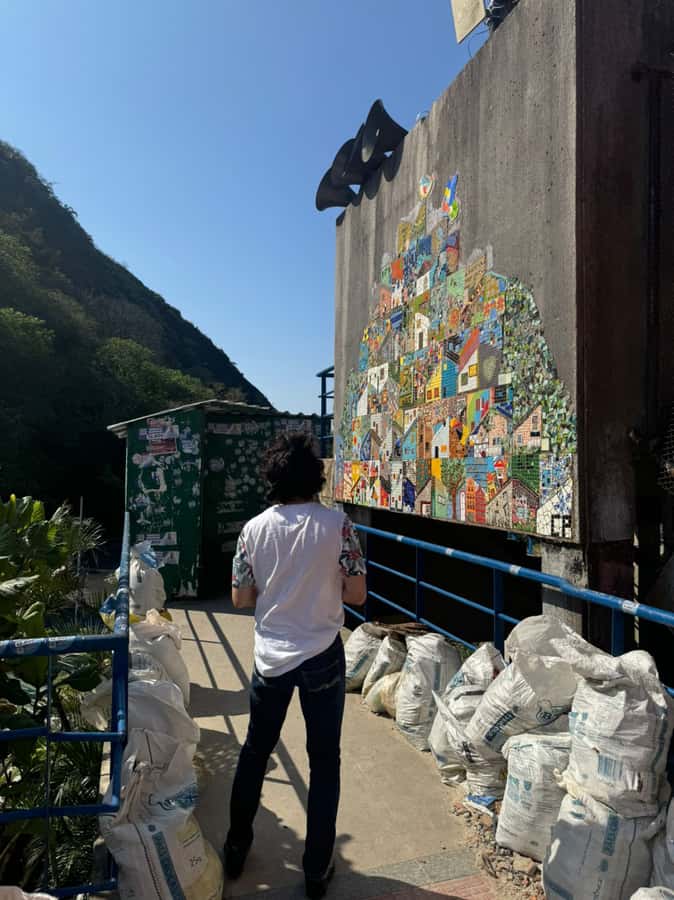
- See the Michael Jackson filming location: Michael Jackson Square marks the spot used for the They Don’t Care About Us music video.
- Visit a real local home: This offers a direct look at daily life and gives you a chance to ask frank questions.
- Hear samba played by residents: The roda de samba brings local musicians into the experience rather than treating the neighborhood as a backdrop.
- Support community work: The tour includes projects such as Santa Horta, which turns former rubbish areas into organic gardens.
- Expect hills and rough footing: Comfortable shoes, water, sun protection, and a reasonable level of mobility matter here.
Why Santa Marta makes a better guided visit
A favela is not a museum, and Santa Marta is not a stage set built for sightseeing. It is a working residential community with homes, shops, social projects, children, music, and the everyday pressures of city life.
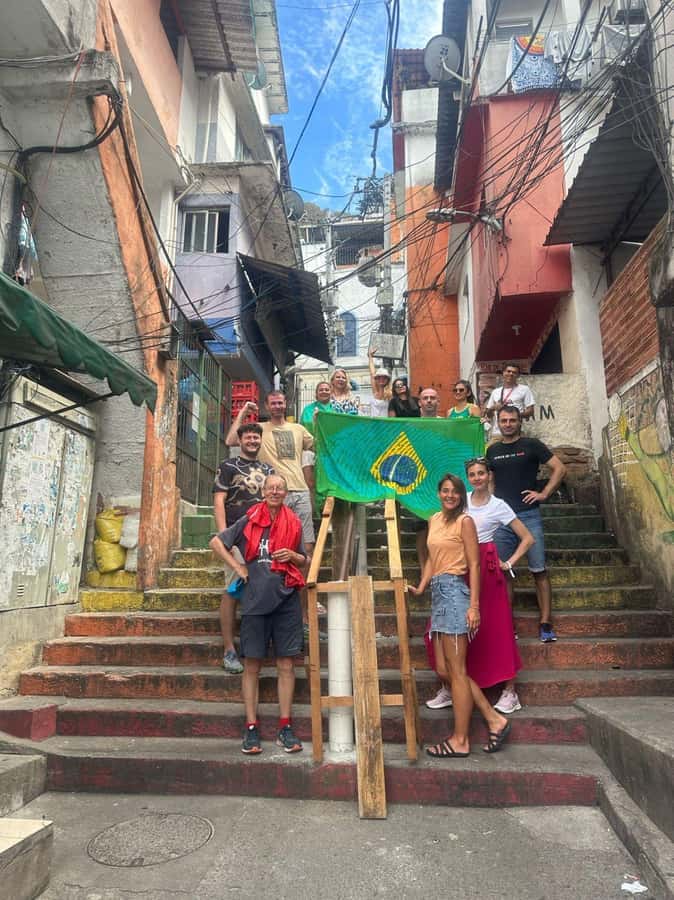
That is why a local guide matters. You could walk toward the neighborhood alone, but the narrow lanes are not clearly marked, and online maps do not map the area well. A guide also gives context to what you see. Instead of staring at a wall, stairway, or view, you can ask how people use that space and what it means to residents.
The strongest part of this experience is the personal connection. Guides including Mario and Marco are described as people who greet neighbors by name, while Luis is praised for explaining both the good and difficult sides of life in Santa Marta. That local standing helps the visit feel like an introduction rather than a quick look from the outside.
You should still approach the tour with respect. This is someone’s home. Keep your camera ready for the official viewpoints and public sights, but ask before photographing people, children, homes, or private moments.
More guided community visits:
- Rio de Janeiro: Rocinha Favela Walking Tour with Local Guide
★ 4.8 · 3,052 reviews - Rio De Janeiro: Half-Day Rocinha Favela Walking Tour
★ 4.7 · 2,272 reviews - Rio de Janeiro: Favela Santa Marta Tour with Resident Guide
★ 4.6 · 220 reviews
Starting at Praça Corumbá
The meeting point is the Tourist Information Stand at Praça Corumbá. This gives you a clear place to begin, but the transfer details deserve attention when you book. The description lists a transfer of about 25 minutes, while transfer costs are not included and a tram ticket is included.
Because the tour can run for 150 minutes to three hours, check the available departure time and the exact meeting instructions. The length may depend on the group, transport, the samba session, football, and how much time you spend talking with the guide.
The first stretch takes you toward Santa Marta and its upper viewpoints. You are not simply being delivered to a photo stop. The change from the formal streets of Rio to the community’s narrow routes is part of the lesson, though the walk may feel demanding in heat or rain.
Wear shoes with a good grip. Sandals and smooth city shoes are a poor match for steep lanes and uneven surfaces.
The high view and Dona Marta lookout
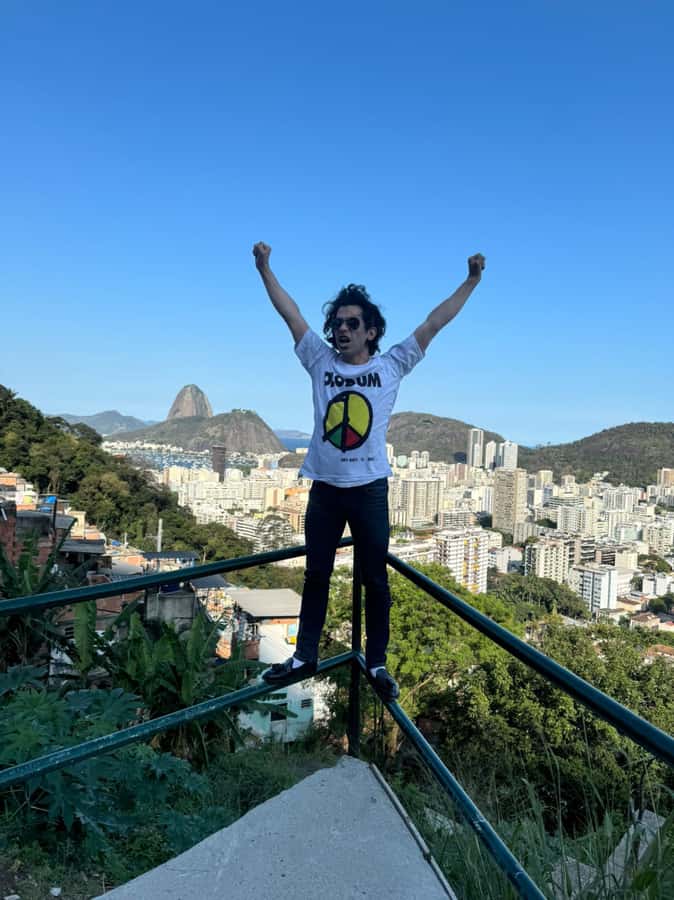
The tour includes a viewpoint and a visit to Mirante Dona Marta. These are among the clearest reasons to bring a camera, since the height gives you a broad look toward Rio’s South Zone.
The view also helps you understand Santa Marta’s position within the city. Rio is often presented through beaches, mountains, and postcard views, but from here you see how residential communities sit within that same setting. The lookout puts the neighborhood and the wider city in one frame.
The viewpoint is a photo stop, not a long scenic break. If you want quiet time for pictures, take it when the group pauses and avoid falling behind on the steep route. Sun can be strong, so bring a hat, sunscreen, and water.
Rain can change the feel of this section. One visitor described seeing how excess water moves through dedicated channels during a wet tour. That is a useful reminder that weather here is not just a nuisance. It affects how the community manages its streets and homes.
Michael Jackson Square and the Santa Marta story

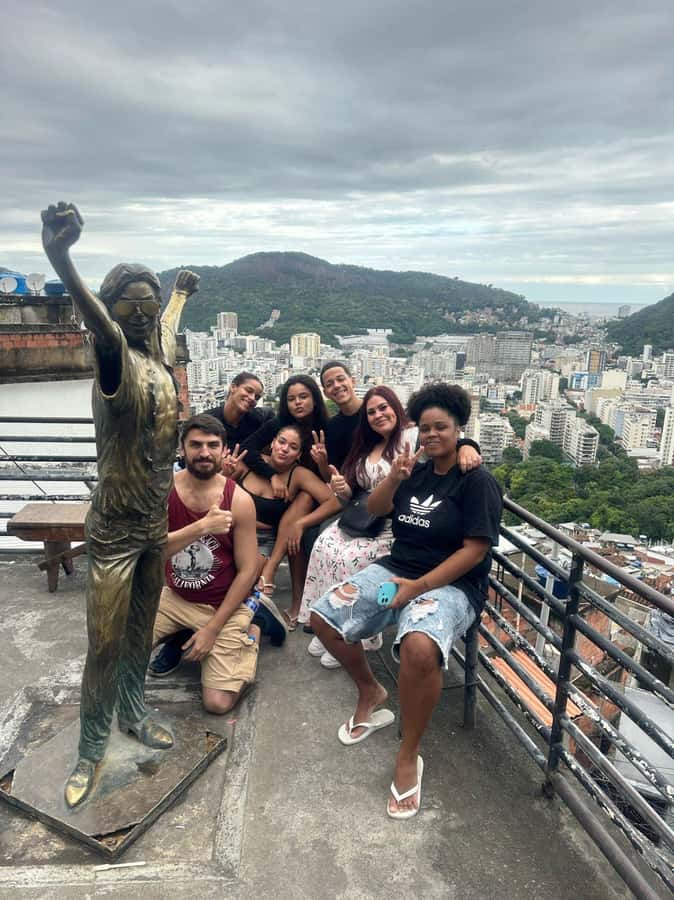
Michael Jackson Square is the tour’s best-known stop. The singer filmed the They Don’t Care About Us video in Santa Marta, and a statue marks the location.
This stop works on two levels. Fans get a recognizable film location, while everyone else gets a chance to consider how an international production placed the community in front of a global audience. Your guide can connect the image seen in the video with the place people live in today.
The scheduled visit is fairly short, around 15 minutes, so do not expect an extended museum-style presentation. The value comes from the guide’s explanation and the chance to ask questions. If this is your main reason for booking, remember that the tour offers much more than the statue.
Santa Marta has also appeared in major film productions such as Fast & Furious 5. The filming locations add a pop-culture thread, but they should not overshadow the people who live there.
A few more trips worth weighing up before you book
- Rio de Janeiro: 6-Stop Highlights of Rio with Lunch
★ 4.4 · 5,157 reviews - Christ the Redeemer Entry Ticket by Corcovado Train
★ 4.4 · 4,476 reviews - Rio: Christ the Redeemer, Sugarloaf, Selaron & BBQ Lunch
★ 4.5 · 2,428 reviews - Rio de Janeiro: Angra dos Reis and Ilha Grande Full-Day Tour
★ 4.6 · 1,673 reviews
Inside a guide’s home
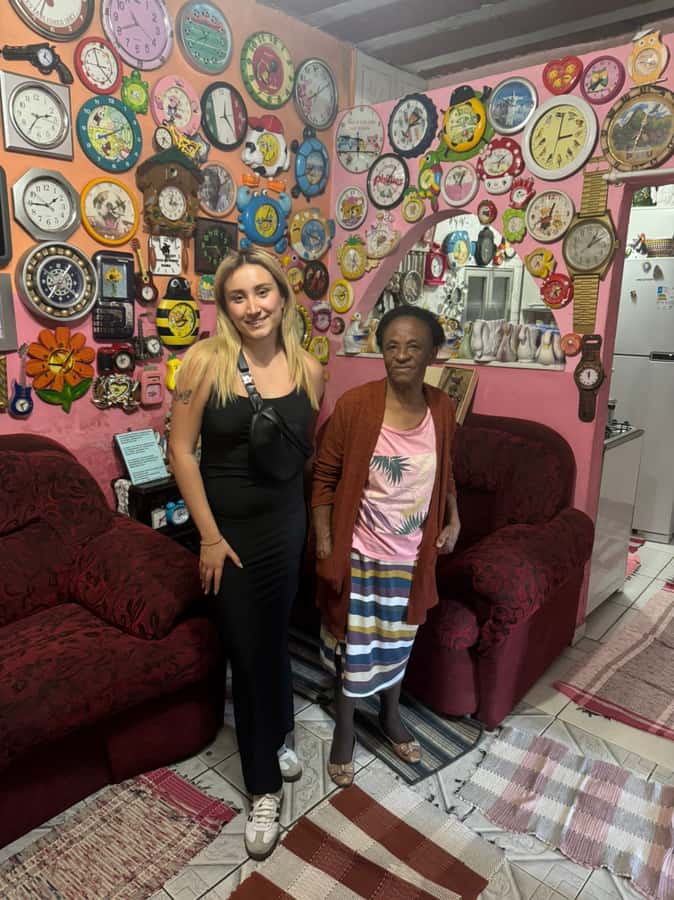
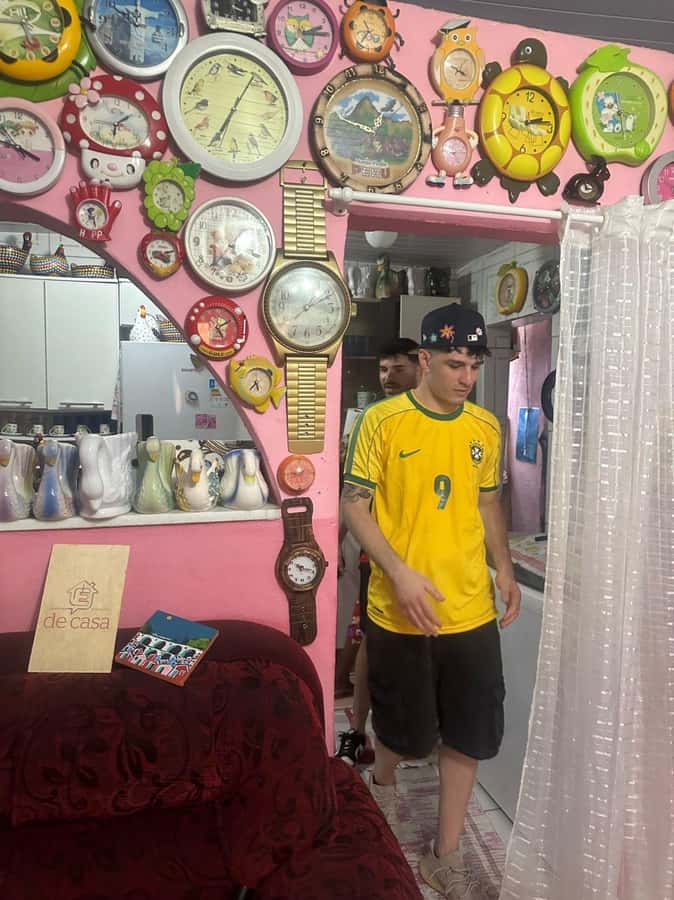
For many people, the visit to a local guide’s home is the most meaningful stop. Mario has welcomed people into his home, and other guides have done the same, giving you a look at an ordinary Brazilian house inside the community.
This is more useful than a polished cultural display. You can ask about daily routines, family life, local rules, and how Santa Marta has changed. One guide is described as having lived there for more than 50 years, while another shares his experience as someone born and raised in the favela.
The tone matters. The strongest guides appear willing to answer difficult questions, not just repeat a prepared story. Luis, for example, is praised for discussing both positive and critical subjects. That openness can help you move past simple stereotypes.
Treat the home visit as a privilege. Do not assume every room is open for inspection, and follow the guide’s lead on photographs. A short conversation can be more valuable than collecting another picture.
Samba, football, and local energy
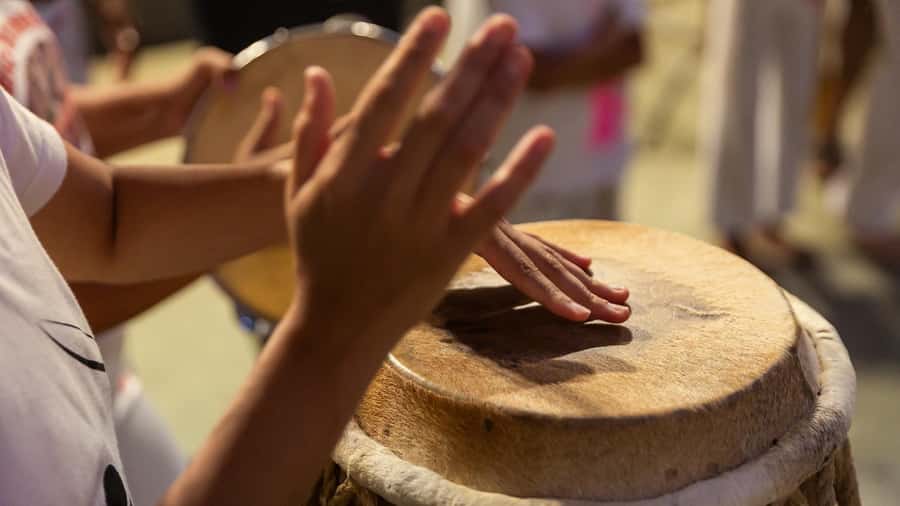
The cultural side of the tour includes a roda de samba performed by local musicians. This is not background music added to fill time. Samba is a living part of Brazilian culture, and hearing residents perform gives the visit a social center.
The atmosphere may vary with the day and the group, so you should not expect a full concert. The point is to meet local talent and see how music brings people together. You may also have the chance to join a casual football match with children from the community.
Football is especially appealing for families and anyone who prefers an active encounter to a long explanation. Several visitors describe playing with local children as a highlight, and one family said their children also enjoyed joining the drumming.
Use good judgment here. Keep the game friendly, follow the guide’s instructions, and be careful about photographing children. The experience is strongest when you take part without turning the moment into a performance for your camera.
Social projects and Santa Horta
The tour also shows Santa Marta’s efforts to improve life from within the community. Santa Horta is a notable example. It transforms former rubbish areas into organic gardens that provide food, environmental education, and income for residents.
This stop adds needed balance. A favela tour can easily focus on poverty, danger, or dramatic scenery. Santa Horta shows practical work aimed at making the neighborhood healthier and more self-reliant.
You may also visit the Residents’ Association and other local social projects. These stops help explain how the community organizes itself and how local initiatives operate. The visit does not pretend that every problem has been solved. Waste, public support, and education remain challenges.
That honesty is important. One visitor appreciated the rubbish-cleanup effort but also noted that education and waste management still have a long way to go. You get a more useful picture when the tour includes both progress and unfinished work.
What the price includes at $28
At about $28 per person, this is a strong value if you want more than a quick viewpoint and a famous wall. The price includes a local resident guide, the Michael Jackson statue, Mirante Dona Marta, the Residents’ Association, local social projects, and a tram ticket.
The real value is the access and interpretation. You are paying for someone who knows the alleys, understands the history of the area, and can introduce you to places you would not find alone. Part of the money also supports social projects, artists, and small businesses in Santa Marta.
Transfer costs are not included, so check that point before you set your budget. The activity also does not include food or drinks, and you should bring your own water.
The company presents itself as a community-based operation with a five-star rating and 488 ratings, which suggests strong service consistency. Still, a high rating cannot remove the need for basic care. Conditions can change, guides may have different speaking styles, and the tour can be shorter or longer depending on the schedule.
Language, pace, and comfort

Guiding is offered in English, Portuguese, and Spanish. English ability can vary by guide. Marco’s English was described as somewhat broken, though his warmth and local insight were highly valued. If you need every historical detail explained in polished English, ask about language availability when booking.
You should plan for walking, stairs, hills, and uneven ground. The tour is not suitable for wheelchair users or babies under one year. A hat, sunscreen, comfortable shoes, a camera, and water are specifically recommended.
Smoking is not allowed. That rule is easy to follow and helps keep the shared route pleasant for residents and other people in the group.
Rain does not automatically ruin the visit. It can reveal how the community deals with water, but it will make footing harder and may affect how long you want to stay outdoors. A light rain layer is a sensible addition, even though it is not listed among the required items.
Who will get the most from this tour
I would choose this experience if you want to understand Rio through people and place, not only through beaches and famous viewpoints. It suits curious visitors who are willing to ask respectful questions and listen to answers that may be more complicated than a standard sightseeing script.
Families can enjoy the football and music, while film fans have Michael Jackson Square and Fast & Furious 5 locations. The tour also suits visitors interested in social development, local business, and community-led projects.
It is less suitable if you want a polished attraction with fixed timing, flat paths, or a purely photographic stop. It may also feel uncomfortable if you are not ready to see a residential area honestly, including poverty, rubbish, steep lanes, and unfinished public work.
The tour is a poor choice for anyone who expects to wander freely or photograph people without asking. A local guide improves safety and understanding, but you still need to act like you are visiting someone’s neighborhood, because you are.
Should you book Favela Top Tour?
Yes, if you want a fairly priced visit led by people who live in Santa Marta. The strongest reasons are the guide’s local ties, the home visit, the open conversations, and the chance to support community projects instead of treating the favela as a backdrop.
Book it with realistic expectations. You will walk on rough and steep paths, the timing may shift between two and three hours, and the experience can be affected by weather and language differences. Confirm the transfer details, choose comfortable clothing, and leave room in your schedule.
If you do only one activity that takes you beyond Rio’s postcard image, this is a worthwhile choice. It gives you views, music, film history, and a direct connection with residents, but its greatest value is the chance to see Santa Marta as a community with humor, talent, challenges, and pride.
FAQ
Where does the Favela Top Tour begin?
The meeting point is the Tourist Information Stand at Praça Corumbá.
How long does the tour last?
The activity lasts between 150 minutes and three hours. Starting times can vary, so check availability when booking.
Which languages are available?
The tour is offered in English, Portuguese, and Spanish.
Is transport included?
A tram ticket is included, but transfer costs are not included. The listed transfer takes about 25 minutes.
What places are included in the visit?
The tour includes Mirante Dona Marta, Michael Jackson Square and its Michael Jackson statue, local social projects, the Residents’ Association, and Santa Marta itself.
Can I visit a local guide’s home?
A visit to a local guide’s home is part of the experience described for this tour. Follow the guide’s instructions and ask before taking photographs.
What should I bring?
Bring comfortable shoes, a hat, a camera, sunscreen, and water.
Is the tour suitable for wheelchair users or babies under one year?
No. The tour is not suitable for wheelchair users or babies under one year.
Just added around Rio de Janeiro
- Pedra Bonita Trail: The easiest trail with a beautiful view of Rio★ 4.6 · 3 reviews
- Rocinha Jeep Tour: A Journey into the Soul of the Favela!★ 3.8 · 3 reviews
- Rio: Private, Custom express, Main Attractions!★ 5.0 · 3 reviews
- Rio: Favela Walking Tour of Rocinha with a Resident Guide★ 4.7 · 3 reviews
- Explore Fernando de Noronha: 7-Hour Ilhatour★ 4.9 · 3 reviews
- Rio: Museum of Tomorrow, Yup Star & Olympic Boulevard★ 3.7 · 3 reviews
- Rio: Best Dive Experience All Inclusive Scuba Diving Package★ 5.0 · 3 reviews
- Rio de Janeiro by Air: 10-Minute Helicopter Tour★ 4.4 · 3 reviews
Favela Tours, compared.


Favela Rocinha Tour with Local Guide & Secret Spots
Read our review →
Favela Tour The Original, Rocinha & Vila Canoas since 1992
Read our review →
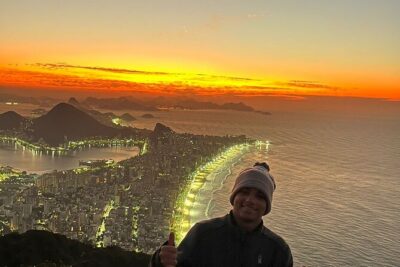
Sunrise at Morro 2 Irmãos – Vidigal – Rio de Janeiro
Read our review →Browse the lists this tour appears in