
Reviewed · WALKING TOURS
Rio de Janeiro: Downtown Walking Tour
Rio’s past is written in stone. This four-hour walk through central Rio de Janeiro links imperial squares, churches, cultural centers, and grand public buildings, giving you a useful first look at the city beyond its beaches. I especially like the route’s mix of old and modern architecture and the way it finishes near a subway station, so you can keep exploring instead of heading straight back.
I also like that the tour is led in several languages, with Portuguese, Spanish, English, Italian, and French available. Guides such as Angelica, Lavinha, Antonio, and Renato have been praised for patience, clear explanations, and a strong feel for Brazilian culture. The main drawback is the walking itself: people with mobility impairments may find the route difficult, and food, drinks, hotel transfers, and subway fares are not included.
In This Review
- Key points to know before you book
- Why central Rio deserves four hours
- Starting at XV de Novembro Square
- Dos Teles Arch and the city’s narrow lanes
- Candelária Church and a major city landmark
- CCBB: Rio’s cultural side
- Walking toward Cinelândia Square
- Colombo Bakery and the final snack
- What the $47 price really covers
- Who will enjoy this walking tour most
- Meeting point and simple preparation
- Should you book the Downtown Walking Tour?
- FAQ
- How long is the Downtown Rio walking tour?
- Where does the tour meet?
- How early should I arrive?
- Which languages are available?
- Is hotel pickup included?
- Is the subway fare included?
- Is food included?
- What should I bring?
- Can I bring luggage or a large bag?
- Is the tour suitable for wheelchair users?
Key points to know before you book
- Four hours on foot: Expect a substantial walk through central Rio, with several stops for architecture, history, and photographs.
- A history lesson in city blocks: The route follows Brazil from the monarchy through the creation of the republic, using buildings and squares as its classroom.
- Strong architectural contrast: Imperial buildings, churches, narrow lanes, theaters, museums, and modern city streets all appear within one outing.
- Multilingual guiding: Tours are offered in Portuguese, Spanish, English, Italian, and French, an important plus for international visitors.
- A practical finish: The tour ends at a downtown subway station, giving you the choice of returning to your hotel or continuing on your own.
Why central Rio deserves four hours
Rio’s famous image is all beaches, mountains, and samba. Downtown tells a different story. Here, streets and buildings trace the city’s time as a seat of monarchy, its later republican government, and its continuing role as a cultural center.
That makes this tour useful early in a Rio visit. You get dates, names, and architectural clues that can make later sightseeing easier. Instead of seeing an ornate building as a pretty facade, you begin to understand why it was built and what role it played.
The route also has a good rhythm. You move between open squares, churches, government buildings, cultural centers, and side streets. It is not a museum tour with one long indoor stop. Much of the experience happens outside, where the city’s past sits beside present-day offices, shops, traffic, and public life.
I would allow the full four hours rather than treating this as a quick orientation walk. The route includes many named landmarks, and the guide’s explanations are a major part of the value. At the same time, the pace may feel long if you prefer short sightseeing stops or have difficulty walking for several hours.
More Walking Tours in Rio de Janeiro
- Rio de Janeiro: Rocinha Favela Walking Tour with Local Guide
★ 4.8 · 3,052 reviews - Rio De Janeiro: Half-Day Rocinha Favela Walking Tour
★ 4.7 · 2,272 reviews - Sunrise and Sunrise Walk Two Brothers with Local Guide
★ 5.0 · 193 reviews
Starting at XV de Novembro Square
The tour begins in one of the best places to understand old Rio: XV de Novembro Square. The square brings together several buildings tied to the city’s imperial era, including the ALERJ building, Paço Imperial, and the Carmo Convent.
The Paço Imperial is particularly important to the route because it helps connect architecture with political change. This area recalls the period when Brazil was a monarchy, before the country became a republic. A guide can give the buildings a clear sequence and explain how the center changed over time.
The ALERJ building adds another layer, linking the old center with Rio’s political life. The Carmo Convent gives you a religious and architectural counterpoint. You are not simply looking at government buildings one after another. You are comparing political, royal, and religious uses within the same historic district.
This first section is also a good test of your guide. Strong guides have made the tour particularly enjoyable by answering questions and adding small stories about the places along the way. Antonio has been praised for connecting the sites to wider Brazilian culture, while Renato has been singled out for his historical, architectural, and cultural explanations in Spanish.
Dos Teles Arch and the city’s narrow lanes
The walk continues past the Dos Teles Arch and its winding alleyways. This is one of the route’s more intimate moments. The large squares and official buildings show Rio’s public face, while the narrow passages offer a closer look at the older street plan.
I like this change of scale. Grand architecture can tell you about power, but small lanes help you picture how people moved through the city. The arch and alleyways also create a welcome break from the formal buildings around XV de Novembro Square.
Do not expect a long independent exploration here. The stop is part of a guided walking route, so your time depends on the group and the guide’s presentation. Still, it is a useful place to pay attention to details that are easy to miss when you move through downtown alone.
Comfortable shoes matter from the start. The tour takes place rain or shine, and large bags or luggage are not allowed. Bring a small day bag for essentials, but keep your hands and shoulders free for walking.
Candelária Church and a major city landmark
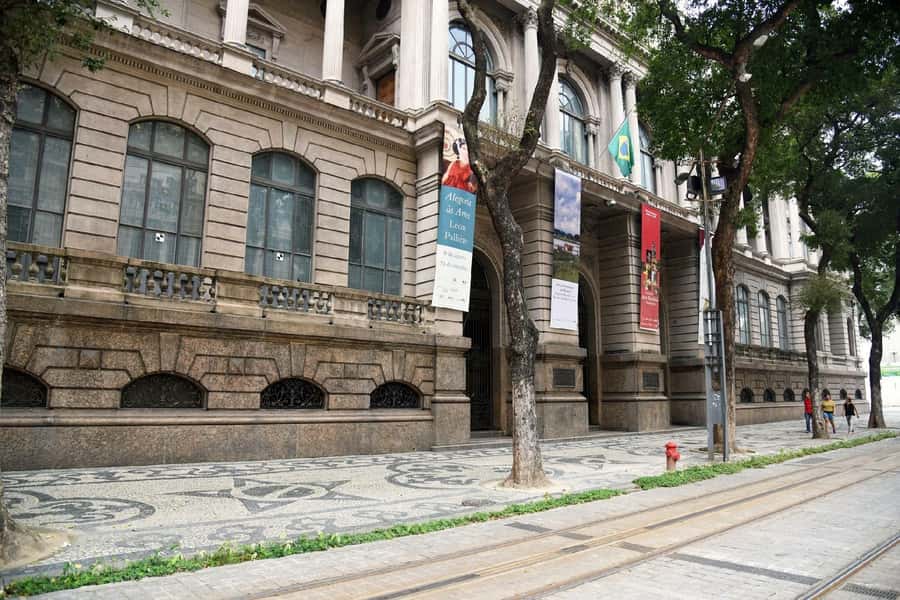
Candelária Church is one of the tour’s central stops. Your guide explains its importance to Rio, giving the building more meaning than a quick photograph from the street would provide.
The church also strengthens the route’s theme of contrast. You move from royal and government architecture into a major religious setting, then onward to a cultural institution. This variety keeps the four hours from becoming a single repetitive parade of facades.
The value here depends heavily on the guide. Denise has been praised for being attentive and passionate, with explanations that helped people continue sightseeing on their own afterward. That is exactly what you want from a walking tour: not only facts at each stop, but useful context you can carry into the rest of your time in Rio.
As with the other sites, the tour information does not promise a full interior visit or a lengthy stop inside the church. Plan on learning about Candelária as part of the walking route rather than treating this as a dedicated church tour.
More walking tours:
- Rio de Janeiro: Little Africa Heritage Walking Tour
★ 4.9 · 177 reviews - Learn the History of Rio with an Unforgettable City Center Walking Tour
★ 5.0 · 82 reviews - Rio’s city walking tour: a glimpse of history and olympic legacy
★ 4.5 · 78 reviews - Walking tour of the bohemian neighborhoods of Santa Teresa and Lapa
★ 5.0 · 59 reviews
CCBB: Rio’s cultural side
Next comes the Brazil Bank Cultural Center, usually called CCBB. The building adds a cultural angle to the tour and offers a chance to appreciate how historic architecture can serve modern public life.
CCBB is described as a place for discovering architectural details, so take a moment to look beyond the main entrance and notice the structure around you. The route does not present every stop as a formal museum visit. Instead, it uses places such as CCBB to show how central Rio combines preservation, public culture, and daily city life.
This stop is valuable for anyone who wants more than a list of old buildings. You begin to see downtown as a working district with cultural institutions inside historic spaces. It also gives the tour a change of mood after the churches, arches, and imperial sites.
If you want a detailed, room-by-room look at CCBB, check what your particular departure includes before booking. The supplied tour details focus on the architecture and the guide’s explanations, not on a scheduled exhibition visit.
Walking toward Cinelândia Square
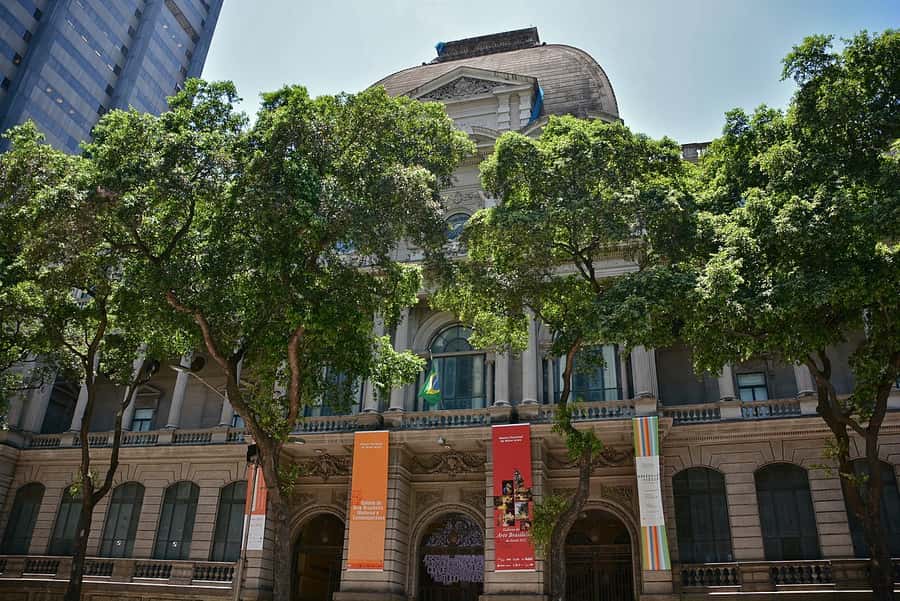
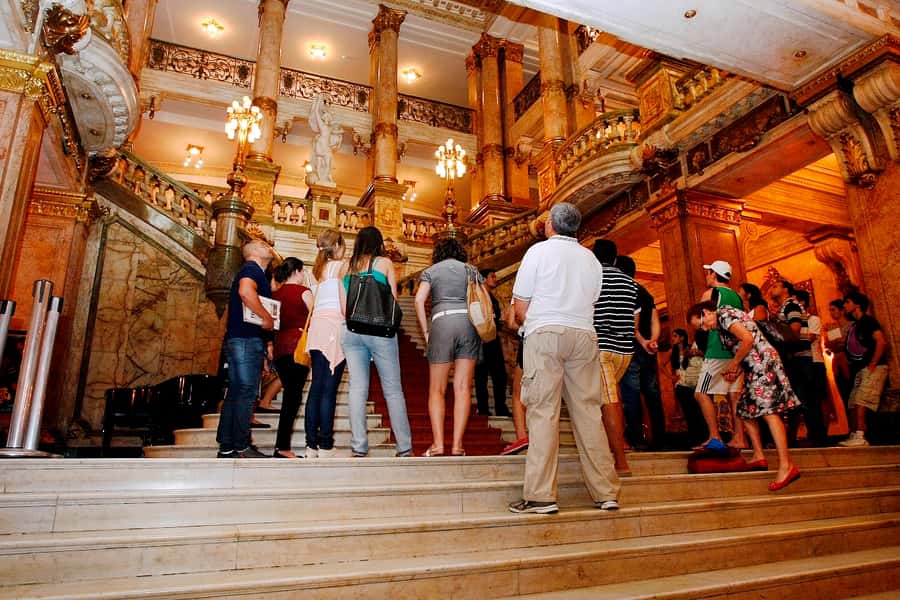
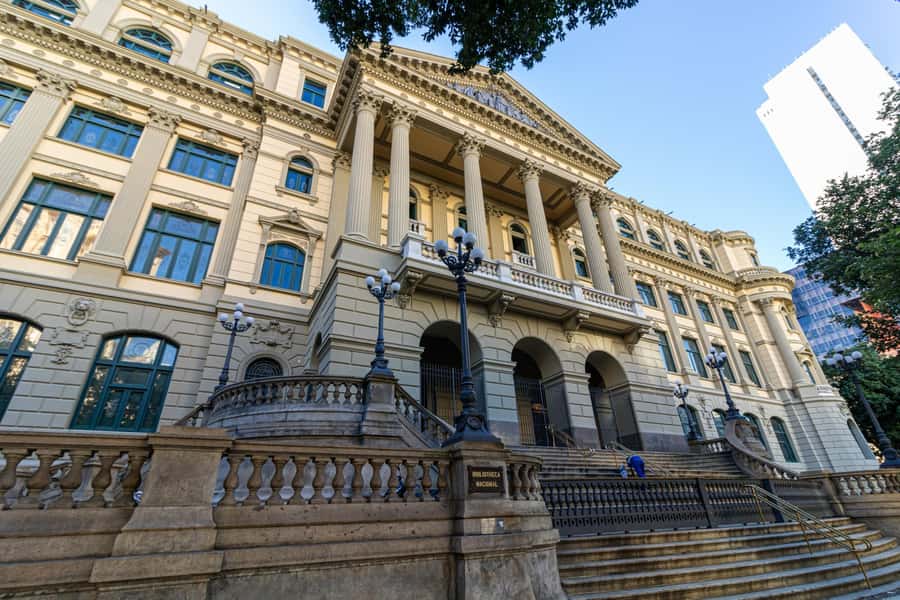
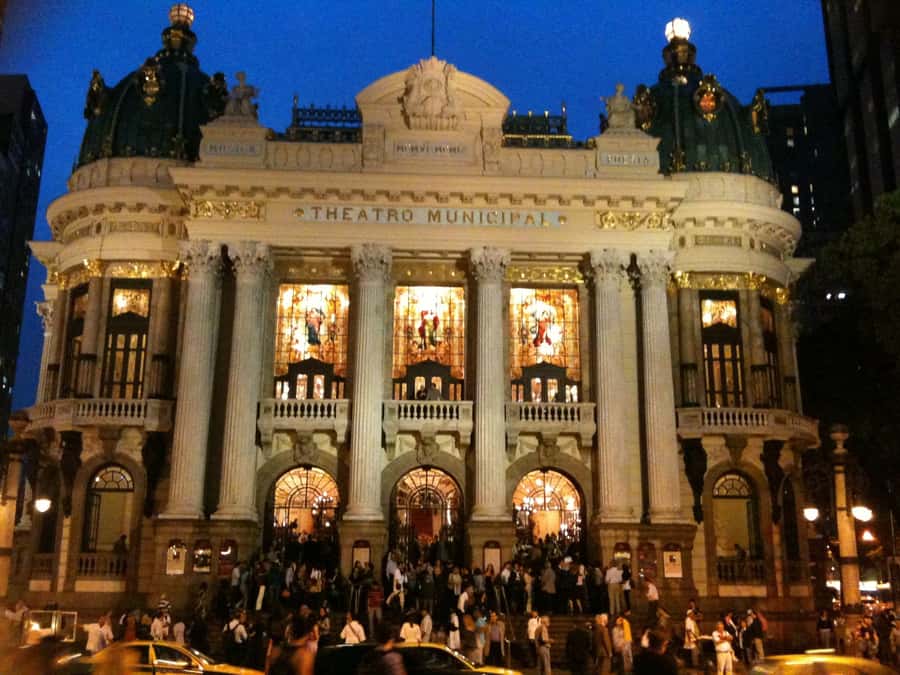
The route then heads toward Cinelândia Square, where the architectural contrast becomes especially clear. Older structures give way to a grand civic and cultural group of buildings, including the Municipal Theater of Rio de Janeiro, the National Library of Brazil, the National Museum of Fine Arts, and the City Council of Rio de Janeiro.
This part of the walk is ideal for people who enjoy city planning and public architecture. The buildings are not isolated curiosities. Together, they show how Rio presented itself as a modern capital while retaining visible links to earlier periods.
The Municipal Theater is one of the most eye-catching landmarks in this section. The National Library and National Museum of Fine Arts broaden the story from performance to books, art, and public learning. The City Council adds government to the mix.
I would keep your camera ready, but do not let photographs replace the commentary. The strongest part of this section is understanding how these buildings relate to one another. A three-star assessment specifically praised the guides’ answers and small stories but wanted more dates and detail about individual buildings. That is a fair caution: the quality of historical depth may vary by guide.
Still, the more positive feedback points to a clear strength. Guides are often praised for warmth, patience, language ability, and enthusiasm. Angelica, for example, has been warmly praised for excellent Italian and a generous approach to Brazilian culture. Those qualities matter when the route contains so many names and dates.
Colombo Bakery and the final snack
The last major stop is Colombo Bakery, one of the city’s main landmarks. The tour includes time for a snack, but food and drinks are not included in the price.
That arrangement gives you flexibility. You can decide how much to spend and what to order, though you should bring extra Brazilian reais or confirm accepted payment methods before the walk. Since the tour price does not cover the snack, think of this as an optional personal expense rather than part of the fixed package.
Colombo Bakery also makes a fitting final stop. After several hours of political, religious, and cultural history, you get a more everyday way to experience central Rio. Food is not just a break for your feet. It gives the group a chance to pause in a landmark that belongs to the city’s social and architectural story.
The tour then finishes at a downtown subway station. That is a practical ending, especially if you want to continue exploring nearby. You can head back toward your hotel or use the station as a launch point for more time in central Rio.
What the $47 price really covers
At $47 per person, the tour is priced as a guided history and architecture walk, not as a transportation package or attraction pass. The main thing you are paying for is a multilingual guide who can tie together a large number of sites in four hours.
I think the price can make sense if you value interpretation. Downtown Rio has plenty to see, but the meaning of the buildings is not always obvious. A good guide saves you from looking at a church, square, or government building without understanding its place in Brazil’s story.
The value is weaker if you mainly want independent sightseeing and photographs. You will need to cover your own food and drinks, and hotel pickup and drop-off are not included. If you use the subway, allow BRL 15 for a round-trip ticket per person when necessary.
The guide quality is the deciding factor. Many of the strongest comments focus on personal attention, language skills, patience, and passion. One lower-rated assessment felt the historical detail about buildings and monuments was too light. I would book this expecting a useful overview, while understanding that the depth may depend on who leads your departure.
High-season traffic and large crowds can make the tour last longer than four hours. That is worth considering if you have a tight appointment afterward. Give yourself a buffer rather than scheduling a flight, timed attraction, or restaurant reservation immediately after the walk.
Who will enjoy this walking tour most
I would recommend this experience to first-time Rio visitors who want a clear introduction to central Rio. It suits people who enjoy architecture, civic history, churches, museums, and stories about how a city changed from monarchy to republic.
It is also a good choice if you want a multilingual guide. The availability of English, Spanish, Portuguese, Italian, and French makes the tour more useful for mixed-language groups or anyone who prefers to learn in a language other than English.
Independent-minded visitors can benefit too. The subway finish means you are not forced into a return transfer, and the guide’s explanations can help you choose what to revisit later. Denise’s practical information, for example, was praised as useful for continuing a city visit in a more informed way.
I would hesitate if you dislike four-hour walks, need step-free access, or want a slow interior tour of each major building. The experience is not suitable for wheelchair users or people with mobility impairments. It also takes place in all weather, so a rain plan, comfortable shoes, and sensible clothing are essential.
Meeting point and simple preparation
The meeting point is Atlantico Business Hotel at Rua Senador Dantas, 25, Centro. Arrive 15 minutes early, and look for a guide who will call you by name.
If you are unsure how to reach the hotel, contact the operator for directions before the activity. Hotel pickup and drop-off are not provided, so you are responsible for getting to the meeting point.
Bring comfortable shoes and a passport or identity card. A copy of your document is accepted. Leave luggage and large bags elsewhere, since they are not allowed on the tour.
The booking terms are friendly if your plans may change. You can cancel up to 24 hours before the activity for a full refund, and the reserve-now, pay-later option lets you hold a place without paying immediately.
Should you book the Downtown Walking Tour?
Book it if you want central Rio explained through its buildings, squares, churches, and public institutions rather than seen as a quick photo stop. The route covers a lot in four hours, the language choices are helpful, and the subway finish gives you control over the rest of your day.
I would book with realistic expectations. This is an outdoor walking tour with a guide, not a series of full museum visits. The strongest experience will come from a guide who adds dates, stories, and cultural context, so it is worth confirming your preferred language and asking about the meeting details before you go.
For a first look at Rio’s historic center, $47 is fair if the guide is strong and you want the city’s past put into order. Pack light, wear good shoes, leave room in your schedule, and treat the Colombo Bakery stop as both a snack break and the final chapter of the walk.
FAQ
How long is the Downtown Rio walking tour?
The tour lasts four hours. During high season, traffic and the large number of people in the city can make it take longer.
Where does the tour meet?
The meeting point is Atlantico Business Hotel at Rua Senador Dantas, 25, Centro.
How early should I arrive?
Arrive 15 minutes before the activity begins. The guide will call you by name at the meeting point.
Which languages are available?
The live guide may conduct the tour in Portuguese, Spanish, English, Italian, or French.
Is hotel pickup included?
No. Hotel pickup and drop-off are not included, so you must make your own way to the meeting point.
Is the subway fare included?
No. If you need the subway, the stated cost is BRL 15 for a round-trip ticket per person.
Is food included?
No. Food and drinks are not included, although the route includes a snack stop at Colombo Bakery.
What should I bring?
Bring comfortable shoes and a passport or identity card. A copy of the document is accepted.
Can I bring luggage or a large bag?
No. Luggage and large bags are not allowed on the tour.
Is the tour suitable for wheelchair users?
No. The tour is not suitable for wheelchair users or people with mobility impairments.
Just added around Rio de Janeiro
- Pedra Bonita Trail: The easiest trail with a beautiful view of Rio★ 4.6 · 3 reviews
- Rocinha Jeep Tour: A Journey into the Soul of the Favela!★ 3.8 · 3 reviews
- Rio: Private, Custom express, Main Attractions!★ 5.0 · 3 reviews
- Rio: Favela Walking Tour of Rocinha with a Resident Guide★ 4.7 · 3 reviews
- Explore Fernando de Noronha: 7-Hour Ilhatour★ 4.9 · 3 reviews
- Rio: Museum of Tomorrow, Yup Star & Olympic Boulevard★ 3.7 · 3 reviews
- Rio: Best Dive Experience All Inclusive Scuba Diving Package★ 5.0 · 3 reviews
- Rio de Janeiro by Air: 10-Minute Helicopter Tour★ 4.4 · 3 reviews
Walking Tours, compared.



Sunrise and Sunrise Walk Two Brothers with Local Guide
Read our review →
Downtown-Center History Walking Tour – in English
Read our review →
Downtown-Center Walking Tour | 2 Hours – English
Read our review →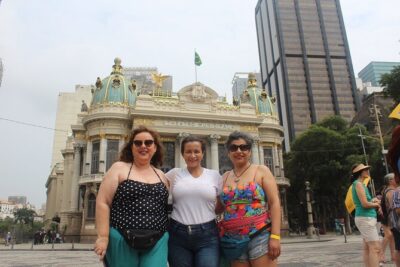
Learn the History of Rio with an Unforgettable City Center Walking Tour
Read our review →Browse the lists this tour appears in