
Reviewed · WALKING TOURS
Rio: African Culture Walking Tour
Rio’s samba story starts long before Carnaval. This three-hour walking tour connects Little Africa and Pedra do Sal with the city’s Afro-Brazilian past, including black resistance and the long struggle to end slavery in Brazil. I like that it deals with serious history in real places, not just inside a museum. I also like the finish at Cidade do Samba, where you see how samba schools build the huge floats and costumes used in Carnaval.
The tour costs $100 per person, which is a fair price if you want context, guiding, and Carnival access in one outing. The main consideration is that the final stop at the samba warehouse may feel less personal and less historic than the walking portion. You also need to send a WhatsApp contact when booking, and food and drinks are not included.
In This Review
- Key points to know before you book
- Why Rio’s African story deserves a dedicated tour
- Walking through Little Africa and Pedra do Sal
- Learning from a guide who welcomes questions
- What the Carnival warehouse adds
- Is $100 a good value?
- Practical details that affect your day
- Who will enjoy this Rio experience most?
- Should you book the African Culture Walking Tour?
- FAQ
- How long does the African Culture Walking Tour last?
- What areas does the walking tour visit?
- What subjects does the guide explain?
- Does the tour include Cidade do Samba?
- What happens at Cidade do Samba?
- What languages are available?
- Is the tour wheelchair accessible?
- Can I cancel the tour for a refund?
Key points to know before you book
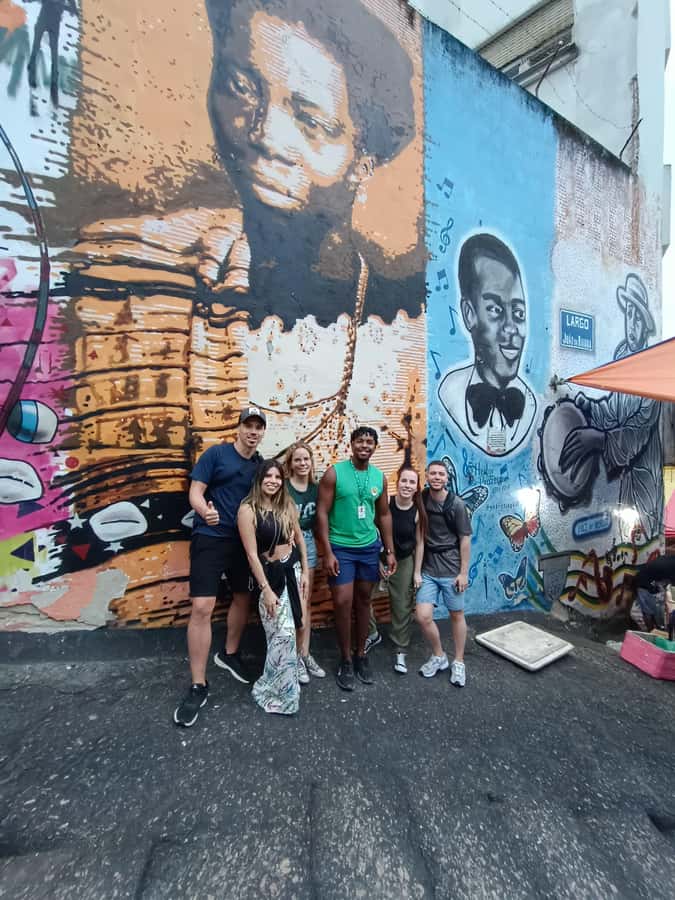
- Little Africa and Pedra do Sal: Walk through areas tied closely to Rio’s African heritage, black resistance, and the history of slavery in Brazil.
- A serious history lesson: Your guide explains abolition and Afro-Brazilian traditions in a clear, discussion-friendly way.
- Cidade do Samba access: Finish behind the scenes at a Carnival warehouse, with a look at how samba schools prepare their parades.
- Small, personal format: The tour is listed as a private group experience, with groups capped at 15 people.
- Three languages available: You can take the tour in English, Spanish, or Portuguese.
- Flexible booking: You can cancel up to 24 hours before the start for a full refund and reserve now while paying later.
Why Rio’s African story deserves a dedicated tour
Rio is often introduced through beaches, viewpoints, football, and samba. Those are real parts of the city, but they do not explain how African people and their descendants shaped Rio’s music, customs, neighborhoods, and public life.
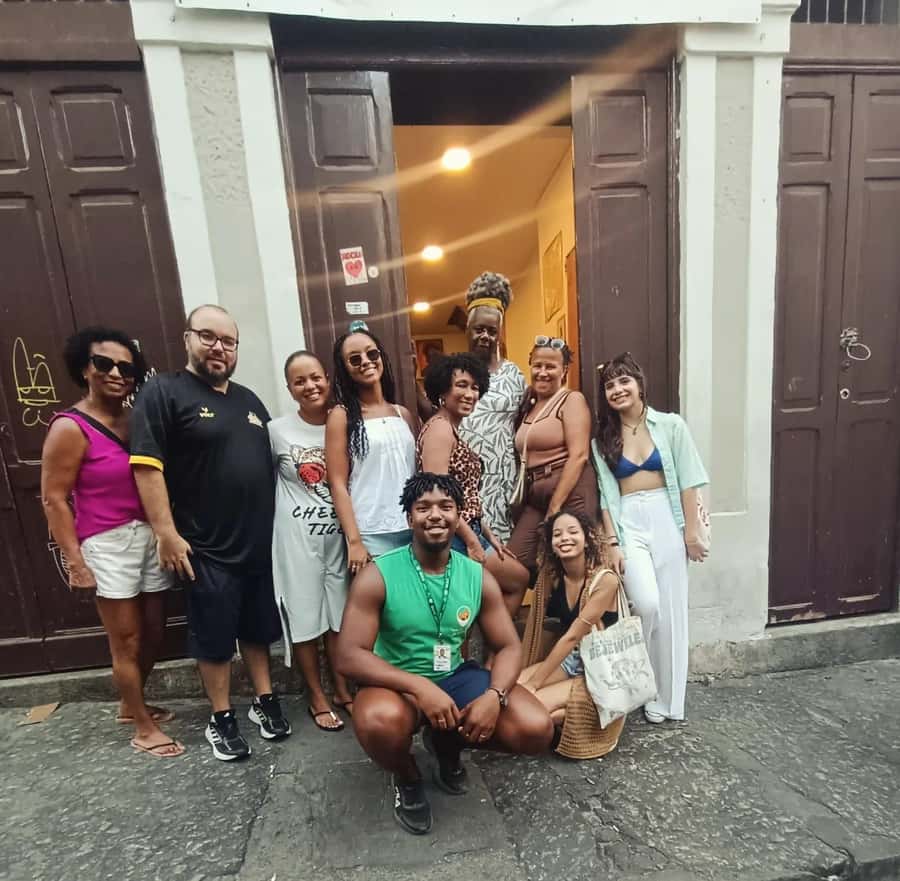
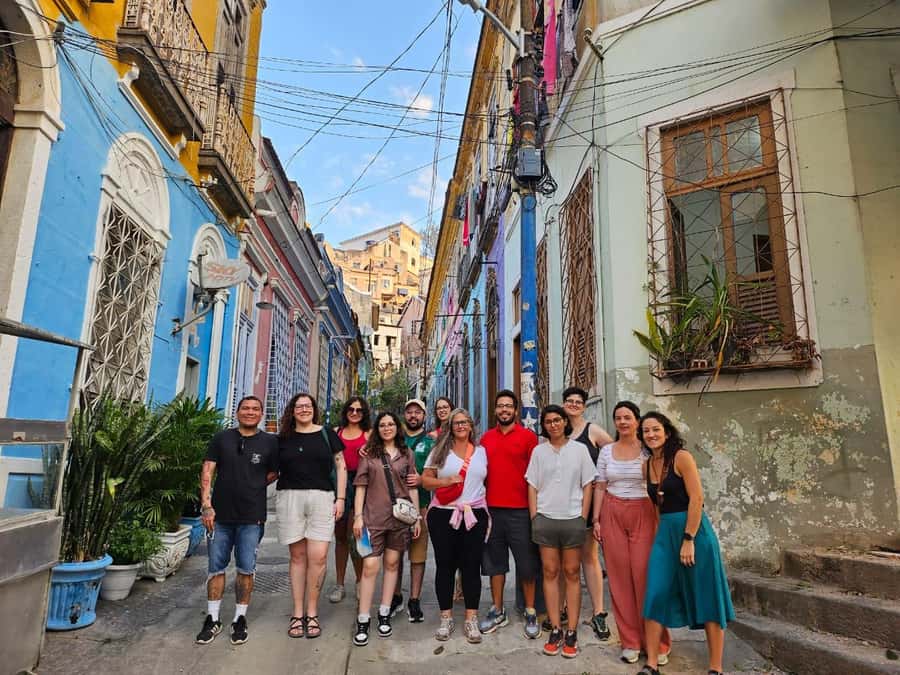
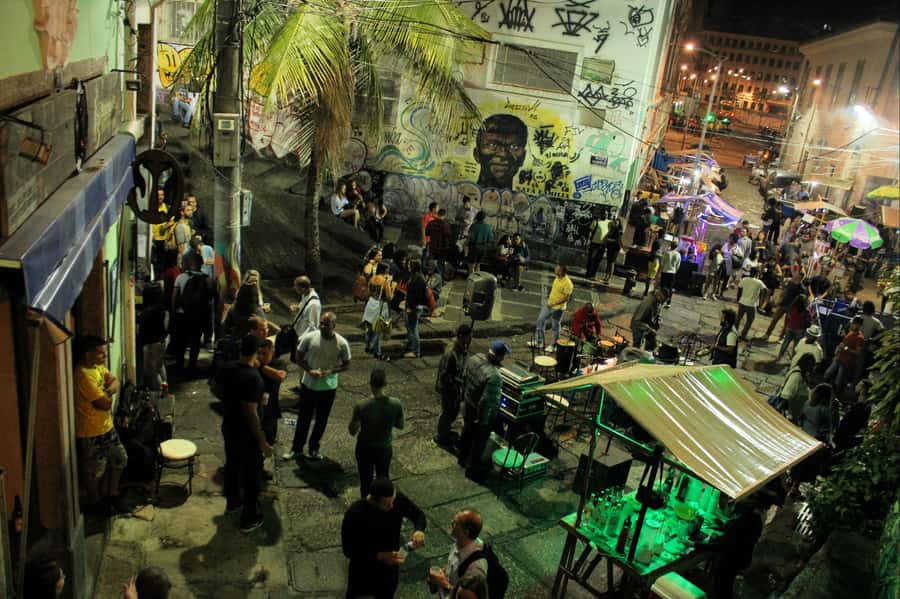
This tour gives that story a physical setting. Instead of hearing a general lecture about Brazil, you walk through Little Africa and the Pedra do Sal area. The guide points out the places connected to black resistance and explains how Afro-Brazilian culture developed under harsh conditions.
That setting matters. Streets and landmarks can make the past easier to grasp than a list of dates. You are not only learning about slavery and abolition in the abstract. You are moving through parts of Rio connected to those events and to their continuing influence.
I also appreciate the tour’s focus on the struggle for abolition. Brazil’s history of slavery is central to understanding the country, yet many city tours give it only a brief mention. Here, it is a main subject. You have room to ask questions and connect the past with present-day issues.
The experience has received a perfect five-star score from five verified bookings, with praise focused on the guides’ teaching, friendliness, and flexibility. That is a small sample, so I would not treat it as proof that every departure will be identical. Still, the comments point to the tour’s strongest feature: good human guidance rather than a rushed walk from one photo stop to the next.
More Walking Tours in Rio de Janeiro
- Rio de Janeiro: Rocinha Favela Walking Tour with Local Guide
★ 4.8 · 3,052 reviews - Rio De Janeiro: Half-Day Rocinha Favela Walking Tour
★ 4.7 · 2,272 reviews - Sunrise and Sunrise Walk Two Brothers with Local Guide
★ 5.0 · 193 reviews
Walking through Little Africa and Pedra do Sal
The walking portion takes place in Little Africa and the Pedra do Sal region. These areas are the heart of the tour, and you should give them your full attention rather than treating them as a quick prelude to the Carnival visit.
Your guide explains the local history of black resistance and the fight to abolish slavery in Brazil. You will also hear about Afro-Brazilian traditions and the way they remain part of Rio’s identity. The exact route and stop-by-stop order are not specified, so you should expect the guide to shape the walk around the group and the day’s conditions.
That flexibility can be useful. Abraham from Colombia praised his guide for explaining Afro-Brazilian subjects in a clear, thoughtful way and for recommending other activities after the scheduled tour. Gary also appreciated help arranging an extra graffiti stop before taking an Uber back to the hotel. Those details suggest a guide who pays attention to what you want, rather than simply following a rigid script.
Still, do not book this expecting a sightseeing checklist packed with famous monuments. The value lies in the explanation and the setting. If your ideal Rio morning means one spectacular viewpoint after another, this tour may feel more reflective than scenic.
The walking is described as manageable, and one participant specifically noted that the group learned a great deal without having to walk too much. Comfortable shoes remain sensible, but this is not presented as a strenuous hike. The tour is also listed as wheelchair accessible, a useful point for visitors who need step-free planning, though you may want to confirm the exact route before booking if access needs are important.
Learning from a guide who welcomes questions

A good guide makes or breaks a history walk. Here, the strongest feedback centers on the guides’ ability to explain difficult subjects in a way that is direct and easy to follow.
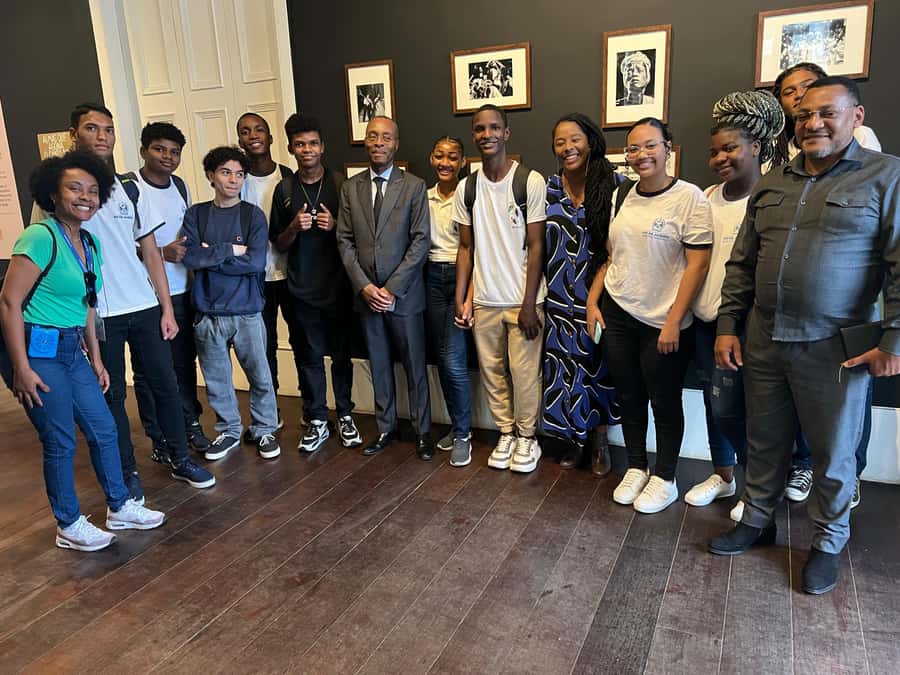
Rafael was praised for being especially attentive during a visit to Little Africa and the samba school warehouse. Another guide was described as friendly, well prepared, and open to discussion. Michelle from the United States found useful comparisons between racial oppression in Brazil and the United States, along with important differences between the two systems.
That comparative angle could be one of the most useful parts of the experience. It gives you a way to connect Brazilian history with subjects you may already know, while still keeping the focus on Brazil. You can ask questions rather than simply receive a memorized speech.
The language choice also helps. Tours are offered in English, Spanish, and Portuguese. If you understand more than one of those languages, choose the one that lets you discuss history most comfortably. This is not a tour where you want to miss a key point because the guide is speaking too quickly or using unfamiliar terms.
The group size is capped at 15, and the booking information describes the outing as a private group. That combination should provide more personal contact than a large city walk. It is worth checking the exact group arrangement at booking, since the listing uses both private group and maximum 15 people. Either way, the stated limit is modest enough for questions and conversation.
What the Carnival warehouse adds
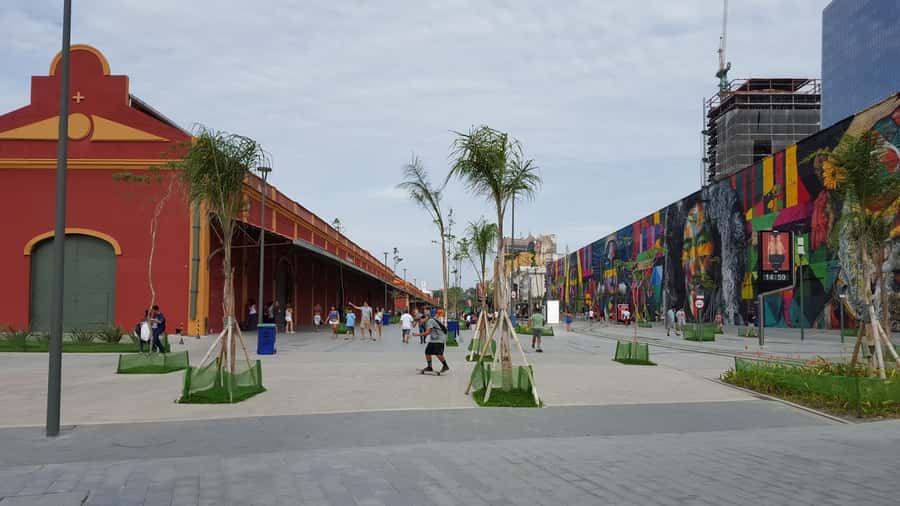
The tour ends at Cidade do Samba, also called the City of Samba. This is where you get a behind-the-scenes look at the work of Rio’s samba schools and learn how their parade tradition developed.
For many people, this will be the most immediately entertaining part. Carnaval floats and costumes can look effortless when they roll past in a parade. A warehouse visit shows the labor behind that spectacle. You get to peek behind the curtains and see where the school’s visual ideas take shape.
The entrance includes the Carnaval Experience at Cidade do Samba. That inclusion makes the $100 price easier to understand, especially if you would otherwise pay separately for a Carnival-related visit and a guided history walk.
The stop also gives the tour a clear arc. You begin with the history of black resistance and Afro-Brazilian culture, then finish with samba, one of the most recognizable cultural forms associated with Rio. The connection is important. Samba is not simply a colorful show for tourists. It grew from communities and traditions shaped by African heritage, social pressure, and creative resistance.
At the same time, keep your expectations measured. Yann from Switzerland found the warehouse visit amazing and appreciated getting access to a major samba school production space, but felt that this section had less authenticity than the earlier walking tour. I agree with that distinction. The warehouse is fascinating because it reveals the making of Carnaval, but it is still a prepared visitor experience. Little Africa and Pedra do Sal carry more of the tour’s historical weight.
The time spent at Cidade do Samba is not specified, so the balance between walking and warehouse viewing may vary. If the Carnival section is your main reason for booking, ask for details about the current schedule and what will be open during your visit.
More walking tours:
- Rio de Janeiro: Little Africa Heritage Walking Tour
★ 4.9 · 177 reviews - Learn the History of Rio with an Unforgettable City Center Walking Tour
★ 5.0 · 82 reviews - Rio’s city walking tour: a glimpse of history and olympic legacy
★ 4.5 · 78 reviews - Walking tour of the bohemian neighborhoods of Santa Teresa and Lapa
★ 5.0 · 59 reviews
Is $100 a good value?
At $100 per person, this is not a bargain walking tour. You are paying for a three-hour private or small-group experience, a live guide, the history-focused route, and entry to Cidade do Samba and the Carnaval Experience.
For the right visitor, that package has solid value. You get two different experiences in one outing: a serious cultural history walk and a behind-the-scenes Carnival visit. The guide adds the most important part, since the meaning of the neighborhoods and traditions would be easy to miss on your own.
The price is easier to justify if you care about Afro-Brazilian history and want to ask questions. It is also useful for a first visit, when a guide can help you understand how slavery, abolition, black resistance, and samba fit into Rio’s larger story.
The value is weaker if you mainly want photographs or a cheap introduction to samba. The walking route is not described as a food tour, and no food or drinks are included. You are paying for interpretation and access, not refreshments or transportation.
I would also consider your schedule. Three hours is long enough to make the subject worthwhile but short enough to fit into a busy Rio itinerary. Since the tour finishes at Cidade do Samba, think about what you want to do afterward and how you will return to your hotel. The tour does not list transport as an inclusion. Gary received help arranging an Uber connection, but you should not assume that transfer assistance is guaranteed.
Practical details that affect your day
The tour is offered in English, Spanish, and Portuguese. It lasts three hours, but starting times depend on availability, so check the calendar before planning other activities around it.
You need to provide a WhatsApp contact. That is particularly useful for meeting instructions and day-of communication, so use a number you will have active in Brazil.
Free cancellation is available until 24 hours before the start time for a full refund. You can also reserve now and pay later, which helps if your Rio schedule is still changing.
The tour is listed as wheelchair accessible. Because the experience includes walking through historic areas, I would still confirm the precise route and surfaces if you use a wheelchair or have limited mobility. Accessibility on paper is helpful, but the details of an outdoor route matter.
Bring water, since drinks are not included. Wear shoes suitable for city walking and leave room in your schedule for conversation. A tour about history works best when you do not have to rush away after every stop.
Who will enjoy this Rio experience most?

I would recommend this tour to you if you want more than Rio’s postcard attractions. It suits visitors interested in slavery, abolition, black resistance, Afro-Brazilian culture, and the origins of samba.
It is also a good fit for people who prefer discussion to performance. You can ask questions, make comparisons, and explore the subject at a human pace. Michelle’s experience shows how the tour can be especially useful if you are interested in connections between Brazil and the United States.
The tour should work well for first-time visitors who want cultural context early in their stay. It can also suit repeat visitors who have already seen the beaches and major viewpoints and now want a more focused subject.
Families with older children or teenagers may find the combination of history and Carnival production appealing, though the subject of slavery requires maturity. The content is educational rather than light entertainment.
I would hesitate to recommend it if you want a pure samba show, a food experience, or a full-day sightseeing route. The Carnival warehouse is a highlight, but it does not replace an evening samba performance. The history walk is the core of the experience.
Should you book the African Culture Walking Tour?
Book it if you want to understand how African heritage shaped Rio and you value a guide who can explain difficult history clearly. The strongest reasons to go are the Little Africa and Pedra do Sal walk, the chance to ask questions, and the link between Afro-Brazilian history and the modern samba-school tradition.
The $100 price is reasonable for a private or small-group three-hour tour with Cidade do Samba entrance, though it is not aimed at budget visitors. I would place the most weight on the guide and the walking portion, with the Carnival warehouse as an enjoyable bonus.
If your time in Rio is limited, this gives you a focused way to see a side of the city many people miss. If you want only famous sights, skip it. If you want context, conversation, and a clearer understanding of where samba came from, this is a strong choice.
FAQ

How long does the African Culture Walking Tour last?
The tour lasts three hours. Starting times depend on availability.
What areas does the walking tour visit?
The walking portion covers Little Africa and the Pedra do Sal region.
What subjects does the guide explain?
The guide discusses local history, black resistance in Rio, the struggle to abolish slavery in Brazil, Afro-Brazilian culture, and related traditions.
Does the tour include Cidade do Samba?
Yes. Entrance to Cidade do Samba and the Carnaval Experience is included.
What happens at Cidade do Samba?
You visit behind the scenes to learn about the origins of samba-school parades and see where Carnival creations are produced.
What languages are available?
The live guide can conduct the tour in English, Spanish, or Portuguese.
Is the tour wheelchair accessible?
Yes, the activity is listed as wheelchair accessible. If you need specific access arrangements, confirm the route before booking.
Can I cancel the tour for a refund?
Yes. You can cancel up to 24 hours in advance for a full refund. You can also reserve now and pay later.
Just added around Rio de Janeiro
- Pedra Bonita Trail: The easiest trail with a beautiful view of Rio★ 4.6 · 3 reviews
- Rocinha Jeep Tour: A Journey into the Soul of the Favela!★ 3.8 · 3 reviews
- Rio: Private, Custom express, Main Attractions!★ 5.0 · 3 reviews
- Rio: Favela Walking Tour of Rocinha with a Resident Guide★ 4.7 · 3 reviews
- Explore Fernando de Noronha: 7-Hour Ilhatour★ 4.9 · 3 reviews
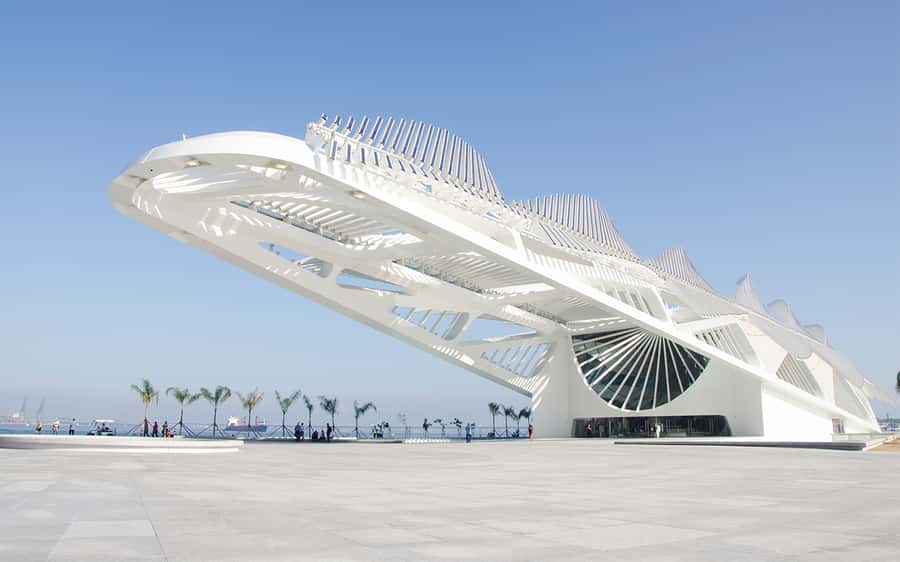
- Rio: Museum of Tomorrow, Yup Star & Olympic Boulevard★ 3.7 · 3 reviews
- Rio: Best Dive Experience All Inclusive Scuba Diving Package★ 5.0 · 3 reviews
- Rio de Janeiro by Air: 10-Minute Helicopter Tour★ 4.4 · 3 reviews
Walking Tours, compared.



Sunrise and Sunrise Walk Two Brothers with Local Guide
Read our review →
Downtown-Center History Walking Tour – in English
Read our review →
Downtown-Center Walking Tour | 2 Hours – English
Read our review →
Learn the History of Rio with an Unforgettable City Center Walking Tour
Read our review →Browse the lists this tour appears in