

Reviewed · WALKING TOURS
Little Africa – Walking tour from the passed to the future
History comes alive on Rio’s sidewalks. This three-hour walk through Little Africa explores the places where Africans entered Brazil, lived, worked, suffered, and shaped the country’s culture. I like the focus on Black heritage and the way the guide connects old sites with present-day art and ideas about the future. I also like the personal storytelling. Guides such as Larissa, Gabriela, Luana, and Rafael have been praised for their passion, care, and ability to make the past feel immediate.
The main caution is language consistency. English-language guests have had excellent guides, but two people found their guide’s English difficult to understand. You should also watch the payment details closely: the advertised US$32 reservation fee is not the full cost, and an additional R$160 per person is paid directly to the guide.
In This Review
- Key points to know before booking
- Why Little Africa matters in Rio
- Beginning downtown and setting the tone
- Walking through the remains of Little Africa
- The emotional side of the experience
- Art, culture, and the future-facing part of the walk
- The guide makes or breaks the walk
- Is the price good value?
- Who will enjoy this most?
- Booking tips for a smoother experience
- Should you book Little Africa?
- FAQ
- Where does the Little Africa walking tour meet?
- How long does the tour last?
- What languages are available?
- What is the total cost?
- Are children allowed to join?
- Can I cancel the tour?
Key points to know before booking
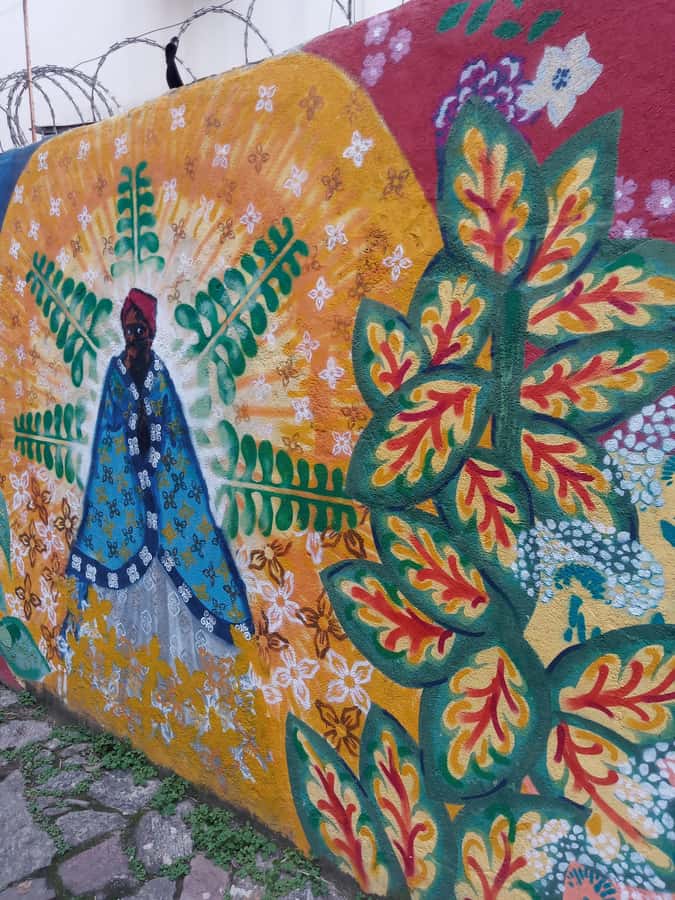
- Little Africa was once Rio’s entry point for Africans brought from the continent, making this more than a general city walk.
- The route covers open-market remains, homes, shops, graveyards, and other historic places, with meaning explained by a live guide.
- The tour lasts three hours and begins downtown, so you get a focused introduction rather than a rushed citywide overview.
- Guides speak English, Portuguese, and Spanish, but English delivery may vary by guide.
- The full stated cost is R$310 per passenger, made up of the US$32 online reservation fee plus R$160 paid to the guide, with a possible 5 percent card tax on the additional payment.
- The experience can be emotional, so respectful behavior matters more here than on a light sightseeing stroll.
Why Little Africa matters in Rio
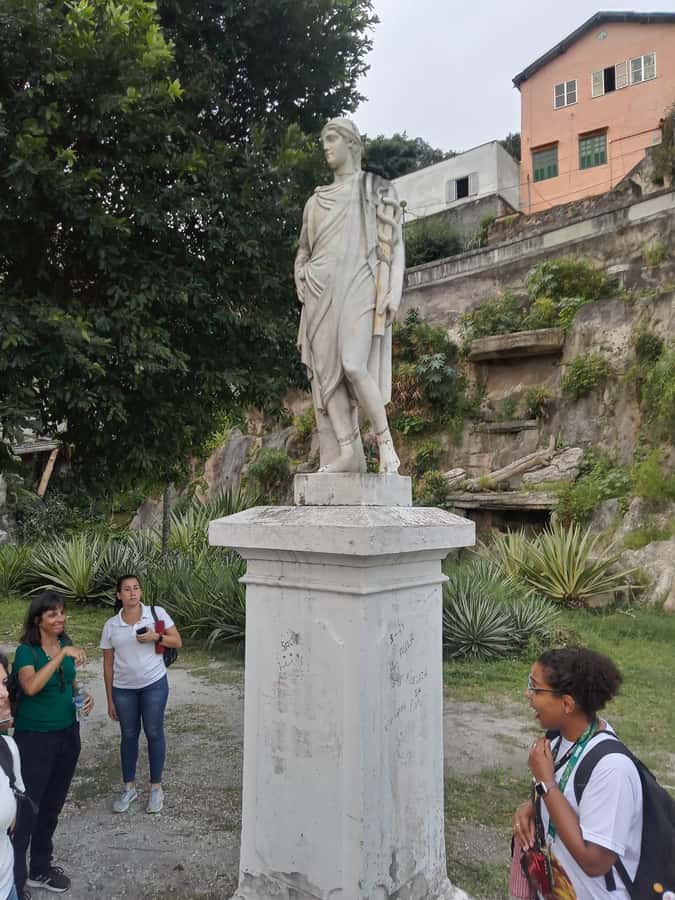
Rio’s Little Africa is not simply a district with a few old buildings. It was a major arrival point for men, women, and children brought from Africa to Brazil. The area contained an open market for enslaved people, along with stores, homes, and burial grounds.
That setting gives the walk unusual weight. You are not only hearing about national history in a classroom-style talk. You are moving through the alleys and streets where that history took place. The route asks you to notice what remains, what has disappeared, and how African heritage continues to shape Brazil.
I find that kind of setting valuable because it corrects the usual Rio postcard picture. Beaches, mountains, and grand viewpoints tell only part of the city’s story. Little Africa brings forward the lives and cultures that helped build Brazil, while also showing how painful that process was.
The tour also reaches toward the future. Its themes include art, culture, and what comes next for this part of Rio. That balance matters. The walk is not built only around tragedy. It recognizes survival, creativity, memory, and the continuing importance of Black Brazilian culture.
More Walking Tours in Rio de Janeiro
- Rio de Janeiro: Rocinha Favela Walking Tour with Local Guide
★ 4.8 · 3,052 reviews - Rio De Janeiro: Half-Day Rocinha Favela Walking Tour
★ 4.7 · 2,272 reviews - Sunrise and Sunrise Walk Two Brothers with Local Guide
★ 5.0 · 193 reviews
Beginning downtown and setting the tone
The meeting point is in downtown Rio de Janeiro. Since transportation is not included, you need to make your own way there and arrive ready for a walking tour. The experience lasts three hours, a useful length for a serious historical subject without turning the entire day into a single activity.
The first part of a tour like this needs a good guide, and the strongest feedback centers on exactly that. Larissa has been praised for her enthusiasm and for telling the story in a way that helps you picture events. Gabriela was described as personable and well informed, while Luana received praise for her kindness and thoughtful approach. Rafael also earned strong marks, including for helping rearrange a booking after a delayed flight.
Those details matter. A site-based history tour depends less on flashy attractions than on explanation, pacing, and judgment. A good guide helps you understand why an ordinary-looking street matters. A weak delivery can leave you looking at old remains without knowing what you are seeing.
The minimum group requirement is two people. If you are traveling alone, contact the provider before booking rather than assuming the departure will operate. That simple check could save you a wasted morning.
Walking through the remains of Little Africa
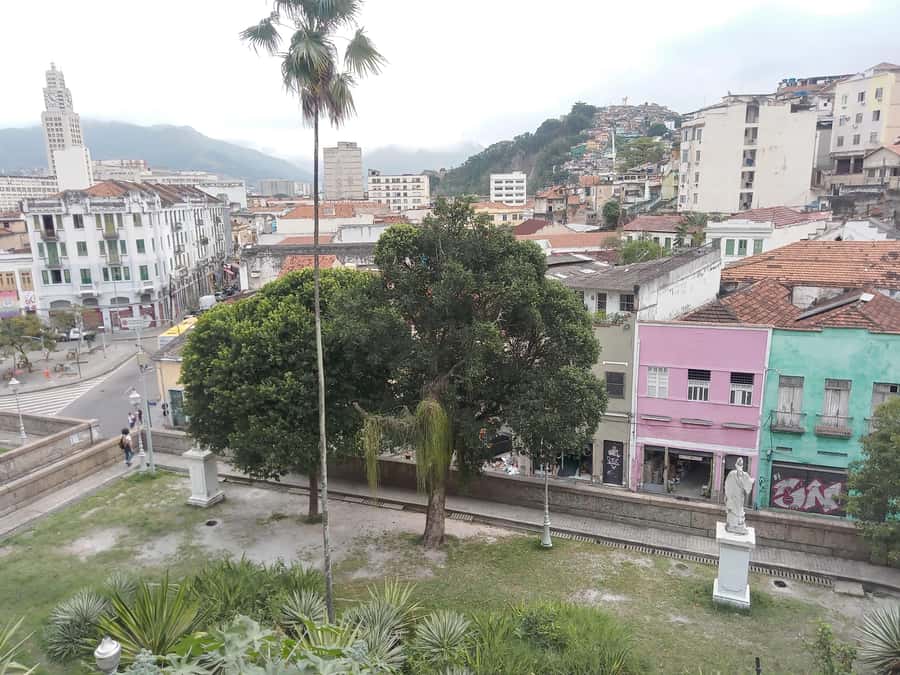
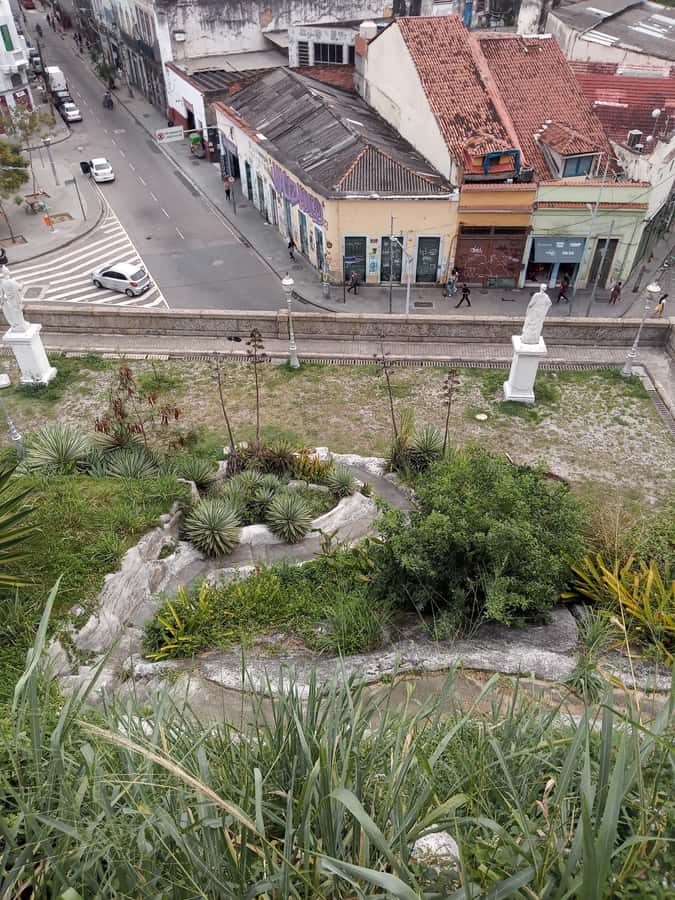
The route takes you through the remains of a district that once contained an open market, commercial spaces, homes, and graveyards. The available information does not promise a fixed list of named stops, so you should expect the guide to interpret the historic area as a whole rather than follow a museum-style checklist.
Pay close attention to the transitions between locations. A shop site can tell you about trade and daily life. A house can suggest how people lived in the district. A burial site can show the human cost of the system and the way communities dealt with death. The power of the walk comes from putting those pieces together.
You will likely spend time looking at what is physically present, but the guide’s remarks are just as important as the stones, walls, and street plan. I would resist rushing ahead to take photographs. Listen first, then take pictures when appropriate. Some places deserve attention rather than a quick phone screen.
This is also a good reason to wear comfortable shoes and plan for a steady three-hour walk, though the supplied details do not specify the exact terrain or distance. Food, drinks, transportation, and souvenirs are not included, so handle those needs before or after the tour unless your guide advises otherwise.
The emotional side of the experience
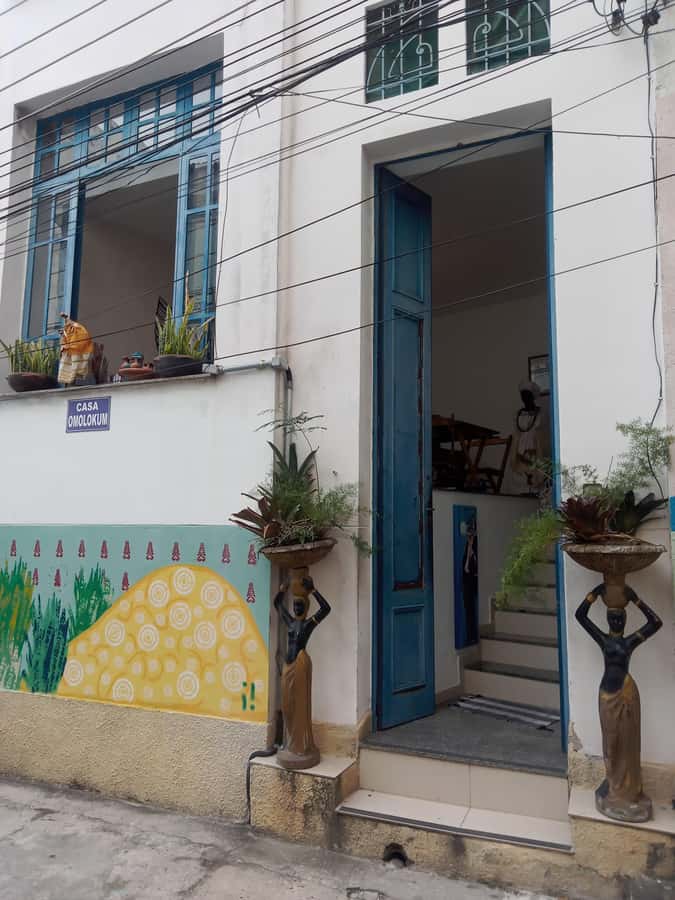
This is not a cheerful sightseeing loop, and it should not be treated as one. The story includes forced migration, enslavement, the separation of families, and the exploitation of African people in Brazil. Many people find the experience emotional.
That emotional response is not a problem to solve. It is part of understanding the places you are visiting. Still, I recommend keeping your manner quiet and respectful, especially around burial sites and locations connected with suffering. Avoid treating sensitive places as casual photo backdrops.
The tour also gives you a chance to consider how history is remembered. What survives in the streets? What has been overlooked? How do art and culture help communities keep memory alive? Those questions make the walk more useful than a simple list of dates.
The title’s movement from past to future is important here. You learn about the district’s role in Brazil’s past, then consider its cultural meaning today and its direction ahead. The future element is presented as a theme rather than a promise of a particular attraction, so I would book this for thoughtful interpretation, not for a large number of polished exhibits.
More walking tours:
- Rio de Janeiro: Little Africa Heritage Walking Tour
★ 4.9 · 177 reviews - Learn the History of Rio with an Unforgettable City Center Walking Tour
★ 5.0 · 82 reviews - Rio’s city walking tour: a glimpse of history and olympic legacy
★ 4.5 · 78 reviews - Walking tour of the bohemian neighborhoods of Santa Teresa and Lapa
★ 5.0 · 59 reviews
Art, culture, and the future-facing part of the walk

Art is one of the experience’s stated themes, but the exact art stops can depend on the day and guide. One booking included an art museum visit but required an additional entrance payment. Another person noted that an exhibition at the art museum was not included in the tour.
That is useful practical information. Do not assume every museum exhibit or admission fee is covered by the tour price. Ask in advance which sites are included, whether entry tickets are extra, and whether a current exhibition forms part of your departure.
Even with that uncertainty, the art and culture angle adds something important. African influence in Brazil is not confined to the past. It appears in cultural expression, community memory, and the way Rio understands itself. A guide who can connect historic sites with current culture gives you a fuller picture than a walk focused only on colonial dates or architecture.
I would also ask your guide how the future theme will be handled. It may involve present-day cultural work and the changing meaning of Little Africa rather than a single futuristic attraction. That is not a weakness, but it helps you set the right expectations.
The guide makes or breaks the walk
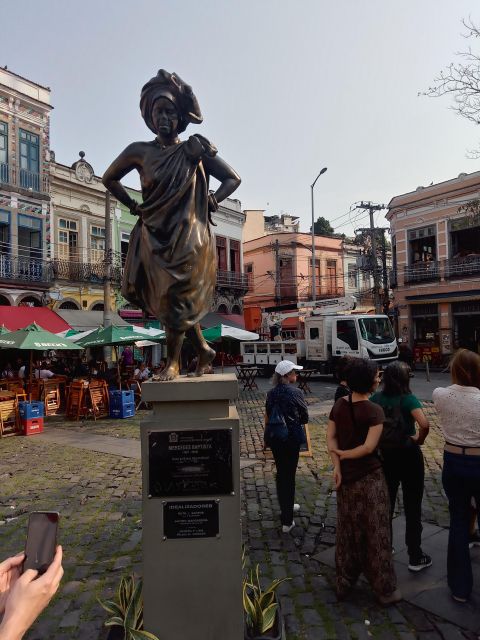
The most consistent praise goes to the guides’ passion, warmth, and storytelling. Larissa’s ability to make events feel immediate is especially valuable on a route where many sites may not look dramatic at first glance. Gabriela’s friendly manner and Luana’s care suggest a tour that can feel personal rather than mechanical.
At the same time, English quality is not guaranteed to be equally strong at every departure. Two English-speaking customers found their guide hard to understand, even though one of them recognized that the guide knew the subject well. That distinction is worth keeping in mind: strong subject knowledge does not always produce clear communication.
If you need the tour in English, confirm the language and ask about the guide before finalizing plans if possible. Portuguese and Spanish are also offered. For Portuguese or Spanish speakers, the language concern may be less significant.
The rating of 4.6 from eight reviews points to a generally strong experience, but the small number also means you should not treat it as a guarantee. I would place more weight on the specific guide assigned to your departure and the language you require.
Is the price good value?
The price needs careful reading. The online reservation costs US$32 per person through GetYourGuide, but the stated total is R$310 per passenger. That total includes the reservation payment plus an additional R$160 paid directly to the guide. The exact US dollar equivalent of the full amount will shift with the exchange rate.
The extra payment can be made by credit or debit card, with a 5 percent tax charge stated for card payments. Children receive reduced pricing in the additional payment: the information gives half price for children from ages 3 to 10, while the booking details also state that children from 5 to 10 receive a 50 percent discount and children from 0 to 4 are free on a parent’s lap. Because those age ranges are not perfectly consistent, confirm the child rate before paying.
For a three-hour private-feeling historical walk with a live guide, the cost can be fair if the storytelling is strong and the route gives you context you would not get alone. The value is not in the number of attractions. It is in interpretation, local knowledge, and access to a difficult part of Rio’s past.
The value drops if you expect museum admissions, transport, meals, or souvenirs to be included. None of those are covered. Since at least one person had to pay extra for museum entry, ask for a precise cost breakdown before departure.
Who will enjoy this most?

I would recommend this tour to you if you want to understand Rio beyond beaches and viewpoints. It suits people interested in Black history, African heritage, Brazilian culture, public memory, and socially serious travel.
It is also a strong choice early in a Rio visit. The walk can give you a foundation for understanding the city before you visit other cultural sites. Several hours spent learning how African communities shaped Brazil may change the way you interpret food, music, art, religion, and public life during the rest of your stay.
Families can book it, with discounts for children and free participation for very young children on a parent’s lap. Still, consider your child’s ability to walk for three hours and handle difficult subject matter. The content is not presented as a children’s entertainment activity.
I would hesitate if you want a light, fast-paced outing, dislike serious historical subjects, or need highly polished English commentary. I would also hesitate if your budget cannot stretch beyond the advertised US$32, because the additional R$160 is part of the stated total.
Booking tips for a smoother experience
Before you reserve, check these points:
- Confirm the tour language and, if possible, the assigned guide.
- Ask exactly which museums or art spaces are included.
- Confirm any entrance fees before the walking day.
- Budget for the full stated price of R$310 per passenger, not just the online fee.
- Ask about child pricing if your children fall into the overlapping age ranges in the booking details.
- Contact the provider first if you are alone, since at least two customers are required.
- Plan your own transportation to the downtown meeting point.
- Carry identification or a copy, since it is mandatory.
Cancellation is flexible: you can cancel up to 24 hours before the experience for a full refund. You can also reserve now and pay later through the booking platform, which helps if your Rio schedule is still moving around.
Should you book Little Africa?
Book it if you want a serious, human introduction to Rio’s Black heritage, and you are willing to listen carefully and treat the subject with respect. The best guides bring emotion, clarity, and context to places that might otherwise look like ordinary streets.
I would book it for the history, the connection between African heritage and Brazilian culture, and the chance to see Rio through a less familiar lens. I would not book it without confirming the guide’s English, the full payment, and any museum fees.
For the right audience, this is a meaningful three-hour walk rather than a routine sightseeing stop. Go with open attention, comfortable shoes, and realistic expectations about the subject matter. The tour’s strongest asset is the guide. If your assigned guide communicates clearly, Little Africa can become one of the most thought-provoking parts of your time in Rio.
FAQ
Where does the Little Africa walking tour meet?
The meeting point is in downtown Rio de Janeiro. Transportation to the meeting point is not included.
How long does the tour last?
The walking tour lasts three hours. Starting times depend on availability.
What languages are available?
The tour is offered in English, Portuguese, and Spanish.
What is the total cost?
The stated total is R$310 per passenger. This includes the US$32 reservation payment through GetYourGuide and an additional R$160 paid directly to the guide. Card payments for the additional amount may have a 5 percent tax.
Are children allowed to join?
Yes. Children from 5 to 10 years old receive a 50 percent discount, and children from 0 to 4 years old are free on a parent’s lap. The payment information also refers to half price for children from 3 to 10, so confirm the exact rate before booking.
Can I cancel the tour?
You can cancel up to 24 hours in advance for a full refund. The booking option also allows you to reserve now and pay later.
Just added around Rio de Janeiro
- Pedra Bonita Trail: The easiest trail with a beautiful view of Rio★ 4.6 · 3 reviews
- Rio: Private, Custom express, Main Attractions!★ 5.0 · 3 reviews
- Rocinha Jeep Tour: A Journey into the Soul of the Favela!★ 3.8 · 3 reviews
- Rio: Favela Walking Tour of Rocinha with a Resident Guide★ 4.7 · 3 reviews
- Rio: Museum of Tomorrow, Yup Star & Olympic Boulevard★ 3.7 · 3 reviews
- Explore Fernando de Noronha: 7-Hour Ilhatour★ 4.9 · 3 reviews
- Rio: Best Dive Experience All Inclusive Scuba Diving Package★ 5.0 · 3 reviews
- Rio de Janeiro by Air: 10-Minute Helicopter Tour★ 4.4 · 3 reviews
Walking Tours, compared.



Sunrise and Sunrise Walk Two Brothers with Local Guide
Read our review →
Downtown-Center History Walking Tour – in English
Read our review →
Downtown-Center Walking Tour | 2 Hours – English
Read our review →
Learn the History of Rio with an Unforgettable City Center Walking Tour
Read our review →Browse the lists this tour appears in