
Reviewed · PEDRA BONITA & ROCK HIKES
Samba Night in Pedra do Sal with 1 free caipirinha
Samba starts with a story. This four-hour Monday night walk connects Rio’s Little Africa with the music, faith, and Afro-Brazilian traditions that shaped the city. I like that it does more than drop you at a party: you first visit Cais do Valongo and hear from guide Bruno about the area’s past and the resilience of its community. I also like the easy finish at Pedra do Sal, where live drums, dancing, and one free caipirinha turn a history lesson into a real night out.
The main consideration is the walking. The route includes historic streets and Pedra do Sal, and the experience is not suitable for wheelchair users or people with mobility impairments. The meeting point is central, but hotel pickup is not included, so you must make your own way to Largo de São Francisco da Prainha.
In This Review
- Key points at a glance
- Why this samba night feels different
- Starting at Largo de São Francisco da Prainha
- Walking through Saúde and Little Africa
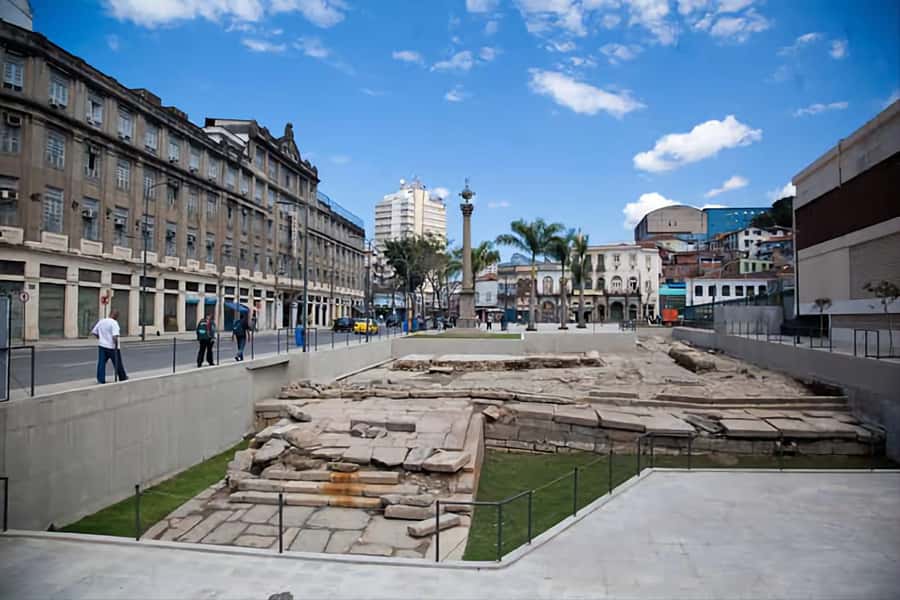
- Cais do Valongo and the weight of the port
- Arriving at Pedra do Sal on Monday night
- The caipirinha and the $42 price
- Who will enjoy this evening most
- Practical tips for a smoother night
- Should you book Samba Night in Pedra do Sal?
- FAQ
- Where does the samba night begin?
- How long does the experience last?
- Is a caipirinha included?
- Which languages are available?
- Is hotel pickup included?
- Is the tour suitable for wheelchair users?
Key points at a glance
- Monday night at Pedra do Sal: The samba gathering takes place on Monday, when the historic site fills with live music and dancing.
- Cais do Valongo visit: You see a UNESCO World Heritage site that was once a slave port, adding serious historical weight to the evening.
- Guide Bruno’s personal touch: He speaks English, Spanish, and Portuguese, and has been praised for being attentive, friendly, and easy to enjoy company with.
- One caipirinha included: Your welcome drink is part of the $42 price, with fruit flavors such as kiwi, passion fruit, and lime available at the samba gathering.
- Little Africa on foot: The route links Saúde, Largo de São Francisco da Prainha, Cais do Valongo, and Pedra do Sal.
- Optional Polaroid souvenir: You can add one Polaroid photo for $20, useful if you want a physical reminder of the night.
Why this samba night feels different
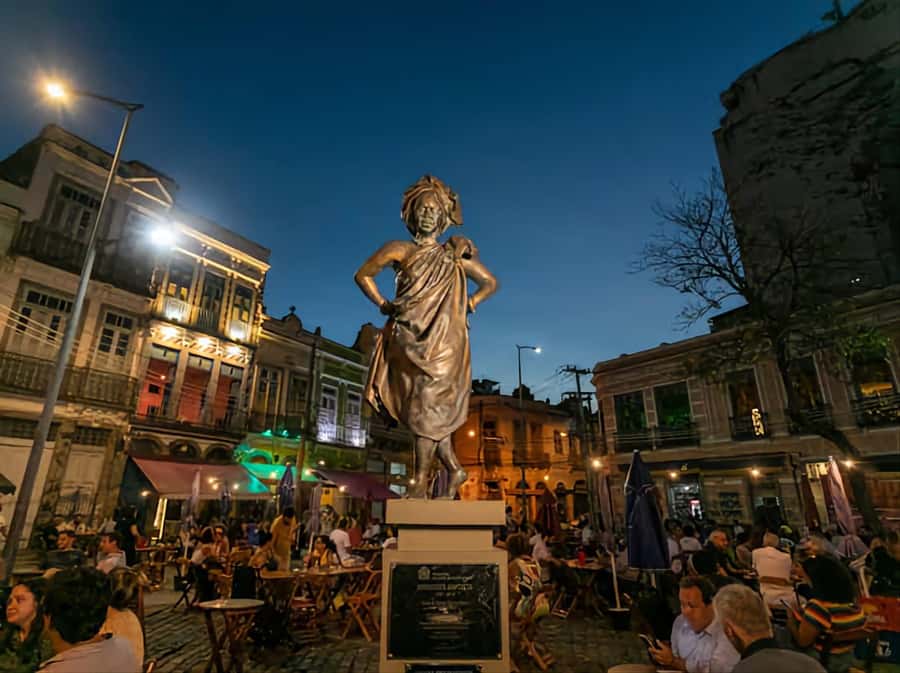
Rio has plenty of music venues, but this outing takes you to a place where samba is tied to neighborhood life and Afro-Brazilian identity. Pedra do Sal is known as the birthplace of samba, and the event happens in the street rather than inside a polished show venue.
That difference matters. You are not simply watching performers from a seat. You are walking through an old port district, hearing how African culture influenced Rio’s music and religion, then reaching a public celebration where locals dance and musicians play live. The evening has a clear sense of place.
I like the order of the night. The visit begins at 7:30 PM at Largo de São Francisco da Prainha, then moves through the Saúde area before reaching Pedra do Sal. By the time the music begins, you have some context for why the location matters.
The experience is sold as four hours, while the guided walking portion is described as about two hours. That suggests the total time includes the samba gathering and time at Pedra do Sal. Exact starting times should still be checked when you book, especially if you are arranging dinner or another evening activity.
More rock hikes above the city:
- Pedra do Telégrafo Hike and Beach Full-Day Tour
★ 4.5 · 417 reviews - Pedra do Sal: Live Samba Night with Local Guide & Drink
★ 4.4 · 183 reviews - Rio de Janeiro: Pedra da Gávea 7-Hour Hike
★ 4.7 · 183 reviews
Starting at Largo de São Francisco da Prainha
The meeting point is Largo de São Francisco da Prainha, a main square close to Pedra do Sal. This is a practical place to begin because you are already near the port district and do not lose time crossing Rio from another part of the city.
You should arrive in comfortable clothes and walking shoes. The outing is not a formal concert, so dress for movement, outdoor time, and dancing. Sun protection is advised, even though the tour begins in the evening, since part of the walking route may take place before dark.
There is no hotel pickup or drop-off. That keeps the price lower, but it also means you need to plan your route to and from the square. The experience returns to Largo de São Francisco da Prainha, which is helpful at the end because you finish where you began rather than being left at an unfamiliar point.
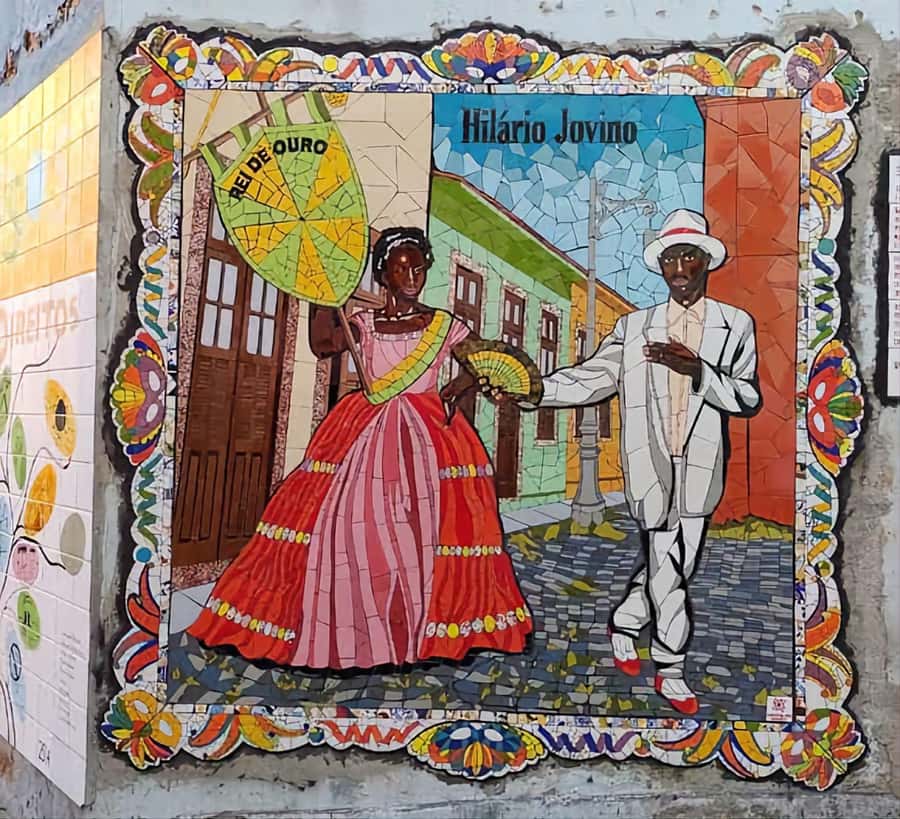
The group then heads toward Saúde. This is not a drive-by sightseeing trip. You walk through the district, so the guide can point out street art and connect the visible neighborhood with its past. Bring a camera if you enjoy urban details, but keep your attention on the guide and the group as well.
Walking through Saúde and Little Africa
The central idea of this tour is Pequena África, or Little Africa. The name refers to the port area where African people and Afro-Brazilian communities played a major role in shaping local music, religious practice, food, and daily life.
The guide explains those connections while you walk. That makes the area easier to understand than it would be if you visited Pedra do Sal alone for a few photographs and a drink. I value this kind of introduction because the neighborhood is not only a backdrop for samba. It carries painful history, community memory, and cultural strength at the same time.
The guide also discusses the resilience of the Afro-Brazilian community. That is an important part of the evening’s balance. The story is not presented only as a party origin story, and it is not reduced to a list of dates. You learn how music and religion helped shape Rio while facing the difficult legacy of slavery and forced migration.
English, Spanish, and Portuguese are available. Bruno has received especially strong praise for clear Spanish, attentive coordination, and keeping people comfortable throughout the outing. That can make a real difference in a walking tour, especially when the subject includes complex history and cultural terms.
You should expect the route to be social and conversational rather than quiet and museum-like. If you want a highly formal historical tour with extensive architecture commentary, this may not be the right fit. If you want a human introduction to a neighborhood before joining its music scene, the format makes sense.
Cais do Valongo and the weight of the port
The stop at Cais do Valongo gives the evening its most serious moment. This former slave port is now a UNESCO World Heritage site, and its presence changes the way you understand Little Africa and Rio’s development.
The visit is valuable because it places Afro-Brazilian culture in its full setting. Samba did not appear in isolation. The port region carries the history of people brought to Brazil by force, along with the later growth of communities that preserved and reshaped African traditions under harsh conditions.
Your guide uses the site to explain the influence of African culture on Rio’s music and religion. That connection prepares you for Pedra do Sal. The dancing later in the evening feels less like a separate attraction and more like part of a long cultural story.
This stop may not suit everyone emotionally. Cais do Valongo is not light sightseeing, and the subject can be difficult. I think that is a reason to include it, not a reason to skip it, as long as you prefer an evening with historical depth rather than nonstop entertainment.
The information provided does not specify how long you spend at each exact point, so you should not expect a full museum visit or a long archaeological lecture. The activity is built as a guided walk, with the site forming one important part of a larger route.
More samba nights:
- Rio de Janeiro: Beginner Samba Lesson in Ipanema
★ 4.9 · 1,071 reviews - Rio: Pub Crawl in Lapa with Cachaça Tasting and Live Samba
★ 4.7 · 881 reviews - Rio: Carnival Backstage Tour at Samba City with Cocktail
★ 4.6 · 520 reviews - Hop-ON Hop-OFF Sightseeing Bus in Rio de Janeiro – Rio Samba Bus
★ 3.5 · 457 reviews
Arriving at Pedra do Sal on Monday night
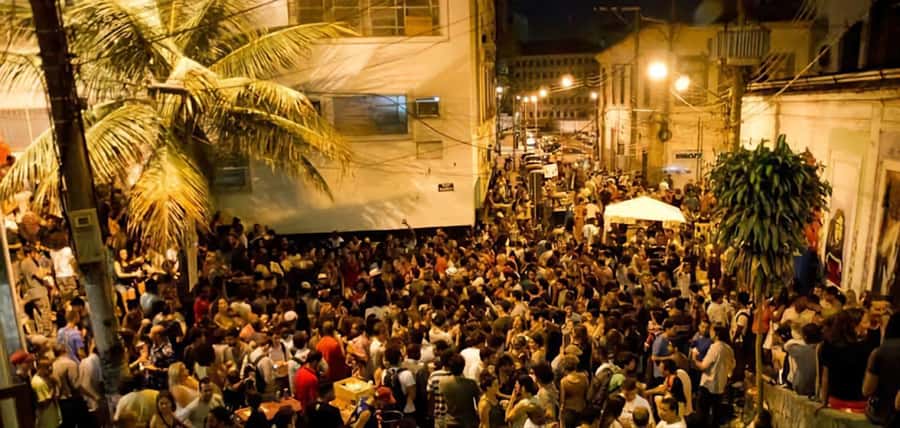
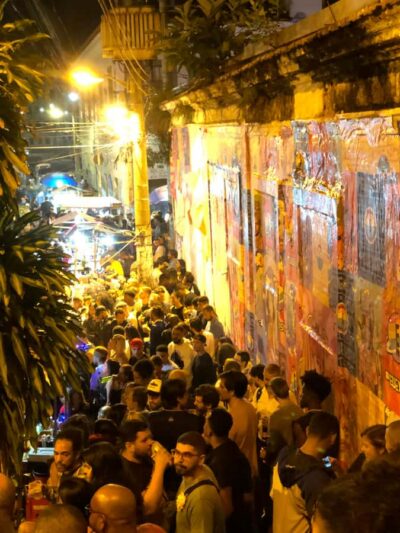
Pedra do Sal is the payoff, but the earlier walk gives it meaning. The site is known as the birthplace of samba, and on Monday nights it becomes a street gathering with live samba music, drums, dancing, and drinks.
The setting is informal. You can expect people moving to the rhythm, rather than a staged performance with assigned seating. That is ideal if you want to dance and watch local social life unfold around the music. It may feel less comfortable if you need personal space, quiet conversation, or a fixed schedule.
The guide remains with the group and helps you take part. Bruno is described as fun, attentive, and careful to make people feel comfortable. That combination is useful here. A guide can explain what you are hearing, help you understand the flow of the night, and keep the experience from feeling like you have been dropped into an unfamiliar crowd.
I would treat the samba portion as flexible rather than tightly timed. Street music does not follow the same rhythm as a theater show. You may spend time listening, dancing, talking, and ordering a drink. The activity gives you a way into the gathering, but it does not turn the evening into a packaged performance.
The experience is especially good for people who want to join the rhythm instead of only photographing it. You should be prepared to dance, even if your dancing is limited to a small shuffle. Samba is forgiving. Nobody needs a perfect routine to enjoy the music.
The caipirinha and the $42 price
At $42 per person, the price is reasonable if you want both cultural interpretation and a guided night at Pedra do Sal. You are paying for the walking tour, the Cais do Valongo and Pedra do Sal visits, live samba music, guide service, and one complimentary caipirinha.
The drink itself is a small benefit, not the reason to book. Caipirinhas with flavors such as kiwi, passion fruit, and lime are available at the gathering, according to the experience details and direct feedback about the evening. Additional drinks are not included, and meals are not included either.
The value is strongest when you would otherwise feel uncertain about finding the right place or understanding the area. You get an organized meeting point, a guide in three languages, a historical route, and company for the music portion. A person already familiar with Little Africa and comfortable navigating Pedra do Sal alone might prefer to attend independently.
The optional Polaroid costs $20. I would see it as a personal extra, not a necessary part of the outing. If you like physical souvenirs and want a photo from the night, it adds a nice old-fashioned touch. If you are watching costs, your own camera is enough.
Who will enjoy this evening most
I would recommend this experience to first-time Rio visitors who want more than a standard nightlife stop. It gives you a cultural frame for the port district and then lets you experience one of the city’s best-known samba gatherings in a direct, social way.
It also suits solo visitors. Having Bruno guide the walk and stay with the group can make the evening feel easier, especially when you are unsure how to approach a local street celebration on your own.
Couples and small groups should enjoy the mix of history, music, and a welcome drink. The format also works well for anyone who wants to meet other people without joining a large sightseeing bus.
It is less suitable for anyone with limited mobility. The tour is on foot, includes historic streets, and reaches a lively samba site. Wheelchair users and people who cannot comfortably walk and stand for extended periods should choose another activity.
I would also think twice if you want a calm evening. Pedra do Sal is presented as a real party, with music, dancing, and a strong local crowd. That is the attraction, but it also means the night may feel energetic and unstructured.
Practical tips for a smoother night
Wear shoes you can walk and dance in. This is the most important practical advice. Avoid clothing that restricts movement, and choose something comfortable for an outdoor evening.
Bring a camera for street art and the historic area, but do not spend the whole night looking through a screen. The strongest parts of this outing are the explanations, the music, and the feeling of being present.
Make sure you know how to reach Largo de São Francisco da Prainha before the 7:30 PM start. Since transportation is not included, allow enough time to get to the square without rushing.
If you need a particular language, check availability at booking. The tour operates in English, Spanish, and Portuguese, and Bruno has been praised for speaking Spanish very well.
The activity allows free cancellation up to 24 hours before the start, and you can reserve now and pay later. Those terms are useful if your Rio schedule may change, but they do not replace checking the exact meeting time and availability.
Should you book Samba Night in Pedra do Sal?
Book it if you want to understand the place before you party there. The best feature is the combination of Cais do Valongo, Little Africa, and live samba at Pedra do Sal. You get history, a local guide, music, and a caipirinha rather than a generic nightlife outing.
I would be especially inclined to book with Bruno if you want a friendly guide who can explain the area in Spanish, English, or Portuguese and stay involved during the samba night. The main tradeoff is the walking and the informal nature of the event.
At $42, this is a good pick for an active visitor who values context and local music. Skip it if mobility is a concern, if you need hotel transportation, or if you prefer a seated show with a fixed timetable.
FAQ
Where does the samba night begin?
The experience begins at Largo de São Francisco da Prainha at 7:30 PM. This square is close to Pedra do Sal.
How long does the experience last?
The total duration is four hours. The guided walking portion is described as about two hours, with the remaining time connected to the visit and samba night at Pedra do Sal.
Is a caipirinha included?
Yes. Each participant receives one complimentary caipirinha. Meals and additional drinks are not included.
Which languages are available?
The live guide operates in English, Spanish, and Portuguese.
Is hotel pickup included?
No. You must make your own way to Largo de São Francisco da Prainha, and the experience returns there at the end.
Is the tour suitable for wheelchair users?
No. The activity is not suitable for wheelchair users or people with mobility impairments. Comfortable walking shoes and clothes are recommended.
More Cachaca and Caipirinha Tastings
- Rio: Caipirinha Workshop and Samba Class
★ 4.8 · 113 reviews - Rio Experience: Caipirinha Workshop (2 Caipis) + Funk Class
★ 4.8 · 22 reviews - Paraty: Jungle Waterfalls and Cachaça Distillery Jeep Tour
★ 4.7 · 491 reviews - Paraty: Historic Centre Walking Tour & Cachaça Tasting
★ 4.8 · 96 reviews
Just added around Rio de Janeiro
- Pedra Bonita Trail: The easiest trail with a beautiful view of Rio★ 4.6 · 3 reviews
- Rio: Private, Custom express, Main Attractions!★ 5.0 · 3 reviews
- Rocinha Jeep Tour: A Journey into the Soul of the Favela!★ 3.8 · 3 reviews
- Rio: Favela Walking Tour of Rocinha with a Resident Guide★ 4.7 · 3 reviews
- Rio: Museum of Tomorrow, Yup Star & Olympic Boulevard★ 3.7 · 3 reviews
- Explore Fernando de Noronha: 7-Hour Ilhatour★ 4.9 · 3 reviews
- Rio: Best Dive Experience All Inclusive Scuba Diving Package★ 5.0 · 3 reviews
- Rio de Janeiro by Air: 10-Minute Helicopter Tour★ 4.4 · 3 reviews
Pedra Bonita & Rock Hikes, compared.
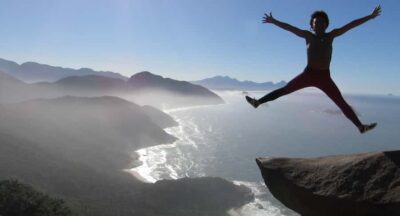
Pedra do Telégrafo Hike and Beach Full-Day Tour
Read our review →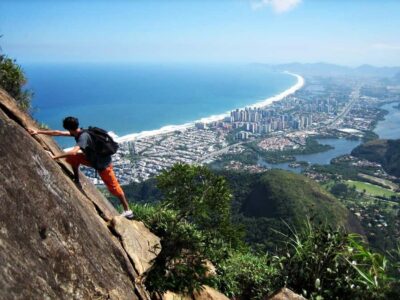
Pedra do Sal: Live Samba Night with Local Guide & Drink
Read our review →
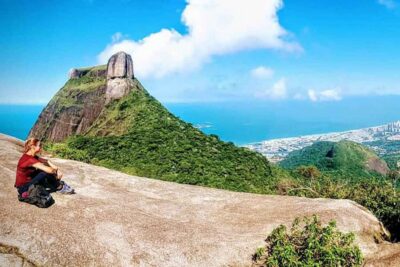
Tijuca National Park Small-Group Hike to Pedra Bonita
Read our review →
Garganta do Céu and Waterfall hike in Pedra da Gávea
Read our review →

Browse the lists this tour appears in