
Reviewed · MUSEUMS
Rio de Janeiro: Flamengo Museum Ticket Entrance
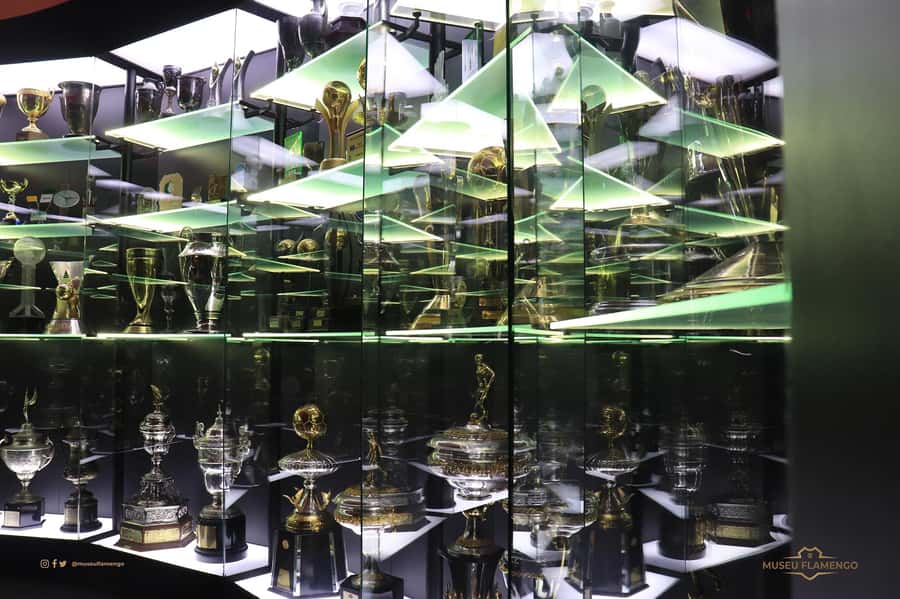
Football memories come alive here. The Flamengo Museum turns more than a century of club history into a lively visit, from its early days as a rowing club in 1895 to its rise as one of Brazil’s biggest football names. I love the four-floor trophy room, and I also like the mix of giant screens, sensory rooms, and historic objects. The museum gives you more than a wall of framed shirts and dusty cups.
The main consideration is simple: this is a club museum, not a general Rio attraction. If you do not care much about Flamengo, some of the detail may feel narrow. You also need to follow firm rules about food, drinks, cameras, clothing, and personal items. Still, for supporters, sports fans, and anyone curious about Brazilian football culture, the visit offers strong value at $18 per person.
In This Review
- Key things to know before your visit
- From rowing club to football giant
- The four-floor trophy room
- Fourteen sections with screens and sensory rooms
- Famous idols and historic objects
- What the visit feels like in Gávea
- The practical rules that may affect your day
- Is $18 a fair price?
- Who will enjoy it most?
- What the high rating tells you
- Booking flexibility and timing
- Should you book the Flamengo Museum?
- FAQ
- Where is the Flamengo Museum located?
- How much does admission cost?
- How long is the ticket valid?
- Is a guide available in English?
- Is a tour of Gávea included?
- Can I cancel the booking?
- What items and activities are not allowed inside?
Key things to know before your visit
- Four floors of trophies: The collection gives Flamengo’s sporting achievements a proper sense of scale, rather than squeezing everything into one small room.
- Fourteen themed sections: Each section follows a different part of the club’s story, with technology and interactive displays helping you move beyond simple reading.
- A club that began with rowing: The story reaches back to 1895, when Flamengo was a sailing and rowing club before football became its defining sport.
- The museum is in Gávea: You visit inside Flamengo’s headquarters in Rio’s southern zone, not at a separate city-center attraction.
- Digital guidance in three languages: You can use the guide in English, Spanish, or Portuguese, which helps international visitors follow names, dates, and sporting moments.
- The mood is emotional: The strongest part of the visit is the feeling of being surrounded by the club’s identity, symbols, idols, and famous victories.
From rowing club to football giant
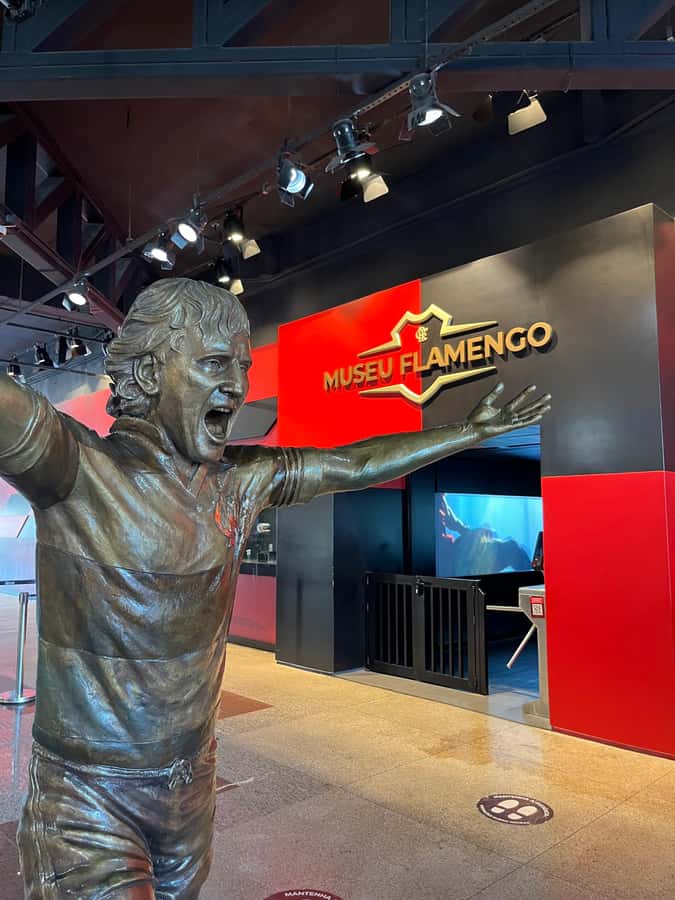
The Flamengo story does not begin with football. In 1895, Clube de Regatas do Flamengo was created as a rowing club, and the museum uses that starting point to show how the institution changed over time.
That opening context matters. It explains why the club’s identity includes more than the football team. You can expect references to idols and achievements from several sports, along with objects that help show the club’s wider sporting life.
For me, this is one of the museum’s useful choices. The visit is not simply a parade of football trophies. It presents Flamengo as an institution that grew, changed, and built a following across Brazil. Football eventually became the main attraction, but the earlier rowing connection gives the story a clear beginning.
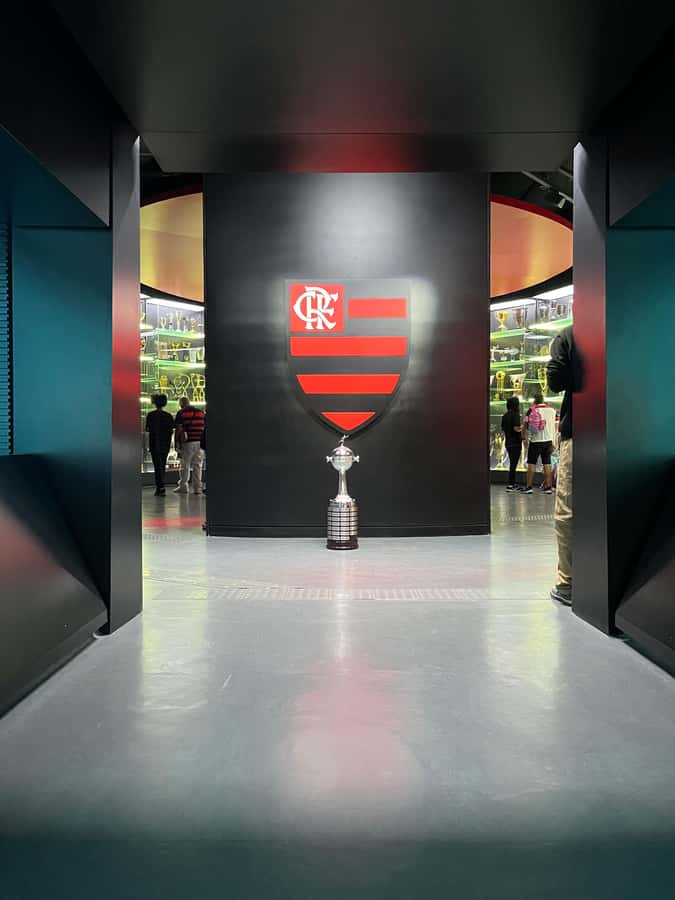
The museum also follows the growth of the rubro-negro identity, the famous red-and-black colors that supporters recognize instantly. If you know little about Flamengo before arriving, these early sections should help you understand why the club means so much to its supporters.
More Museums in Rio de Janeiro
- Petrópolis Day Trip from Rio de Janeiro including Imperial Museum and Crystal Palace
★ 4.0 · 101 reviews - Olympic Boulevard, Museum of Tomorrow & Historical Rio
★ 4.5 · 66 reviews - Rio: Olympic Boulevard, AquaRio and Museum of Tomorrow Tour
★ 4.5 · 54 reviews
The four-floor trophy room
The trophy room is the museum’s biggest physical feature. Spread across four floors, it gives the club’s achievements room to breathe. You are not looking at one crowded display case, but at a much larger record of Flamengo’s sporting success.
I like the way this arrangement can change your sense of scale. A single cup tells you that a team won something. Several floors of trophies show how winning became part of the club’s identity.
You should take your time here. Look for the names, dates, symbols, and objects that connect the awards to different eras. The museum’s digital guide can help you follow the material in Portuguese, English, or Spanish, so you do not need to rely only on visual recognition.
The trophy room may be less exciting for someone who wants constant action. Displays of silverware require patience, and much of the pleasure comes from noticing connections rather than moving through a fast sequence of attractions. Supporters will likely want to linger. Casual visitors may find the later interactive sections more immediately engaging.
Fourteen sections with screens and sensory rooms
The museum’s fourteen themed sections combine historical material with modern presentation. Giant screens, sensory environments, and interactive spaces place the club’s famous moments in a more theatrical setting.
That technology has a practical purpose. Football history can become a list of dates and championship names, especially if you are not familiar with the team. Large images and sensory elements help turn those facts into moments you can understand emotionally.
You may find that these sections work best when you use the digital guide as you go. The guide gives you a way to add context to what you see, and the three language options are especially useful for international visitors.
The museum’s presentation was developed by the team behind sports museums connected with River Plate, Boca Juniors, Juventus, and Benfica. That helps explain the museum’s polished, modern approach. The focus is not only on preserving objects. It is also on creating a strong sense of occasion around the club’s most important moments.
One practical note: your cell phone should be on airplane mode or silent. You cannot film or take pictures with flash. Those rules protect the atmosphere and the displays, but they also mean you should not plan on documenting every screen or object.
Famous idols and historic objects
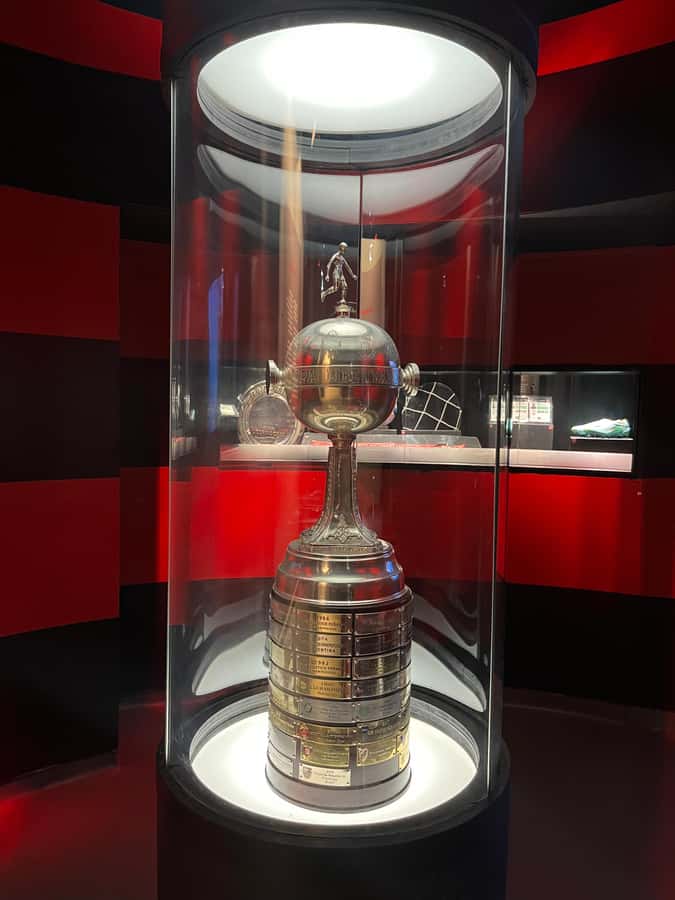
Flamengo’s story is carried by people as much as trophies. The museum includes idols from several sports and a carefully preserved collection of historical objects.
The value here depends on what you already know. A committed supporter may recognize names and moments at once. If you are new to the club, the guide becomes more important because it can connect an object to the person or event behind it.
I appreciate that the museum does not treat memorabilia as decoration. A shirt, emblem, trophy, or piece of equipment can show how the club’s image changed through different periods. The section on logos is also worth your attention. The club’s symbols are not just design details. They help explain how Flamengo presents itself to supporters and how that identity has lasted.
One of the strongest responses to the museum has been its emotional atmosphere. That makes sense. The displays are designed to bring you close to the club’s memories, rather than offering a dry institutional timeline. If you enjoy the human side of sport, this may be the part that stays with you longest.
More museums and galleries:
- Rio: Olympic Boulevard, Museum of Tomorrow & History Tour
★ 4.1 · 47 reviews - Rio: Petrópolis Trip with Palace, Imperial Museum & Brewery
★ 4.6 · 42 reviews - Museum of Tomorrow Guided Tour, Admission & Transfer
★ 4.5 · 38 reviews - Petrópolis: Private Tour with Museum Ticket
★ 4.2 · 9 reviews
What the visit feels like in Gávea
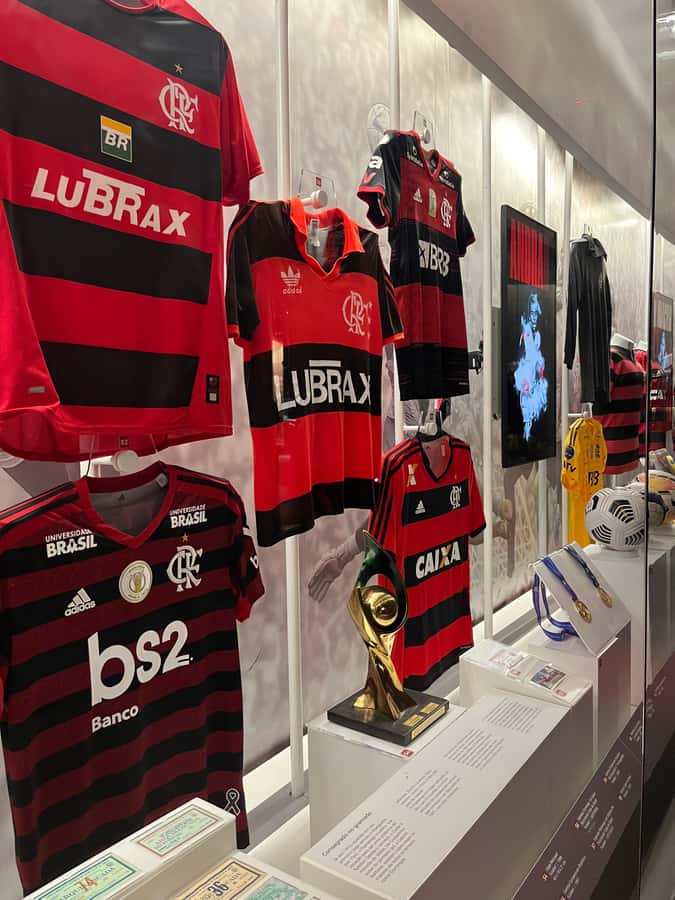
The museum is located at Flamengo’s headquarters in the Gávea neighborhood, in the south of Rio de Janeiro. The setting matters because you are visiting the club in its own home rather than seeing Flamengo through an off-site exhibition.
The ticket is valid for one day, with available starting times shown when you book. The activity lasts one day in ticket terms, not as a guided daylong tour. You should think of it as a museum visit that fits into your Rio schedule, not as a full-day escorted outing.
A tour of Gávea is not included. That distinction is important. Your admission covers the museum, while a broader look around the headquarters requires something separate if it is available.
The digital guide is included, and the listed instructor languages are Spanish, English, and Portuguese. That gives you useful language support without requiring a private guide. The experience provider is Mude Administração de Museus Esportivos.
The museum does not include food or drinks. You should plan those around the visit, especially since food, drinks, plastic bags, glass objects, and smoking are not permitted inside.
The practical rules that may affect your day
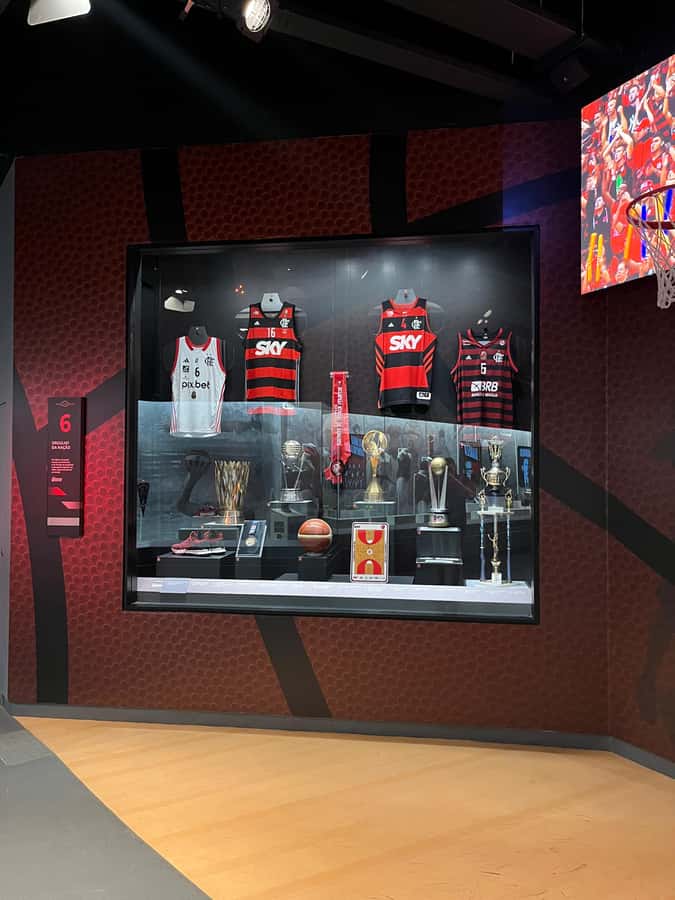
The restrictions are stricter than at some ordinary museums. Pets are not allowed, although assistance dogs are permitted. Weapons, sharp objects, alcohol, drugs, scooters, and anything that could create a fire are also forbidden.
Smoking and vaping are not permitted on the museum premises. You should also avoid bringing food or drinks. Sportswear is listed among the prohibited items, so check your clothing before heading out rather than discovering the rule at the entrance.
Unaccompanied minors are not allowed. If you are visiting with children, an adult needs to remain with them.
The phone rules deserve another reminder. Keep your phone silent or in airplane mode, and do not use flash photography. You may want to take a few non-flash pictures if permitted in the moment, but you should not expect to record the experience freely.
These rules can feel fussy, especially the restriction on sportswear at a football museum. They are part of the admission conditions, so treat them as a planning detail rather than an unexpected surprise.
Is $18 a fair price?
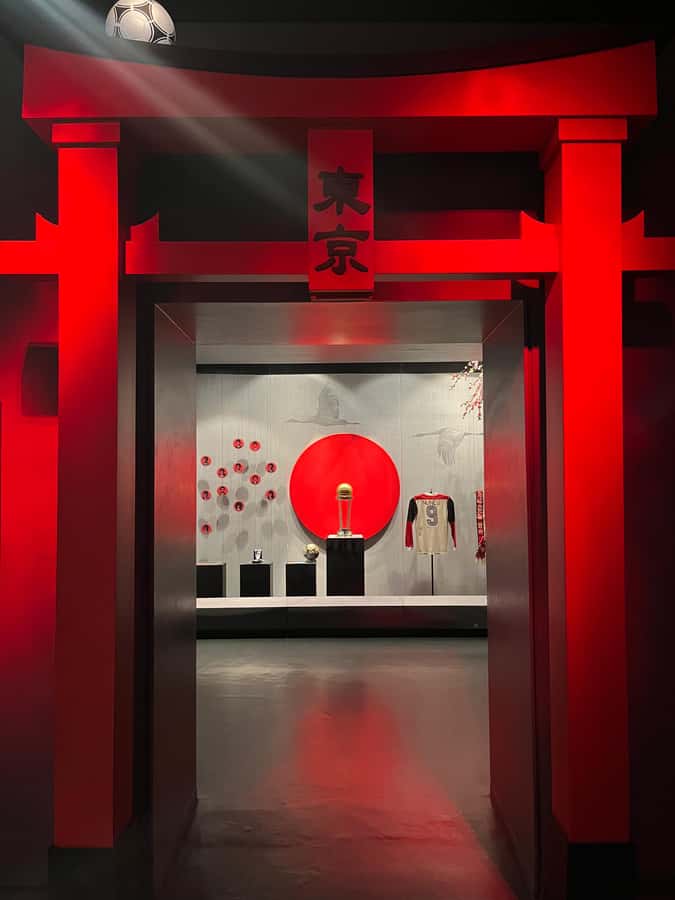
At $18 per person, the ticket is reasonable if you care about Flamengo, Brazilian football, or sports museums. The price includes access to four floors of trophies, fourteen themed sections, historic objects, interactive technology, and a digital guide in three languages.
The value is strongest for people who will spend time reading, watching, and following the club’s story. If you rush through the displays, the ticket may feel less worthwhile. This is not a quick photo stop. The museum has enough material to reward a slower visit.
I also see value in the language support. Paying for a museum and then understanding only a fraction of its information is frustrating. The English and Spanish guide options make the visit more useful for international visitors, while Portuguese speakers can follow the original language.
The price does not cover food, drinks, or a tour of Gávea. Those exclusions are not unusual, but you should include them in your daily plan. If you want a broader stadium or headquarters experience, this ticket alone does not promise it.
Who will enjoy it most?
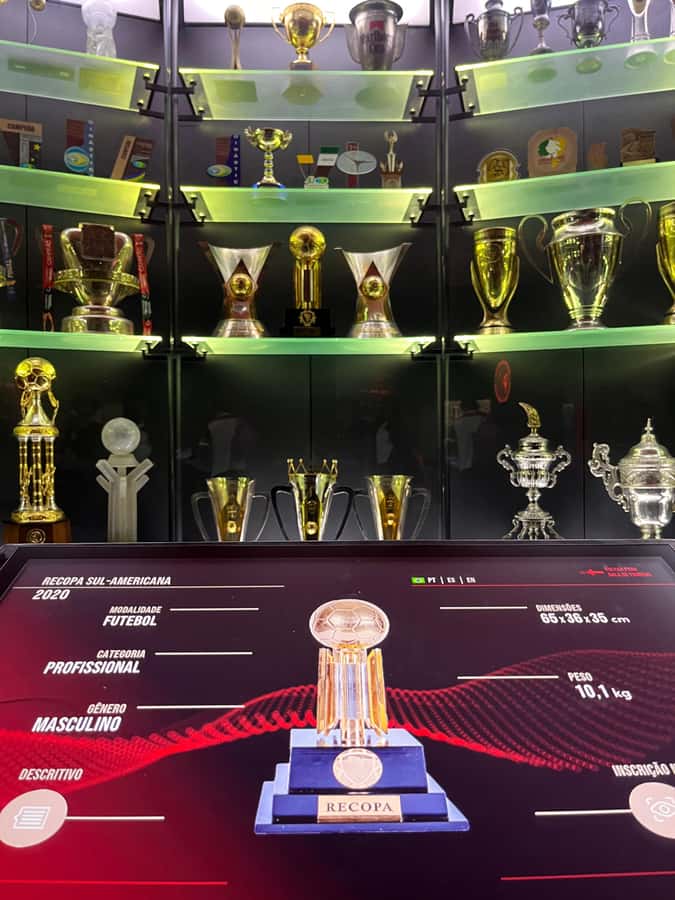
I would recommend the museum first to Flamengo supporters. The combination of trophies, logos, idols, and famous moments is designed for people who already feel a connection to the club.
It also suits football fans who want to understand Brazil’s club culture. You do not need to know every player or championship to appreciate the size of Flamengo’s following, but an interest in sport will make the displays easier to enjoy.
Families can find plenty of visual material, but the rule about unaccompanied minors matters. Children must be with an adult, and the no-food policy may make the visit less convenient for young children.
I would be more cautious if you are choosing between many general Rio museums. Someone with no interest in football may find the subject too specialized. In that case, the museum is worth choosing only if you want a focused look at one of Brazil’s most important sports institutions.
What the high rating tells you
The experience has a 4.7 rating from 22 reviews, with praise focused on the emotional quality, the red-and-black atmosphere, the museum setting, and the club’s symbols and history.
That pattern is useful. The strongest appeal is not one single trophy or screen. It is the combined feeling created by the building, the displays, and the club’s identity. One especially practical extra is the chance to buy Flamengo products, which can add to the visit for supporters who want a souvenir.
The praise is also consistent with the museum’s design. The experience aims to make you feel close to Flamengo’s most important moments, and the combination of technology and objects appears to deliver that effect.
Still, a high rating does not change the basic question: do you care about the subject? A club museum can be excellent and still not suit someone looking for art, architecture, or a broad overview of Rio.
Booking flexibility and timing
You can cancel up to 24 hours in advance for a full refund. You can also reserve now and pay later, which is useful if your Rio plans are still shifting.
The ticket is valid for one day, and you need to check availability for the available starting times. Since the museum is in Gávea and the ticket does not include a headquarters tour, plan your time around the museum itself rather than expecting a larger organized excursion.
I would book a time that lets you move at an unhurried pace. The trophy room covers four floors, and the fourteen sections use different forms of presentation. A rushed visit would work against what makes the museum worthwhile.
Should you book the Flamengo Museum?
Book it if you want a focused, modern look at Flamengo from 1895 to the present, especially if trophies, club symbols, and football culture interest you. The four-floor trophy room and the fourteen interactive sections give the $18 ticket real substance, while the English, Spanish, and Portuguese guide makes the content easier to follow.
Skip it if you want a general Rio attraction or if you have little patience for sports memorabilia. The rules are strict, food and drinks are excluded, and a tour of Gávea is not part of the ticket.
For the right visitor, this is more than a display of cups. It is a direct look at why Flamengo inspires such strong loyalty. If the red-and-black colors already mean something to you, or if you want to understand that loyalty better, I would put this museum on your Gávea plan.
FAQ
Where is the Flamengo Museum located?
The museum is at the headquarters of Clube de Regatas do Flamengo in the Gávea neighborhood of Rio de Janeiro.
How much does admission cost?
Admission costs $18 per person.
How long is the ticket valid?
The ticket is valid for one day. You need to check availability for the starting times.
Is a guide available in English?
Yes. The included digital guide is available in English, Spanish, and Portuguese. The listed instructor languages are also English, Spanish, and Portuguese.
Is a tour of Gávea included?
No. A tour of Gávea is not included in the museum ticket.
Can I cancel the booking?
Yes. You can cancel up to 24 hours in advance for a full refund.
What items and activities are not allowed inside?
Pets, except assistance dogs, food, drinks, alcohol, drugs, weapons, sharp objects, plastic bags, glass objects, scooters, smoking, vaping, and making fire are not allowed. Sportswear and unaccompanied minors are also listed as not allowed. Phones should be silent or on airplane mode, and filming or flash photography is prohibited.
Just added around Rio de Janeiro
- Pedra Bonita Trail: The easiest trail with a beautiful view of Rio★ 4.6 · 3 reviews
- Rio: Private, Custom express, Main Attractions!★ 5.0 · 3 reviews
- Rocinha Jeep Tour: A Journey into the Soul of the Favela!★ 3.8 · 3 reviews
- Rio: Favela Walking Tour of Rocinha with a Resident Guide★ 4.7 · 3 reviews
- Rio: Museum of Tomorrow, Yup Star & Olympic Boulevard★ 3.7 · 3 reviews
- Explore Fernando de Noronha: 7-Hour Ilhatour★ 4.9 · 3 reviews
- Rio: Best Dive Experience All Inclusive Scuba Diving Package★ 5.0 · 3 reviews
- Rio de Janeiro by Air: 10-Minute Helicopter Tour★ 4.4 · 3 reviews
Museums, compared.
Petrópolis Day Trip from Rio de Janeiro including Imperial Museum and Crystal Palace
Read our review →
7-Hour Shared Group Santos Tour : Mont Serrat, Coffee Museum and Sightseeing
Read our review →
Olympic Boulevard, Museum of Tomorrow & Historical Rio
Read our review →
Olympic Boulevard, AquaRio and Museum of Tomorrow Tour
Read our review →
Olympic Boulevard, Museum of Tomorrow & History Tour
Read our review →
Official Ticket: Oceanographic Museum Univali – Piçarras – SC
Read our review →
Petrópolis Trip with Palace, Imperial Museum & Brewery
Read our review →
Museum of Tomorrow Guided Tour, Admission & Transfer
Read our review →Browse the lists this tour appears in