
Reviewed · WORKSHOPS
Rio de Janeiro: Brazilian Cooking Class in Rio de Janeiro
Brazil tastes better when you make it. This Copacabana cooking class gives you hands-on practice with Brazilian favorites, guided by native chef Simone in Portuguese, English, or Spanish. I like the small private-group format, which allows room for questions, and I like that you eat the meal you prepare with two drinks included. One point to clarify before booking: the details list both a three-hour and four-hour duration.
The menu changes by day, so your choice matters. Monday, Wednesday, and Friday focus on seafood moqueca, while Saturday is devoted to pork and bean feijoada. At $220 per person, this is not a cheap meal, but it includes instruction, ingredients, equipment, five courses, two alcoholic drinks, and a personal introduction to Brazilian food and culture.
In This Review
- Key points to know before booking
- Why this Copacabana class feels personal
- The schedule determines your main course
- Starting with fried cheese and guava
- Making the drinks, not just ordering them
- Preparing feijoada or seafood moqueca
- Cassava sticks, farofa, and flavored rice
- Dessert changes with the available fruit
- What the three or four hours are really buying
- Who will enjoy this most
- Practical details for planning your visit
- Should you book the Brazilian cooking class?
- FAQ
- Where does the cooking class take place?
- How long does the cooking class last?
- Which main dish is prepared during the class?
- Are cooking skills required?
- What drinks are included?
- Is transportation included?
Key points to know before booking
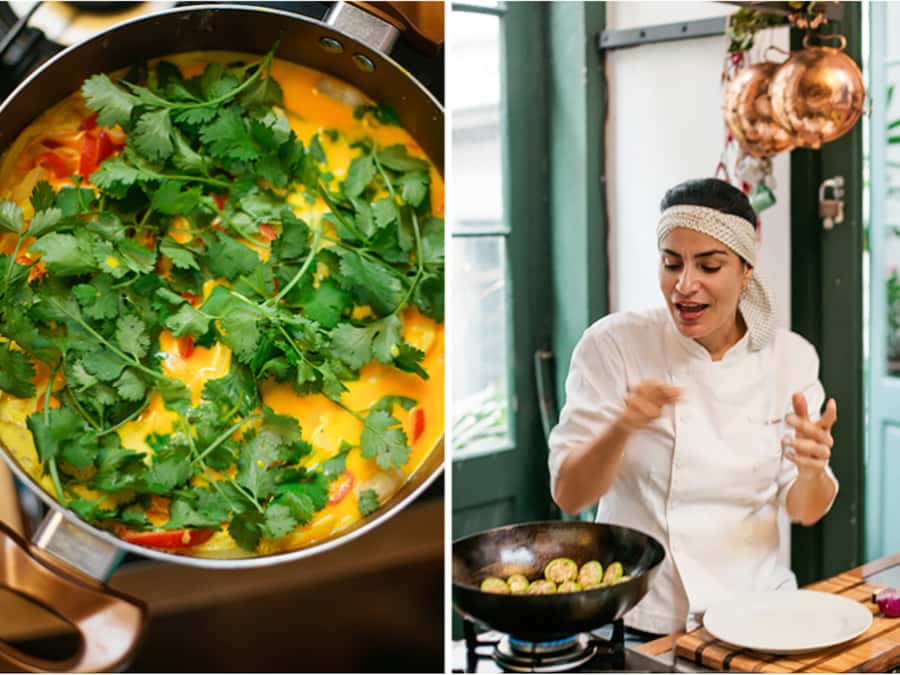
- Chef Simone leads the class: Her friendly, attentive teaching style is a major part of the experience, and she may be assisted by her daughter.
- The main dish depends on the day: Choose moqueca on Monday, Wednesday, or Friday, or feijoada on Saturday.
- You cook, rather than watch: You take part in preparing the food and drinks, with no previous experience needed.
- The meal includes five courses and two drinks: Expect Brazilian snacks, a main dish, side dishes, dessert, a caipirinha, and a batida de coco.
- The ingredients are practical: The recipes use items that can be found in many parts of the world, making them useful after your trip.
- The class meets in Copacabana: Transportation is not included, so you arrange your own way to the cooking studio.
Why this Copacabana class feels personal
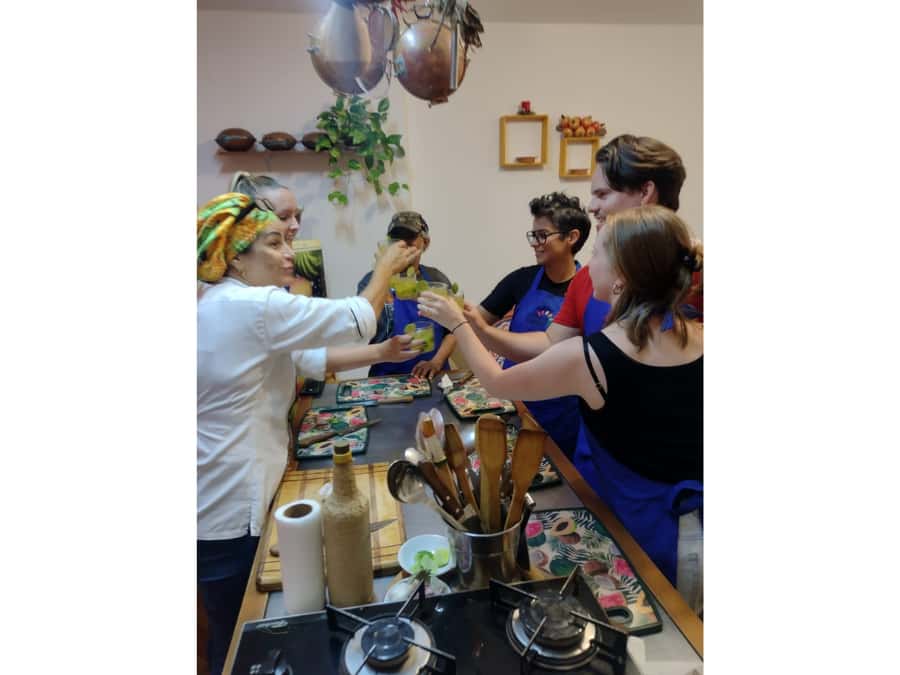
Many food activities give you a plate and a short explanation. This one puts you at the work surface. You learn techniques, handle the ingredients, prepare drinks, and sit down for the meal only after the cooking is done.
The class has a maximum of seven participants and is described as a private group. That creates a more relaxed setting than a large demonstration. You can ask why a particular ingredient is used, how a dish changes from one region to another, or how to reproduce it at home. Chef Simone’s teaching style also seems central to the appeal. She is described as informative, entertaining, friendly, and attentive.
Her connection to Brazil goes beyond recipes. She brings in stories about Brazilian food and culture, and her knowledge of Rio and the country adds context to the meal. One especially warm detail is that her daughter sometimes assists, helping create the feel of a small social gathering rather than a formal school.
This is useful if you want more than a quick cooking lesson. You get food, conversation, and a local perspective in the same sitting. The tone appears welcoming for beginners, but experienced cooks should also have enough room to ask sharper questions and compare techniques.
A few more trips worth weighing up before you book
- Rio de Janeiro: Brazilian Cooking Class with Hotel Pickup
★ 5.0 · 5 reviews
The schedule determines your main course
The most important planning decision is the day you choose.
On Mondays, Wednesdays, and Fridays, the main dish is seafood moqueca. This Brazilian stew is the better pick if you want fish and coastal flavors. On Saturdays, the class prepares feijoada, the hearty pork and black bean dish often associated with Brazilian comfort food.
I would choose based on your appetite and interests rather than trying to fit the class into any random open slot. Feijoada gives you a slow, savory bean-based meal with pork. Moqueca offers a lighter seafood direction, though it remains a full main course served with sides.
The supplied information describes both dishes as options depending on the day, not choices made during the same class. Check the date carefully before paying. If you have your heart set on feijoada, Saturday is the day. If seafood is your priority, plan for Monday, Wednesday, or Friday.
The schedule also makes this experience easy to pair with a Rio stay. You can reserve a class around your sightseeing plans, but allow enough time to reach the Copacabana location since pickup and drop-off are not provided.
Starting with fried cheese and guava
The meal opens with fried cheese served with spicy guava jam. This is a smart introduction to Brazilian flavor combinations because it brings together salty, crisp cheese and sweet fruit with heat.
You do not simply receive this course. The point is to see how the components are prepared and how they work together. The dish is small, but it teaches an important lesson about Brazilian food: familiar ingredients can become more interesting when sweet, savory, and spicy notes meet on one plate.
Next comes fried sausage cut into slivers. It is a casual, social sort of food, well suited to a kitchen table where everyone is cooking and chatting. The menu describes it as scrambled fried sausage slivers, so you can expect a preparation that is straightforward rather than fussy.
These first courses help keep the class moving while the main dish develops. They also give you two useful ideas for entertaining at home. The recipes are not presented as rare restaurant secrets. The ingredients can be found around the world, which makes the lesson more practical for your own kitchen.
Making the drinks, not just ordering them
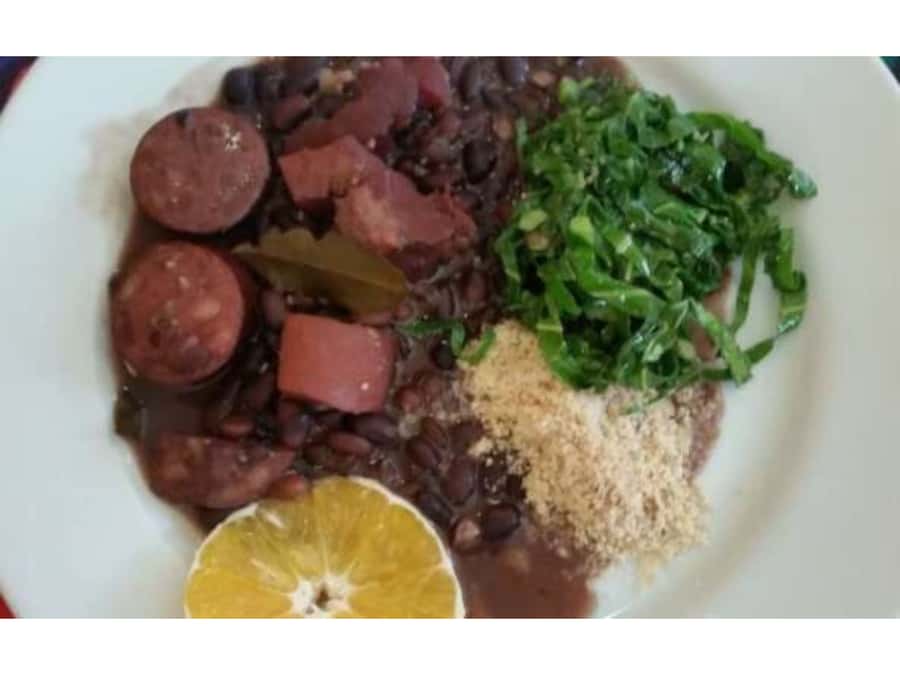
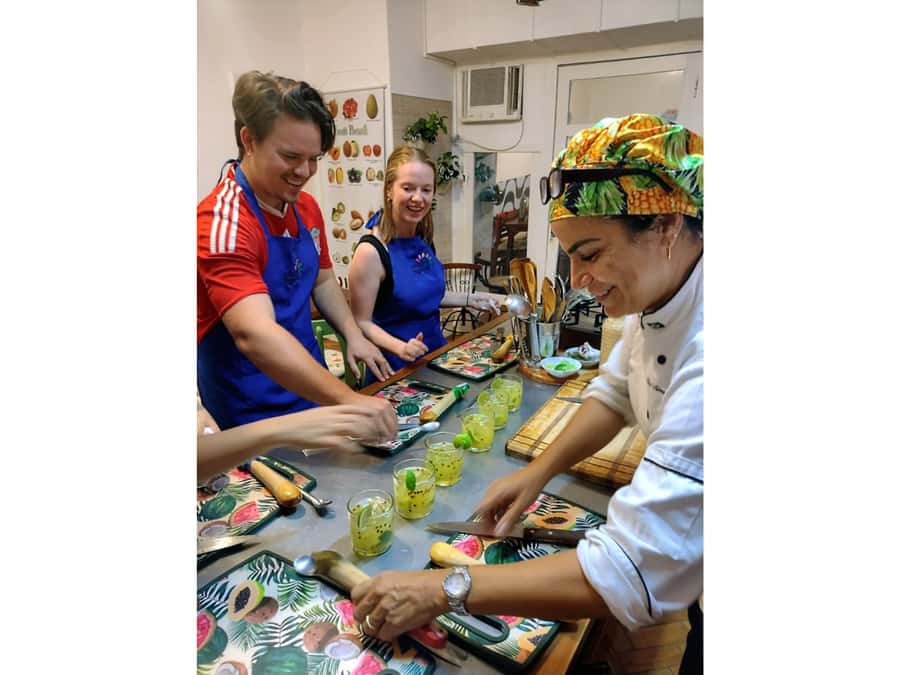
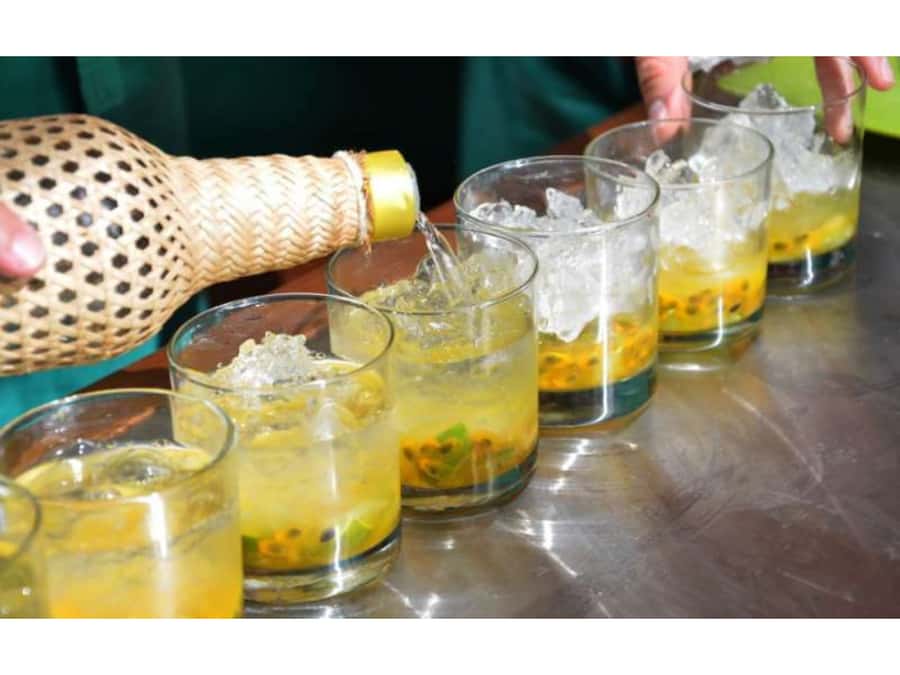
Two drinks are included with the meal: a lime caipirinha and a batida de coco.
The caipirinha is Brazil’s famous lime cocktail. In this class, you learn about the drink as part of the cooking session rather than receiving it from a bartender without explanation. The batida de coco provides a sweeter coconut-based contrast.
The drink element adds to the social nature of the class, but it also matters for the price. Two alcoholic drinks are included, along with all ingredients and equipment needed for both cooking and drink preparation. If you do not drink alcohol, ask about alternatives before booking because the provided details do not specify nonalcoholic substitutions.
The class is designed as a shared meal, and the final toast gives the session a clear finish. After the work is done, you sit with the instructor, raise a glass, and taste what you made. That final pause is important. It turns the class from a string of demonstrations into a complete food experience.
A completely different kind of day out around Rio de Janeiro:
- Rio de Janeiro: 6-Stop Highlights of Rio with Lunch
★ 4.4 · 5,157 reviews - Christ the Redeemer Entry Ticket by Corcovado Train
★ 4.4 · 4,476 reviews - Rio de Janeiro: Rocinha Favela Walking Tour with Local Guide
★ 4.8 · 3,052 reviews - Rio: Christ the Redeemer, Sugarloaf, Selaron & BBQ Lunch
★ 4.5 · 2,428 reviews
Preparing feijoada or seafood moqueca
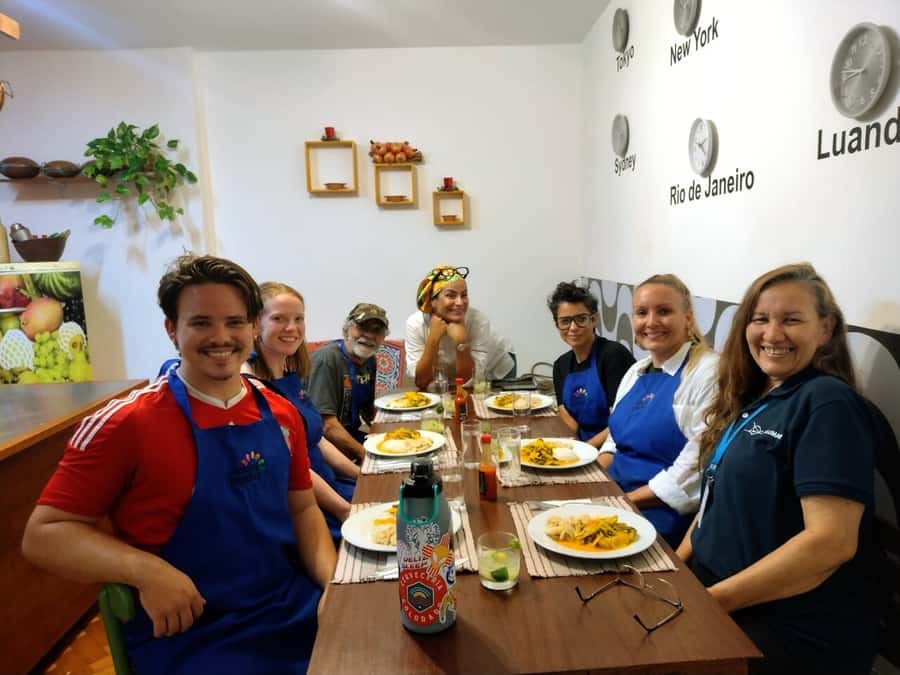
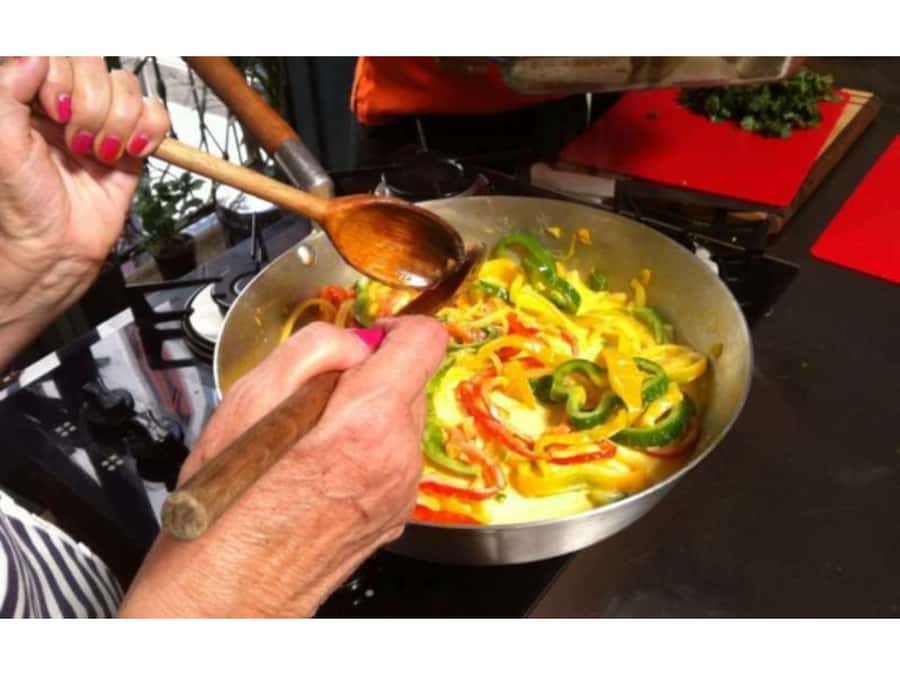
The main course is the heart of the class.
Feijoada combines pork and black beans into a filling Brazilian dish. The cooking process gives you a window into the country’s everyday food culture, where beans are not merely a side dish but the base of a substantial meal. If you choose Saturday, this is the dish to select when you want something hearty and traditional.
Seafood moqueca provides the alternate main course. It brings a coastal character to the class and was particularly well received by a father and son who enjoyed both the fish dish and the food stories. If you prefer seafood or want a dish that feels closely tied to Brazil’s coastal identity, select one of the three moqueca days.
The class does not require cooking experience. You can expect the instructor to guide you through the steps and answer questions as you work. That makes it a good option for someone who is nervous in the kitchen. You are not expected to arrive with professional knife skills or a working knowledge of Brazilian ingredients.
At the same time, the experience is practical rather than passive. You should be ready to participate. If you prefer to sit back and watch a chef prepare everything, this may not be the right choice.
Cassava sticks, farofa, and flavored rice
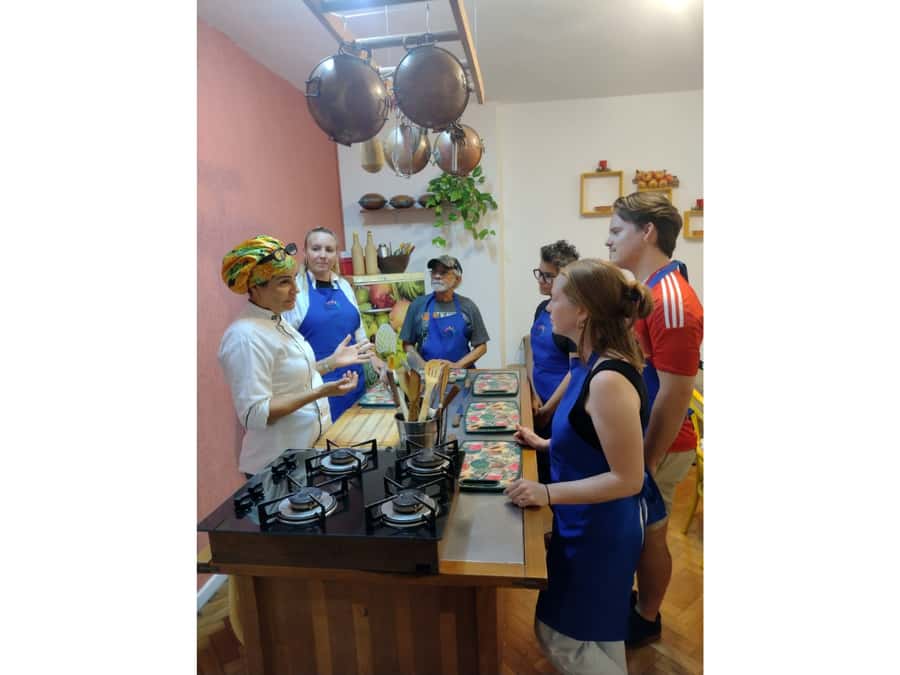
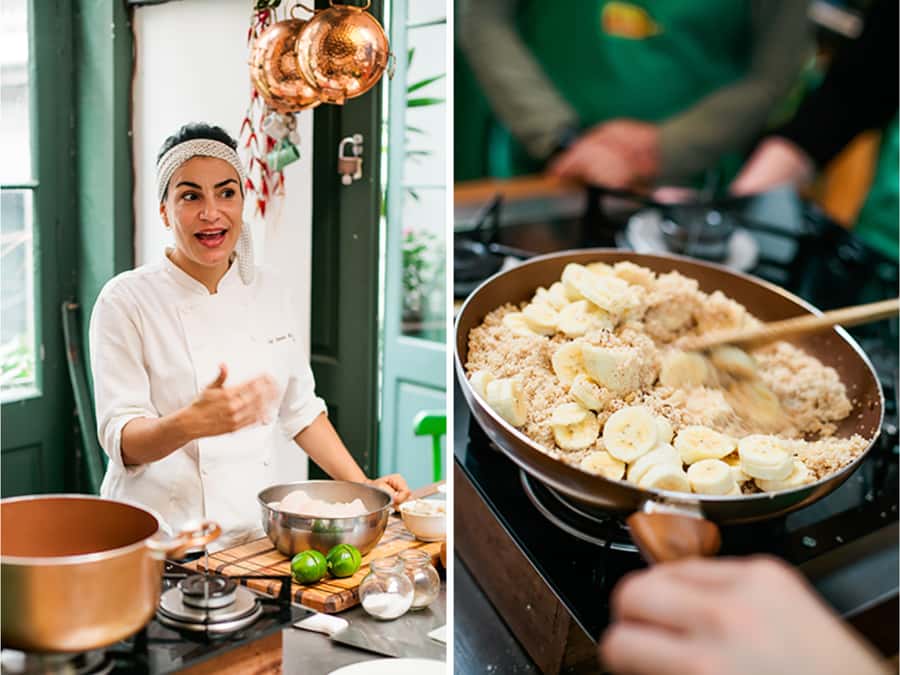
The main dish comes with cassava sticks, banana farofa, and flavored rice.
Cassava is a major food in Brazil, and the cassava sticks give you a chance to try it in a crisp, snack-like form. Farofa is another useful Brazilian staple, usually made with toasted cassava flour and combined with other ingredients. Here, banana adds a sweet note.
The banana farofa is especially interesting beside feijoada. The sweetness helps balance the beans and pork, while the texture adds something different from the main dish. Flavored rice rounds out the plate without competing with the stew or seafood.
These sides are not filler. They show how Brazilian meals are built around contrast. You get soft and crisp textures, savory and sweet flavors, and a mix of familiar foods prepared in ways you may not have tried before.
Because you prepare the sides yourself, you leave with more than a list of dishes. You see how the meal comes together as a group and how each component supports the main course.
Dessert changes with the available fruit
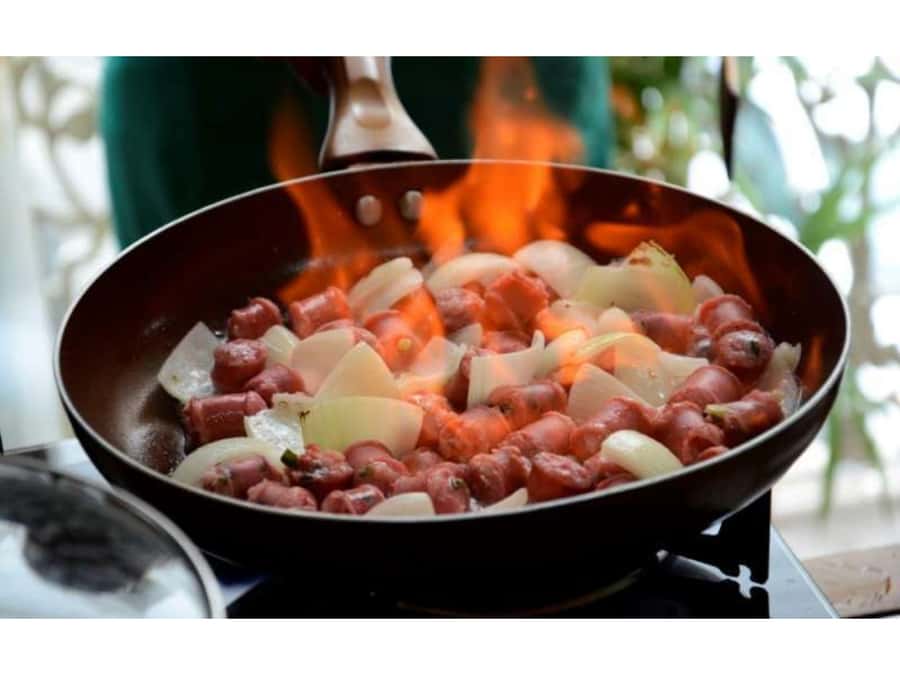
Dessert is a surprise, and the exact choice depends on the exotic fruits available or on what the chef has prepared at her farm.
Possible sweets include brigadeiro or doce de leite. Brigadeiro is a popular Brazilian chocolate sweet, while doce de leite is a caramel-like milk confection. Both are well suited to a final course after a substantial meal, but the changing dessert means you should not book this class expecting one specific sweet.
The surprise approach gives the chef freedom to use what is fresh or what she has made. It also keeps the class connected to the season and to the chef’s own cooking rather than forcing every session into an identical script.
For travelers with allergies or dietary restrictions, the supplied information does not explain substitutions. Contact the provider before reserving if that issue is important to you.
What the three or four hours are really buying
The duration needs a little attention. The activity information gives a three-hour length, while the highlights describe a four-hour cooking class. Since cooking, drinks, dining, and conversation are all included, I would confirm the exact start and finish time for your chosen date.
The difference matters when you are arranging airport transfers, dinner plans, or a timed Rio attraction. Do not schedule something immediately afterward until you know how long the session will run.
The fee is $220 per person. That is a serious price for a cooking class, especially if you compare it with a restaurant meal. The value depends on how much you want the hands-on instruction and personal contact with Chef Simone.
You are paying for more than five courses. The fee includes the cooking lesson, all ingredients, all equipment, two alcoholic drinks, taxes, and handling charges. You also receive recipes and methods that are intended to be repeated at home with widely available ingredients.
For someone who wants only to eat Brazilian food, a restaurant is likely better value. For someone who wants to cook, learn, ask questions, and share a meal in a small setting, the price becomes easier to justify. The private-group format helps, especially if you are booking with family or friends and want the class to feel tailored to your group.
Who will enjoy this most
I would recommend the class to several kinds of visitors.
First-time cooks get clear guidance and do not need previous experience. The social setting can make mistakes feel less serious, and the menu gives you several small tasks before the main dish.
Food-focused visitors will appreciate the range of recipes. In one session, you encounter fried cheese, spicy guava jam, sausage, caipirinha, coconut drink, feijoada or moqueca, cassava, farofa, rice, and dessert.
Families and pairs should find the format appealing. The father and son experience suggests that the class works well across generations, while the small group size gives people time to talk.
Experienced home cooks may enjoy it most for the cultural context and local methods. Chef Simone’s stories about Brazilian food and her wider knowledge of Rio add something a recipe card cannot provide.
I would think twice if you have only a short window in Rio, dislike alcohol, or want a very low-cost activity. The transport is also your responsibility, and the unclear three-hour versus four-hour timing deserves confirmation.
Practical details for planning your visit
The cooking studio is in the Copacabana region. Transportation is not included, so plan your route independently and leave enough time to arrive before the class begins.
Instruction is available in Portuguese, English, and Spanish. That makes the class accessible to many international visitors, but you should select the language you need when booking or confirm it in advance.
Cancellation is free up to 24 hours before the activity for a full refund. You can also reserve now and pay later, which helps if your Rio schedule is still changing. These policies are useful, but they do not replace checking the date, menu, language, and timing.
The activity is listed for a private group, with a maximum of seven participants. Ask how your party will be arranged if you are booking as a smaller group, since the exact private-group setup is not explained in the available details.
Should you book the Brazilian cooking class?
Book it if you want an active food experience rather than another meal at a table. Chef Simone’s warmth, her strong connection to Brazilian food and culture, and the chance to cook seven favorite recipes make this more personal than a standard demonstration.
Choose Saturday for feijoada, or Monday, Wednesday, and Friday for seafood moqueca. Before booking, confirm the duration and ask about dietary needs or drink alternatives. At $220, this is best for visitors who value instruction, conversation, and a memorable meal enough to spend more for them.
If that sounds like your kind of afternoon or evening, this is a strong choice in Rio. You leave with a full stomach, a few Brazilian recipes, and a better sense of how the country’s food fits together.
FAQ
Where does the cooking class take place?
The class takes place at a cooking studio in the Copacabana region of Rio de Janeiro.
How long does the cooking class last?
The activity details state three hours, while the highlights describe a four-hour class. Confirm the exact duration and schedule for your chosen date before booking.
Which main dish is prepared during the class?
Seafood moqueca is prepared on Mondays, Wednesdays, and Fridays. Pork and black bean feijoada is prepared on Saturdays.
Are cooking skills required?
No. The class is suitable for beginners, and the instructor guides you through the cooking process and answers questions.
What drinks are included?
The class includes a lime caipirinha and a batida de coco. The activity also states that each main dish is accompanied by two alcoholic drinks.
Is transportation included?
No. Pickup and drop-off transportation are not included, so you must arrange your own way to and from the cooking studio.
Just added around Rio de Janeiro
- Pedra Bonita Trail: The easiest trail with a beautiful view of Rio★ 4.6 · 3 reviews
- Rio: Private, Custom express, Main Attractions!★ 5.0 · 3 reviews
- Rocinha Jeep Tour: A Journey into the Soul of the Favela!★ 3.8 · 3 reviews
- Rio: Favela Walking Tour of Rocinha with a Resident Guide★ 4.7 · 3 reviews
- Rio: Museum of Tomorrow, Yup Star & Olympic Boulevard★ 3.7 · 3 reviews
- Explore Fernando de Noronha: 7-Hour Ilhatour★ 4.9 · 3 reviews
- Rio: Best Dive Experience All Inclusive Scuba Diving Package★ 5.0 · 3 reviews
- Rio de Janeiro by Air: 10-Minute Helicopter Tour★ 4.4 · 3 reviews
Workshops, compared.






Capoeira Class at Mestre Bimba’s 1st Ever School.
Read our review →
Surf lessons with local instructors in Copacabana/ipanema!
Read our review →Browse the lists this tour appears in