
Reviewed · HIKING & TREKKING
Trekking the valley of the pat 3 days/ GUIDE TUTY CHAPADA DIAMANTINA
Big views come with tired legs. This three-day trek from Lençóis takes you deep into Chapada Diamantina National Park, across high plateaus, past waterfalls, and into the Vale do Pati. I especially like the local homestay experience and the chance to walk with Tuty, a guide from Lençóis who is praised for safety, flexibility, photography, and practical care. The freshly prepared meals, including trail coffee and food made with farm ingredients, are another strong point.
The main consideration is the physical demand. This is not a casual walk, and the schedule includes long days, steep climbs, uneven ground, and a cave crossing with a flashlight. The published plan also needs a little clarification because it lists dinner and accommodation on the third night, while the tour is described as three days and ending back at the meeting point.
In This Review
- Key points before you book
- Why the Vale do Pati is worth three days
- Starting from Lençóis and reaching the trail
- Day one: Gerais do Vieira and Cachoeira dos Cristais
- Day two: The climb to Morro do Castelo
- Day three: The long view from Cachoeirão do Pati
- Tuty’s guiding style and local value
- Food, homestays, and the human side of the trek
- Fitness, packing, and comfort
- Who should book this trek?
- Should you book the three-day Vale do Pati trek?
- FAQ
- Where does the Vale do Pati trek start?
- How long is the trek?
- How difficult is the route?
- Is the cave at Morro do Castelo part of the trek?
- Where do you sleep?
- Are meals included?
- What happens if the tour is canceled?
Key points before you book
- Cachoeira dos Cristais on day one: A river crossing and waterfall bath give the opening hike a welcome reward.
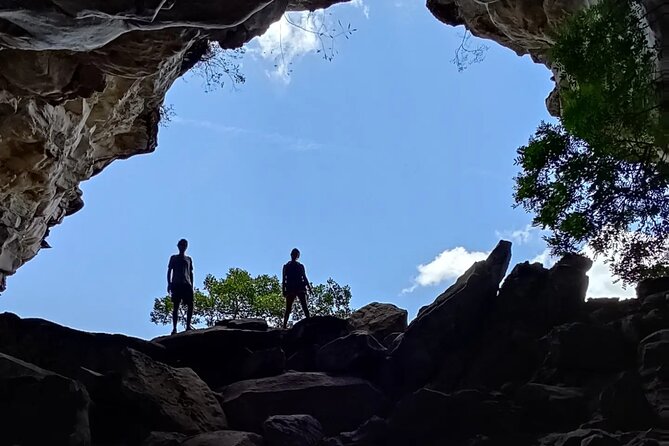
- Morro do Castelo cave: You climb to about 1,470 meters, then cross a quartzite cave by flashlight to reach a superb viewpoint over Pati de Baixo.
- Cachoeirão do Pati: The third day reaches one of the trek’s grandest viewpoints, with the Empire ascent and mountain ridges spreading out ahead.
- Tuty as your guide: His strengths are route safety, local knowledge, flexible pacing, and taking good photographs for the group.
- Native homestays: You sleep in local homes such as those of Dona Raquel or Mr. Wilson, with meals based on farm ingredients.
- Small-group format: The maximum is 10 people, a useful limit on a route where group pace and guide attention matter.
Why the Vale do Pati is worth three days
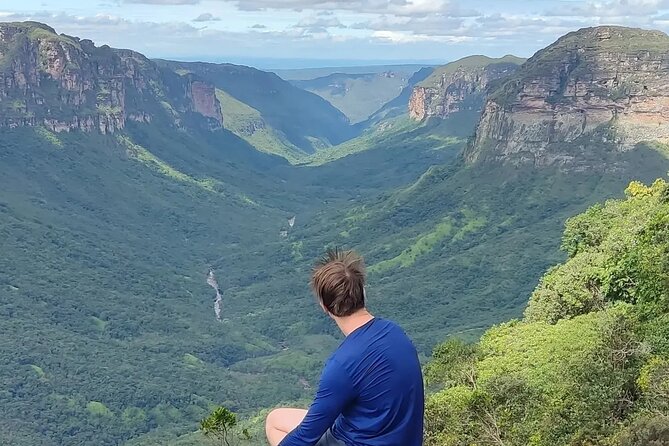
The Vale do Pati is best understood on foot. Roads can bring you near parts of Chapada Diamantina, but they cannot give you the same sense of crossing a remote mountain valley one step at a time.
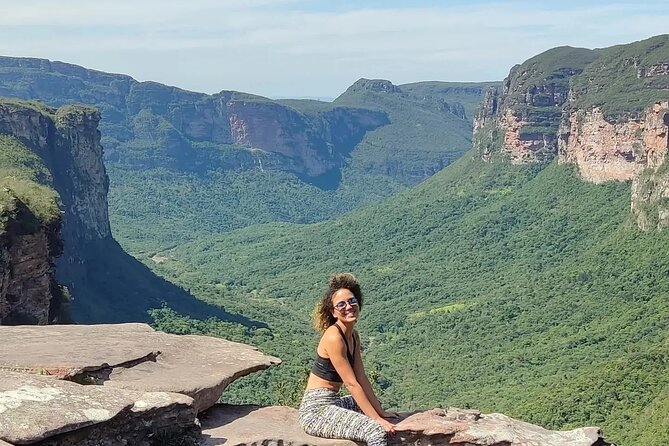
This route moves through the park’s campos rupestres, or rupestrian fields. You can expect open high ground, rivers, waterfalls, quartzite rock, orchids, insect-eating plants, and evergreens known as Paepalanthus. The scenery changes often enough to keep the walking interesting, rather than giving you one grand view and a long march afterward.
Three days gives you time for more than a single famous lookout. You get a gradual entry into the valley, a major climb to Morro do Castelo, a waterfall stop, and the wide view from Cachoeirão do Pati. That variety is the real value of the trip.
The price is listed at $421.82 per person. That is not a budget day outing, but it covers a three-day guided trek with transport from Lençóis, local accommodation, meals, route planning, and the support of someone who knows the area. For a remote walk with overnight stays, the price can make sense, especially if you value local arrangements and do not want to organize food, navigation, and lodging yourself.
More Chapada Diamantina treks:
- 4 FASCINATING DAYS! Reservations from 2 people -Chapada Diamantina by Zentur
★ 5.0 · 71 reviews - 2 AMAZING DAYS! Booking from 2 people – Chapada Diamantina by Zentur
★ 5.0 · 63 reviews - 3 DAYS OF CHARM! Booking from 2 people – Chapada Diamantina by Zentur
★ 5.0 · 59 reviews
Starting from Lençóis and reaching the trail
The meeting point is at Av. Sete de Setembro, 34, in Lençóis. The tour information gives a 7:00 am start time, while the first day says the car leaves at 8:00 am after breakfast. I would confirm the exact pickup time before setting your alarm, since that hour matters on a long walking day.
The drive takes you to Guiné, where the Pati trail begins. Starting from Guiné puts you straight into the high country rather than wasting the morning on a long approach walk from Lençóis.
You should arrive ready to walk. A moderate fitness level is required, and the first day combines transport, open plateau walking, rivers, and a substantial route into the valley. Keep your footwear secure and bring whatever you need for the day within easy reach, since the point of the trip is to spend most of the day away from roads and shops.
Day one: Gerais do Vieira and Cachoeira dos Cristais
The opening section crosses the Gerais do Vieira, broad, rolling high ground cut by rivers and waterfalls. This is a fine introduction to the character of Chapada Diamantina: open, exposed country rather than a shaded forest path.
The first major stop is Cachoeira dos Cristais. The plan includes a trail snack beside the waterfall and time for a swim. That pause matters. After the early start and the first hours of walking, a cold bath can turn a demanding morning into a pleasant one.
The stop is also a useful reminder that this trek is not only about reaching viewpoints. The route makes room for water, food, and the simple pleasure of sitting still in a striking place. You should not expect a polished resort-style swimming spot. The appeal is its natural setting and the feeling that the waterfall is part of the trail, not an added attraction.
From there, you continue along the Trilha dos Tropeiros. The name refers to the old pack-animal routes used through the region, and the trail offers views toward the Serra do Sincorá. Along the way, you might spot orchids, insectivorous plants, and pairs of saw-footed hawks.
The first night is at a local home in upper Pati, listed as Dona Raquel’s or Mr. Wilson’s house. Dinner is prepared with farm ingredients. This is one of the strongest parts of the experience because it connects the walk to the people who live in the valley.
Several detailed accounts praise the welcome, cleanliness, generous portions, and food cooked over a fire at a local home. One account specifically highlights coffee prepared during the trail and meals that helped restore energy after each walking day. You should see the homestay as part of the trip, not merely a bed at the end of the route.
Day two: The climb to Morro do Castelo
Day two is the hardest and most memorable part for many people. After breakfast, you climb Morro do Castelo, reaching roughly 1,470 meters.
The climb demands steady effort. The reward is a quartzite cave near the top, which you cross with a flashlight to reach an observation point over Pati de Baixo. This is not just a viewpoint beside the trail. You pass through rock before the valley opens up, which gives the arrival a strong sense of occasion.
Bring a proper flashlight, or confirm what the guide supplies. The plan specifically says the cave is crossed with a flashlight, so this is not an optional phone-light stroll. A phone may be useful as backup, but a dedicated light is the sensible choice.
The view across Pati de Baixo is one of the major reasons to choose the three-day route. From above, you can understand the shape of the valley and see how the steep ridges frame the broad floor below. The trail lunch is served at this high point, so you get time to enjoy the view rather than rushing through it.
The full day is listed at about six hours. That figure should be treated as a rough guide, not a race target. The walking time will depend on the group, the pace, and how long you stop for photographs, lunch, and the cave.
Tuty is a good fit for this sort of route. His strongest reported qualities are calm route guidance, clear explanations about difficulty and timing, and the ability to adjust the plan to the group’s pace. He is also praised as a photographer who knows where to stop and how to frame the views. That can be a real benefit when you are too busy catching your breath to find the best angle yourself.
On the return, you stop at Funis Waterfall for a bath and a rest. After Morro do Castelo, this is a welcome change of pace. The waterfall stop also helps break up the return route before dinner and another night in a local home.
More hikes and trails:
- Rio: Tijuca Forest Small Group Hike to Caves and Waterfalls
★ 4.9 · 536 reviews - Pedra do Telégrafo Hike and Beach Full-Day Tour
★ 4.5 · 417 reviews - Rio de Janeiro: Pedra da Gávea 7-Hour Hike
★ 4.7 · 183 reviews - Rio de Janeiro: Tijuca Forest Challenge Hike Full-Day Trip
★ 4.9 · 163 reviews
Day three: The long view from Cachoeirão do Pati
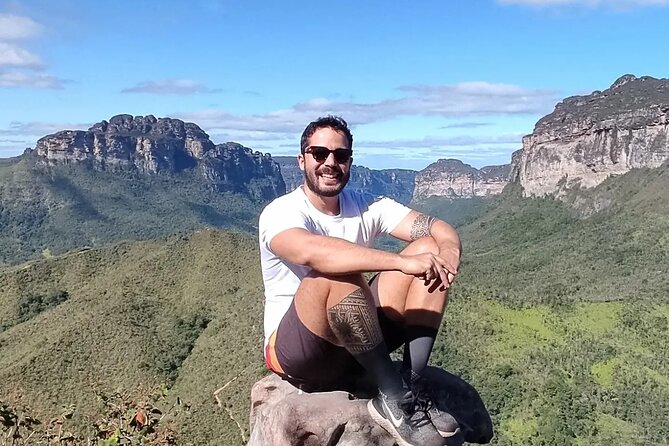
The third day heads through the open areas around Rio Preto toward Cachoeirão do Pati. The route ends at a viewpoint with a wide sweep toward the Empire ascent and the surrounding mountains.
Cachoeirão is the kind of place where scale does the work. You are not looking at one narrow waterfall framed by trees. The view reaches across the valley and toward a large sweep of mountain country. The supplied description also points out the red-tie hummingbird, which is endemic to Chapada, and ferns described as prehistoric plants.
Wildlife sightings are never guaranteed, so treat these as possible highlights rather than promises. Even without seeing the hummingbird, the plant life gives this section a different feel from the bare high plateaus and quartzite rock.
The third-day description says dinner and accommodation are at the local home again. Elsewhere, the experience is described as ending back at the Lençóis meeting point. Since those details do not fully match, ask the operator exactly how the final day works: where the walk ends, when transport returns to Lençóis, and whether a third-night stay is included or the wording is an error.
That is a small but important planning point. You do not want to arrange a bus, hotel, or onward connection around an assumed return time.
Tuty’s guiding style and local value
The guide can make or break a multi-day trek, and Tuty receives especially strong praise for the parts that matter outdoors.
He is described as a native of Lençóis who created his own local business. His approach appears personal rather than rigid. He communicates before arrival, helps with directions, discusses equipment and food restrictions, and can adjust the route when the group’s interests or pace call for it.
That flexibility is useful, but it should not be confused with an unlimited menu of route changes. The published trip has a clear structure, and the terrain sets its own limits. Still, having a guide who can assess your ability and suggest alternatives is much better than following a fixed schedule with no room for judgment.
Safety is another repeated strength. You should expect a guide who explains the difficulty and timing honestly, keeps an eye on the group, and knows the route well. That matters on exposed plateaus, steep climbs, uneven paths, and the cave crossing.
Tuty’s photography is a pleasant bonus. He is said to select good locations and angles, creating a set of memories beyond the usual hurried phone snapshots. If photographs matter to you, tell him early. Good timing at viewpoints depends on the group’s movement and the light.
Food, homestays, and the human side of the trek
The local accommodation is simple by design. You are staying in homes in or near the valley, not a conventional hotel. That means the experience is tied to the daily life of the people who live along the route.
Dona Raquel, Mr. Wilson, and Seu João are named in the tour information and detailed feedback. The accounts of Seu João’s home particularly praise its view, clean rooms, warm welcome, breakfast, and dinner served fresh over the fire.
Food is not a minor detail on a three-day walk. A good dinner and breakfast can change how you feel the next morning, and the strongest accounts praise both flavor and generous portions. Trail snacks and coffee prepared along the way add a human touch that packaged food cannot match.
If you have food restrictions, raise them before the trip. The operator is described as asking about dietary needs in advance, but you should still confirm what can be provided. Do not assume that every preference can be met in a remote homestay.
Fitness, packing, and comfort
The official fitness guidance says moderate physical fitness. In practical terms, you should be comfortable walking for several hours on uneven ground and handling climbs without needing frequent formal breaks.
Day two is listed at six hours, while day one includes the walk from Guiné into upper Pati and day three reaches Cachoeirão. The route has waterfalls and swimming stops, but those are rewards within a demanding trek, not signs that the trip is easy.
Pack as lightly as you can while bringing the essentials. A small daypack, secure walking shoes, water, sun protection, a flashlight for the cave, swimwear, and clothing suitable for changing weather are sensible choices based on the route description. The supplied information does not specify luggage transfer, so ask before assuming that a separate bag will be carried for you.
The group limit is 10 people. That is small enough for the guide to monitor individual pace, though the actual group size may be smaller. If you are traveling with friends, a group of four has already found this format comfortable, but a larger mixed group can move at different speeds.
Who should book this trek?
I would recommend this experience to hikers who want a physical connection with Chapada Diamantina rather than a quick series of roadside stops. It suits you if waterfalls, mountain views, local food, and simple homestays sound better than polished accommodation and an easy schedule.
It is also a good choice if you prefer a private-feeling route with a guide who can adapt to your pace. Tuty’s reported strengths are especially useful for first-time multi-day hikers who want reassurance without giving up the challenge.
I would hesitate if you dislike steep walking, basic lodging, shared group decisions, or uncertain timing. This is not the right trip for someone who wants a comfortable vehicle-based tour with short walks.
The $421.82 price is easiest to justify when you value the complete package: local guiding, transport to the trailhead, meals, overnight stays, route support, and access to places that are difficult to experience independently. Compare the cost with what you would pay to arrange those parts separately, but also consider the safety and time saved by using a local guide.
Should you book the three-day Vale do Pati trek?
Yes, if you are fit enough for long mountain days and want a close look at Chapada Diamantina’s high plateaus, waterfalls, caves, and local communities. The strongest reasons to book are Tuty’s calm, adaptable guiding and the chance to sleep and eat in homes connected to the valley.
Before paying, confirm the pickup time, the exact third-day return plan, what equipment is supplied for the cave, and how food restrictions are handled. If those details suit your needs, this is a well-rounded introduction to Vale do Pati, with enough time to reach the major viewpoints without turning the entire trip into a hurried march.
Free cancellation is available up to 24 hours before the start time. Poor weather or failure to reach the minimum group size may lead to a new date, a different experience, or a full refund.
FAQ
Where does the Vale do Pati trek start?
The meeting point is Av. Sete de Setembro, 34, Lençóis, Bahia, Brazil. The stated start time is 7:00 am, although the first-day description says the car leaves at 8:00 am after breakfast, so confirm the exact time before departure.
How long is the trek?
The experience lasts approximately three days. The second day is listed at about six hours of walking, while the timing for the first and third days can vary with the group’s pace and stops.
How difficult is the route?
You should have a moderate level of physical fitness. The route includes long walks, uneven ground, climbs, high open areas, waterfalls, and the ascent of Morro do Castelo.
Is the cave at Morro do Castelo part of the trek?
Yes. You climb Morro do Castelo to a quartzite cave at about 1,470 meters and cross the cave with a flashlight to reach a viewpoint over Pati de Baixo.
Where do you sleep?
Accommodation is provided in the homes of local residents in the Pati area, including homes associated with Dona Raquel or Mr. Wilson. The information also names Seu João’s home in connection with the local lodging.
Are meals included?
The plan includes breakfast, dinner, and trail food during the walking days. Meals are prepared with farm ingredients, and trail coffee is also described as part of the experience.
What happens if the tour is canceled?
If poor weather causes cancellation, you can be offered another date or a full refund. The same applies if the minimum number of participants is not reached. You can also cancel for a full refund if you do so at least 24 hours before the start time.
Just added around Brazil
- Idyllic Islands Private Speedboat Tour in Paraty★ 5.0 · 3 reviews
- Pedra Bonita Trail: The easiest trail with a beautiful view of Rio★ 4.6 · 3 reviews
- Itacare: Jeribucaçu Trail and Usina Waterfall★ 4.7 · 3 reviews
- Paraty: Half-Day Bike Rental★ 3.6 · 3 reviews
- Campos do Jordão: Full-Day Private Tour from São Paulo★ 5.0 · 3 reviews
- Walk to the Big Rock in Cantareira State Park★ 5.0 · 3 reviews
- Rio: Private, Custom express, Main Attractions!★ 5.0 · 3 reviews
- Rocinha Jeep Tour: A Journey into the Soul of the Favela!★ 3.8 · 3 reviews
Hiking & Trekking, compared.
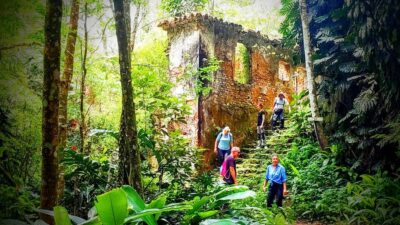
Tijuca Forest Small Group Hike to Caves and Waterfalls
Read our review →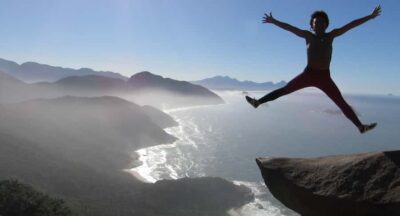
Pedra do Telégrafo Hike and Beach Full-Day Tour
Read our review →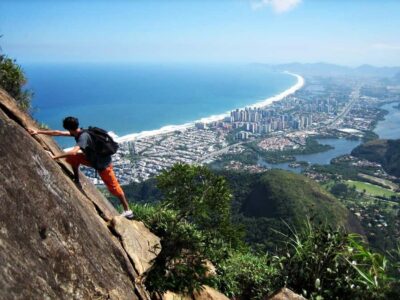
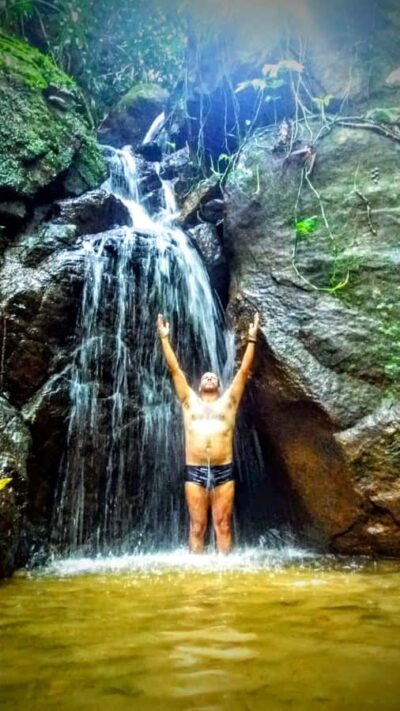


Tijuca National Park Small-Group Hike to Pedra Bonita
Read our review →Browse the lists this tour appears in