
Reviewed · TIJUCA RAINFOREST TOURS
Rio: Tijuca Forest Small Group Hike to Caves and Waterfalls
Rio’s rainforest has more than postcard views. This six-hour Tijuca Forest outing mixes a moderate 6.2-kilometer hike with waterfalls, a cave, a chapel, plantation ruins, and lessons about Brazil’s past. I like the way it reaches places you could easily miss alone, and I like the small-group format, which lets guides such as Vini, Riccardo, Tito, and Renata explain what you are seeing instead of simply leading the way.
The waterfall shower at Baronesa Cascade is the tour’s best payoff, especially on a warm Rio day. The other big plus is the pickup from many hotels in Copacabana, Ipanema, Leblon, Leme, Flamengo, Santa Teresa, Gloria, Catete, Urca, and Botafogo. The catch is simple: this is not a casual stroll. A 448-meter climb over rough, sometimes steep forest trails calls for good fitness, and the van may feel cramped if you are tall.
In This Review
- Key points at a glance
- Why Tijuca Forest makes a good Rio break
- Hotel pickup keeps the morning simple
- Cascatinha Taunay starts the sightseeing
- Mayrink Chapel adds a quiet historic pause
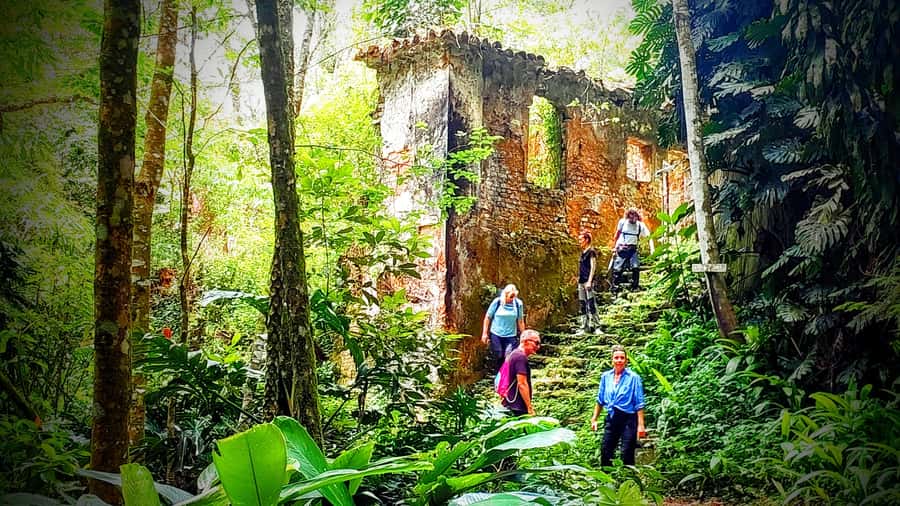
- Trails, bridges, and plantation-era remains
- Morcego’s Grotto gives the hike its adventure
- Baronesa Cascade is the reward at the end
- The return passes more historic sights
- The guides make the difference
- What the $69 price really covers
- Who should book this hike
- Practical packing advice for the 6.2-kilometer route
- Should you book it?
- FAQ
- How long is the Tijuca Forest hike?
- How difficult is the hike?
- Is hotel pickup included?
- What languages does the guide speak?
- Can I swim or shower at a waterfall?
- Is food or water included?
- Can I cancel the booking?
Key points at a glance
- A 19th-century trail circuit: Walk routes once used around coffee plantations, with old structures and reminders of Brazil’s complicated past.
- The Baronesa waterfall shower: Cool off under a small cascade near the end of the hike, so pack clothes and shoes that can handle water.
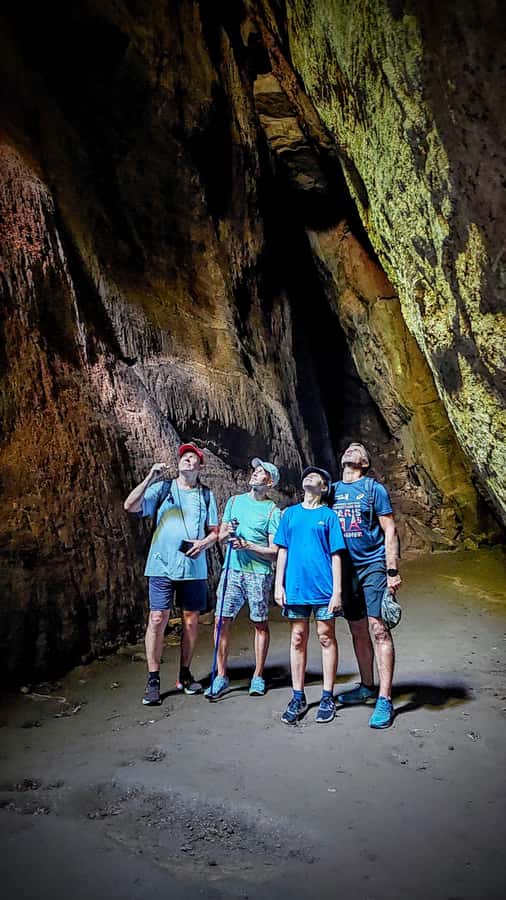
- Morcego’s Grotto: Enter Brazil’s largest gneiss cave, a dark, rough-edged stop that adds real variety to the walk.
- Small groups with strong guides: The best part of the experience is often the guiding, with clear explanations of plants, geology, wildlife, Rio, and Brazilian history.
- A city escape without leaving Rio: Tijuca is a replanted urban rainforest, close enough for hotel pickup but quiet enough to feel far from the traffic.
- A solid value at $69: Transportation, bilingual guiding, and insurance are included, but you must bring your own food and drinks.
Why Tijuca Forest makes a good Rio break
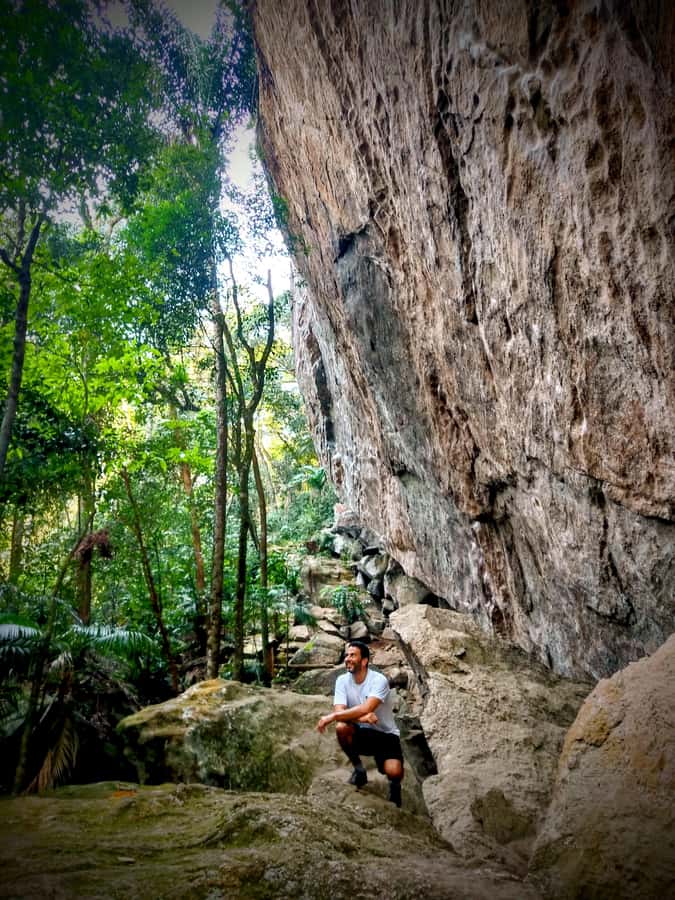
Rio is famous for beaches and granite peaks, but Tijuca National Park gives you a different view of the city. The forest is not untouched wilderness. It is a huge replanted urban forest, restored after coffee cultivation damaged the area. That human story is central to the tour, and it gives the trees, streams, and old ruins extra meaning.
I like this context because you are not just looking at tropical plants. You are seeing how land use changed over time, from plantation country to protected forest. Guides also connect the park with Rio’s geography and Brazil’s social and political past, which makes the walk feel more like a local lesson than a simple nature outing.
The route covers about 6.2 kilometers, or 3.8 miles, with roughly 448 meters of uphill gain. The actual walking portion takes about two and a half to three hours, while the full experience lasts around six hours because of hotel transfers, stops, and explanations.
That distance does not sound intimidating on paper, but the elevation changes the equation. Some people describe the walk as easy to moderate, while others find the steep section harder than expected. I would call it a moderate hike for anyone used to hills, and a demanding outing for anyone who normally sticks to flat city walks.
More Tijuca rainforest days:
- Rio de Janeiro: Christ, Selaron Steps, and Tijuca Park Tour
★ 4.7 · 857 reviews - Rio de Janeiro: Guided Jeep Tour through Tijuca Rainforest
★ 4.3 · 740 reviews - Jeep Adventure: Guided Tour through Tijuca Rain Forest
★ 4.0 · 554 reviews
Hotel pickup keeps the morning simple
Pickup is offered from designated hotels and hostels across Rio’s South Zone. The long list includes properties in Copacabana, Ipanema, Leblon, Leme, Flamengo, Santa Teresa, Gloria, Catete, Urca, and Praia de Botafogo. If your address is not covered, the operator provides a nearby meeting point when possible.
This is useful in Rio, where reaching a forest trailhead by public transport and taxi can take extra planning. The transfer also means you do not need to spend the day carrying luggage or arranging a second ride back to your hotel.
Allow some flexibility around the pickup time. Several guides have been praised for punctual departures, but Rio traffic can affect any vehicle. One practical improvement would be clearer vehicle details, such as the car model or license plate, so keep an eye on your phone and confirm the meeting instructions in advance.
The vehicle is generally comfortable for the short transfer, though one person found it tight for taller men. Do not expect a luxury coach. This is a small-group transfer designed to get you into the park and back without fuss.
Cascatinha Taunay starts the sightseeing

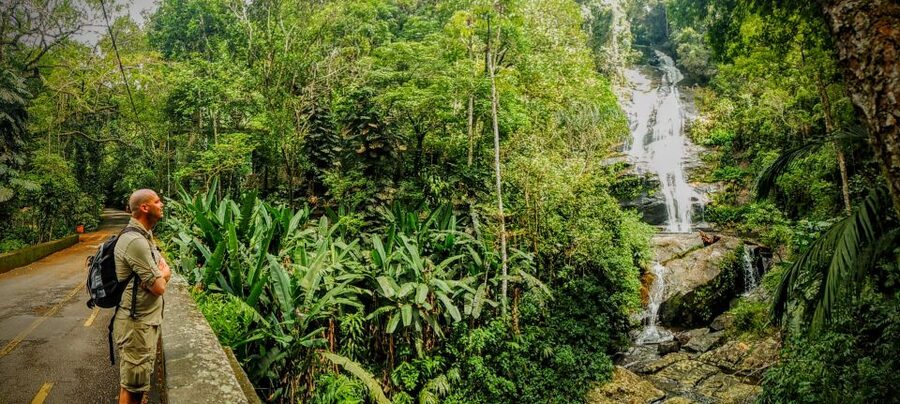
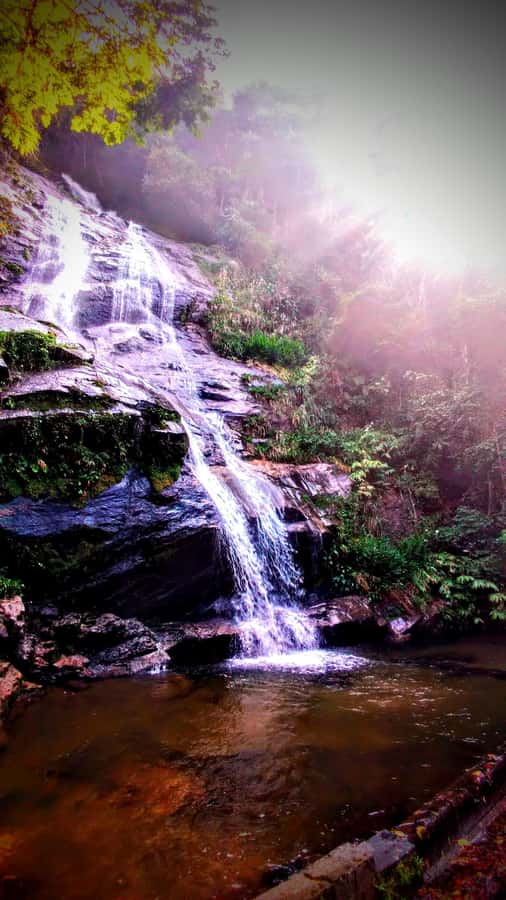
One of the first stops is Cascatinha Taunay, described as the largest waterfall in the national park. You have about 15 minutes for sightseeing and photos, followed by a short introduction to the park.
This is a good opening stop because it immediately shows the wet, tropical character of Tijuca. It is also an easy place to begin before the more demanding walking starts. You can take photos here, but do not judge the whole outing by the first waterfall. The route saves another, more personal water stop for later.
The guide’s explanation at this point helps you understand why a large forest exists so close to one of the world’s most famous cities. The park’s restoration story is one of the most interesting parts of the day, especially when paired with the remains of the former coffee-growing era.
Mayrink Chapel adds a quiet historic pause
Capela Mayrink dates from 1850 and gives the route a small architectural landmark among the trees. The visit is brief, around five minutes, so this is more of a photo and orientation stop than a long church tour.
I like the contrast. One minute you are focused on vines, rock, and water. The next, you are looking at a chapel tied to the period when the forest was occupied and managed differently. It helps show that Tijuca’s story is cultural as well as natural.
The stop is short, and that is worth knowing if you want a detailed look inside or a long period for quiet reflection. The chapel is one piece of a broad circuit, not the main attraction.
More waterfall trips:
- Rio: Tijuca Forest & Horto Waterfalls Circuit Tour
★ 4.7 · 99 reviews - Hiking in the Tijuca Forest : Waterfalls and Caves
★ 5.0 · 72 reviews - Garganta do Céu and Waterfall hike in Pedra da Gávea
★ 5.0 · 71 reviews - Tijuca Forest Hike – Waterfalls & Caves, Nature & Wild Life!
★ 5.0 · 51 reviews
Trails, bridges, and plantation-era remains
After the chapel, the route settles into its main forest walk. Trails first made in the 19th century lead through dense vegetation and uneven terrain. Expect uphill and downhill walking, exposed roots or rough ground, and a pace shaped by the group’s fitness.
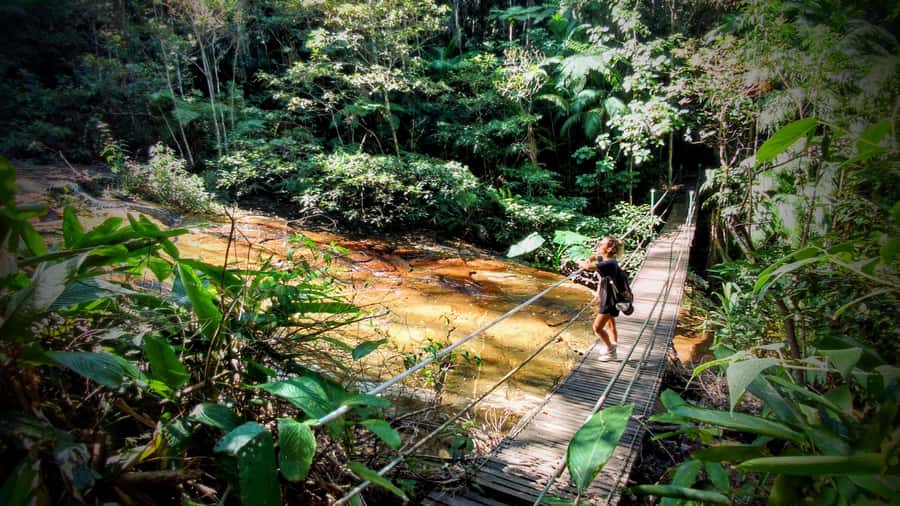
The Cova da Onça Suspension Bridge is a short but memorable feature. You have about 10 minutes for the bridge and its surroundings. It breaks up the walking and gives you a different view of the forest floor and stream channels below.
The Eucalyptus Forest brings a more serious historical note. This section contains an old slave cemetery, a reminder that the land’s past includes forced labor and the people who lived and worked under the plantation system. A good guide can explain this with care, and that is one reason I prefer this route with an escort rather than wandering it without context.
There are also old coffee farm remains and a former residence connected with the park’s management. These fragments are not grand ruins, so keep your expectations realistic. Their value comes from the story they tell, not from dramatic architecture.
Morcego’s Grotto gives the hike its adventure
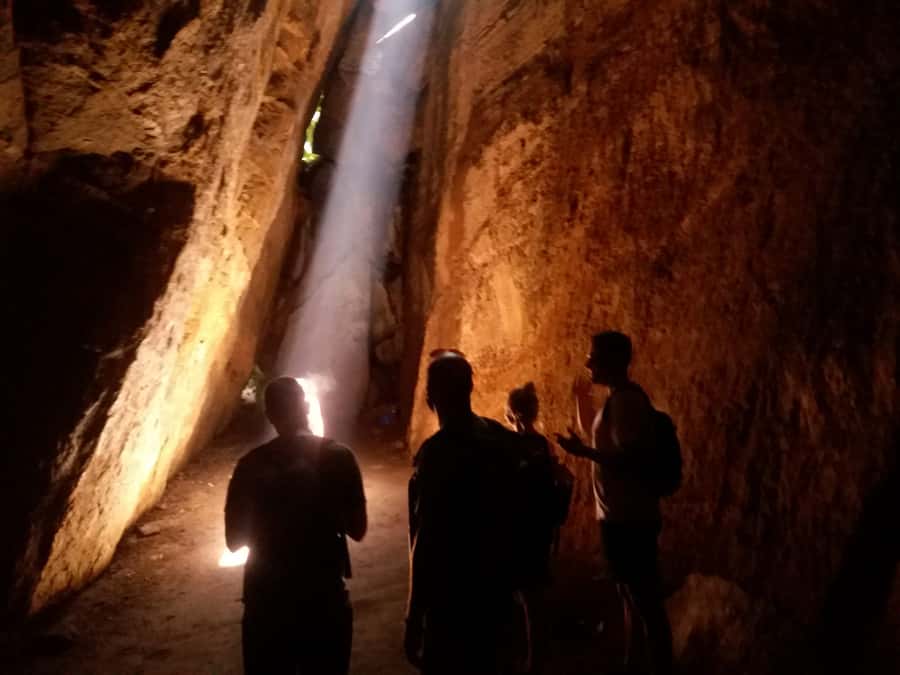
Morcego’s Grotto, also called the Bat Cave, is the most adventurous stop on the circuit. It is identified as the largest gneiss cave in Brazil, and the visit combines walking with a short guided exploration.
Gneiss is a hard metamorphic rock, and the cave adds a geological layer to the tour. Inside, conditions can be darker and rougher than on the main trail. Wear proper sports shoes, watch your footing, and do not arrive expecting a polished attraction with paths and lighting.
The name comes from bats, but seeing them is not guaranteed. If bats are present, the sensible approach is to observe without disturbing them. One especially good account described the bats as hibernating, with no attempt made to interfere. That is exactly the right attitude in a national park.
The cave may not impress everyone. Some people find the waterfall and forest atmosphere more rewarding than the rock chamber. Still, it gives the day a useful change of pace and makes the route feel more varied than a standard woodland walk.
Baronesa Cascade is the reward at the end
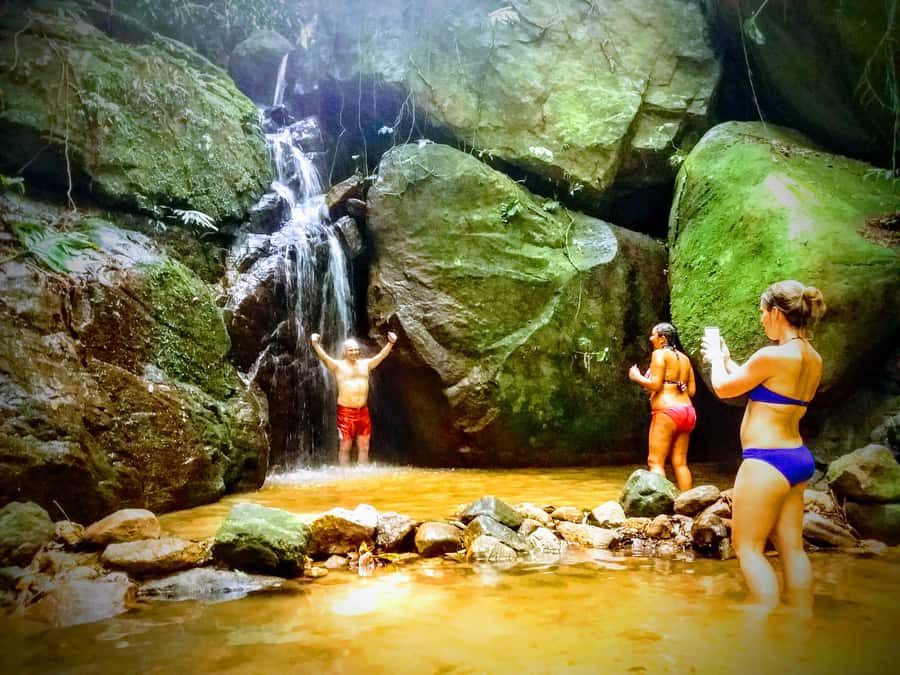
The Baronesa Cascade is where you can cool off with a waterfall shower. This is not a large swimming hole or a beach-style bathing stop. It is a smaller cascade, but after a warm climb it can feel like the perfect finish.
Bring a swimsuit or clothing that dries reasonably fast, plus a small towel if you have room. The supplied advice says to bring a daypack, not large luggage, so pack lightly. Bare feet are not allowed, and sturdy sports shoes are important for the approach.
The water stop is one of the most appealing details of the trip because it turns the hike into something physical and refreshing. You are not only looking at a waterfall from a platform. You get a chance to stand under it, provided conditions and the guide allow it.
Rain can change the feel of this section. A wet day may make the forest more atmospheric, but it can also make rocks and trails slippery. Guides have supplied ponchos during rainy outings, yet you should still bring suitable clothing and accept that the route may feel harder in poor weather.
The return passes more historic sights
After the cascade, you return toward the starting point through more park trails. The former residence of Barão d’Escragnolle is now associated with Esquilos restaurant, giving you another glimpse of the people who helped manage the forest in earlier periods.
The Wallace Fountain is an unusual detail along the way. It was donated to Brazil by English philanthropist Richard Wallace and made in France in 1870. Its sculpture represents goodness, charity, sobriety, and simplicity, four ideas that feel surprisingly formal in the middle of a rainforest.
The route also includes viewpoints and scenic stops. One account singled out the view from Vista Chinesa, although the precise stops can vary with conditions and the day’s route. You should expect brief photo pauses rather than a long viewpoint session.
These final stops help the tour move from forest ecology back toward Rio itself. You begin to see the park not as an isolated patch of trees, but as part of the city’s hills, history, and water system.
The guides make the difference
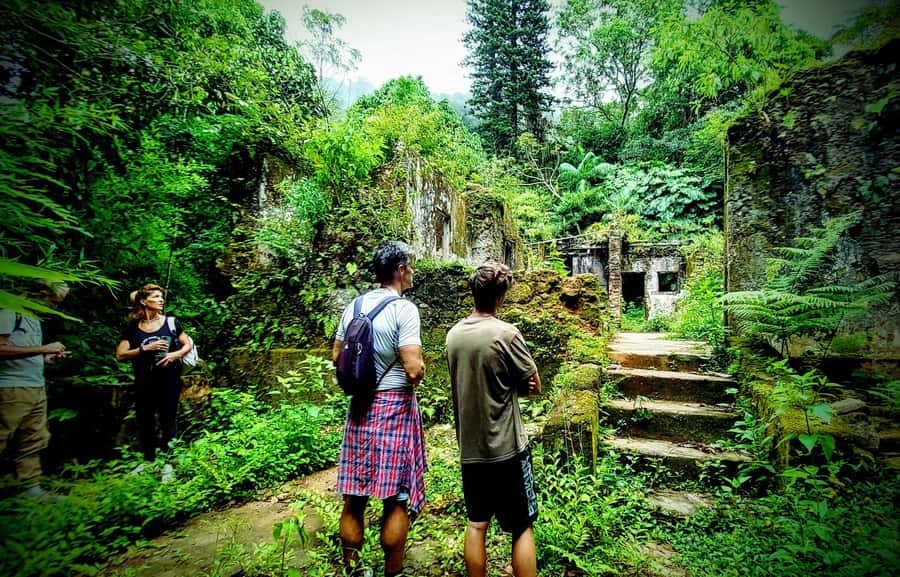
The strongest feature of this experience is the guiding. Vini has been praised for covering forest wildlife along with Brazil’s political, social, and cultural life. Riccardo is known for an upbeat manner and clear explanations, while Tito has been singled out for careful attention to the group and strong historical storytelling.
Other guides, including Renata, Gustavo, Luiza, Pietro, Fernando, and Rick, have also led this circuit. Luiza’s background in botany is especially useful if you want more detail about the ecosystem. The guide quality matters because many plants and historical traces would be easy to walk past.
Do not book this expecting a guaranteed wildlife show. You might see capuchin monkeys, coatis, a sloth, or other animals, but you might also see no animals at all. Several outings had few or no wildlife sightings, and forest conditions change from day to day.
The flora, geology, and history carry the experience even when animals stay out of sight. I also like that the guides explain what not to disturb, including bats and other wildlife. That keeps the visit respectful rather than turning the park into a search for photographs.
What the $69 price really covers
At $69 per person, the tour is fairly priced if you are staying within the pickup zone. You are paying for a bilingual English and Portuguese guide, transportation to and from designated hotels, insurance, and a small-group or private format.
The value is strongest for first-time visitors who want to see Tijuca without sorting out transport, trail choices, and park navigation. A guide also adds far more than directions. You get explanations of Brazil, Rio, rainforest plants, geology, slavery, coffee cultivation, and restoration.
The price does not include food, water, or drinks. Bring enough water for a three-hour hike, plus snacks or a packed meal. Sunscreen and insect repellent belong in your daypack, even though some outings have had few mosquitoes.
Private and small-group options are available. A small group usually gives you more room to ask questions and makes it easier for the guide to set a comfortable pace. If you are worried about fitness, tell the guide early rather than trying to hide it until the steep section.
Who should book this hike
I would choose this tour if you want more than Rio’s usual beach and viewpoint circuit. It suits people who enjoy a moderate walk, old ruins, local history, tropical ecology, and the chance to get wet under a waterfall.
It is also a good choice if you value interpretation. You can visit a forest independently, but you may miss the meaning of the slave cemetery, the plantation traces, the restored forest, and the Wallace Fountain. The guide turns a series of stops into a connected story.
You should think twice if you have heart problems, use a wheelchair, dislike uneven ground, or are not comfortable with a 448-meter climb. The route is not presented as accessible, and the cave, bridge, and waterfall require normal trail mobility.
Book it if you want an active half-day with real variety and do not need guaranteed animal sightings. Skip it if your ideal Rio outing is flat, slow, dry, and focused only on panoramic views.
Practical packing advice for the 6.2-kilometer route
Wear sports shoes with a good grip and lightweight sportswear. The forest offers shade, but Rio can still be hot and humid, so sunscreen and water remain important.
Pack a small daypack with:
- Plenty of water
- Snacks or food
- Insect repellent
- Sunscreen
- A swimsuit or spare clothing for the cascade
- A small towel if space allows
- Rain protection if the forecast is unsettled
Leave large bags, luggage, alcohol, and pets behind. Alcohol and drugs are not allowed, and bare feet are not permitted on the activity.
Your passport number, full name, and birth date are required for the included insurance. Cancellation is free up to 24 hours before the activity, and you can reserve now and pay later, useful when your Rio schedule is still changing.
Should you book it?
Yes, if you want a guided introduction to Tijuca Forest that combines exercise, nature, and Brazil’s past. The waterfalls, cave, chapel, cemetery, bridge, fountain, and plantation remains give the day more substance than a basic forest walk.
The main uncertainty is wildlife. You may see a sloth, capuchins, or a coati, but there is no promise. Book this for the forest itself, the waterfall shower, and the guides’ explanations, not for a guaranteed animal encounter.
At $69, the included pickup and guiding make the outing good value for most visitors staying in Rio’s South Zone. Bring water, wear real hiking shoes, and be honest about your fitness. If you do that, this is one of the better ways to trade a few hours of city traffic for rainforest shade.
FAQ
How long is the Tijuca Forest hike?
The walking route is about 6.2 kilometers, or 3.8 miles, and usually takes two and a half to three hours. The complete activity lasts about six hours, including transportation and sightseeing stops.
How difficult is the hike?
It is rated moderate and includes about 448 meters, or 1,469 feet, of elevation gain. You need good fitness for rough, uphill and downhill rainforest terrain.
Is hotel pickup included?
Yes. Pickup and drop-off are provided from designated hotels and hostels in parts of Copacabana, Ipanema, Leblon, Leme, Flamengo, Santa Teresa, Gloria, Catete, Urca, and Botafogo. If your address is not covered, a nearby meeting point may be offered.
What languages does the guide speak?
The tour is offered with a bilingual guide who speaks English and Portuguese.
Can I swim or shower at a waterfall?
The route includes a waterfall shower at Baronesa Cascade, where you can cool off if conditions allow. Bring suitable clothing, but keep your sports shoes on because bare feet are not allowed.
Is food or water included?
No. You need to bring your own food, snacks, water, and other drinks.
Can I cancel the booking?
You can cancel up to 24 hours in advance for a full refund. The activity also offers a reserve-now, pay-later option.
More Hiking and Trekking
- Pedra do Telégrafo Hike and Beach Full-Day Tour
★ 4.5 · 417 reviews - Rio de Janeiro: Pedra da Gávea 7-Hour Hike
★ 4.7 · 183 reviews - Rio de Janeiro: Tijuca Forest Challenge Hike Full-Day Trip
★ 4.9 · 163 reviews - Rio de Janeiro: Vidigal Favela Tour and Two Brothers Hike
★ 4.5 · 121 reviews
Just added around Rio de Janeiro
- Pedra Bonita Trail: The easiest trail with a beautiful view of Rio★ 4.6 · 3 reviews
- Rocinha Jeep Tour: A Journey into the Soul of the Favela!★ 3.8 · 3 reviews
- Rio: Private, Custom express, Main Attractions!★ 5.0 · 3 reviews
- Rio: Favela Walking Tour of Rocinha with a Resident Guide★ 4.7 · 3 reviews
- Explore Fernando de Noronha: 7-Hour Ilhatour★ 4.9 · 3 reviews
- Rio: Museum of Tomorrow, Yup Star & Olympic Boulevard★ 3.7 · 3 reviews
- Rio: Best Dive Experience All Inclusive Scuba Diving Package★ 5.0 · 3 reviews
- Rio de Janeiro by Air: 10-Minute Helicopter Tour★ 4.4 · 3 reviews
Tijuca Rainforest Tours, compared.
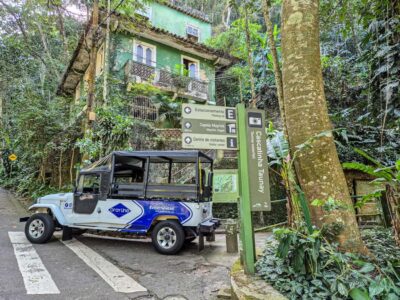
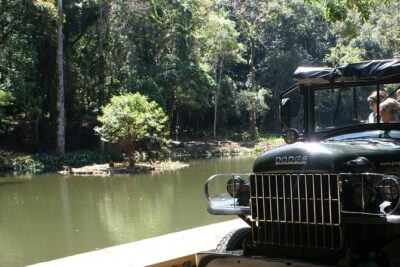
Jeep Adventure: Guided Tour through Tijuca Rain Forest
Read our review →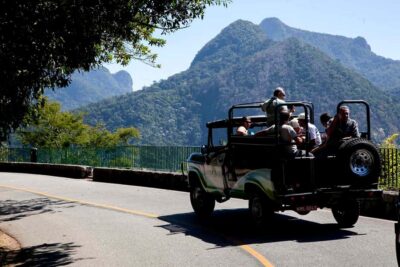
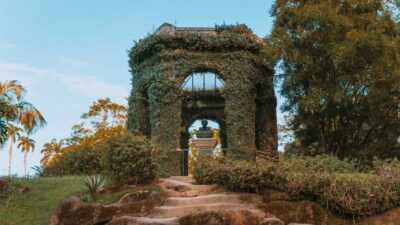
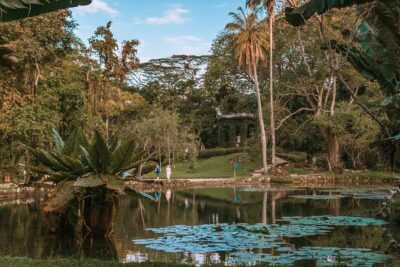
Rio de Janeiro Botanical Garden & Tijuca Forest Tour
Read our review →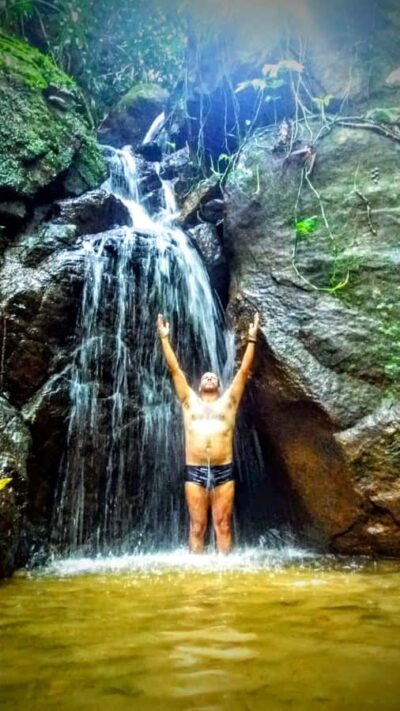
Browse the lists this tour appears in