
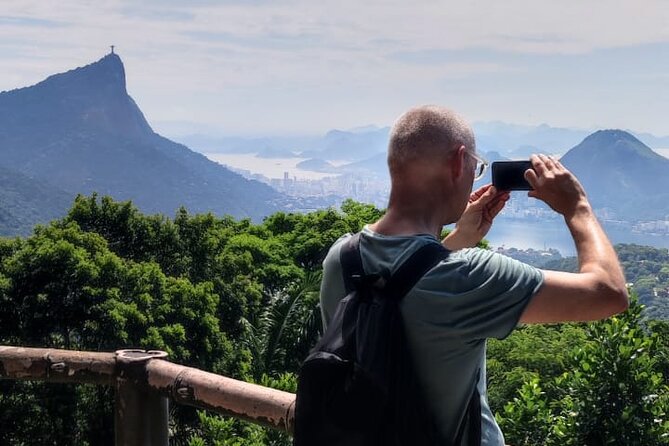
Reviewed · SUGARLOAF MOUNTAIN TOURS
Sugarloaf – Hike and Easy Climb Sugarloaf’s Coast
Sugarloaf has a wilder side. This 3 to 4-hour outing combines a light walk, rocky trail, supported climbing, and grand views of Guanabara Bay, Niterói, Copacabana, and Leme. I especially like the small maximum group of six and the chance to reach Sugarloaf under your own power rather than simply riding up in a cable car. I also like the guide-led pace, which gives you help on the rock and room to enjoy the scenery.
The main consideration is physical effort. The walk begins easily, but the route becomes rocky and includes a climbing section, so you need moderate fitness and a steady head for heights. At $78.41 per person, the price is fair if you want an active experience with equipment, guiding, admission, and a cable-car descent. It is less appealing if your main goal is a quick viewpoint visit.
In This Review
- Key points about the Sugarloaf climb
- Why this Sugarloaf outing feels different
- Starting below Sugarloaf on Pista Cláudio Coutinho
- The rocky trail and supported climbing section
- Pedra Filosofal and the first wide city view
- Reaching Sugarloaf’s summit on foot
- The cable-car descent and return to Urca
- What the guide adds to the experience
- Is $78.41 a fair price?
- Who should book this Sugarloaf climb?
- Final call: a strong choice for an active Rio afternoon
- FAQ
- Where does the Sugarloaf hike start?
- What time does the activity begin?
- How long does the Sugarloaf climb take?
- Is the cable car included?
- How difficult is the route?
- How large is the group?
- Can I cancel for a refund?
Key points about the Sugarloaf climb

- A short approach along Pista Cláudio Coutinho: You begin with an easy walk below Sugarloaf and through the natural park area.
- A real rocky climbing section: After the trail turns rougher, the guide provides the equipment needed for the climb and leads one person at a time.
- Pedra Filosofal brings the first major reward: This viewpoint looks toward Leme, Copacabana, Rio’s mountains, and the water.
- Views reach across Guanabara Bay: From the rocky route, you can see Niterói, the bay, and the mountain range from a less usual angle.
- The descent is by cable car: After reaching the summit, you ride down to Morro da Urca, then walk a short trail back to the starting point.
- Personal guiding is part of the appeal: With no more than six people, you can expect closer attention than on a large sightseeing outing.
Why this Sugarloaf outing feels different

Most visits to Sugarloaf are built around the cable car. That is easy and worthwhile, but this route gives you a stronger sense of the mountain itself. You start at ground level, walk beside its base, follow a rougher path, and then use climbing equipment to pass a rocky section before reaching the summit.
I like that progression. It turns a famous viewpoint into a small physical journey. You do not simply arrive at the top and look out. You see the rock from below, notice how the city wraps around the mountain, and earn the final view with your legs.
The outing is also limited to six people. That matters on a route where the guide needs to watch each person during the climbing section. A small group should make it easier to ask questions, get individual help, and avoid the stop-and-go feel common on crowded city excursions.
The experience begins at 2:30 pm at Árabe Urca, at Avenida Pasteur 493 in Urca. The afternoon timing gives the outing a clear shape. You spend the first part walking and climbing, reach the summit later, then descend by cable car and return on foot to the meeting point.
More Sugarloaf cable car trips:
- Rio: Christ the Redeemer, Sugarloaf, Selaron & BBQ Lunch
★ 4.5 · 2,428 reviews - Skip the Line to Christ Redeemer, Sugar Loaf and Barbecue Lunch
★ 4.0 · 593 reviews - Rio de Janeiro: Christ the Redeemer and Sugarloaf Tour with…
★ 4.6 · 499 reviews
Starting below Sugarloaf on Pista Cláudio Coutinho
The first section follows Pista Cláudio Coutinho, a gentle route beside the base of Sugarloaf. For about ten minutes, you get an easy introduction to the setting, with views up toward the mountain and the surrounding natural park.
This opening is useful for two reasons. First, it gives you time to settle into the pace before the route becomes more demanding. Second, it lets you see Sugarloaf from below. From the cable-car stations, the mountain can feel like a polished sightseeing attraction. From the base, its steep rock face feels much more substantial.
The path then changes to dirt and rock. The description calls this a light walk, but you should not read that as a paved promenade all the way through. Uneven ground is part of the route, and comfortable footwear is a sensible choice.
The first stretch also helps you understand the setting around Urca. You are not starting in the middle of a busy downtown street or at a large coach terminal. You meet near the mountain, close to public transportation, and begin in a more natural setting.
The rocky trail and supported climbing section
After the easy approach, the route climbs over rocks toward a cliff section. Here the outing changes from a hike into an introductory climbing experience. You are given the necessary equipment, and the guide goes first before each person follows one at a time.
That order is important. It means the guide can demonstrate the route and remain ahead of the group while you work through the section. You should still expect to pay attention, use your hands and feet carefully, and follow instructions rather than treat this as a casual walk.
The climbing is described as easy, but easy is relative. The route still involves a rocky cliff and a height gain. If you are comfortable with moderate exercise but have little climbing experience, the guide’s presence and the equipment should make the section more approachable. If you dislike exposure, have poor balance, or feel uneasy on uneven rock, this may be the point where the outing becomes uncomfortable.
A maximum of six people is a real advantage here. On a larger outing, the climbing section could feel rushed or impersonal. With a small group, the guide can give more direct attention as each person moves up.
The outing is not recommended for people with low or high blood pressure. The physical effort and height are not details to ignore, so read that health warning as a genuine screening point, not routine fine print.
Pedra Filosofal and the first wide city view
The next stop is Pedra Filosofal, a viewpoint facing Leme and Copacabana. This is where the route begins to pay you back in a big way. You can look toward the beaches, see Rio’s mountains, and place the city’s famous curves in a wider setting.
I like viewpoints such as this because they offer more than the standard postcard angle. Sugarloaf’s summit is the headline attraction, but a lower rocky viewpoint can help you understand the city’s shape. From Pedra Filosofal, the beaches and mountain slopes appear together, giving you a useful sense of how tightly Rio’s urban areas sit between rock and sea.
This is also a natural pause in the outing. You have already walked over rough ground and completed the supported climbing section. The viewpoint gives you time to catch your breath, take photos, and enjoy the change from forested trail to open views.
The route can feel more exposed here than it did on Pista Cláudio Coutinho. That is part of the reward, but it also reinforces why moderate fitness and a calm approach to heights matter.
More hikes and trails:
- Rio: Tijuca Forest Small Group Hike to Caves and Waterfalls
★ 4.9 · 536 reviews - Pedra do Telégrafo Hike and Beach Full-Day Tour
★ 4.5 · 417 reviews - Rio de Janeiro: Pedra da Gávea 7-Hour Hike
★ 4.7 · 183 reviews - Rio de Janeiro: Tijuca Forest Challenge Hike Full-Day Trip
★ 4.9 · 163 reviews
Reaching Sugarloaf’s summit on foot
From Pedra Filosofal, the group continues toward the summit. The exact feeling of this part will depend on your pace and comfort on the rock, but the structure is clear: the guide leads, you continue upward, and the final destination is the top of Sugarloaf.
At the summit, you can stop for coconut water and a snack. That small detail adds practical value. After a climb in Rio’s heat, a drink is not just a pleasant extra. It gives you a chance to cool down and enjoy the views instead of rushing straight into the descent.
The summit is also where you can take in the full range of scenery promised by the route. Guanabara Bay, Niterói, the city, the mountain range, and the beaches near Leme and Copacabana all form part of the visual payoff.
You should allow yourself time to look around rather than treating the summit as a quick photo stop. The ascent is the active part of the experience, but the summit is where the effort makes sense. You have approached Sugarloaf from below and then gained a high view over the city.
The cable-car descent and return to Urca

The return is easier on the legs. You descend by cable car to Morro da Urca, then follow a short trail back to the original meeting point.
This is one of the smartest features of the route. A full hike up and down would add more strain and could make the experience too demanding for a casual visitor. The cable-car descent lets you enjoy the climb without requiring an equally long downhill route.
It also gives you a second way to see the mountain. The ascent shows you the rock at close range. The cable car gives you a slower, suspended view of the slopes and the city below. You get both the active and sightseeing sides of Sugarloaf in one outing.
The tour ends back at the meeting point rather than at a separate drop-off location. That makes planning easier, especially if you have arranged transport from Urca or want to continue elsewhere in Rio.
What the guide adds to the experience
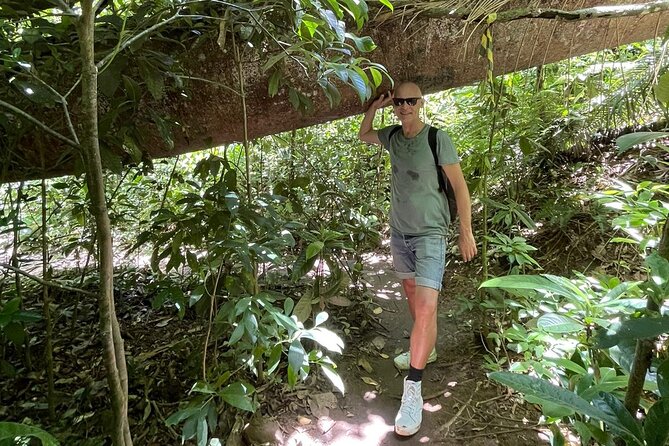
The guide can make or break an outing that mixes trail walking and climbing. Marius receives especially warm praise for being helpful before the activity, answering questions about Brazil, and offering practical tips beyond the route itself.
That matters if you want more than a safety briefing. Good guiding here should include clear directions on the rock, awareness of group pace, and useful context about Rio’s culture, history, and natural areas.
Marius is also praised for his interest in sustainability and the local jungle around Rio. You should not expect a formal lecture, but a guide with that outlook can help you notice the setting as more than a backdrop for photographs.
One note requires some care. Feedback connected with Marius also describes jungle trekking, waterfalls, toucans, butterflies, and small insects. Those details show the guide’s wider outdoor experience, but the Sugarloaf route described here specifically centers on Pista Cláudio Coutinho, the rocky trail, the climbing section, Pedra Filosofal, the summit, and the return by cable car. Do not book this outing expecting a waterfall visit unless the provider confirms it separately.
Is $78.41 a fair price?
At $78.41 per person, this is not the cheapest way to see Sugarloaf. You can find simpler sightseeing options that focus on the cable car and the summit. The comparison is not quite like for like, though.
This price includes admission and a guided active route with climbing equipment. You are paying for someone to organize the path, lead the technical section, manage a small group, and help you make the most of the views. The cable-car descent is also included in the structure of the outing.
The value is strongest if you want a memorable half-day activity rather than a standard attraction visit. You get exercise, a viewpoint at Pedra Filosofal, the summit, and a different perspective on Sugarloaf than a simple ride up and down provides.
The value is weaker if you are mainly looking for comfort, a flexible schedule, or a relaxed sightseeing stop. The experience lasts around four hours, begins at 2:30 pm, and requires you to stay with the group through the walking and climbing sections.
With 41 ratings averaging five out of five and full recommendation from those who rated it, the experience has a very strong satisfaction record. Still, ratings cannot remove the central question: are you ready for a rocky route and a supported climb?
Who should book this Sugarloaf climb?
I would choose this for you if you want to combine Rio’s most famous mountain with a modest outdoor challenge. It suits people who enjoy being active, appreciate small groups, and want a guide who can talk about more than directions and photo stops.
It is also a good choice if you have already seen Rio from ordinary viewpoints and want a more hands-on way to experience Sugarloaf. The route gives you several stages, from the easy base walk to the rocky climb, then the viewpoint and summit.
You should think twice if you have low or high blood pressure, limited physical fitness, or strong discomfort with heights. The climb may be described as easy, but it remains a climb over rocky terrain.
Bring a practical attitude. Wear shoes suited to uneven ground, expect to move one at a time during the climbing section, and keep enough energy for the full outing. The supplied information does not state a required equipment list beyond the climbing gear provided, so confirm any personal packing questions with Tocorime Tour before departure.
Free cancellation is available if you cancel at least 24 hours before the 2:30 pm start. Changes or cancellations inside that period are not accepted and do not receive a refund.
Final call: a strong choice for an active Rio afternoon
I would book this tour if you want Sugarloaf to feel like an outing, not just an observation deck. The small group, included admission, climbing equipment, personal guidance, Pedra Filosofal viewpoint, summit snack break, and cable-car return give the $78.41 price solid value.
I would skip it if you want the simplest possible visit or if the physical and health requirements do not suit you. For everyone else, this is a lively, well-shaped way to see Rio from the rock itself, with enough support to make the climb approachable and enough effort to make the views feel earned.
FAQ
Where does the Sugarloaf hike start?
The meeting point is Árabe Urca, Avenida Pasteur 493, Urca, Rio de Janeiro. The location is near public transportation.
What time does the activity begin?
The activity starts at 2:30 pm.
How long does the Sugarloaf climb take?
The experience lasts approximately 3 to 4 hours. The stated itinerary gives a duration of about 4 hours.
Is the cable car included?
Yes. After reaching the summit, you descend by cable car to Morro da Urca, then follow a short trail back to the starting point. Admission is included.
How difficult is the route?
The experience requires a moderate level of physical fitness. It begins with a light walk, then continues over dirt and rocks before reaching a rocky climbing section where safety equipment is provided.
How large is the group?
The activity has a maximum of six people.
Can I cancel for a refund?
Yes. You can receive a full refund if you cancel at least 24 hours before the local start time. Cancellations or changes made less than 24 hours before the start are not refunded.
Just added around Rio de Janeiro
- Pedra Bonita Trail: The easiest trail with a beautiful view of Rio★ 4.6 · 3 reviews
- Rocinha Jeep Tour: A Journey into the Soul of the Favela!★ 3.8 · 3 reviews
- Rio: Private, Custom express, Main Attractions!★ 5.0 · 3 reviews
- Rio: Favela Walking Tour of Rocinha with a Resident Guide★ 4.7 · 3 reviews
- Rio: Museum of Tomorrow, Yup Star & Olympic Boulevard★ 3.7 · 3 reviews
- Explore Fernando de Noronha: 7-Hour Ilhatour★ 4.9 · 3 reviews
- Rio: Best Dive Experience All Inclusive Scuba Diving Package★ 5.0 · 3 reviews
- Rio de Janeiro by Air: 10-Minute Helicopter Tour★ 4.4 · 3 reviews
Sugarloaf Mountain Tours, compared.


Christ the Redeemer, Sugarloaf, Selaron & BBQ Lunch
Read our review →
Skip the Line to Christ Redeemer, Sugar Loaf and Barbecue Lunch
Read our review →

5-hour Christ the Redeemer and Sugarloaf Express Tour
Read our review →
Christ the Redeemer Early Access and Sugarloaf
Read our review →
Two of Rio’s Best: Christ the Redeemer & Sugarloaf Mountain Half-Day Tour
Read our review →
Sugarloaf Cable Car and Corcovado Train Tickets
Read our review →Browse the lists this tour appears in