
Reviewed · FOOD & DRINK
São Paulo: Liberdade Street Food Tour
Food tells São Paulo’s story one bite at a time. This small-group walk through Liberdade combines Japanese, Brazilian, Korean, and Argentine snacks with clear explanations of how immigrants shaped the neighborhood. I especially like the generous range of tastings and the chance to see more than the usual tourist view of Liberdade. The main consideration is that food preferences vary, and one visitor found the final stop disappointing.
The tour costs $60 per person and lasts about two hours, with up to 10 people. That makes it a useful introduction to Liberdade if you want a guide to handle the food choices and local history, though you should arrive hungry because the snacks add up quickly.
In This Review
- Key Points at a Glance
- Why Liberdade Makes Such a Good Food Walk
- Meeting at the Red Bradesco Bank
- Japanese Pastel and Sugarcane Juice
- Onigiri and the Everyday Side of Japanese São Paulo
- Takoyaki, Tempura, or Argentine Empanadas
- Korean Choux Au Craquelin and the Sweet Finish
- The Walking Portion: Streets, Markets, and Architecture
- Giuliano’s Role as Guide
- Is Two Hours Enough?
- What the $60 Price Includes
- Who Will Enjoy This Experience Most?
- Practical Advice Before You Go
- Should You Book the Liberdade Street Food Tour?
- FAQ
- Where does the São Paulo Liberdade food tour meet?
- Where does the tour finish?
- How long does the experience last?
- What language is the tour conducted in?
- How many people are in the group?
- What food is included?
- Which drinks are included?
- Is the tour wheelchair accessible?
Key Points at a Glance
- Four food traditions in one neighborhood: Sample Japanese, Brazilian, Korean, and sometimes Argentine specialties without leaving Liberdade.
- A guide who connects food to people: Giuliano, also called Juliano in some feedback, is praised for his energy, English, and broad knowledge of São Paulo.
- More than a market stop: The walk includes architectural sights and an explanation of who lives in Liberdade today.
- A filling two-hour outing: Three main snack stops come with sugarcane juice, water, and a final soft drink or coffee.
- Small and accessible: The group is limited to 10 participants, and the tour is wheelchair accessible.
- Strict timing matters: Meet outside the large red Bradesco Bank in Liberdade Square before the start time. Late arrivals cannot join once the walk begins.
Why Liberdade Makes Such a Good Food Walk
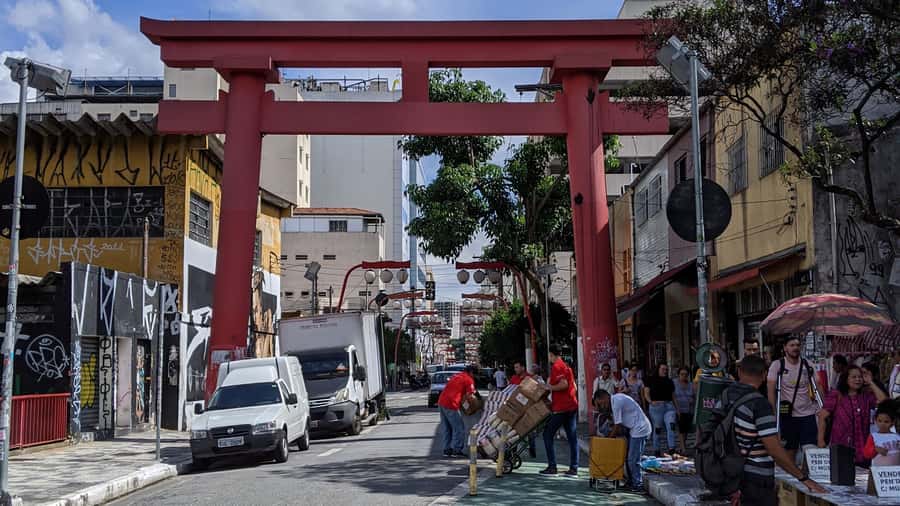
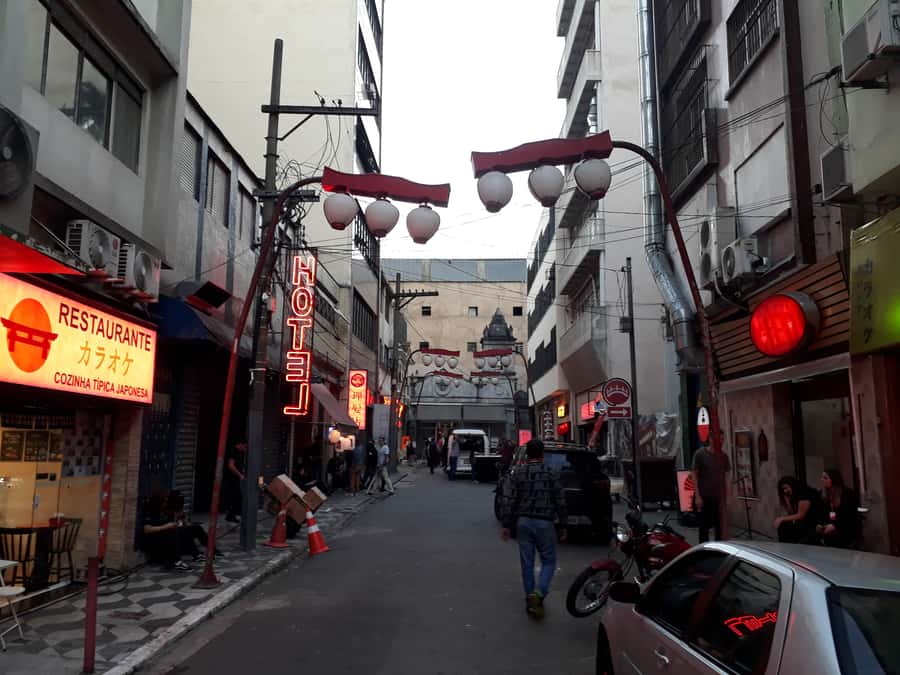
Liberdade is one of São Paulo’s most distinctive neighborhoods. It is strongly associated with Japanese immigration, and the area is home to the largest Japanese community outside Japan. That identity is visible in the food, shops, markets, street decorations, and the way the neighborhood has become a meeting point for several cultures.
The story is older and broader than Japanese food alone. Liberdade was once a military district, then became a center for Japanese immigrants roughly a century ago. Today, Chinese, Korean, Congolese, and Haitian communities also form part of the area’s social fabric, alongside a strong Afro-Brazilian heritage.
That mix gives the tour its real purpose. You are not simply eating a pastel or an onigiri. You are learning how recipes change when people move, settle, trade, and adapt to a new city. The guide uses the snacks as a path into São Paulo’s past and present.
I like this approach because Liberdade can be easy to reduce to a few Japanese signs and Asian restaurants. A guided walk helps you see the neighborhood as a place shaped by several waves of migration, not as a themed shopping district.
More Food & Drink Tours in São Paulo
- São Paulo 5 Hour Private Tour With Fruit Tasting
★ 5.0 · 93 reviews - Gastronomic Tour São Paulo – Culture & History Through The Art Of Food – Private
★ 5.0 · 50 reviews - From São Paulo: São Roque Wineries Route and Tasting of Wine
★ 4.9 · 22 reviews
Meeting at the Red Bradesco Bank
The meeting point is outside the large red Bradesco Bank in the middle of Liberdade Square. This is a useful landmark, but the tour starts strictly on time, so plan your route in advance and arrive early.
The instructions specifically warn that the guide will not check the phone after the tour begins. Once the group has left, you cannot join late. That policy may feel firm, but it is practical for a walking tour with multiple food stops. You should not rely on last-minute messages or an uncertain arrival time.
Bring sunscreen and an umbrella. São Paulo weather can change, and the tour takes place outdoors as you move between markets, streets, and food vendors.
Japanese Pastel and Sugarcane Juice
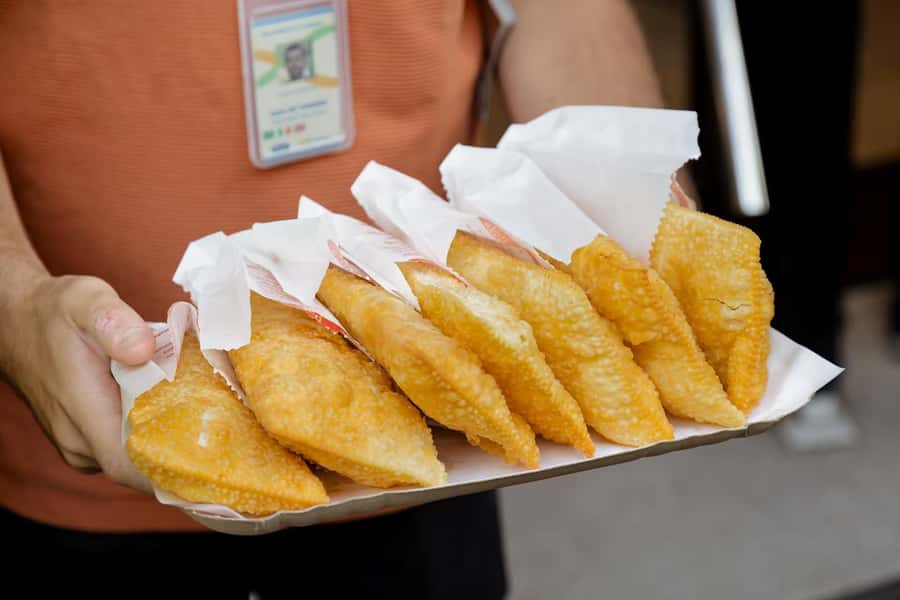
The first food pairing introduces the tour’s basic idea: familiar Brazilian street food with an Asian influence. You receive a Japanese pastel and tropical sugarcane juice.
A pastel is a crisp, filled Brazilian pastry, usually associated with markets and casual street eating. Here, the Japanese influence changes the filling or presentation, creating a snack that belongs to both food traditions. The point is not simply novelty. It shows how immigrant communities contribute new flavors while working within local habits.
Sugarcane juice adds a distinctly Brazilian counterpoint. It is sweet, fresh, and a natural match for salty fried food. You also receive a bottle of water during the experience, which is welcome in warm weather and keeps the meal from becoming too heavy.
This opening stop is likely to be accessible even if you are cautious about unfamiliar food. The pastel gives you something recognizable, while the Japanese variation adds a small surprise.
Onigiri and the Everyday Side of Japanese São Paulo
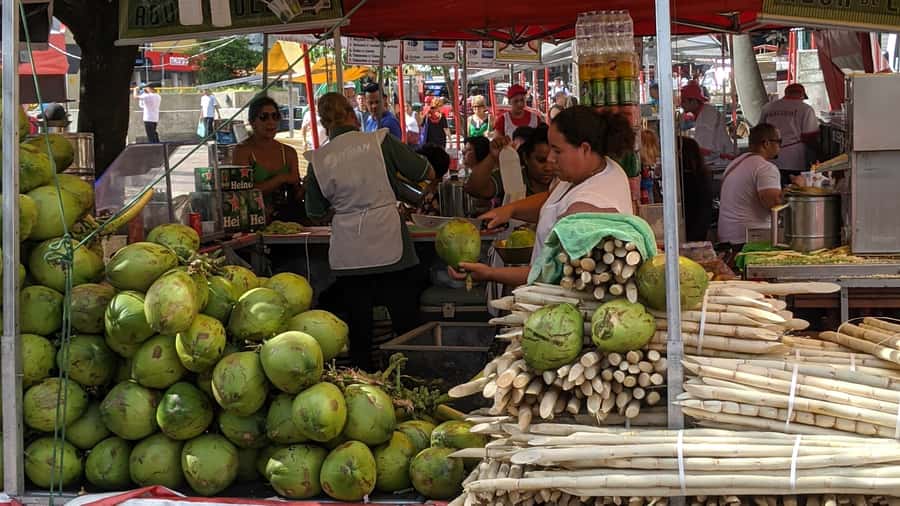
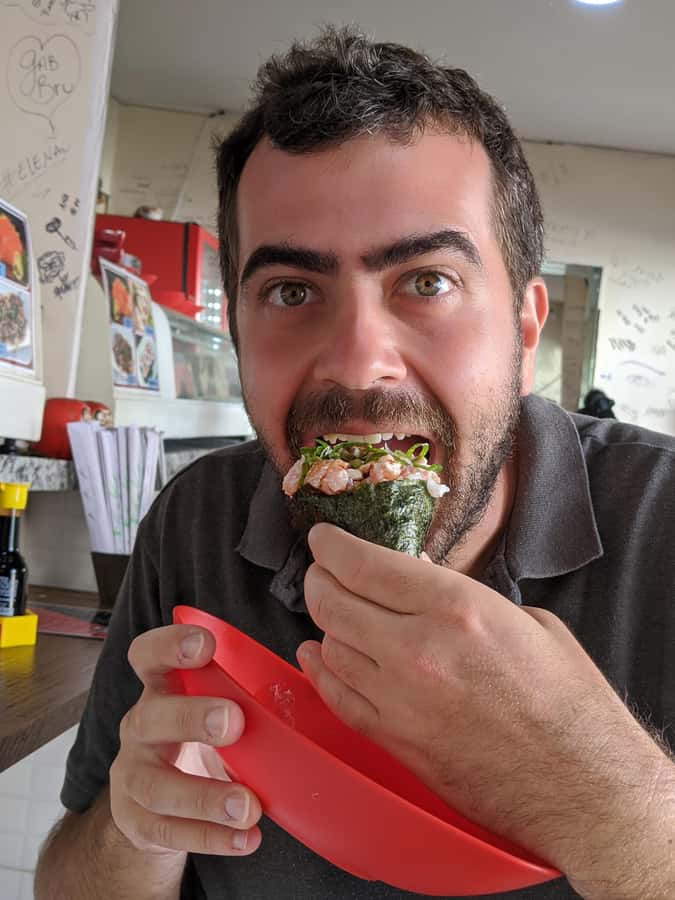
The included tastings also feature onigiri, the Japanese rice snack shaped by hand and often filled or wrapped. Onigiri helps show a different side of Japanese food in Brazil. It is not a restaurant centerpiece. It is a practical, portable food with a strong connection to everyday eating.
Placed beside the pastel, it creates a useful comparison. One snack is tied closely to Brazilian market culture, while the other carries Japanese roots. You can taste the difference without needing a long formal meal.
This is one reason the tour works well for first-time visitors to Liberdade. You get a guide to the neighborhood’s food vocabulary while moving through the area instead of sitting in one restaurant for two hours.
More food tours:
- São Paulo: 5hr City Tour With Fruit Tasting
★ 4.7 · 20 reviews - Sao Paulo, Pinheiros – Food & Graffiti Tour | in English
★ 4.6 · 6 reviews - São Paulo: Food, Culture & History Private Tour
★ 5.0 · 6 reviews - São Paulo Carnival Seating with Food, Drinks, & Transfer
★ 5.0 · 3 reviews
Takoyaki, Tempura, or Argentine Empanadas
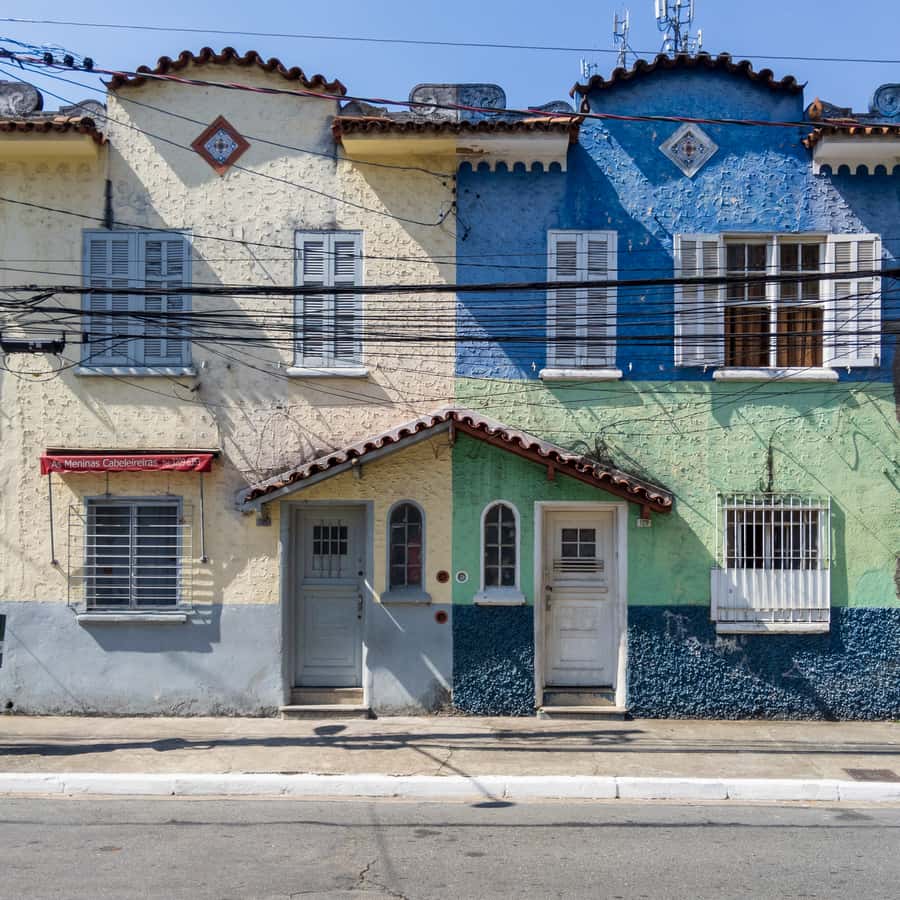
The next planned tasting is traditional takoyaki or tempura. Takoyaki is a Japanese snack cooked in round molds, while tempura offers a lighter fried texture. Both fit the tour’s focus on Japanese influence and the quick, shareable foods found around Liberdade.
On weekdays, this stop may be replaced with Argentine empanadas. That variation matters. You should not book expecting every item to be identical on every date. Instead, think of the menu as a set of food traditions that can change according to the day.
The empanadas were a particular favorite for one participant, and they give the tour another useful connection between immigrant cuisine and São Paulo’s wider food culture. An empanada may feel less surprising than takoyaki, but it can be just as effective in showing how South American food crosses borders.
I appreciate the flexible menu, though it may disappoint you if one specific snack is the main reason you book. Check the day and accept that the exact middle tasting can vary.
Korean Choux Au Craquelin and the Sweet Finish
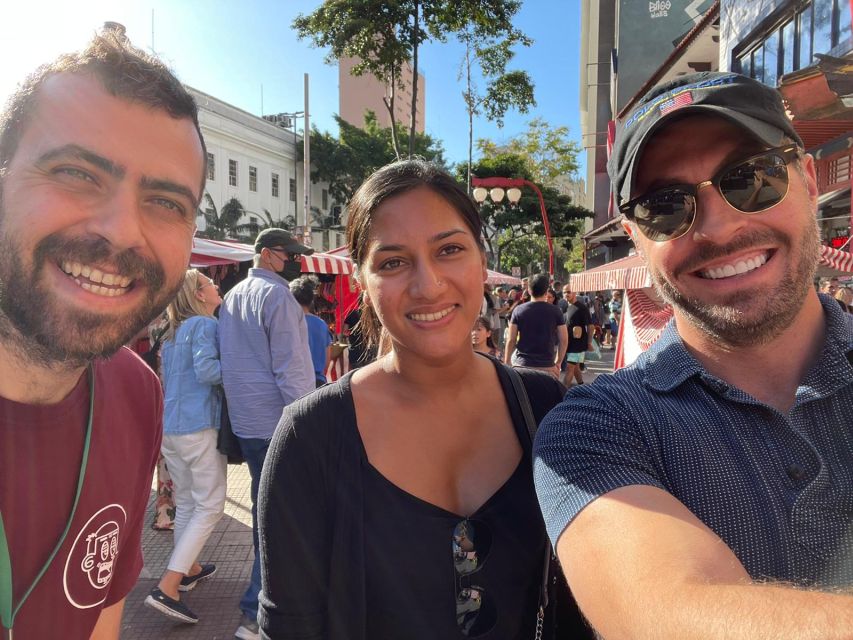
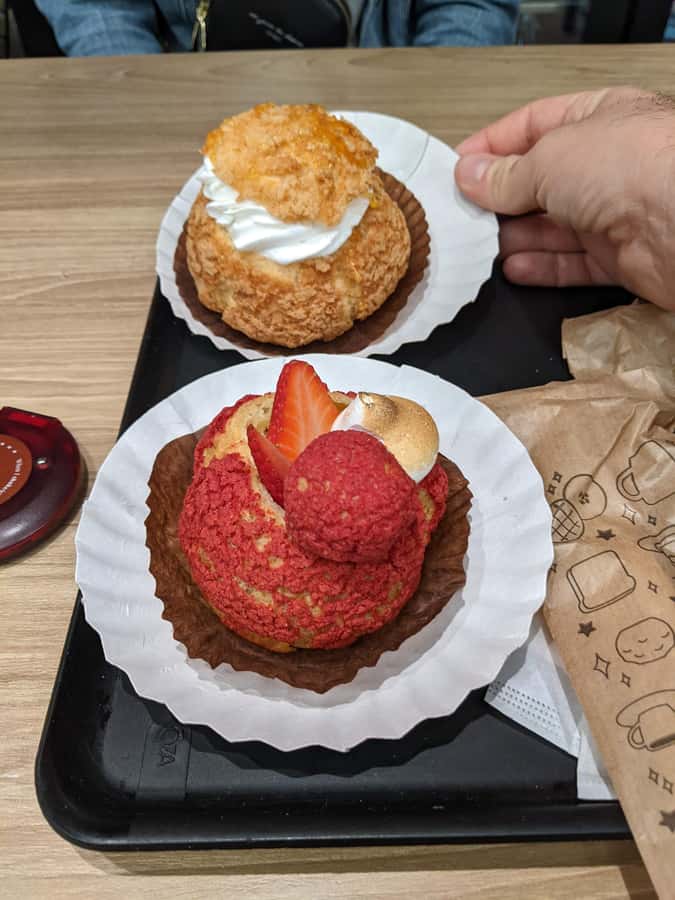
The Korean choux au craquelin provides a sweet stop and broadens the food range again. Choux pastry is baked, while the craquelin topping adds a crisp layer. In this tour, the Korean connection gives the dessert a place within Liberdade’s modern food mix.
After savory snacks, this is a welcome change of pace. It also prevents the tour from becoming a narrow lesson in fried food. The menu moves through crisp, soft, salty, sweet, and refreshing elements.
You finish with a soft drink or coffee. That final choice gives you a little control over how the meal ends, although you should remember that additional food and drinks are not included. One participant liked the last stop less than the others, so it is best to view the tasting as a varied sampler rather than a guarantee that every item will suit your taste.
The Walking Portion: Streets, Markets, and Architecture
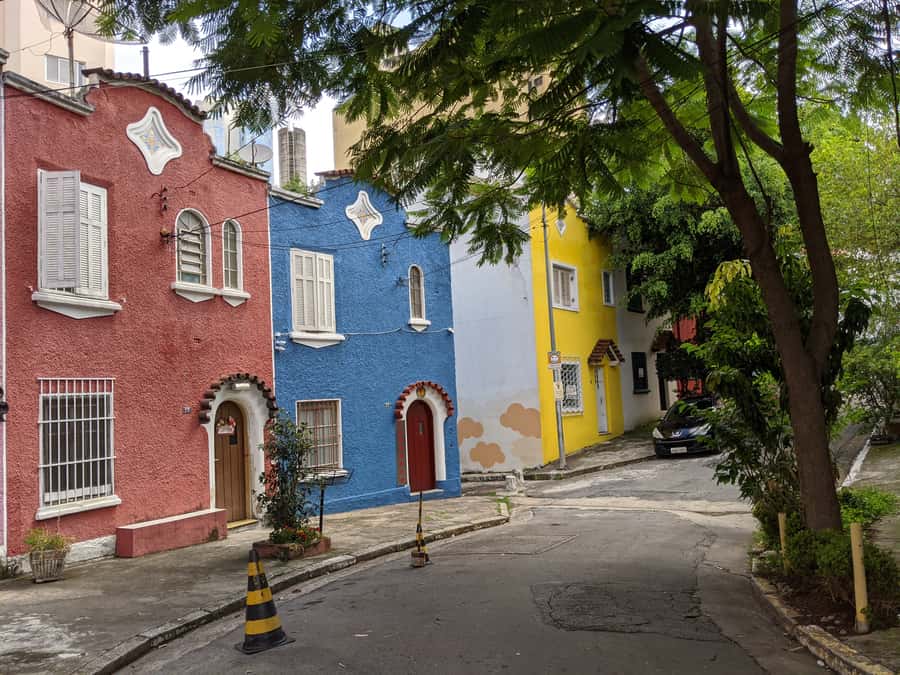
Food is the anchor, but the walk matters just as much. After or between tastings, the guide takes you through Liberdade’s streets and markets, pointing out architectural features and explaining the people who live in the area.
The route lasts about 105 minutes as a guided food and neighborhood visit, within an overall activity time of about two hours. That leaves enough room for movement and conversation without turning the outing into a full-day commitment.
The architectural portion gives the neighborhood context. You see where the food culture operates, rather than treating each snack as an isolated purchase. The guide explains the Japanese influence that remains especially visible, while also describing the newer communities and Afro-Brazilian presence that make Liberdade more varied than its usual image suggests.
This is also where a small group helps. With no more than 10 participants, it should be easier to hear the guide and ask questions. The small format cannot remove all street noise or crowds, but it is more personal than a large group moving from vendor to vendor.
Giuliano’s Role as Guide
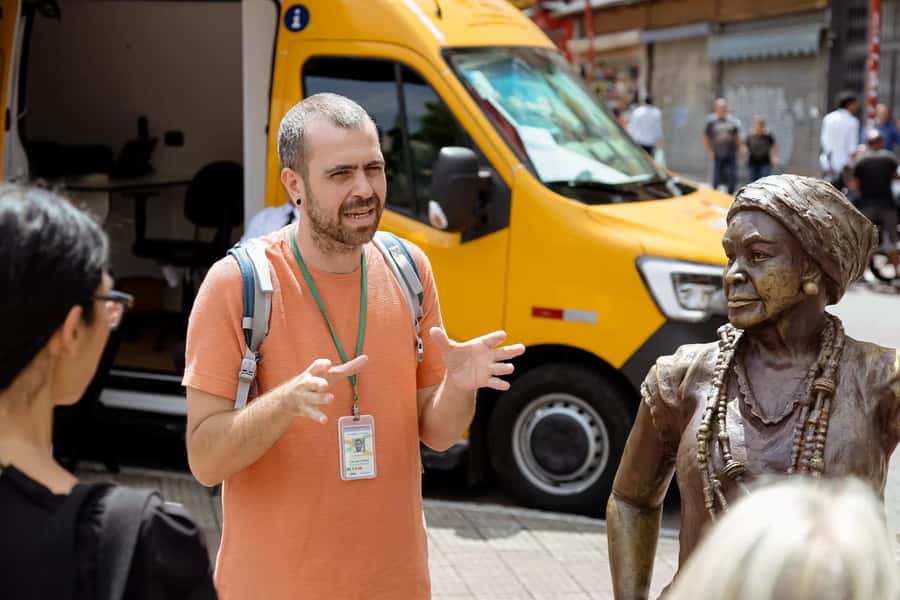
The guide is a major part of the experience. Giuliano, sometimes spelled Juliano in the feedback, is an Italian who has lived in Brazil for many years. He is described as energetic, friendly, passionate, and highly fluent in English.
Those details matter because food tours depend on explanation. Without a clear guide, you may remember only a list of snacks. With Giuliano, the tastings are linked to Brazilian history, immigration, local customs, and the character of Liberdade.
He also appears to choose some personal favorites, including Brazilian street snacks such as empanadas and Japanese pastel. That can make the tour feel less like a fixed script and more like an introduction from someone who knows the area well.
The strongest praise centers on his communication and ability to make history engaging. If you want a quiet, self-directed market visit, this tour may feel talkative. If you want help understanding what you are eating and why it matters, his role is a strong reason to book.
Is Two Hours Enough?
Two hours is enough for a first look, but not enough to cover every corner of Liberdade or eat a full meal at each stop. The schedule is built around several small portions, short walks, and conversation.
Several tastings can leave you surprisingly full. Arrive hungry, as one participant advised, but do not assume you need to skip breakfast. You receive three main snack experiences, plus drinks, and the portions appear designed to create a substantial light meal.
The pace has been described as full but not rushed. That balance is important. A food walk loses its charm if you are constantly hurrying to the next vendor, yet too much time at each stop would limit the variety.
If you want a longer culinary expedition, two hours may feel short. If you have a busy São Paulo itinerary, this length is an advantage. You can learn the neighborhood, taste several foods, and still have time for another activity afterward.
What the $60 Price Includes
At $60 per person, this is not the cheapest way to buy street food in São Paulo. You could spend less by choosing individual snacks yourself. The value comes from the combination of food, interpretation, orientation, and a small group.
Included are:
- Japanese pastel and onigiri
- Traditional takoyaki or tempura
- Argentine empanadas on some weekdays instead of the Japanese tasting
- Korean choux au craquelin
- One bottle of water
- One sugarcane juice
- One final soft drink or coffee
Additional food and drinks cost extra. The included menu is substantial enough that you should not need to purchase much more during the tour, but your final appetite will depend on portion sizes and personal taste.
I would call the price fair for visitors who want structure and cultural context. It is less compelling for confident eaters who already know Liberdade and prefer to choose their own vendors. You are paying partly for the guide’s local knowledge and the work of fitting several food traditions into a short route.
Who Will Enjoy This Experience Most?
This tour suits you if you want an easy introduction to São Paulo’s immigrant neighborhoods. It is especially useful if you are curious about Japanese Brazilian food but also want to understand the Korean, Chinese, Haitian, Congolese, Argentine, and Afro-Brazilian influences present in Liberdade.
English-speaking visitors benefit from the live English guide. The small group also suits solo visitors, couples, and families who prefer questions and conversation over a large, anonymous crowd.
It can work for people with limited time in São Paulo because the meeting point and finish are both in Liberdade. The tour starts at Banco Bradesco Prime and finishes at Restaurante Kazu, giving you a clear place to continue your own meal or neighborhood visit afterward.
The tour is wheelchair accessible, which makes it more practical than many informal street-food walks. Still, the experience involves walking through streets and markets, so you should consider your own comfort with outdoor movement and changing surfaces.
You may want to reconsider if you have strict dietary restrictions, though the supplied details do not specify substitutions or allergy handling. You should contact the provider before booking rather than assume every tasting can be changed.
Practical Advice Before You Go
Arrive early at the red Bradesco Bank in Liberdade Square. Strict departure times are the clearest practical warning, and missing the group means you cannot simply catch up by phone.
Wear comfortable walking shoes and bring sunscreen and an umbrella. The tour is outdoors, and São Paulo weather can shift during the day.
Keep your schedule flexible around the food. Three main tastings plus drinks can be filling, so avoid booking a large meal immediately afterward. If you are hoping for takoyaki or tempura, remember that weekday visits may feature Argentine empanadas instead.
The tour offers free cancellation up to 24 hours before departure and allows you to reserve now and pay later. Those terms are useful if your São Paulo plans are still moving, but the strict start time remains the same after you book.
Should You Book the Liberdade Street Food Tour?
I would book this tour if you want food with a story, not just a list of things to eat. The strongest features are the varied menu, the small group, the English guidance, and the way the walk explains Liberdade as a neighborhood shaped by migration.
The $60 cost is reasonable when you value a well-planned introduction and several included tastings. It is less worthwhile if you already know the area, speak Portuguese comfortably, or prefer to spend your money on one larger restaurant meal.
Book it hungry, arrive early, and treat the menu as a varied sampler rather than a fixed promise. For a first visit to Liberdade, this is a friendly and efficient way to understand why São Paulo’s food culture is so broad.
FAQ
Where does the São Paulo Liberdade food tour meet?
The meeting point is outside the large red Bradesco Bank in the middle of Liberdade Square.
Where does the tour finish?
The tour finishes at Restaurante Kazu.
How long does the experience last?
The activity lasts about two hours. The guided food and neighborhood portion is listed as 105 minutes.
What language is the tour conducted in?
The live tour guide speaks English.
How many people are in the group?
The group is limited to 10 participants.
What food is included?
The included tastings are Japanese pastel, onigiri, traditional takoyaki or tempura, and Korean choux au craquelin. On weekdays, takoyaki or tempura may be replaced by Argentine empanadas.
Which drinks are included?
You receive one bottle of water, one sugarcane juice, and one final soft drink or coffee.
Is the tour wheelchair accessible?
Yes, the activity is listed as wheelchair accessible.
Just added around Sao Paulo
- Campos do Jordão: Full-Day Private Tour from São Paulo★ 5.0 · 3 reviews
- Walk to the Big Rock in Cantareira State Park★ 5.0 · 3 reviews
- Best São Paulo City Tour History 5Hours Private Experience.★ 4.0 · 3 reviews
- Sao Paulo: City Highlights and LGBTQIA+ Scene Private Tour★ 5.0 · 3 reviews
- São Paulo Carnival Seating with Food, Drinks, & Transfer★ 5.0 · 3 reviews
- Special tour 8 hour (walking tour + nightlife )★ 5.0 · 3 reviews
- São Paulo: Downtown Walking Tour with Farol Santander Entry★ 4.6 · 3 reviews
- São Paulo: Jewish History Downtown Private Walking Tour★ 3.7 · 3 reviews
Food & Drink, compared.
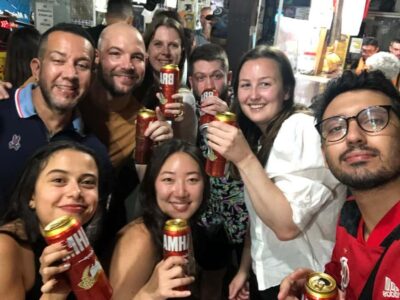
Pub Crawl in Lapa with Cachaça Tasting and Live Samba
Read our review →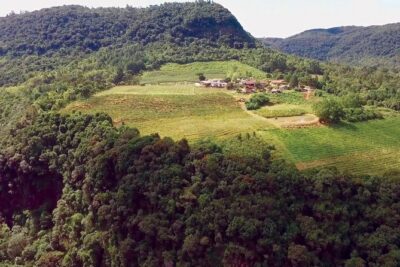
Jolimont Winery Tour – Visitation and Tasting – Canela RS
Read our review →
Sunset Boat Tour with Beer, Water, Soda and Snacks included
Read our review →
São Paulo 5 Hour Private Tour With Fruit Tasting
Read our review →
Petropolis The Imperial City with Beer tour and Lunch
Read our review →
Guided Market Fruit Tasting in Rio with 15+ Exotic Flavors
Read our review →Browse the lists this tour appears in