
Reviewed · CRUISES & BOAT TOURS
From Manaus: 3 or 4-Day Rio Negro & Anavilhanas River Cruise
The Amazon is best heard at night. This small-boat cruise from Manaus trades shipboard comfort for jungle sounds, hammock nights, river wildlife, and close contact with local life. I like the chance to visit Janauri Ecological Park and the Anavilhanas Archipelago, and I like that meals, transfers, guides, and excursions are included. The main caution is simple: this is a rustic river boat, not a floating hotel.
I also like the range of activities packed into a short trip. You may swim near pink and grey river dolphins, fish for piranha, spot alligators after dark, visit a manioc-producing family, and meet an Indigenous community. Still, the quality of the experience can depend heavily on the crew, and recent reports describe everything from excellent guiding and food to serious concerns about boat upkeep, hygiene, communication, and changing plans.
In This Review
- Key points to know before booking
- A rustic boat, not an Amazon cruise ship
- Day one: Janauri trees, giant lilies, and dolphin water
- Day two: Anavilhanas at sunrise and piranha fishing
- The three-day route: manioc and a late return to Manaus
- The four-day route: canoe wildlife and jungle skills
- Sleeping in a hammock changes the whole trip
- Food, guiding, and the value of the price
- Who will enjoy this Rio Negro trip most?
- Should you book the three or four-day cruise?
- FAQ
- How long is the Rio Negro and Anavilhanas cruise?
- What is included in the price?
- Where does the boat go?
- Can I swim with pink river dolphins?
- Do I sleep in a cabin or hammock?
- Are mosquito nets included?
- Are meals suitable for special diets?
- Which languages are available?
- What should I bring?
Key points to know before booking
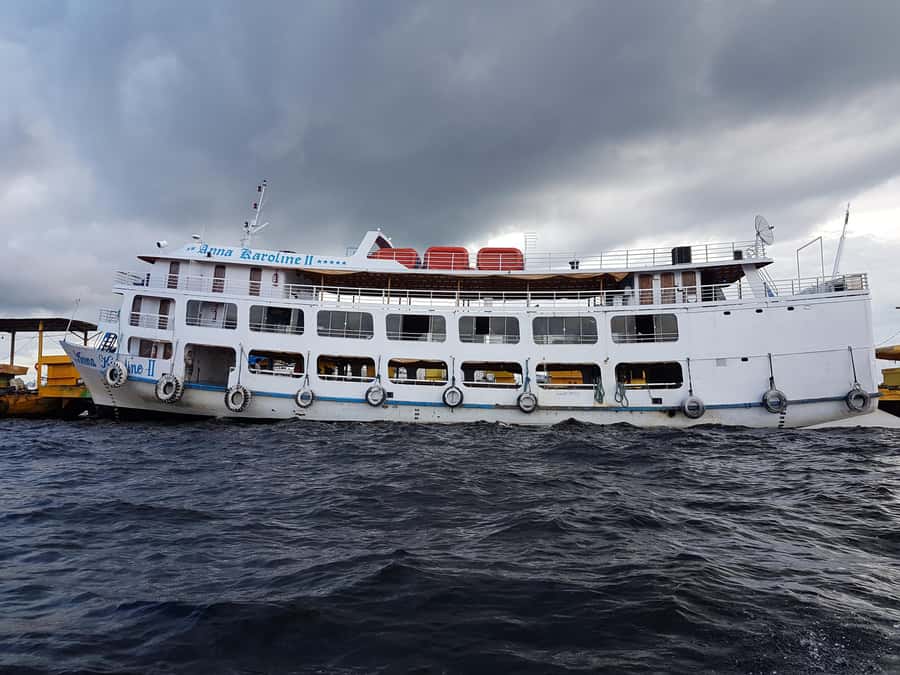
- Traditional 50-foot wooden boat: Built with Amazon boat-building methods, it has a kitchen, bathroom facilities, one small cabin with two twin beds, and hammock space.
- Hammock sleeping is central to the experience: Nets are available to buy in Manaus, and privacy is limited.
- Janauri and Anavilhanas provide the main wildlife stops: Expect jungle walks, giant water lilies, alligators, birds, monkeys, sloths, and river scenery.
- Pink dolphin swimming is a highlight: The stop at Acajatuba Lake also includes grey river dolphins.
- The food receives strong praise: Typical Amazon dishes are served for breakfast, lunch, and dinner, with mineral water included.
- Service standards may vary: Some people describe an excellent guide and memorable activities, while others report poor maintenance, weak English, smoke, delays, and missed stops.
A rustic boat, not an Amazon cruise ship
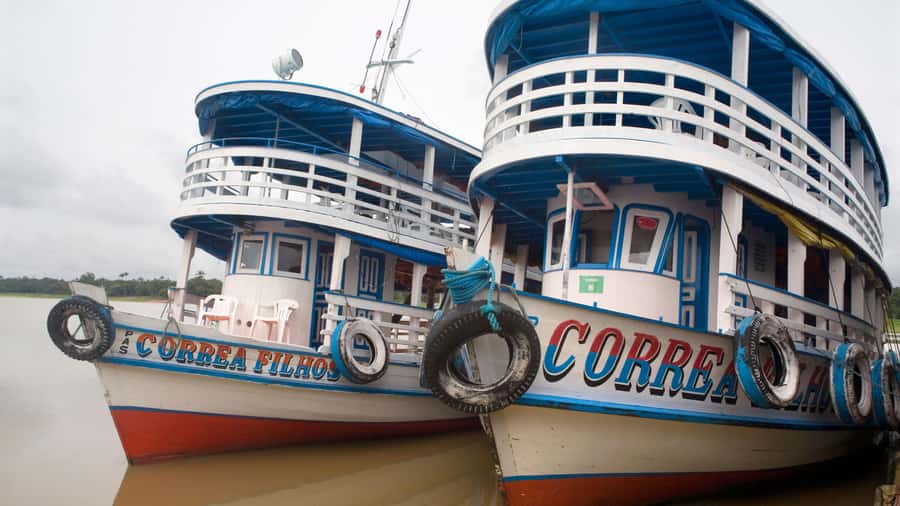
The boat is about 50 feet long and almost 10 feet high. Its traditional construction is part of the appeal. You are traveling in the same sort of practical river craft that makes sense on the Rio Negro, rather than staying in a polished vessel built for comfort at sea.
The tradeoff is space. The boat can carry up to 15 people in hammocks, plus two people in the cabin. The activity is advertised as a small group with a maximum of 10 participants, but the sleeping capacity tells you what the boat is designed to handle. Ask for a clear explanation of your sleeping arrangement before paying.
The lower area includes the kitchen and bathroom facilities. The supplied information is not fully clear about the exact number of bathrooms, describing two bathrooms and also one bathroom. Treat the facilities as basic, and do not expect the privacy or finish of a hotel bathroom.
The upper deck is mainly for meals and watching the river. You can also hang a hammock there, which may appeal to you if you want more air and a wider view. It also means that communal space becomes sleeping space, dining space, and viewing space at different times. Privacy is limited, especially when the boat is full.
A practical point from the poor experience reports deserves attention. Problems described include old hammocks, unpleasant smells, doors that did not close, a broken toilet seat, ants, and heavy engine smoke. Those reports do not match the excellent accounts of clean food service and strong guiding, so conditions may vary between boats or departures. I would ask for current photos of the exact boat and confirm how maintenance concerns are handled.
A few more trips worth weighing up before you book
- Belém: 2, 3 or 4-Day Marajó Island Excursion with Lodging
★ 3.4 · 9 reviews
Day one: Janauri trees, giant lilies, and dolphin water
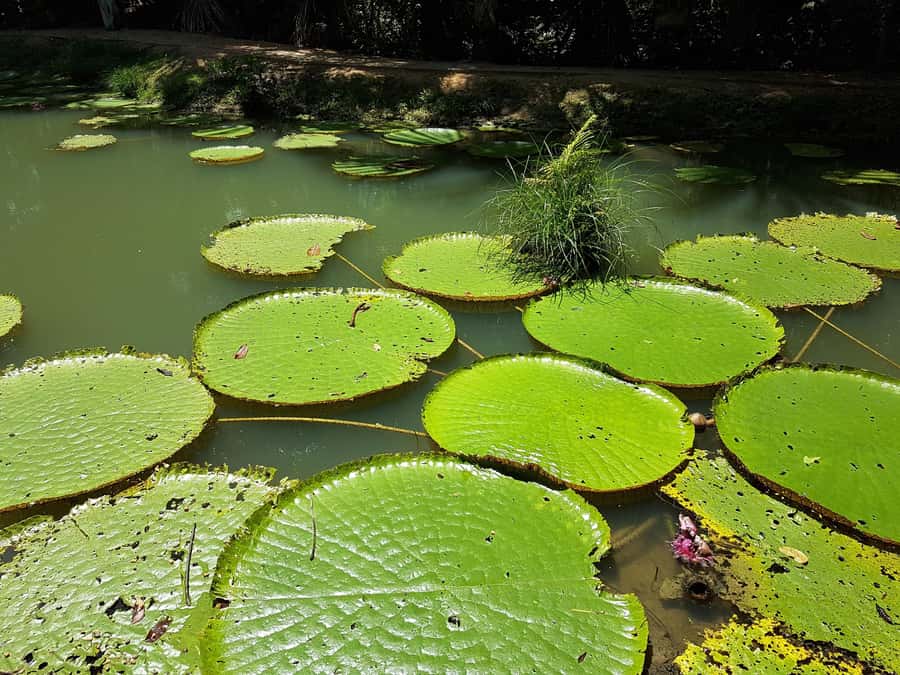
Pickup at your Manaus hotel is included. The first major stop is Janauri Ecological Park, where you take a jungle walk and look for the enormous samauma trees, giant water lilies, and alligators.
The value of this stop is the variety packed into a short outing. Samauma trees show you the scale of mature Amazon growth, while giant water lilies give you a very different view of the floodplain. The walk is also your first chance to learn how plants and waterways shape daily life in the forest.
You need to be able to hike and climb. The exact walking time may change, and one poor account described a planned three-hour jungle walk being cut to about 40 minutes. That is not a small change if the forest walk is one of your main reasons for booking. Confirm the day’s plan with the guide before leaving the boat.
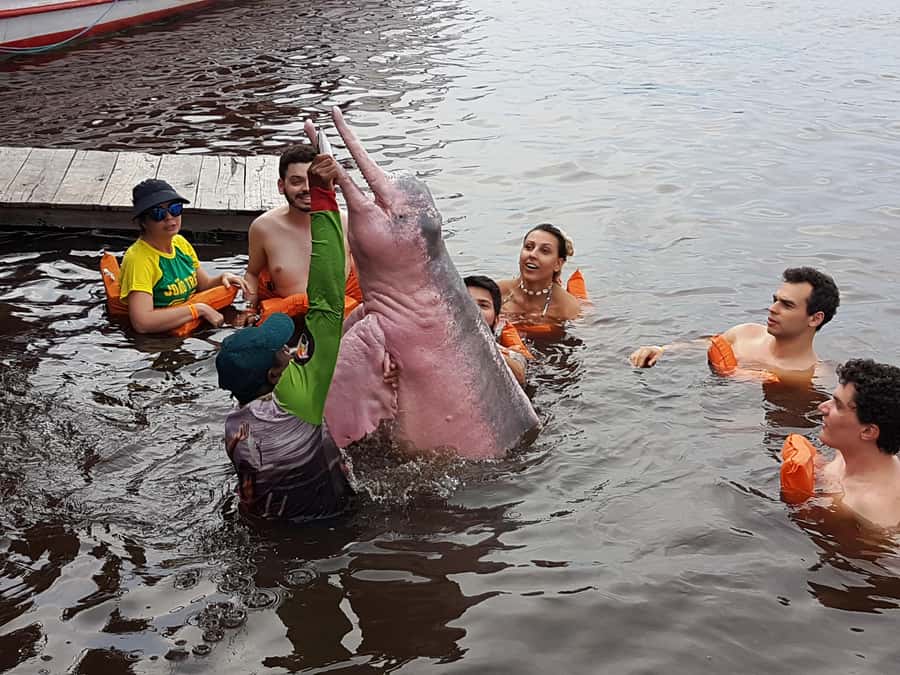
After lunch, the boat continues to Acajatuba Lake. The main attraction here is swimming near pink and grey river dolphins. This is one of the cruise’s strongest selling points, but it is worth keeping your expectations sensible. Wildlife encounters are never fully controlled, and the experience depends on local conditions and the guide’s approach.
Dinner follows the lake stop. Meals are cooked by the local crew, and food is one of the most praised parts of the trip. You will be served typical Amazon dishes rather than a menu designed for international resort tastes. That can be a real pleasure if you enjoy regional food and are happy to eat what the kitchen prepares.
Vegetarian, halal, and kosher dishes are not available. If you have dietary limits, this trip is a poor fit unless the provider confirms a workable arrangement in writing.
Day two: Anavilhanas at sunrise and piranha fishing
The second day begins with a sunrise outing toward the Anavilhanas Archipelago. Early starts are part of river life. The light is softer, the heat is lower, and the forest is active in ways you may not notice later in the day.
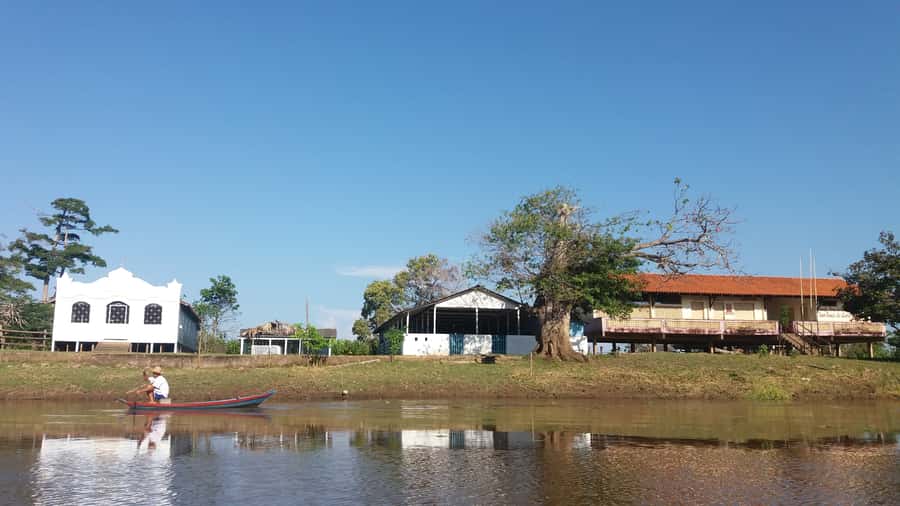
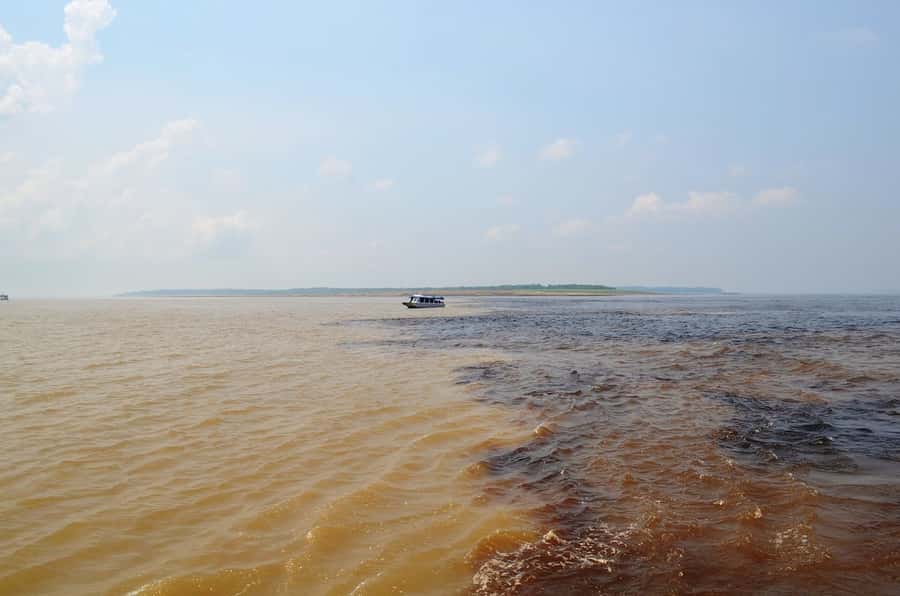
Anavilhanas is a vast collection of river islands and channels. The appeal is not a single monument but the shifting pattern of water, forest, and narrow passages. A canoe outing or boat ride here gives you a more intimate view than simply sailing down the main river.
You also take another hike, then try fishing for piranha and other fish. This is a hands-on activity, and it gives the guide a chance to explain the river’s food chain and local fishing practices. It is also a good reminder that the Amazon is not just a place for sightseeing. The river is a source of food, transport, work, and family life.
After dinner, you go out to look for alligators. Night wildlife outings can be thrilling because the forest sounds change after dark. The activity is included, but the number of animals you see is not guaranteed. Bring patience, keep your voice low, and follow the guide’s instructions around the water.
One serious report described a small motorboat running out of gasoline on the third day, leaving the person to pedal back toward the main boat in strong afternoon sun. That account raises a basic safety question: ask how fuel, communication, and emergency support are managed before departure. You should not need to carry money to solve a fuel problem during an included excursion.
The three-day route: manioc and a late return to Manaus
On the three-day option, the final major visit is to a local family. You see manioc production and tropical fruit trees, then return to Manaus at about 5 PM.
This is one of the most useful parts of the program because it connects the forest to real household work. Manioc is central to Amazon cooking, and seeing how it is produced gives context to the meals served on board. The fruit trees also offer a simple look at what grows in the region beyond the famous rainforest images.
The short itinerary gives you a concentrated introduction rather than a slow river expedition. You get several activities, but the schedule can feel full. If your ideal trip means long quiet hours watching the river, the three-day option may seem rushed. If you want a strong first taste of Amazon wildlife and local culture, it makes better use of limited time.
The return is listed for 5 PM. Build no important evening connection around that time unless you leave a generous buffer. River conditions, activity changes, and crew timing can affect the actual arrival.
A completely different kind of day out around Manaus:
- From Manaus: One-Day Amazon Jungle Experience
★ 4.8 · 408 reviews - Manaus: Full-Day Tour on the Amazon River
★ 4.2 · 362 reviews - From Manaus: Presidente Figueiredo Waterfalls Daytrip
★ 4.3 · 149 reviews - From Manuas: Full-Day River Tour
★ 4.8 · 102 reviews
The four-day route: canoe wildlife and jungle skills
The four-day option adds a day before the final return. You take a canoe outing to look for monkeys and sloths, then learn jungle survival techniques.
The canoe is a useful change of pace after time on the main boat. It can take you into smaller waterways and gives you a better chance to scan branches and river edges. Monkeys and sloths are possible sightings, not guaranteed appearances, so the quality of the guide’s explanations matters as much as the animals themselves.
Survival instruction adds practical value. Rather than only pointing out plants, the guide can show how people move through and live with the forest. The supplied information does not list each technique, so ask what will be covered if this activity is especially important to you.
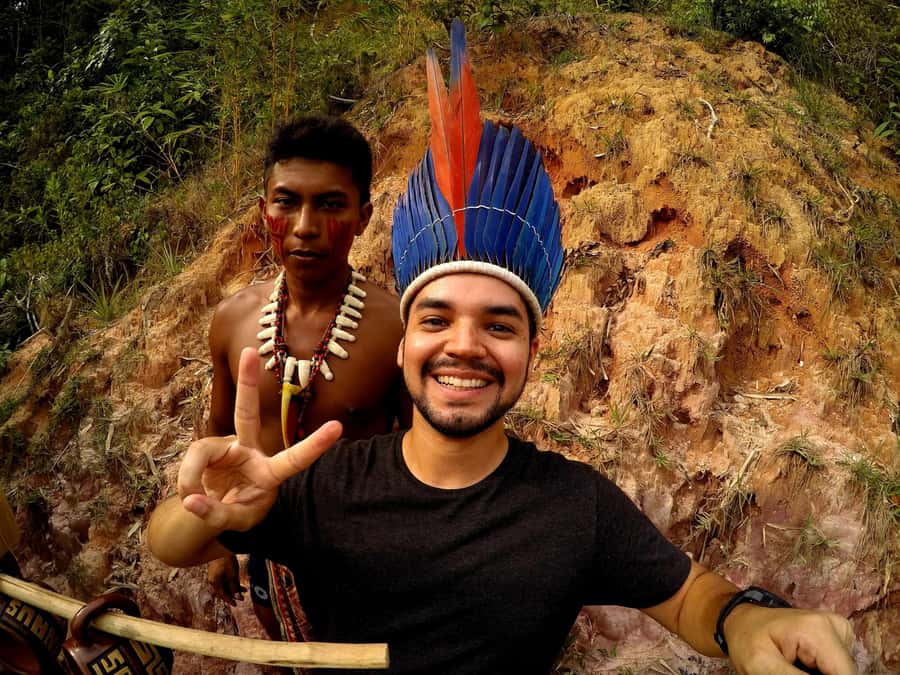
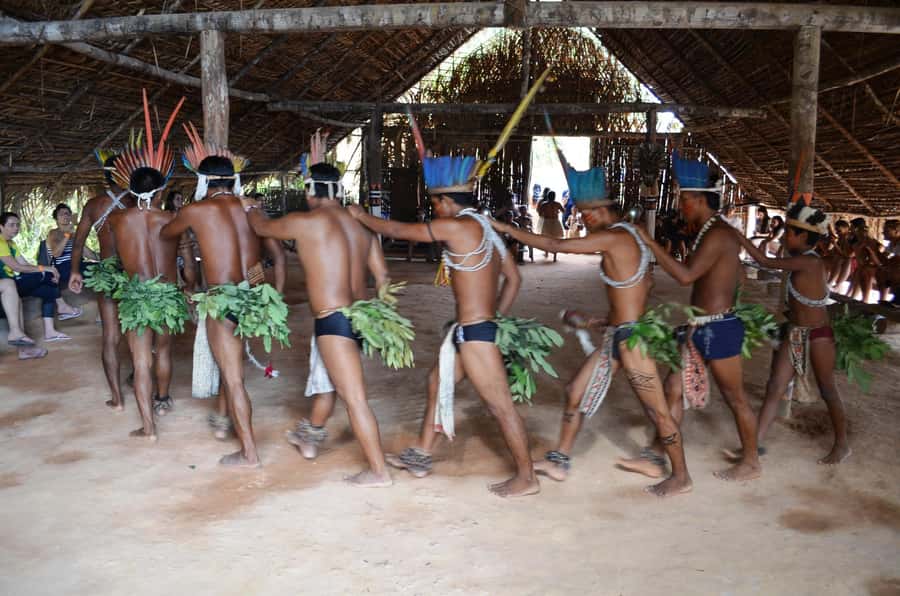
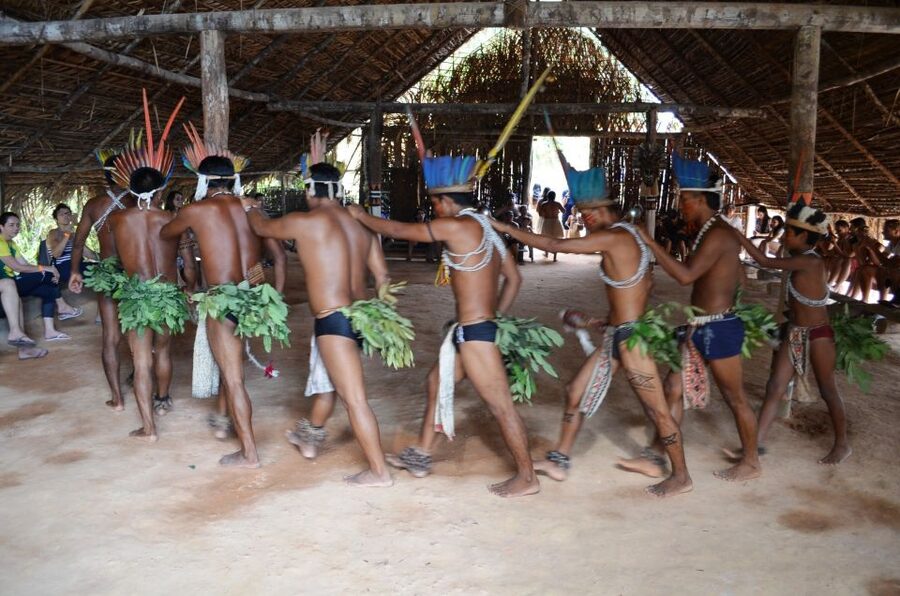
The four-day schedule ends with Tupé Beach and a visit to an Indigenous community. Tupé gives you a change from thick forest and narrow river channels. At the community, you see tribal dances, which can be a memorable cultural encounter if it is presented with care and proper respect.
I would treat this visit as a chance to listen and observe, not as a staged show to consume quickly. The program does not provide enough detail about the community or the length of the visit, so ask how the encounter is organized and whether there is time to learn about daily life as well as watch the dancing.
You return to Manaus at about 5 PM on day four. The extra day gives you more variety, but it also means another night in a hammock or basic cabin and another day without hotel-style facilities.
Sleeping in a hammock changes the whole trip
The hammock option is not a minor detail. It shapes how you sleep, dress, store belongings, and move around the boat.
Hammocks can be tied on the lower or upper deck. Mosquito nets are available to purchase in Manaus for about $5, but the information says they are available to buy, not necessarily included. I would arrange one before boarding rather than assume you can get it later.
The cabin has two twin beds and is the only enclosed sleeping option described. If you choose it, clarify whether the cabin is private, how ventilation works, and what bathroom access is like. The boat has only one cabin, so availability may be limited.
Bring only what you need on board. You are responsible for locking your own documents and valuables. Pack sunscreen, sunglasses, personal hygiene items, camera equipment, and other daily supplies. Soft drinks, fizzy drinks, and alcohol cost extra, while mineral water is included.
You should also prepare for shared space. Hammocks, meals, observation, and movement all happen close together. That can create friendly conversation and a strong sense of place, but it is not suitable if you need quiet, personal room, or predictable hotel routines.
Food, guiding, and the value of the price
At $600 per person, the trip is not cheap by backpacker standards. The price includes hotel transfers, accommodation in the cabin or a hammock, three meals each day, mineral water, excursions, and a bilingual native guide. Across three or four days, that can be fair value if the boat works well and the schedule is delivered.
The food earns especially strong praise. One excellent account credits the cook, captain, and guide with making the trip unforgettable. Another describes the meals as very good and the guide as highly experienced. Typical Amazon cooking is a genuine part of the experience, not just fuel between activities.
The biggest question is consistency. One very poor account describes a boat in bad condition, low hygiene, engine smoke, weak English from the guide, a broken toilet seat, and disorganized timing. Another says activities changed without enough explanation and that a planned jungle walk was sharply shortened. Those are major value problems at this price.
The best advice is to confirm details before you go. Ask for the boat’s current condition, the exact sleeping setup, the guide’s language ability, the expected route, and how schedule changes are communicated. The activity includes Spanish, English, and Portuguese, but individual staff may not speak all three equally well.
Sunset cocktails on the upper deck sound appealing, but drinks are not included. You can buy alcoholic and soft drinks, so budget for them separately. The simple pleasure of sitting above the river at sunset may be one of the trip’s best moments, even without luxury service.
Who will enjoy this Rio Negro trip most?
I would recommend it to you if you want a close, basic Amazon experience and can handle uncertainty. You should be comfortable with hammocks, shared facilities, heat, insects, changing schedules, and physical activity.
It suits people who care more about being on the river than having polished accommodation. It is also a good match if you want several different activities in a short visit: jungle walks, dolphin swimming, piranha fishing, night wildlife, family life, canoeing, and an Indigenous cultural visit.
I would be cautious if you need strict hygiene, reliable air conditioning, private sleeping space, firm meal arrangements, or a carefully timed itinerary. It is also not a good choice if you cannot hike and climb, or if you require vegetarian, halal, or kosher meals without a confirmed solution.
The overall score of 4.2 from 32 ratings reflects that split. Some people describe a superb guide, excellent crew, memorable food, and a life-changing night on the river. Others describe conditions that fell well below an acceptable standard. The natural setting is powerful, but it cannot excuse poor safety or basic maintenance failures.
Should you book the three or four-day cruise?
Book this cruise if you want authentic river life over comfort and are prepared to ask firm questions before departure. The strongest version of the trip gives you an experienced guide, good Amazon cooking, close wildlife encounters, and a rare chance to sleep above the Rio Negro while the forest carries on around you.
Choose three days if you want a compact introduction and prefer to return to Manaus sooner. Choose four days if monkeys, sloths, jungle skills, Tupé Beach, and the Indigenous community matter enough to justify another night on the boat.
I would not book blindly. Get current boat photos, confirm the sleeping arrangement, check the guide’s language, and ask how the operator handles route changes and fuel problems. If those answers are clear, the price can make sense. If the replies are vague, choose a more established Amazon lodge or boat operator instead.
FAQ
How long is the Rio Negro and Anavilhanas cruise?
You can choose a three-day or four-day version. Both begin with pickup at your Manaus hotel and return to Manaus at about 5 PM on the final day.
What is included in the price?
The price includes transfers, accommodation in a cabin or hammock depending on your choice, breakfast, lunch, dinner, mineral water, and excursions with a native bilingual guide.
Where does the boat go?
The route includes Janauri Ecological Park, Acajatuba Lake, the Anavilhanas Archipelago, and other stops. The four-day option also includes Tupé Beach and an Indigenous community.
Can I swim with pink river dolphins?
The first day includes a stop at Acajatuba Lake to swim with pink and grey river dolphins. Wildlife encounters depend on natural conditions.
Do I sleep in a cabin or hammock?
You can choose accommodation in the cabin or a hammock, depending on the available option. The boat has one cabin with two twin beds and space for hammocks on the boat.
Are mosquito nets included?
Mosquito nets are available to purchase in Manaus for about $5. The supplied information does not state that they are included in the price.
Are meals suitable for special diets?
Vegetarian, halal, and kosher dishes are not available. Typical Amazon meals, breakfast, lunch, dinner, and mineral water are included.
Which languages are available?
The activity is offered with live guidance in Spanish, English, and Portuguese. Individual crew members may not speak every language equally well.
What should I bring?
Bring personal goods, a camera, sunscreen, sunglasses, and hygiene items. You are responsible for securing your own documents and valuables. Alcoholic drinks, soft drinks, and fizzy drinks are available for purchase but are not included.
Just added around Manaus
- Manaus: Folklore Amazonian Dinner Show★ 3.3 · 3 reviews
- Manaus : Visit to MUSA (Amazon Museum)★ 3.0 · 4 reviews
- Manaus : A day of fishing on the Rio Negro★ 4.5 · 4 reviews
- Manaus: City Tour★ 3.5 · 4 reviews
- Manaus: Amazon Rainforest Panoramic Airplane Flight★ 4.4 · 5 reviews
- Amazon Jungle 3-Hour Tree Climbing Activity★ 4.6 · 6 reviews
- Manaus: Multi-Day Amazon Survival Trip with Camping★ 4.7 · 6 reviews
- Amazon Safari® Manaus: Day trip on the Amazon River★ 3.8 · 9 reviews
Cruises & Boat Tours, compared.
Arraial do Cabo Day Trip from Rio de Janeiro: Boat Tour & Beach
Read our review →
From Foz do Iguazu: Brazil Iguazu Falls & Macuco Safari Boat
Read our review →
Browse the lists this tour appears in