

Reviewed · MARACANA STADIUM TOURS
Rio: Maracanã Stadium Official Entrance Ticket
Football history comes alive here. This 40-minute visit lets you walk through the players’ tunnel, sit near the dugout, and reach the edge of the pitch at one of the world’s best-known stadiums. I especially like the behind-the-scenes access and the museum’s shirts, trophies, and memorabilia from Brazil’s great football years. The main drawback is simple: this is mostly a self-guided visit, not a detailed guided tour.
You’ll see the changing rooms, warm-up area, press conference room, pitch-side space, and selected seating areas. At $24 per person, it is fair value for a football fan, though you may find the visit brief if you expect a full stadium tour with a guide and extensive historical commentary.
In This Review
- Key things to know before you go
- Why Maracanã matters in Rio
- Finding Gate A without the usual confusion
- The museum sets the tone
- Changing rooms and the warm-up room
- Walking the tunnel toward the pitch
- Dugout seats and the press conference room
- A self-guided route, not a full guided tour
- How long should you allow?
- Is $24 good value?
- Who will enjoy Maracanã most?
- Practical advice for a better visit
- Should you book this Maracanã visit?
- FAQ
- How long does the Maracanã Stadium visit last?
- What does the ticket include?
- Is this a guided tour?
- Where do I enter the stadium?
- Can I visit on a match day?
- Is the stadium visit wheelchair accessible?
- Are photographs and food included?
Key things to know before you go
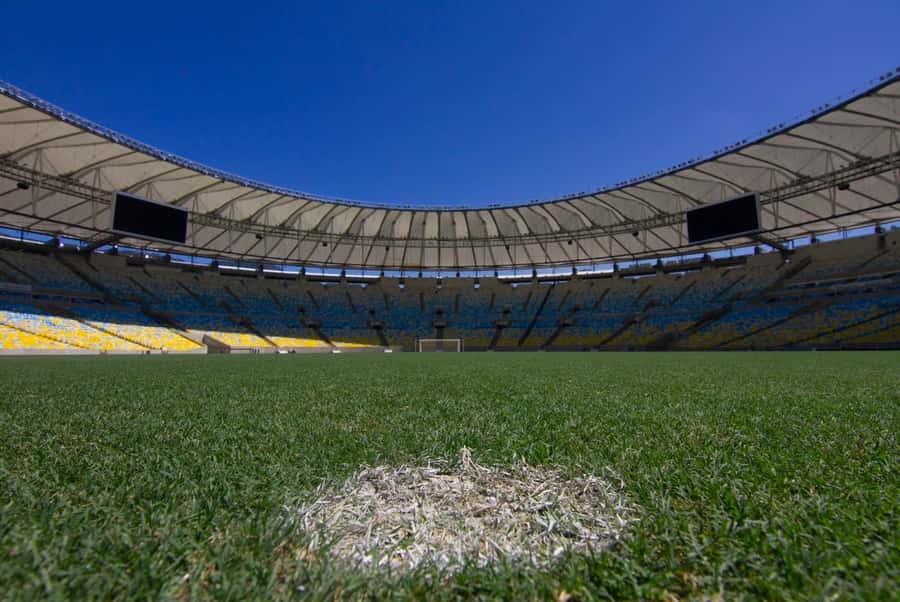
- The players’ tunnel is the star moment: Walk toward the pitch as you imagine the roar of almost 80,000 supporters.
- The visit takes about 40 minutes: You move at your own pace through marked areas, so football fans may want extra time for photos and displays.
- It is not normally a guided tour: There is usually a short introduction, followed by a free-flowing route through the stadium.
- Gate A is the practical meeting point: Go to the pedestrian entrance at Gate A, near the UERJ ramp, then follow the tour entrance around to the right.
- Match days change the schedule: The final visit ends three hours before the gates open, although an earlier closing time may sometimes occur.
- Extra photos and activities cost more: Professional photos and a football shooting simulator are available for an added charge.
Why Maracanã matters in Rio
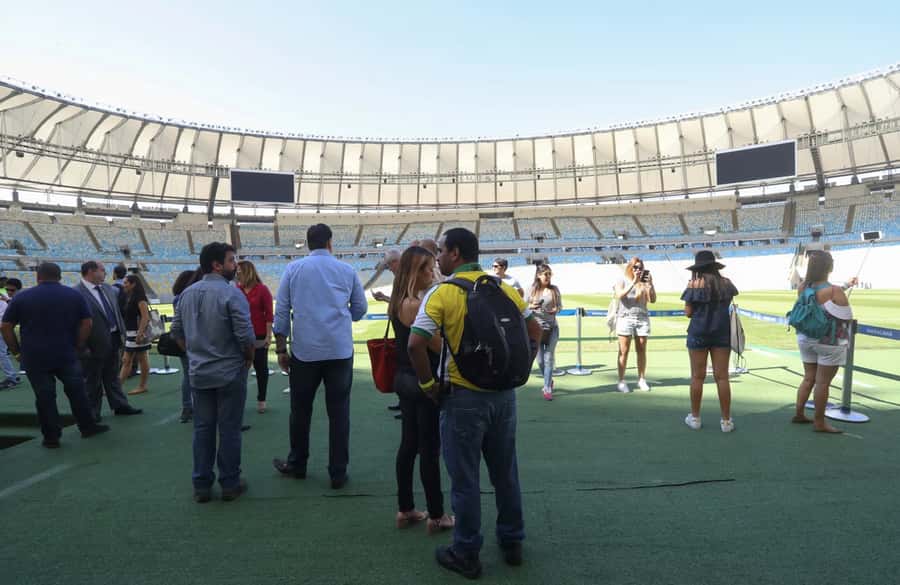
Maracanã is more than a football ground. Built in 1950, it hosted the 1950 World Cup and later welcomed matches during the 2014 World Cup. The stadium also hosted the 2013 Confederations Cup, the opening and closing ceremonies of the 2007 Pan American Games, and the Olympic and Paralympic Games in 2016.
That list gives the visit its weight. You are not simply looking at rows of seats and a patch of grass. You are walking through a place used for two World Cup finals and major Olympic events.
Football is only part of the story. Madonna, the Rolling Stones, Paul McCartney, and Tina Turner have performed here. Pope John Paul II held mass at Maracanã in 1980 and 1997. If you are not a serious football follower, these events give you another reason to care about the stadium.
The venue has been remodeled several times, so do not expect a perfectly preserved 1950s building. Some areas can look old compared with newer British or European stadiums. That slightly worn character is part of the appeal, but visitors seeking polished modern architecture may find it less impressive.
More Maracana stadium visits:
- Skip the Line Maracana Stadium Entrance Ticket
★ 4.0 · 203 reviews - Maracana Stadium – Behind the Scenes Tour
★ 3.7 · 123 reviews - Rio de Janeiro: Maracanã Stadium Match Ticket with Drink
★ 4.9 · 109 reviews
Finding Gate A without the usual confusion
The official meeting point is Gate A for pedestrians, at Av. Rei Pelé, 2, in the Maracanã area of Rio de Janeiro. It is near the Rampa da UERJ.
Here is the useful version of the directions: go directly to Gate A, rather than searching for a separate street meeting point. After entering, walk all the way down. The tour entrance is around the corner to the right.
This matters because the joining instructions have caused confusion for some visitors. One person described the meeting information as misleading, while another said the instructions were very wrong and nearly caused a missed visit. The safest approach is to show your voucher at the Gate A box office and ask staff to point you toward the stadium tour entrance.
Your voucher arrives separately from the booking confirmation, so check your email before setting out. You can show it on your phone or bring a printed copy.
The visit is wheelchair accessible. Food and drinks are not included, and hotel pickup and drop-off are not part of the ticket, so plan your own way to Maracanã.
The museum sets the tone
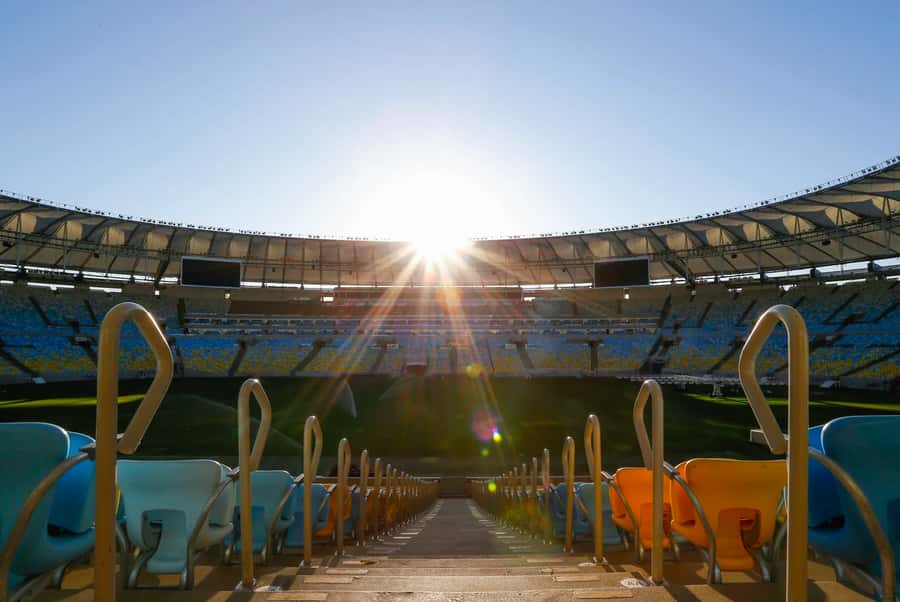
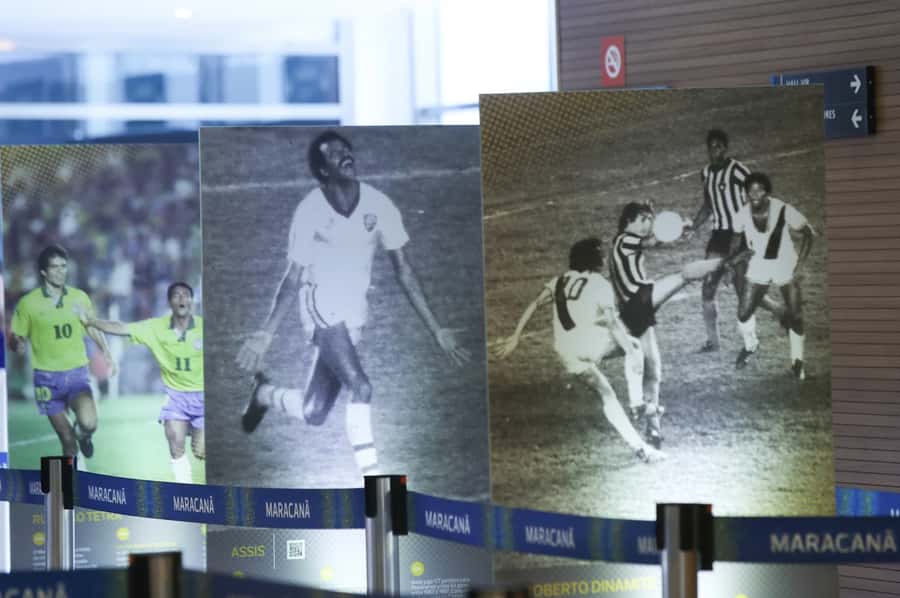
The route begins with displays devoted to Brazilian football. You can expect historic shirts, trophies, photographs, and other objects linked to famous players and major matches.
The museum is not huge, but it gives the stadium context before you reach the playing area. Footprints and memorabilia help connect famous names with the building. For football fans, this may be the most rewarding part because it gives you something to study rather than simply something to photograph.
I would not expect a long museum visit with detailed interpretation at every display. Some visitors feel there is not enough content for the price, especially if they are not already interested in football. Still, the museum helps make the ticket more than a quick look at the seats.
English and Portuguese signs are available in the main route, making it possible to follow the visit without a guide. If you want detailed explanations of Brazilian football, prepare to read the displays and ask staff questions rather than wait for a narrated presentation.
Changing rooms and the warm-up room

The changing rooms give you a small but useful look at the working side of the stadium. This is where the grand image of Maracanã becomes more personal. You can imagine players preparing before a match, dealing with nerves, and waiting for the signal to walk out.
You also visit the warm-up room. It is not as dramatic as the pitch, but it helps complete the behind-the-scenes picture. For families and casual football fans, these rooms provide variety and keep the visit from becoming a simple viewing platform.
The exact setup can depend on stadium operations. This is an active sports venue, and match-day preparations can affect access and timing. Keep that in mind if you are visiting close to a scheduled game.
A few more trips worth weighing up before you book
- Rio de Janeiro: 6-Stop Highlights of Rio with Lunch
★ 4.4 · 5,157 reviews - Christ the Redeemer Entry Ticket by Corcovado Train
★ 4.4 · 4,476 reviews - Rio de Janeiro: Rocinha Favela Walking Tour with Local Guide
★ 4.8 · 3,052 reviews - Rio: Christ the Redeemer, Sugarloaf, Selaron & BBQ Lunch
★ 4.5 · 2,428 reviews
Walking the tunnel toward the pitch

The players’ tunnel is the emotional center of the visit. You walk through the passage used by teams before heading toward the field, then emerge near the pitch.
You will not be in the middle of a match, of course, but the route lets you picture the noise and pressure of the stadium. The thought of nearly 80,000 fans above you does much of the work. This is also the point where even a casual sports follower may understand why Maracanã carries such a strong reputation.
Pitch-side access is another major benefit. You can look across the seating bowl, take photographs, and see the stadium from the perspective of the people who play there. A few visitors also mention the chance to take a kick at a goal beside the pitch, though additional football activities may carry a separate charge.
Do not rush this section. The museum can be read at your own pace, but the tunnel and field are the parts you will remember most clearly.
Dugout seats and the press conference room
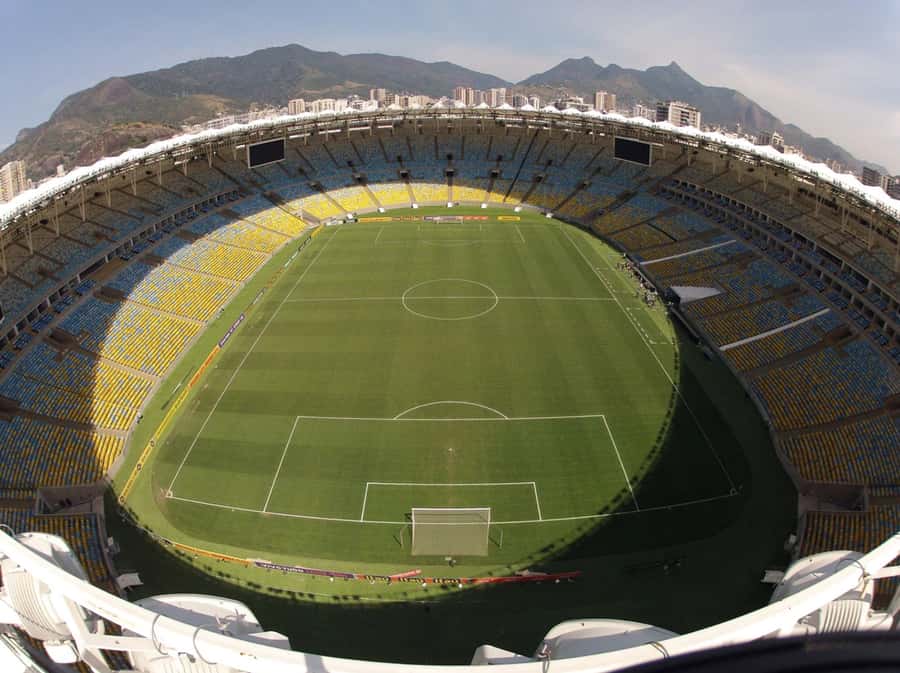
The visit includes access to the dugout area, where you can sit close to the pitch and imagine the tension of a decisive match. Football fans often enjoy this more than the regular spectator seating because it gives a sense of the match from the team’s side.
The press conference room offers a different view of the stadium. Here, the focus shifts from play to the public drama after a major result. You can sit where coaches and players face questions, then picture the excitement after a tournament win or the strain after a defeat.
Together, these spaces give the route a useful rhythm. You move from the museum, to the preparation areas, to the tunnel, pitch, dugout, and media room. The visit is short, but it covers the places most people want to see.
A self-guided route, not a full guided tour

This point deserves clear treatment. The ticket includes access to the stadium and museum, but the usual format is self-guided.
You may receive a short introduction explaining what you can see and do. After that, barriers and signs direct you through the main areas. Staff members are available if you need help, and some visitors have found an English-speaking staff member useful for questions. But you should not expect a guide walking with your group and explaining every part of Maracanã.
I prefer this format when I want to take photos and move at my own pace. You can spend longer with the displays that interest you and move quickly through areas that do not. It also works well for families with different levels of football enthusiasm.
The tradeoff is a lack of storytelling. A guide could explain the 1950 World Cup, the stadium’s changing design, famous Brazilian players, and the emotional importance of major matches. If that background matters to you, read the signs carefully and do some research before arriving.
The route is generally easy to follow, with information in Portuguese and English. Several visitors found that a guide was not necessary because the displays were clear. Others felt a proper guide would have added worthwhile background.
How long should you allow?
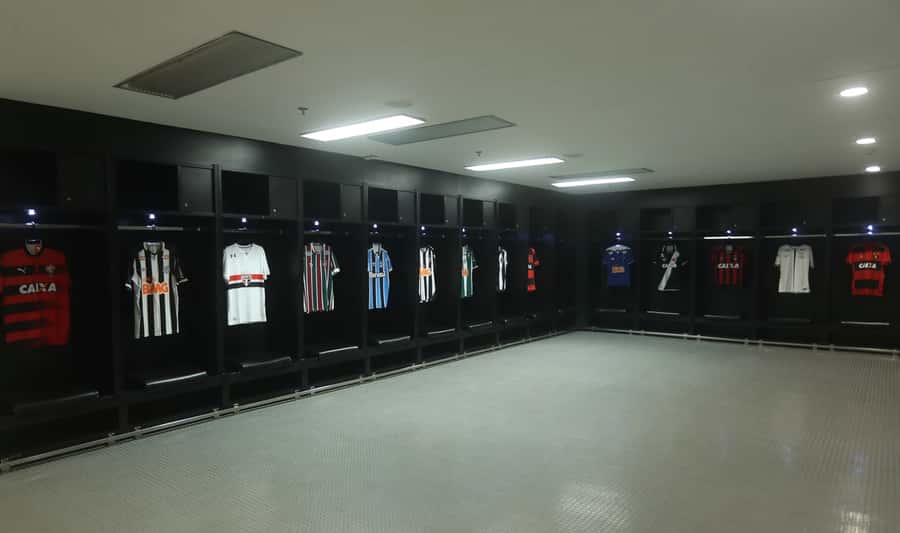
The advertised visit lasts about 40 minutes, and that is enough to see the main sections if you keep moving. You can visit the museum, changing rooms, warm-up room, tunnel, pitch-side area, dugout, seating, and press room within that period.
I would allow extra time if you enjoy football memorabilia or want professional photographs. The route is free flowing, so you are not forced to leave as soon as you finish the main circuit. The stadium also has a busy merchandise shop and a refreshment seating area at the end.
The experience is described as lasting one day because starting times depend on availability, but the actual stadium visit is much shorter. Check the available start times before booking and avoid planning it too close to another fixed activity.
Match days need special care. The final visit is meant to end three hours before the stadium gates open. However, one visitor arrived on a match day and found the tour closing at 11 a.m., leaving only about 40 minutes. That was enough to see the main areas, but the timing felt rushed.
A clever option is to combine the stadium visit with a match if the schedule works. One football fan used the tour as a lower-cost way to see Maracanã and then bought match tickets from the stadium ticket office. Do not rely on this without checking the match schedule, but it can make the day especially worthwhile.
Is $24 good value?
At $24, the ticket is reasonably priced for a famous stadium with museum access and behind-the-scenes areas. The value is strongest if you care about football, major sporting events, or the chance to stand near a historic pitch.
You are paying for access rather than a long guided program. That distinction matters. If you expect a two-hour presentation, extensive exhibits, or a personal guide, the price may feel high for a 40-minute visit.
For a football fan, the calculation is easier. The tunnel, changing rooms, dugout, press room, and pitch-side view are specific experiences that you cannot get from a normal city sightseeing stop. The museum adds useful memorabilia, and the stadium’s record of World Cups, Olympics, concerts, and papal masses gives the building broad appeal.
Budget for optional purchases. Professional photographs and a shooting simulator are offered for additional fees. One visitor paid $21 for photos after paying the admission price, so decide in advance how much you want to spend.
Who will enjoy Maracanã most?
I would recommend this visit first to football fans, especially anyone interested in the World Cup or Brazilian football. Seeing the place connected with the 1950 and 2014 tournaments gives the visit real meaning, and sitting near the area where famous matches unfolded can be a powerful moment.
It also suits casual sports fans who want a short, easy activity in Rio. You do not need to know every player or tournament to enjoy the tunnel, pitch, changing rooms, and scale of the stadium.
Families may appreciate the flexible route. Children can look at shirts and trophies, sit in the dugout, and see the field without committing to a long lecture. The optional goal-kicking activity may add fun, though it costs extra.
I would be more cautious if you dislike football, want detailed architecture, or need a long cultural program. The museum is focused on Brazilian football, and the visit does not promise extensive commentary.
Practical advice for a better visit
- Download or save the voucher before leaving for the stadium.
- Go to pedestrian Gate A, not a vague central meeting point.
- Keep your phone ready for the box office staff.
- Check match-day times carefully because access can end earlier than expected.
- Read the museum displays, especially if you want more background than the self-guided route provides.
- Save time for the tunnel and pitch-side areas rather than spending the entire visit in the first exhibits.
- Treat photos and simulator sessions as optional extras, not part of the $24 ticket.
- If you hope to attend a match too, check the fixture and stadium access rules before making plans.
Cancellation is flexible, with a full refund available when you cancel at least 24 hours in advance. If the stadium changes the visit day or time, contact the activity provider to choose another available time or request a refund.
Should you book this Maracanã visit?
Book it if you want to walk through a famous football stadium rather than only see it from outside. The tunnel, pitch-side access, changing rooms, dugout, press room, and museum make the $24 worthwhile for most football fans.
Go with realistic expectations. This is a self-guided stadium entrance, usually lasting around 40 minutes, not a long narrated tour. If you arrive at Gate A, check the match-day schedule, and allow time for the museum and photos, you should get a memorable look at one of Rio’s most important sporting places.
FAQ
How long does the Maracanã Stadium visit last?
The visit itself lasts about 40 minutes. You can move at your own pace through the museum and stadium areas, and you may spend extra time on photographs or optional activities.
What does the ticket include?
The ticket includes stadium access, museum admission, and behind-the-scenes access to areas such as the changing rooms, players’ tunnel, pitch-side space, dugout, and press conference room.
Is this a guided tour?
It is mainly a self-guided visit. There may be a short introduction, and staff can help with questions, but you should not expect a guide to lead you through the entire route.
Where do I enter the stadium?
Go to Gate A for pedestrians, near the Rampa da UERJ, at Av. Rei Pelé, 2, Maracanã, Rio de Janeiro. After entering, walk down to the tour entrance and turn right around the corner.
Can I visit on a match day?
You can visit on a match day, but the final visit is scheduled to end three hours before the stadium gates open. Check the available time carefully because the schedule may change.
Is the stadium visit wheelchair accessible?
Yes, the activity is wheelchair accessible.
Are photographs and food included?
Food and drinks are not included. Professional photographs and some football activities, including a shooting simulator, are available for an additional price.
Just added around Rio de Janeiro
- Pedra Bonita Trail: The easiest trail with a beautiful view of Rio★ 4.6 · 3 reviews
- Rocinha Jeep Tour: A Journey into the Soul of the Favela!★ 3.8 · 3 reviews
- Rio: Private, Custom express, Main Attractions!★ 5.0 · 3 reviews
- Rio: Favela Walking Tour of Rocinha with a Resident Guide★ 4.7 · 3 reviews
- Explore Fernando de Noronha: 7-Hour Ilhatour★ 4.9 · 3 reviews
- Rio: Museum of Tomorrow, Yup Star & Olympic Boulevard★ 3.7 · 3 reviews
- Rio: Best Dive Experience All Inclusive Scuba Diving Package★ 5.0 · 3 reviews
- Rio de Janeiro by Air: 10-Minute Helicopter Tour★ 4.4 · 3 reviews
Maracana Stadium Tours, compared.




Fluminense Football Match at Maracanã with Local Hosts
Read our review →
Maracanã Stadium Live Match Day: Tickets plus transportation
Read our review →
Maracanã Stadium & Christ the Redeemer by Rack Railway
Read our review →
Flamengo Game Experience at the Maracanã Stadium
Read our review →Browse the lists this tour appears in