
Reviewed · IGUAZU FALLS TOURS
From Foz do Iguaçu: Argentinean Falls Tour with Pickup
The Argentine side puts you inside the falls. This eight-hour trip from Foz do Iguaçu takes you across the Tancredo Neves Bridge, handles the tricky border crossing, and gives you time to explore Iguazú National Park on foot. I especially like the close-up Lower Circuit and the way guides help with passports, park transport, and meeting points. The big catch is that your national park ticket, meals, and drinks are extra, and border delays can shorten your time in the park.
I also like the small shuttle format reported by several people, with groups of roughly 11 to 14 rather than a giant coach. Guides such as Junior, Jovani, Miguel, Franklin, Felipe, and Valdomiro earned praise for keeping the day moving while still allowing independent walking. You should, however, confirm the pickup time the day before and bring a passport or ID, since the exact schedule can change.
In This Review
- Five things to know before you go
- Why the Argentine side feels different
- Hotel pickup and the Tancredo Neves Bridge
- The Argentine park entrance and the day’s rhythm
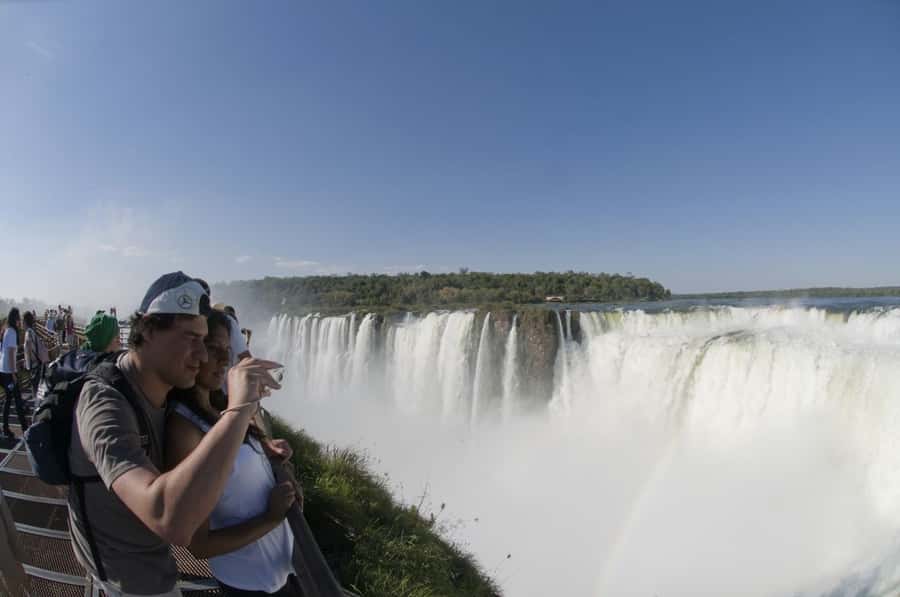
- Devil’s Throat, the loud heart of Iguazu
- Upper Circuit: broad views without the climb
- Lower Circuit: the closest contact with falling water
- What the guide adds to a self-guided visit
- Lunch, park costs, and the real value of US$34
- Can you fit in a boat ride?
- Who should book this Argentine-side day trip?
- Should you book it?
- FAQ
- How long does the tour last?
- Is hotel pickup included?
- What languages are available?
- Is the Iguazú National Park ticket included?
- Are food and drinks included?
- Do I need a passport?
- Which waterfalls and trails are included?
- Does the tour include a boat ride?
- Can border delays affect the day?
- Can I cancel the booking?
Five things to know before you go
- The Argentine side gets you closer: The walkways approach individual cascades and the main Devil’s Throat viewpoint.
- Two walking circuits matter: The Upper Circuit gives broad views, while the Lower Circuit enters the jungle and reaches nearer the falling water.
- The border crossing is the tour’s main practical benefit: Your guide helps with the Brazil and Argentina formalities, and buses may use a priority lane.
- The park ticket is not included: Food and drinks are also on your account, so budget for both.
- Bring a packed lunch and sturdy shoes: Food inside the park can be costly, and you will spend much of the day walking.
- The day is best for a first visit: It covers the major Argentine viewpoints efficiently, but a boat ride may not fit into the schedule.
Why the Argentine side feels different
I think the two sides of Iguazu Falls work best together, but they offer different views. From Brazil, you get the grand, broad picture. From Argentina, you spend more time among the cascades, crossing bridges and paths that lead near the spray.
Iguazú National Park covers more than 55,000 hectares, though the public walkways focus on the waterfall area. The falls stretch about 2.7 kilometers and drop from heights of up to 82 meters. Those numbers are impressive, but the real impact comes from changing viewpoints: one path looks across a wall of water, another brings you beside a smaller cascade, and the Devil’s Throat makes the river seem to vanish into a giant U-shaped cut.
This tour is useful because reaching the Argentine park from Foz do Iguaçu means crossing an international border twice. You leave Brazil, enter Argentina, visit the park, then return through the border system on the way home. You can arrange this yourself, but the transport and paperwork add friction to a day when you would rather be looking at waterfalls.
More ways to see the falls:
- Iguazu Falls: Full-Day Tour of Brazil & Argentina Sides
★ 4.9 · 1,542 reviews - From Foz do Iguazu: Brazil Iguazu Falls & Macuco Safari Boat
★ 4.7 · 358 reviews - Iguassu Waterfalls: 1 Day Tour Brazil and Argentina’s sides
★ 4.9 · 353 reviews
Hotel pickup and the Tancredo Neves Bridge
The day begins with pickup at your Foz do Iguaçu hotel. The exact time is sent one day before departure, so I would not plan a tight breakfast, airport transfer, or other morning appointment around an earlier estimate. You are asked to wait in the hotel lobby 10 minutes before pickup.
The vehicle is generally a smaller shuttle van rather than a huge tour bus. That matters here. A compact group can get through hotel pickups and border procedures with less fuss, though several stops may still make the opening part of the morning slow. One person reported a late pickup change followed by waiting for other passengers, so the schedule is not perfectly fixed.
The border crossing uses the Tancredo Neves Bridge, also called the International Brotherhood Bridge, over the Iguaçu River. The bridge itself is not the reason to book the tour, but the crossing can be. Guides commonly help organize passport checks and explain where you need to go. Some buses can use a priority lane, which may be a major time saver when car and taxi lines are long.
Still, no guide can control customs queues. The tour information warns that waits can sometimes be longer than expected. Carry your passport or accepted ID, and do not assume that the border will take only a few minutes.
One practical point deserves attention: a person on a recent trip was surprised by a cash ecotax at the Argentine border. Since payment rules can change, ask the operator before departure if you should carry Argentine pesos or cash in another accepted form. Having a small reserve is sensible, even though most of your park spending may be handled by card.
The Argentine park entrance and the day’s rhythm
The entrance ticket to Iguazú National Park is not included in the US$34 tour price. That headline price is attractive, but it mainly buys the transport, border assistance, guide service, and hotel return. You should add the park admission before comparing this tour with a self-guided bus or taxi plan.
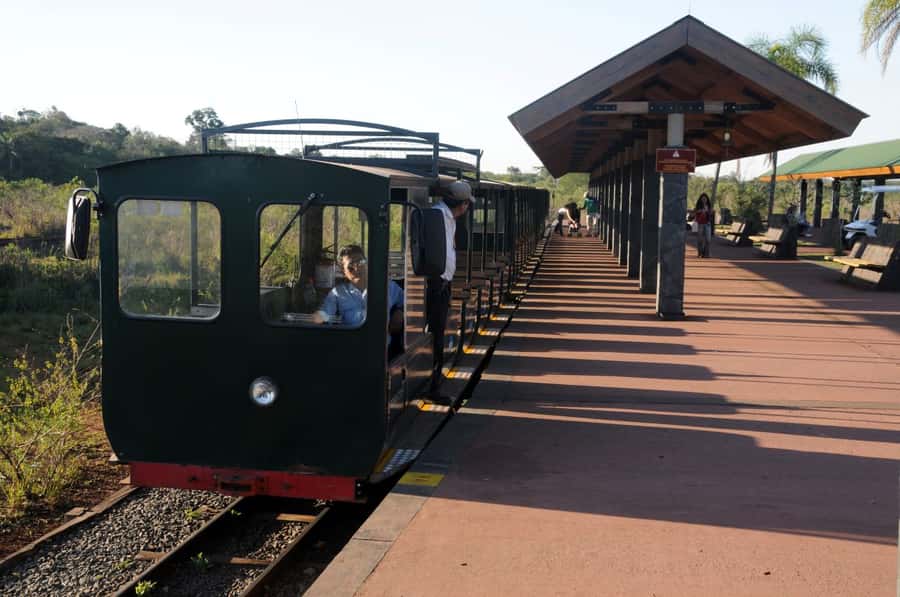
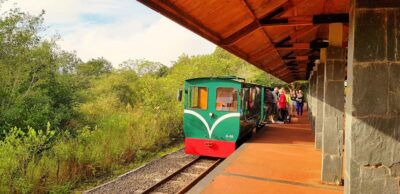
The exact order inside the park can change. A common pattern is to start with the train toward the Devil’s Throat, then walk the Upper and Lower circuits. Another group may reverse that order depending on train capacity, crowds, or the guide’s judgment.
That flexibility is useful. One guide reportedly changed the plan when trains were full, rather than leaving the group stuck in one place. The tradeoff is that you may not receive a minute-by-minute plan at the start of the day. I prefer knowing the main meeting points and the planned return time, then using the gaps to set my own pace.
The park has internal transport and several walking routes. Your guide may accompany you on the trails, point out plants and animals, and explain the falls in Portuguese, English, or Spanish. The strongest part of the service is not a long lecture. It is having someone nearby who knows where to go, how much time each path needs, and how to regroup without losing the day.
Devil’s Throat, the loud heart of Iguazu
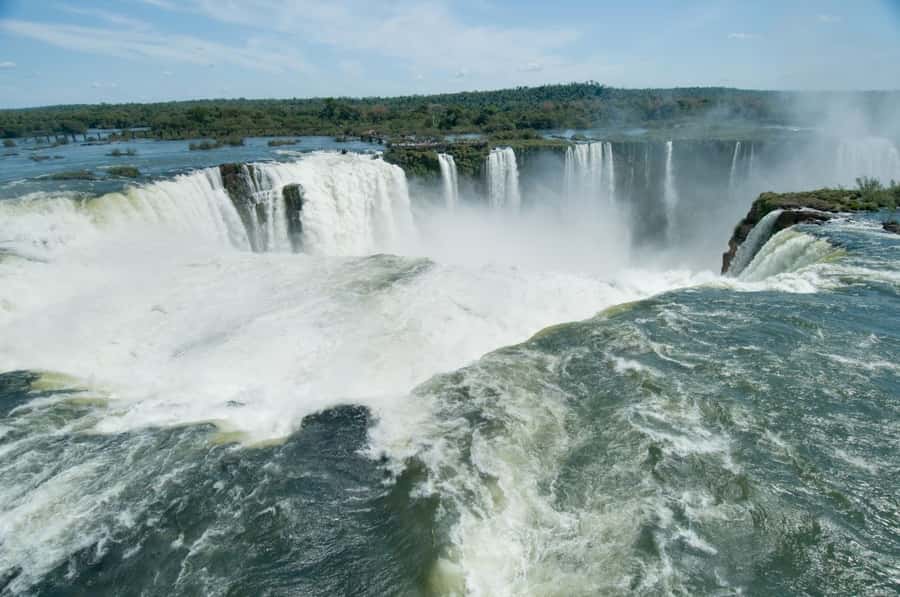
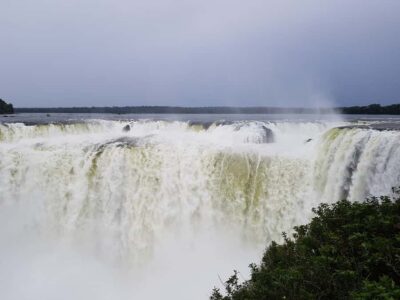
The Devil’s Throat is the signature stop. This U-shaped chasm carries the greatest flow of water in the falls, and the walkway brings you to a privileged view over the drop. You will see water pouring from several directions before disappearing into mist below.
This is the place where weather and river conditions shape the experience most. The spray can be heavy, and visibility may shift from clear to gray in moments. You should protect phones and cameras, but the wet conditions are part of the fun. Comfortable clothing and shoes are specifically recommended, and I would take that advice seriously.
The train ride toward this section is part of the park’s transport system, not a separate scenic railway attraction. It helps you reach the far end of the trails, which is important on an eight-hour day. If the train is full, you may need to wait or adjust the order, so do not treat the schedule as rigid.
A common mistake is to rush through this stop because the Upper and Lower circuits are still ahead. Give yourself time to pause at the railings. The Devil’s Throat is not just another waterfall viewpoint. It shows the scale and force of the whole river system in one concentrated scene.
A few more trips worth weighing up before you book
- From Foz do Iguaçu: Brazilian Side of the Falls with Ticket
★ 4.6 · 346 reviews - From Foz do Iguaçu: Iguazú Falls Boat Ride Argentina
★ 4.9 · 274 reviews - From Foz do Iguaçu: Argentinian Iguazu Falls with Boat Ride
★ 4.5 · 185 reviews - Day Trip to the Argentinian Side of Iguassu Falls from Foz do Iguaçu
★ 4.0 · 177 reviews
Upper Circuit: broad views without the climb
The Upper Circuit is the easier way to see the falls from above. Walkways cross over the river and provide panoramic views of several cascades. You can look back toward the water, across open gaps, and along the broad spread of the falls.
I like this circuit for orientation. It helps you understand how the individual drops fit together before the Lower Circuit brings you closer to them. The views are open and rewarding, though they may feel less intimate than the lower paths.
Time is the key issue. If the group moves slowly at the border or spends a long time waiting for the train, the Upper Circuit may be visited at a quicker pace. One person said the guide covered two routes while the group completed the third independently. That can work well if you want freedom, but ask for the meeting point and departure time before splitting off.
The guide-led structure is fairly light. Several people appreciated being shown the important paths, then allowed to walk at their own speed. This suits you if you want direction without being marched from railing to railing.
Lower Circuit: the closest contact with falling water
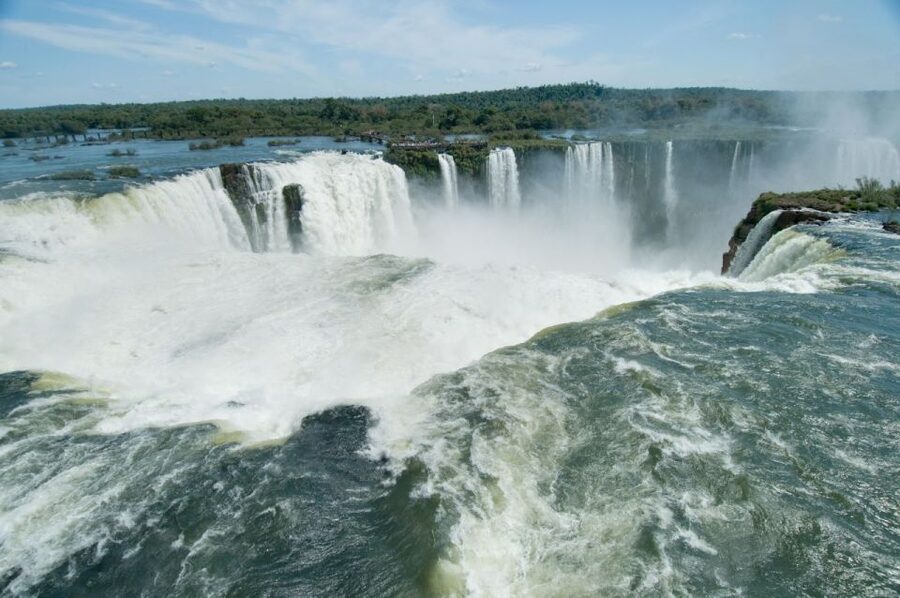
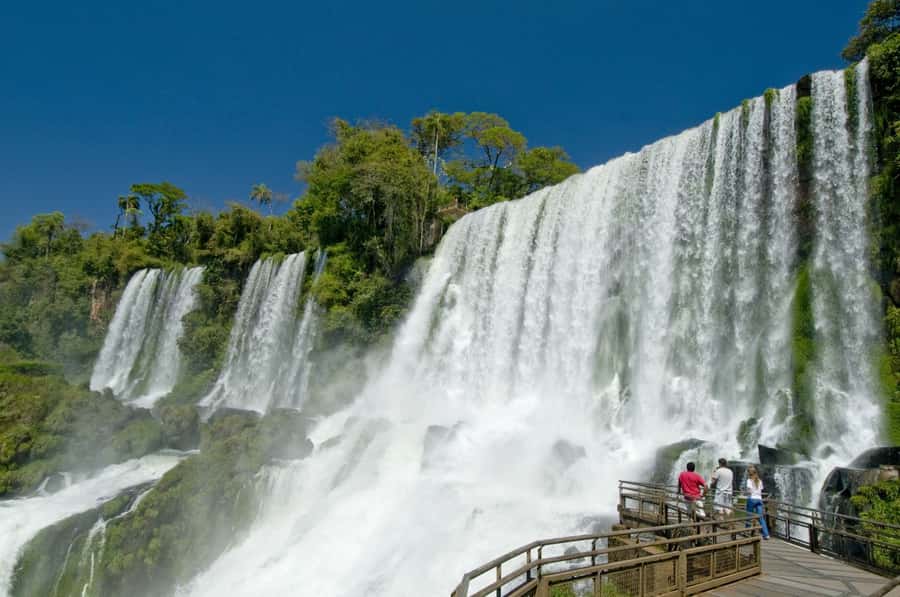
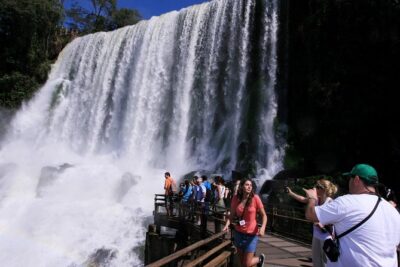
The Lower Circuit is where the Argentine side earns its reputation for proximity. The trail moves through jungle and toward smaller falls, with walkways that bring you close to the spray and roar. You trade some broad views for a more physical sense of the water.
I would save enough energy for this route. The day involves airport-style waiting, border stops, park transport, and a lot of walking, so tired legs are a real possibility by afternoon. Comfortable shoes and light, practical clothing will serve you better than anything stylish.
The Lower Circuit can also be wetter. Keep sensitive electronics protected and expect conditions to change as you pass each cascade. You do not need an elaborate kit, but a waterproof phone pouch or simple plastic bag is useful.
This is also the circuit where pace differences show up. Some people want to stop at every viewpoint; others want to keep moving. The better guides, including Junior and Miguel according to individual feedback, used meeting points rather than forcing everyone to stay shoulder to shoulder. If you walk quickly, ask whether you can go ahead and meet the group later.
What the guide adds to a self-guided visit
The most praised part of this outing is the guide’s practical help. Crossing into another country, buying or confirming park admission, finding the internal train, and returning to Brazil can feel like too many small jobs in one day. A guide takes care of much of that mental load.
The best guides also balance help with freedom. Junior was praised for being friendly, present, and not intrusive. Another guide explained local flora and fauna and adjusted the pace for an older parent. Those details matter more than a rehearsed speech. You want someone who notices when a person needs extra time and still keeps the group on schedule.
Language coverage is another advantage. The service operates in Portuguese, English, and Spanish. In a mixed group, the guide may repeat key information in all three languages, which can take time but prevents confusion at borders and meeting points.
There are limits. English quality may vary by guide, and the group can include people with different walking speeds. One person wished the tour had offered a clearer option to leave the group and meet at a fixed return point. Ask about this early if you value independence.
Lunch, park costs, and the real value of US$34
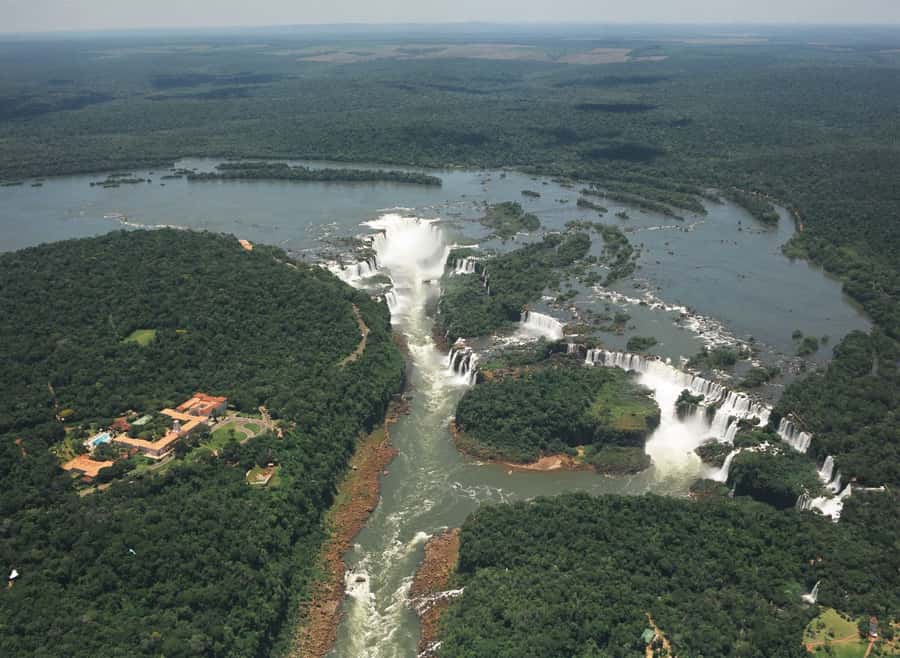
At US$34 per person, this is a strong transport value if you are staying in Foz do Iguaçu and want the Argentine side without arranging every step yourself. The price includes pickup and drop-off, but not the park ticket, meals, or drinks. Once those extras are added, the total cost is higher than the advertised fare.
Food deserves a warning. A buffet inside the park was described as costing around US$32, and the facilities were called expensive and chaotic. Prices and exchange rates can change, but the advice is sound: bring a packed lunch if the operator allows it, and carry water according to current park rules.
Use a card where accepted if that is practical for you. One person reported poor exchange rates in the park and advised against roadside currency exchange. Another praised a stop to get pesos before entering Argentina, so currency planning may be handled differently depending on the group.
The tour is not a meal package. Lunch timing may be arranged during the park visit, but you should ask the guide where it fits. Bringing provisions gives you more control and protects your time for the waterfalls.
Can you fit in a boat ride?
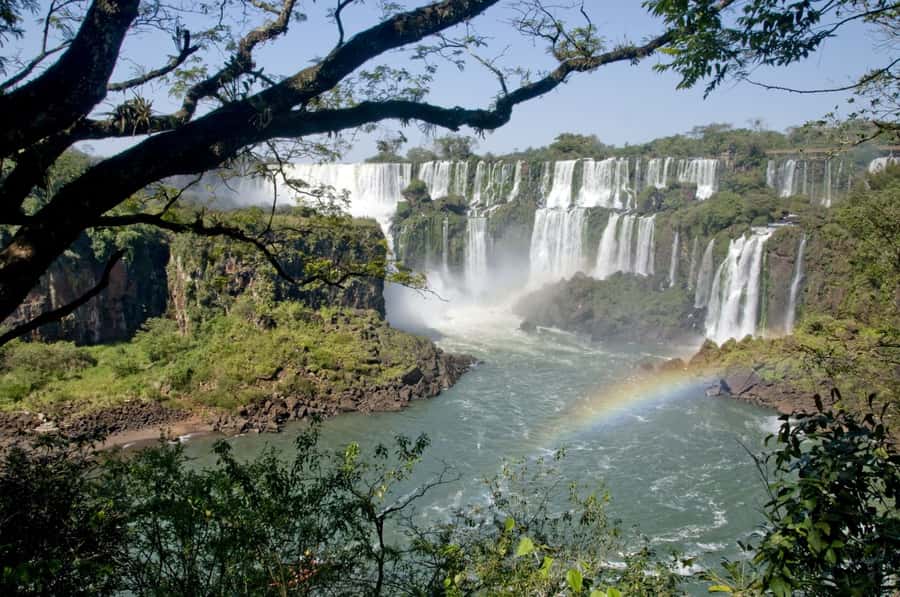
This is the most important limitation for anyone chasing a full adventure day. The walking circuits and Devil’s Throat already fill much of the available time. One person calculated that the boat ride required about two hours and 40 minutes, leaving too little time to combine it with all the main trails.
Do not book this outing assuming you can comfortably add the boat experience. The provided highlights focus on walking routes and waterfall viewpoints, not a boat ride. If getting under the falls is your top goal, ask the operator before paying, since the schedule may not support it.
For most people, the walking plan is enough for a first Argentine-side visit. You will see the major sections, get close to the water, and avoid spending the whole day waiting for transport.
Who should book this Argentine-side day trip?
I would choose this tour if you are based in Foz do Iguaçu, have one day for Argentina, and want border help. It is especially useful for a first visit, for anyone uncomfortable arranging international transport, and for people who prefer a guide nearby but do not want a rigid group march.
It also suits families and mixed-age groups if you discuss walking pace in advance. The guide service has handled older visitors well, but the park still involves substantial walking and wet paths.
I would think twice if you want a completely private day, a guaranteed long lunch, or enough time for every trail plus a boat ride. A self-arranged visit may give you more control, though you will take on the border, transport, and timing yourself.
Cancellation is flexible up to 24 hours before departure for a full refund, and you can reserve now and pay later. The exact pickup time arrives one day before, so keep the morning open.
Should you book it?
Book it if the border crossing is your main worry. At US$34 before park admission and food, the tour offers very good practical value, particularly when a smaller van and an experienced guide save time. The Argentine falls are close, powerful, and worth seeing even if you already visited the Brazilian side.
Bring your passport, comfortable shoes, a packed lunch, payment options, and protection for electronics. Ask about the ecotax, the park ticket, the return meeting point, and whether you can walk independently. If you accept a flexible schedule and skip the boat ride, this is a smart, efficient way to experience the Argentine side.
FAQ
How long does the tour last?
The stated duration is eight hours, including hotel pickup, the border crossing, time in Iguazú National Park, and the return to Foz do Iguaçu.
Is hotel pickup included?
Yes. Hotel pickup and drop-off in Foz do Iguaçu are included. The exact pickup time is provided one day before the tour, and you should wait in the lobby 10 minutes early.
What languages are available?
The live guide service is available in Portuguese, English, and Spanish.
Is the Iguazú National Park ticket included?
No. The national park admission ticket is not included in the tour price.
Are food and drinks included?
No. You pay separately for food and drinks. Bringing a packed lunch may help control costs inside the park.
Do I need a passport?
You must bring a passport or ID card because the tour crosses the border between Brazil and Argentina. Check that your document meets the entry requirements for both countries before departure.
Which waterfalls and trails are included?
The visit includes access to the Upper Circuit, Lower Circuit, and a privileged viewpoint of Devil’s Throat. The itinerary may also use the park train to reach the Devil’s Throat area.
Does the tour include a boat ride?
A boat ride is not listed as an included feature. The available time may not be enough to combine the boat ride with all the main trails.
Can border delays affect the day?
Yes. Customs waits can sometimes be longer than expected and are outside the tour operator’s control.
Can I cancel the booking?
Yes. You can cancel up to 24 hours before departure for a full refund. The reserve-now, pay-later option is also available.
Just added around Foz do Iguacu
- Foz do Iguacu: Skydiving Experience with Photos and Videos★ 5.0 · 3 reviews
- Brazilian Falls & Macuco Safari: transfer with ticket★ 3.7 · 3 reviews
- Iguazu Falls: Brazil & Argentina in One Day (Private)★ 4.4 · 3 reviews
- Iguassu Falls: Private Tour Argentina side★ 5.0 · 3 reviews
- Foz do Iguaçu: Itaipu Hydroelectric Dam★ 4.3 · 4 reviews
- from Foz do Iguaçu: Private Tour on Argentinean Falls★ 5.0 · 5 reviews
- Rafain Palace: Barbecue Dinner Show★ 4.3 · 5 reviews
- Foz do Iguaçu: Brazilian Side of the Falls★ 4.1 · 5 reviews
Iguazu Falls Tours, compared.

From Foz do Iguazu: Brazil Iguazu Falls & Macuco Safari Boat
Read our review →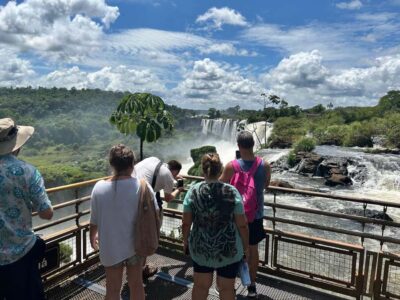
Iguassu Waterfalls: 1 Day Tour Brazil and Argentina’s sides
Read our review →
Day Trip to the Argentinian Side of Iguassu Falls from Foz do Iguaçu
Read our review →
Itaipu Dam Tour with Admission Ticket from Foz do Iguaçu
Read our review →Browse the lists this tour appears in