
Reviewed · 1-DAY TOURS
Belém: Marajó Island Day Trip with Buffalo Farm Visit
Two worlds meet on Marajó Island. This 10-hour trip takes you from Belém across the Pará River to a place known for buffalo, beaches, açaí, ceramics, and a slower rural way of life. I like the chance to see an unusual side of northern Brazil, and I like that hotel pickup, regional boat transport, and a guide are bundled into the $160 price.
The strongest parts are the boat ride and the chance to visit either Pesqueiro Beach or Grande Beach, depending on your chosen route. The drawback is value: some departures have not followed every promised stop, and lunch is extra. The long boat journey also makes this a demanding day, especially for anyone who would rather spend more time on the island.
In This Review
- Key points to know before you book
- Why Marajó Island makes a worthwhile day trip
- The boat from Belém: scenery before the island
- Choosing Soure: buffalo, crafts, and Pesqueiro Beach
- Choosing Salvaterra: açaí and Grande Beach
- What the guides add to the day
- The real value of $160
- The long return to Belém
- Who should book this Marajó excursion?
- FAQ
- How long is the Marajó Island day trip?
- Is hotel pickup included from Belém?
- What languages does the guide speak?
- Is lunch included?
- Which beaches can the tour visit?
- What happens at the buffalo farm?
- Can the route change?
- Is the tour suitable for people with mobility impairments?
- Should you book it?
Key points to know before you book
- A two-hour river crossing sets the pace: The journey across the Pará River is a major part of the day, not just a short transfer.
- Soure offers buffalo, crafts, and Pesqueiro Beach: The route is built around Araruna Farm, local handicrafts, and a beach near the meeting point of river and Atlantic waters.
- Salvaterra adds açaí culture and Grande Beach: This option visits a rural buffalo unit, an açaí stop, and the shore of Salvaterra.
- The buffalo visit may be brief: The advertised farm experience has sometimes been reduced to a quick stop, a photo, or a small craft shop.
- Lunch and drinks are not included: Bring money for food and ask in advance if any shared guide expenses will be requested.
- Weather can change the plan: Boat travel and beach time depend on conditions, so keep your schedule flexible.
Why Marajó Island makes a worthwhile day trip
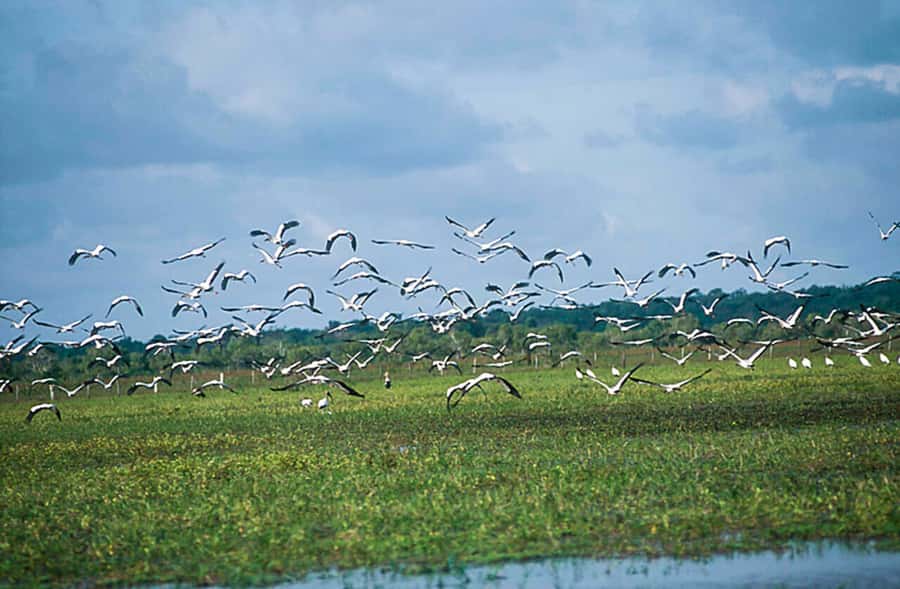
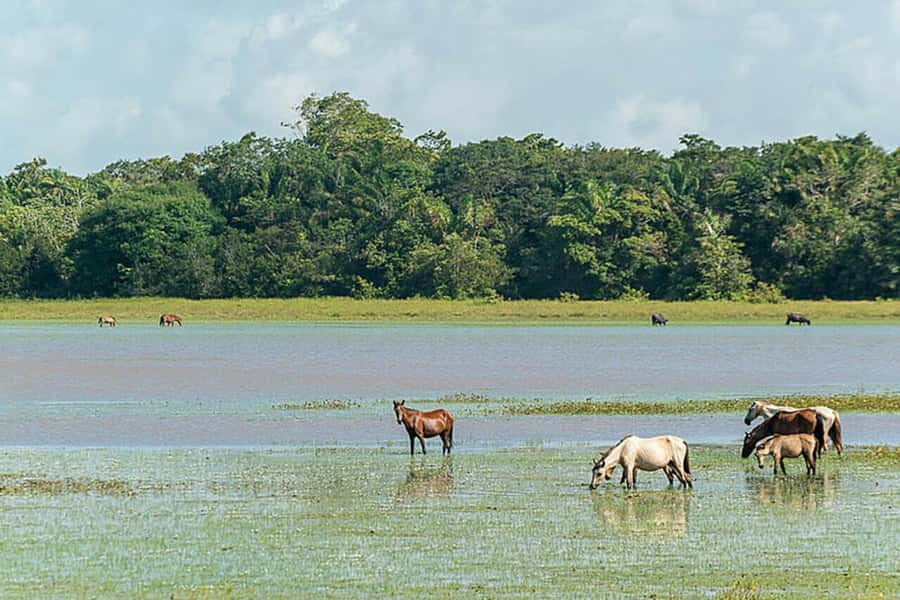
Marajó is not simply another beach stop outside Belém. It is a large island shaped by rivers, wetlands, Atlantic tides, ranching, and local traditions. The trip gives you a quick look at several parts of that culture in one day, though the schedule leaves little room to linger.
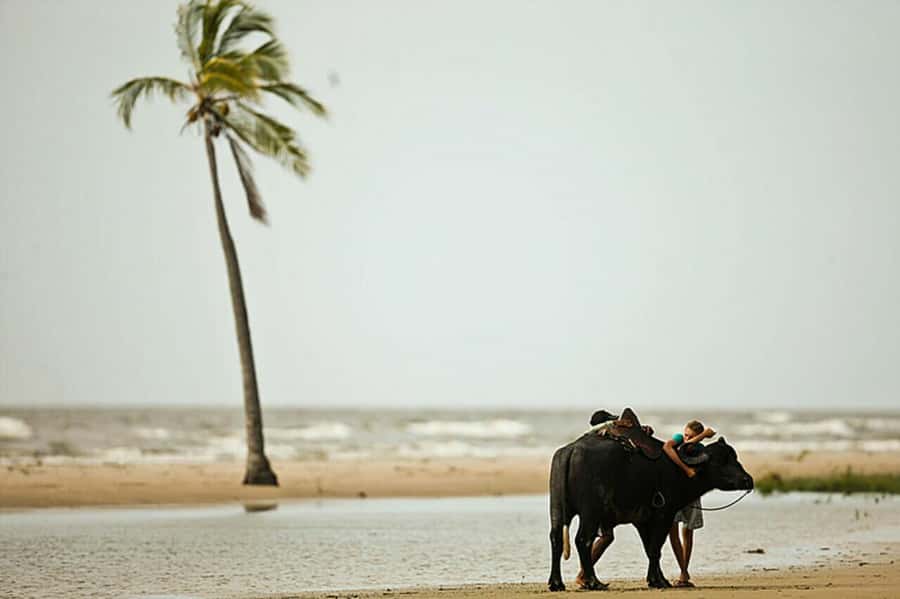
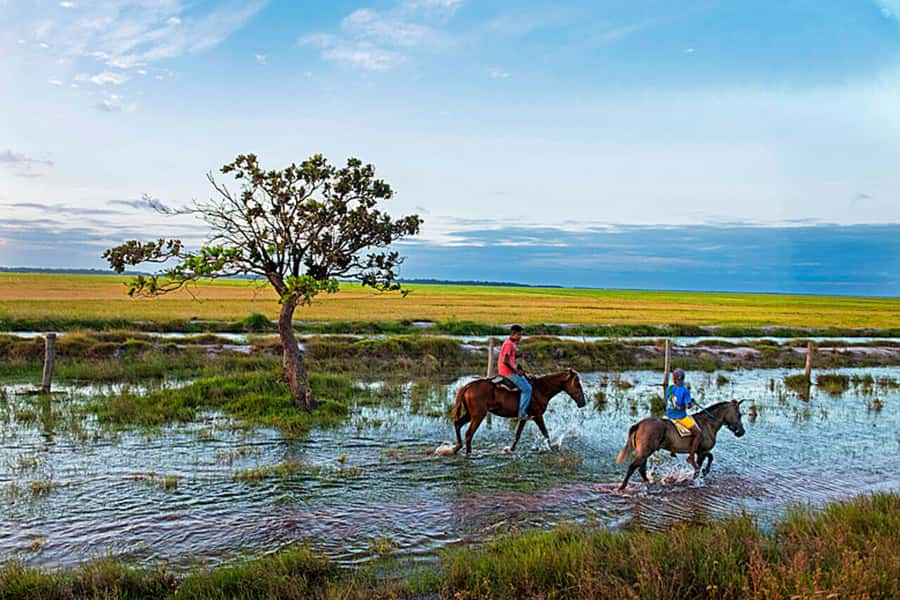
The island is especially known for water buffalo. These animals are part of daily life here, not just a photo opportunity for visitors. They are raised for meat, milk, leather, and cheese, and they have become closely tied to the identity of Marajó. You may even see local police officers riding buffalo during patrols, an unusual detail that helps explain why these animals matter beyond the farm.
I also like the way the excursion connects rural life with food and craft. Açaí is presented as an Amazon fruit rather than just a smoothie ingredient, while buffalo leather and Marajoara ceramics show how local materials and artistic traditions support small businesses.
The catch is that this is a snapshot, not a full island stay. You will see several places, but you may spend more time moving between them than exploring each one at length.
A few more trips worth weighing up before you book
- São Paulo: Holambra Colorful Flower Farm Guided Day Trip
★ 5.0 · 5 reviews
The boat from Belém: scenery before the island
The day begins with pickup from your Belém hotel. You should wait in the lobby 10 minutes before the scheduled time. The driver is expected to hold a sign with your last name, and the stated waiting limit is another 10 minutes after pickup time, so be ready rather than wandering off for breakfast.
The regional boat ride across the Pará River is the first major part of the experience. One account described roughly two hours on the way out and as much as three hours on the return, though the exact timing can vary. That makes the boat comfortable only if you are prepared for a long crossing.
Bring your passport or identity card, as requested, and wear clothing suited to heat and open-air travel. The tour does not include food or drinks, so carry water and budget for meals on Marajó. The provided information does not promise a special boat class, reserved seating, or onboard catering.
For me, the boat is part of the appeal. It gives the island a proper sense of distance. You are not simply stepping from a city van into a tourist site. You are crossing a huge waterway and watching Belém give way to island scenery. Still, if you dislike long boat rides, the day may feel tiring before the main activities even begin.
Choosing Soure: buffalo, crafts, and Pesqueiro Beach
The Soure route arrives at Camará Port before continuing to Araruna Farm. The farm visit is intended to explain buffalo raising and why the animals are important to local people. This should be the most distinctive stop on the route, especially if you want more than a standard beach excursion.
You may learn about buffalo farming and see how the animals connect with food production and rural work. The possibility of seeing buffalo-riding police officers is a memorable local detail, though it should not be treated as a guaranteed scheduled activity.
After the farm, there is a snack break followed by a visit to a ceramics and buffalo leathercraft center. This gives the day a useful human element. You are not only looking at animals and scenery. You are seeing how local skill turns regional materials into objects that can be sold and carried home.
The craft stop also deserves realistic expectations. A short visit may explain how buffalo leather is dyed, but it may not include a full workshop, a long demonstration, or a tasting of Marajó buffalo cheese. One disappointing experience described a tiny shop and a very brief explanation rather than a substantial farm visit. If the buffalo stop is the main reason you are booking, ask the operator exactly what will happen on your date.
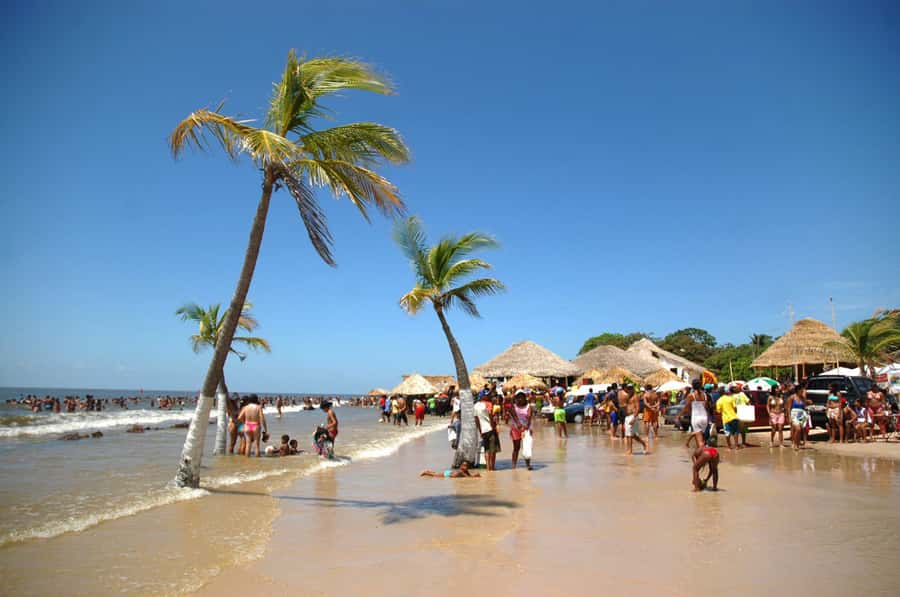
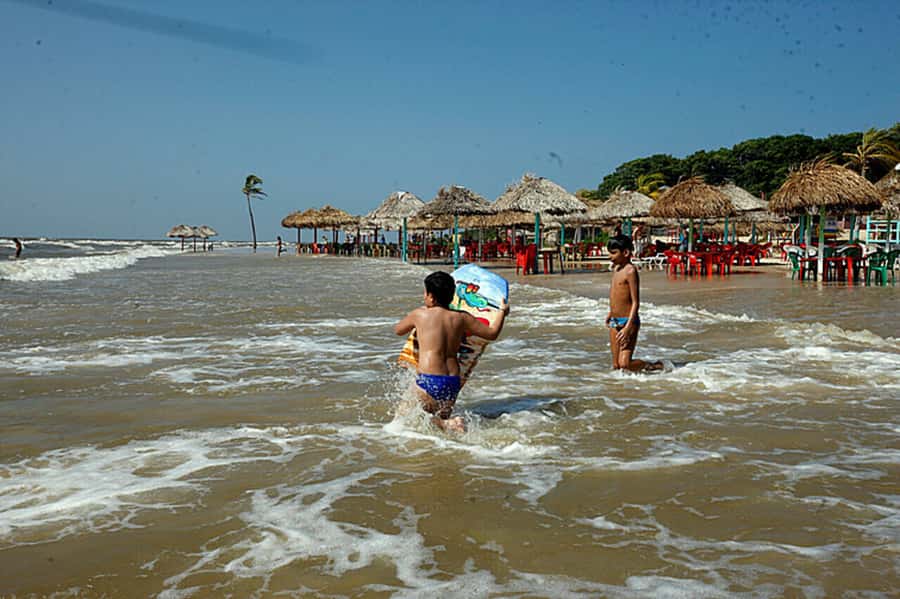
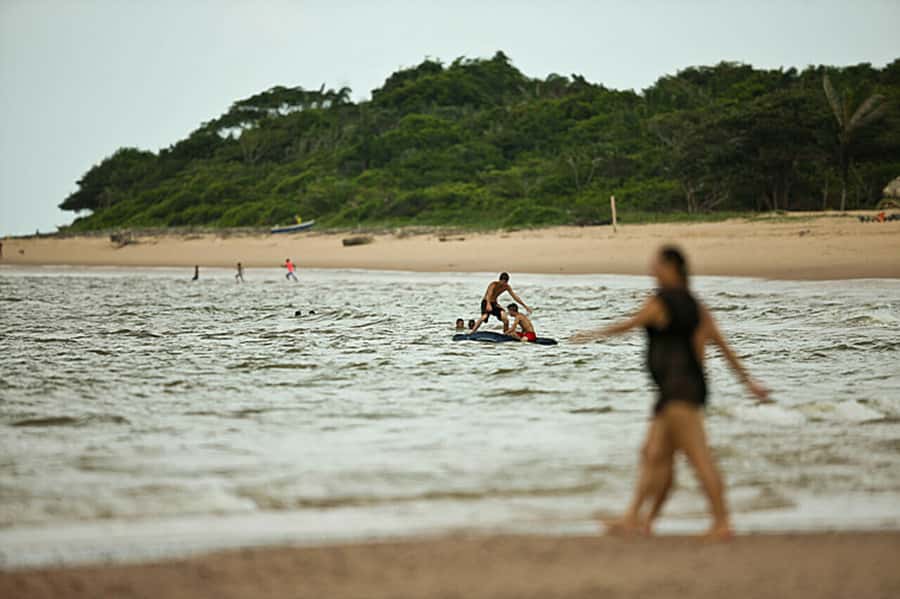
Pesqueiro Beach is the final major stop on this route. It is a good place to slow down after the transport and sightseeing. The beach is known for waves where the Pará River meets the Atlantic, giving the water a character that is different from an ordinary inland riverbank.
You can relax, swim if conditions allow, and buy lunch locally. Food is not included, and the material provided does not name a specific restaurant or set menu. Plan on making your own choice and paying separately.
Choosing Salvaterra: açaí and Grande Beach
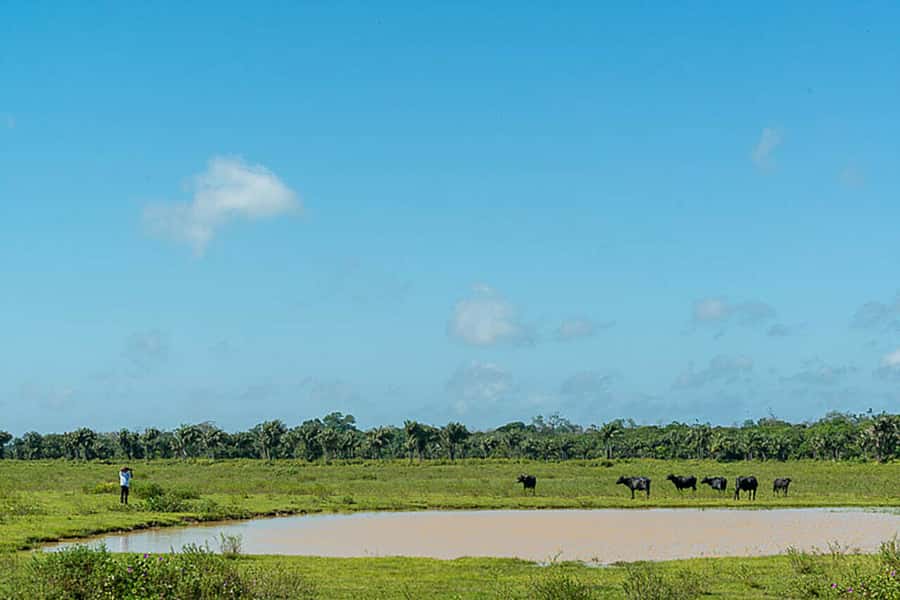
The Salvaterra option follows a different emphasis. After arriving at Salvaterra, you continue to the Rural Tourism Unit Açaí Nativo, known as UTRAN. The purpose is to learn about buffalo raising and breeding, so this route still includes the island’s central animal culture.
The next stop, Toca do Açaí, focuses on the purple Amazon fruit. This is useful if you want to understand açaí in its local setting instead of treating it only as a fashionable breakfast bowl. The stop is described as an introduction to the fruit and its importance, not as a formal cooking class or a full meal.
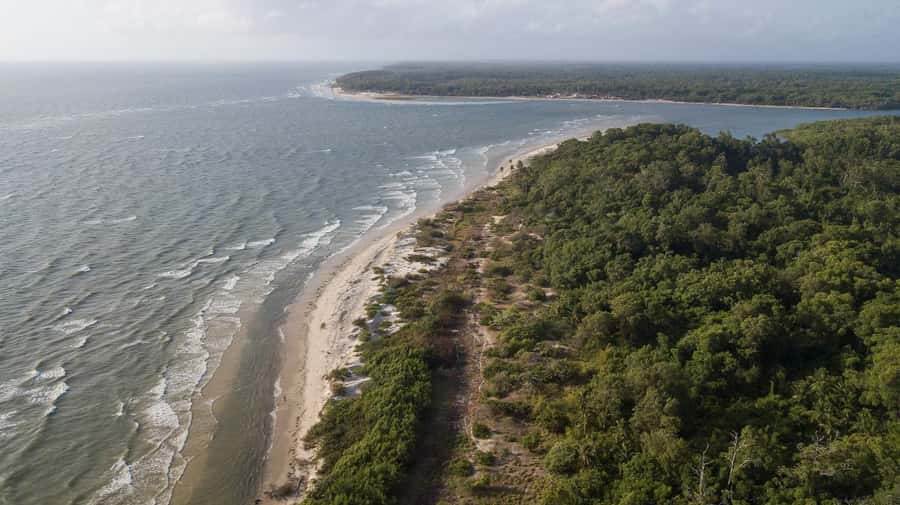
From there, the route continues to the shores of Salvaterra and Grande Beach. The plan is simple: sit on the sand, cool off in the water, and enjoy time by the coast before returning to Belém.
Grande Beach may suit you better than Pesqueiro if beach time is your main goal, but the two routes are not interchangeable. Check the option carefully at booking. The advertised stops have not always been consistent in practice. One departure that was expected to include UTRAN and the açaí shop did not reach either place, while another combined visits around Soure and Salvaterra with Marajoara crafts and the ruins of Joanes.
That inconsistency matters. It does not mean every departure will change, but it does mean you should treat the route as weather and operations dependent. If one exact site is essential, confirm it before paying.
A completely different kind of day out around Brazil:
- Rio de Janeiro: 6-Stop Highlights of Rio with Lunch
★ 4.4 · 5,157 reviews - Christ the Redeemer Entry Ticket by Corcovado Train
★ 4.4 · 4,476 reviews - Rio de Janeiro: Rocinha Favela Walking Tour with Local Guide
★ 4.8 · 3,052 reviews - Rio de Janeiro: Sugarloaf Cable Car Official Ticket
★ 4.6 · 2,873 reviews
What the guides add to the day
A live guide is included, in Portuguese and English. The guide can make a big difference because the day involves several transfers, local transport, and cultural stops. The strongest feedback has focused on friendly guiding, with Thiago in Soure receiving particular praise.
One English-speaking guide also spoke some German, which was useful for a German-speaking visitor. The experience has even operated with only one person in the group, so a small departure is possible. That can make the day feel personal, but it may also mean the exact format depends heavily on the local guide and available transport.
A guide should help you understand what you are seeing, not simply lead you from a boat to a taxi. This is where the tour has produced mixed results. Some departures provided an enjoyable panoramic ride, a buffalo ride, crafts, and beach or restaurant stops. Other departures felt like boat tickets plus a taxi transfer, with little explanation at the sites.
There is also a small cost issue worth clarifying. One person was surprised to help cover the guide’s lunch. Since food and drinks are not included, ask before departure if the guide’s meal is handled separately. It is much easier to budget when that detail is clear.
The real value of $160
At $160 per person, this is not a cheap beach transfer. You are paying for the long river transport, hotel pickup and return, a guide, coordination on Marajó, and access to a set of local stops.
The price can make sense if you have only one day available from Belém and want someone else to organize the complicated pieces. Reaching Marajó independently means arranging boat tickets, island transport, beach plans, and timing on your own. The tour removes much of that work.
The value becomes weaker if the farm, açaí unit, or craft visit is shortened or skipped. The price also feels less attractive because lunch and drinks are extra. A local operator on the island may offer similar transport and taxi arrangements for much less, according to one account, though arranging that option yourself carries its own uncertainty.
I would view the $160 as a convenience fee. You are buying an organized day, not a luxury experience. If you want a careful cultural visit with plenty of time at one farm, this may not deliver enough for the cost. If you want a broad first look at Marajó without spending a night there, the convenience may be worth it.
The long return to Belém
The return journey can take several hours. That is the main practical reason to think seriously about staying overnight on Marajó instead. A day trip gives you a taste, but the schedule can become a race between boat times and island stops.
You should expect a full day that begins early and ends late. A beach stop may feel shorter than you hope because the group needs to return to the port. The boat ride back can also be tiring after heat, swimming, and road transfers.
Weather may alter the route. That is especially important for a trip built around boats and beaches. Rain, river conditions, or other local problems can affect the order of stops or remove part of the plan. Keep the next morning free if possible rather than scheduling an early flight or a tight connection.
The tour is also not suitable for people with mobility impairments. The combination of hotel transfer, boat boarding, island transport, walking, sand, and beach access may be difficult.
Who should book this Marajó excursion?
I think this day trip suits you if you have limited time in Belém, enjoy boat rides, want a first look at buffalo culture, and prefer having transport arranged. It also works well for people who want both cultural stops and beach time instead of spending the whole day in one place.
It is a better fit for flexible visitors than for strict planners. You need to accept that weather can change the route and that the buffalo or açaí stops may not always match the full description.
I would be cautious if you are paying $160 mainly for a guaranteed farm visit. Ask whether you will visit an operating buffalo farm, a craft center, or only a shop with a short explanation. Also ask which beach you will visit, whether the trip includes both Soure and Salvaterra, and how lunch arrangements work.
The most praised qualities are the friendly guides, the chance to learn about Marajó culture, and the scenery of the island and beaches. Those strengths are real. The weak points are the long travel time, inconsistent stop execution, and uncertain value when the cultural visits are abbreviated.
FAQ
How long is the Marajó Island day trip?
The experience lasts about 10 hours. The boat crossing can take a substantial part of the day, with one reported schedule taking about two hours outbound and up to three hours returning.
Is hotel pickup included from Belém?
Yes. Hotel pickup and drop-off in Belém are included. Wait in the hotel lobby 10 minutes before pickup, and look for a driver holding a sign with your last name.
What languages does the guide speak?
Guiding is available in Portuguese and English. One guide was also reported to speak some German.
Is lunch included?
No. Food and drinks are not included. You should budget for lunch at the beach or another local stop and bring money for refreshments.
Which beaches can the tour visit?
The Soure route goes to Pesqueiro Beach. The Salvaterra route goes to Grande Beach. The exact beach depends on the option selected.
What happens at the buffalo farm?
The planned visits explain buffalo raising, breeding, and the animals’ importance to local life. The Soure route names Araruna Farm, while the Salvaterra route names UTRAN. The length and exact nature of the visit can change.
Can the route change?
Yes. Weather may alter the itinerary. The stops can also vary in practice, so confirm the route if a particular farm, açaí center, or beach is important to you.
Is the tour suitable for people with mobility impairments?
No. The experience is listed as unsuitable for people with mobility impairments, likely because of the boat transfers, island transport, walking, and beach conditions.
Should you book it?
Book this tour if you want an organized first taste of Marajó and accept a long day with some flexibility. The river crossing, buffalo culture, local crafts, açaí, and beach time give you a useful introduction to the island.
I would not book it blindly for the buffalo farm alone. Confirm the selected route, the expected farm stop, lunch arrangements, and whether Soure, Salvaterra, or both are included. If you want more time, stronger value, and a slower island experience, staying overnight on Marajó may be the wiser choice.
Just added around Brazil
- Idyllic Islands Private Speedboat Tour in Paraty★ 5.0 · 3 reviews
- Pedra Bonita Trail: The easiest trail with a beautiful view of Rio★ 4.6 · 3 reviews
- Campos do Jordão: Full-Day Private Tour from São Paulo★ 5.0 · 3 reviews
- Itacare: Jeribucaçu Trail and Usina Waterfall★ 4.7 · 3 reviews
- Paraty: Half-Day Bike Rental★ 3.6 · 3 reviews
- Walk to the Big Rock in Cantareira State Park★ 5.0 · 3 reviews
- Rio: Private, Custom express, Main Attractions!★ 5.0 · 3 reviews
- Rocinha Jeep Tour: A Journey into the Soul of the Favela!★ 3.8 · 3 reviews
1-Day Tours, compared.

Arraial do Cabo Day Trip from Rio de Janeiro: Boat Tour & Beach
Read our review →
Iguassu Waterfalls: 1 Day Tour Brazil and Argentina’s sides
Read our review →
Day Trip to the Argentinian Side of Iguassu Falls from Foz do Iguaçu
Read our review →
Browse the lists this tour appears in