
Reviewed · AMAZON RAINFOREST TOURS
8day expedition of scenic beauty and Amazon traditional culture on Tapajós River
Forest, river, and village life meet here. Vivalá’s eight-day expedition from Santarém combines the freshwater beaches of the Tapajós River with forest walks, home-cooked meals, craft workshops, and time in the riverside communities of Maguari and Jamaraquá. It is not a quick sightseeing trip. You spend enough time in one area to learn how local families live and to let the setting work its way into your days.
I like the balance between active outings and unhurried beach time. One day brings a forest trail to the giant Vovó Samaúma tree; another leaves the morning open for swimming and village wandering. I also like the community-based approach, since meals, workshops, performances, and lodging connect your spending with local people.
The main consideration is comfort. You will sail, walk on forest trails, and stay in simple community accommodation rather than a polished city hotel. Drinks cost extra, the schedule includes several long activity blocks, and the final airport transfer is timed for a flight after 2 p.m.
In This Review
- Key things to know before booking
- Your first afternoon in Alter do Chão
- Day 2: Sailing the Tapajós and watching the light change
- Day 3: From Tapajós beaches into the national forest
- Day 4: Meeting Vovó Samaúma
- Day 5: A slower morning, crafts, and Carimbó
- Day 6: Rubber, home cooking, and medicinal plants
- Day 7: Igarapés and a quiet farewell
- Day 8: Returning to Santarém
- What the $1,095.72 price really covers
- Comfort, pace, and the private group format
- The community connection is the real reason to go
- Who should book this Tapajós expedition?
- Should you book it?
- FAQ
- Where does the Tapajós expedition begin?
- Where does the expedition end?
- How long is the experience?
- Are meals included?
- Is this a private tour?
- Is travel insurance included?
Key things to know before booking
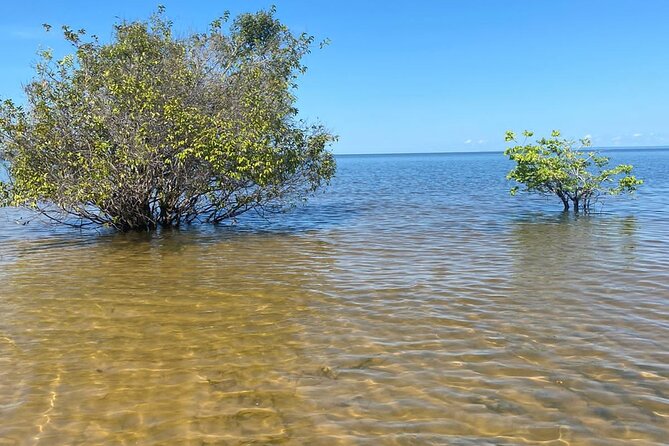
- The Tapajós is the main highway: Boat rides link beaches, forest communities, streams, and sunset stops throughout the week.
- Maguari is your base: You spend several nights inside the Tapajós National Forest, with local meals and activities close at hand.
- The culture is hands-on: You can make crafts, learn about rubber production, study medicinal herbs, and try Carimbó dance.
- The scenery changes with the river: Water levels and the season affect the beaches, routes, and appearance of the region.
- The price includes most meals: Breakfast, six lunches, six dinners, and travel insurance are included in the $1,095.72 rate.
- This is a private experience: Only your own group participates, which gives the trip a more personal feel.
Your first afternoon in Alter do Chão
The trip begins at Ocazum Pousada in Alter do Chão, at R. Seis de Março, 85. The accommodation is a short taxi ride from Santarém Airport, and check-in is available from 2 p.m. You can arrive at any time on the first day, so this opening afternoon works well for a relaxed arrival rather than a rushed excursion.
Alter do Chão is a useful place to get settled. You have time to explore its natural setting, local culture, and food before the boat portion begins. Since no formal activity is scheduled on this first day, you can keep things easy after your flight.
That flexibility is helpful, but it also means the first day is not packed with included sightseeing. If you arrive early, check the transfer and accommodation details before assuming you have a planned activity waiting for you. The stated meeting point is the pousada, not the airport.
More Amazon rainforest trips:
- Rio de Janeiro: Guided Jeep Tour through Tijuca Rainforest
★ 4.3 · 740 reviews - Paraty: Jungle Waterfalls and Cachaça Distillery Jeep Tour
★ 4.7 · 491 reviews - From Manaus: One-Day Amazon Jungle Experience
★ 4.8 · 408 reviews
Day 2: Sailing the Tapajós and watching the light change
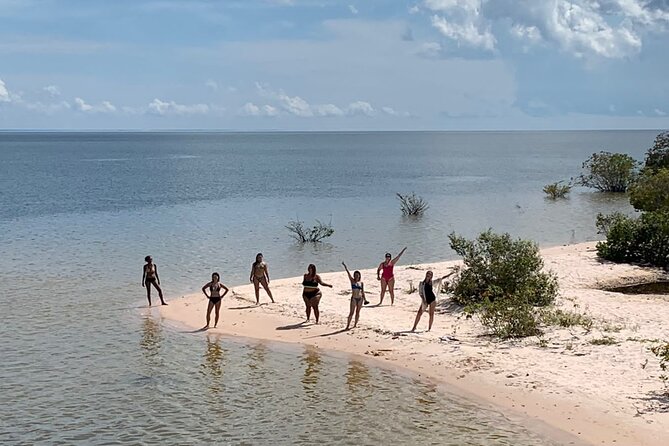
After breakfast, you set out on the Tapajós River. The route passes through beaches and scenery that look different depending on the season and the river level. That detail matters. This is a river expedition, not a fixed photo stop itinerary, so the exact views and landing points can change during the year.
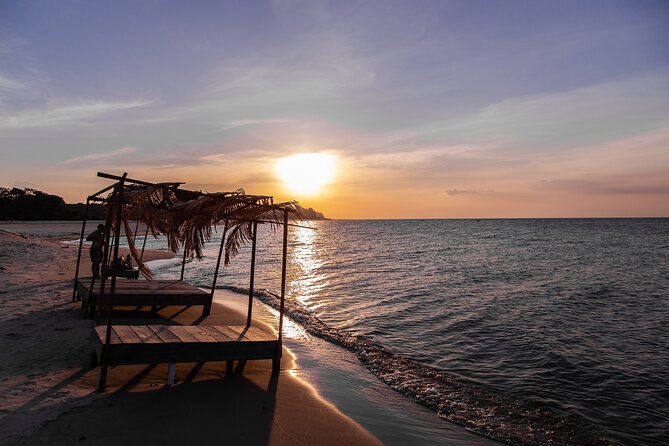
You return to Alter do Chão in time for sunset at the beach. This is one of the trip’s gentler days, with about four hours listed for the main outing and the evening free for dinner and exploration.
I like this rhythm. You get a first taste of life on the water without immediately packing every hour with walking or instruction. The free evening also gives you a chance to enjoy Alter do Chão at your own pace.
Dinner and evening expenses are not described as included on this night, so budget for drinks and any meals outside the covered program. Drinks are specifically excluded from the tour price.
Day 3: From Tapajós beaches into the national forest
After breakfast, you check out of the Alter do Chão inn and sail toward the Tapajós National Forest. The day includes a long boat outing, with paradisiacal river beaches and lunch along the way. Here, the Tapajós shows why this region can feel almost coastal despite being far inland: broad sand, open water, and forest at the edges.
The long sailing day is a highlight for anyone who enjoys scenery more than a packed list of attractions. You are not simply being driven between monuments. The river itself supplies the views, and the changing water level gives each visit a slightly different shape.
By the end of the day, you reach Maguari, a community inside the national forest. Abilio Restaurante e Pousada becomes your base for the next several nights. The evening brings a special piracaia, a beachside meal that gives the first night in the community a distinctly local feel.
The accommodation and food are part of the appeal, but you should keep your expectations sensible. This is community-based lodging in a forest setting, not a luxury resort. The information provided does not list room amenities, so ask the operator about facilities before departure if comfort details matter to you.
Day 4: Meeting Vovó Samaúma
Day four brings one of the clearest nature experiences on the program: a trail to Vovó Samaúma, described as a thousand-year-old tree. The walk takes about six hours, including the outing and meal time, so it is more than a quick stop beside a large trunk.
The tree gives the walk a purpose, but the route is also about the forest around it. You move through the Tapajós National Forest before returning for lunch at Dona Maria’s house. A meal in a local home changes the feel of the day. Instead of treating Maguari as a backdrop, you share time and food with the people who live there.
The afternoon finishes with sunset at Maguari Beach before dinner. That combination is smart: a substantial forest outing earlier, then an easy hour beside the river. If you are concerned about fitness, note that the schedule includes several six-hour activity blocks. The supplied information says most people can participate, but it does not provide trail difficulty, elevation, or surface details.
A completely different kind of day out around Brazil:
- Rio de Janeiro: 6-Stop Highlights of Rio with Lunch
★ 4.4 · 5,157 reviews - Christ the Redeemer Entry Ticket by Corcovado Train
★ 4.4 · 4,476 reviews - Rio de Janeiro: Rocinha Favela Walking Tour with Local Guide
★ 4.8 · 3,052 reviews - Rio de Janeiro: Sugarloaf Cable Car Official Ticket
★ 4.6 · 2,873 reviews
Day 5: A slower morning, crafts, and Carimbó
The fifth day offers a needed pause. Your morning is free to enjoy Maguari’s beaches, walk through the village, or simply rest after the forest trail.
After lunch, the focus shifts to local creativity. You take part in a handicraft workshop and try to learn Carimbó, a traditional dance from the Amazon region. In the evening, after dinner at Abilio Restaurante e Pousada, there is a performance of Carimbó.
This is the kind of cultural activity that works best when you join in rather than watch from the sidelines. You do not need to be a dancer or craft expert. The point is contact, humor, and participation. The program also lets you see Carimbó twice, first as something you attempt and later as a performance.
The free morning is valuable for another reason. Community-based trips can become tiring when every day contains a formal lesson or hike. Here, the schedule allows the village to be experienced without turning every moment into an organized event.
Day 6: Rubber, home cooking, and medicinal plants
You walk to nearby Jamaraquá in the morning. The main lesson concerns rubber trees and the process of making rubber. This offers useful context for the forest. You are not just looking at trees as scenery; you are learning how a natural product has shaped work and local life.
After the walk, lunch is served at the home of Dona Maria do Socorro. The repeated home meals are among the strongest parts of the trip. They offer a direct connection to local food and daily hospitality, while also placing a portion of the tour spending in the community.
Later, you join a workshop about traditional medicinal herbs. The day ends with time at the beach, so the program again moves between learning and rest.
The schedule lists about six hours for the Jamaraquá activity and another four hours for the afternoon portion. You should be prepared for heat, walking, and a full day outdoors, though the exact intensity will depend on conditions and the group.
Day 7: Igarapés and a quiet farewell
Your final full day returns to Jamaraquá for a walk to local igarapés, the streams that wind through the forest. These smaller waterways provide a different experience from the wide Tapajós. The river offers open horizons; the igarapés bring you closer to the forest and its waterways.
The excursion is listed at about six hours. Afterward, you return to Maguari with the rest of the day free. This is your chance to take one last walk, spend time on the beach, visit the communities again, or say goodbye without a formal rush.
That open farewell is a good design choice. The emotional weight of the trip comes less from checking off attractions and more from repeated contact with the same places and people. By the final evening, Maguari is no longer just a stop on a route.
Day 8: Returning to Santarém
After breakfast, you make a quick visit to a handicraft shop before leaving for Santarém in an exclusive van at 10 a.m. The ride ends at Santarém International Airport, Maestro Wilson Fonseca.
Arrival is scheduled around midday, and you should book a return flight departing from 2 p.m. or later. Do not cut this too close. The transfer is described as quick, but flights, traffic, and airport procedures are never worth gambling on.
The handicraft stop gives you a final opportunity to purchase something connected to the communities you visited. It also fits the trip’s larger purpose: supporting local production rather than leaving only with photographs.
What the $1,095.72 price really covers
At $1,095.72 per person, this is not a bare-bones boat transfer. The price covers eight days and seven nights, travel insurance for the full itinerary, seven breakfasts, six lunches, and six dinners. It also includes the planned boat outings, community activities, forest walks, lodging, and the final van transfer as described.
The value is strongest if you would otherwise have to arrange several separate pieces: accommodation in Alter do Chão, river transport, access to communities, local hosts, meals, and a forest itinerary. The operator also handles the movement between sites, which can be difficult to organize independently.
You should still allow extra money for drinks and any meals or evening expenses not covered by the program. The first day is flexible, and the second evening in Alter do Chão is at leisure, so those costs depend on how much you choose to do.
The trip’s strongest value is not luxury. It is access. You get time in Maguari and Jamaraquá, local meals, practical workshops, and repeated contact with the same communities. That is a more meaningful use of money than a short photo stop if you want to understand the area beyond its beaches.
Comfort, pace, and the private group format
This is a private tour, so only your group participates. That can make a real difference in a small community. You have more room for questions, a less public feel at meals and workshops, and a better chance of keeping the pace comfortable for your own party.
The schedule is active but not relentless. You have long walking days on days four, six, and seven, along with boat travel and cultural sessions. You also get free time on the first day, the second evening, the fifth morning, and the final afternoon.
Expect simple logistics. The route depends on the river, and the exact scenery changes with water levels and the season. The supplied details do not promise air conditioning, private bathrooms, Wi-Fi, or a particular room type, so contact Vivalá if those points affect your decision.
The experience is suitable for most people according to the booking information, but anyone with mobility concerns should ask about the trails and boarding arrangements in advance. The program includes forest walks and boat travel, and those practical details are not fully described.
The community connection is the real reason to go
The beaches may catch your attention first, but the people and activities give the trip its lasting character. You learn to make rubber, handle medicinal herbs, try a regional dance, share meals in local homes, and spend evenings with community hosts.
Vivalá describes its model as Community Based Tourism, with an aim to support traditional culture and local economies. The program reflects that goal in practical ways: local accommodation, meals at residents’ homes, handicraft work, performances, and visits led around community knowledge.
The best approach is respectful curiosity. Join the workshop, ask questions, accept that routines may move at a different pace, and treat the village as a home rather than a stage. You will get more from the experience if you are willing to participate instead of simply taking pictures.
Who should book this Tapajós expedition?
I would recommend it to you if you want several kinds of Amazon experience in one trip: wide river views, freshwater beaches, forest walks, village life, and local food. It is especially well suited to people who prefer a thoughtful pace and want their spending to support community-based tourism.
It also suits solo participants and small private groups. The program is organized enough to remove much of the stress, while the free periods prevent it from feeling like a constant guided march.
I would hesitate if you want a luxury lodge, a highly predictable schedule, nightlife, or a short list of major sights. You should also think twice if long outdoor days, basic accommodation, or changing river conditions would frustrate you.
The exceptionally strong satisfaction record, with a five-star rating from 30 listed ratings and 100 percent recommending it, fits the program’s main strengths: scenery, hospitality, food, and contact with local life. Still, those results should not hide the basic tradeoff. You exchange hotel polish and total predictability for a closer connection to the river communities.
Should you book it?
Book this expedition if you want the Tapajós as a living place, not just a pretty view from a boat. The combination of beaches, the Vovó Samaúma trail, igarapés, rubber-making, medicinal plants, Carimbó, and home meals gives you a broad and memorable week.
Before paying, confirm the accommodation setup, trail conditions, boat arrangements, and what meals are covered on your exact departure. Also note the cancellation terms: a full refund requires cancellation at least six full days before the start, while cancellations two to six days ahead receive 50 percent, and cancellations less than two days ahead are not refunded.
For the right person, the price buys something hard to arrange alone: time, access, and genuine contact in one of Brazil’s most striking river regions.
FAQ
Where does the Tapajós expedition begin?
It begins at Ocazum Pousada, R. Seis de Março, 85, in Alter do Chão, Santarém, Brazil. Check-in is available from 2 p.m. on the first day.
Where does the expedition end?
It ends at Santarém International Airport, Maestro Wilson Fonseca. Arrival is scheduled around midday on day eight, so a return flight should depart at 2 p.m. or later.
How long is the experience?
The program lasts eight days and seven nights.
Are meals included?
Breakfast is included for seven mornings. Six lunches and six dinners are also included. Drinks are not included.
Is this a private tour?
Yes. Only your own group participates in the activity.
Is travel insurance included?
Yes. Travel insurance for the full itinerary is included.
Just added around Brazil
- Idyllic Islands Private Speedboat Tour in Paraty★ 5.0 · 3 reviews
- Pedra Bonita Trail: The easiest trail with a beautiful view of Rio★ 4.6 · 3 reviews
- Campos do Jordão: Full-Day Private Tour from São Paulo★ 5.0 · 3 reviews
- Itacare: Jeribucaçu Trail and Usina Waterfall★ 4.7 · 3 reviews
- Paraty: Half-Day Bike Rental★ 3.6 · 3 reviews
- Walk to the Big Rock in Cantareira State Park★ 5.0 · 3 reviews
- Rio: Private, Custom express, Main Attractions!★ 5.0 · 3 reviews
- Rocinha Jeep Tour: A Journey into the Soul of the Favela!★ 3.8 · 3 reviews
Amazon Rainforest Tours, compared.
Jungle Waterfalls and Cachaça Distillery Jeep Tour
Read our review →
Manaus to Santarém: 36-Hour Ferry on the Amazon
Read our review →
Multi-Day Amazon Trip at Tapiri Floating Lodge
Read our review →
Browse the lists this tour appears in